Why a Burmese’s First Year Includes a Second Kitten
You've just brought home that adorable, velvet-soft Burmese kitten, full of purrs and playful energy, and you're imagining years of devoted companionship. What many first-time Burmese owners quickly discover, however, is that this incredibly social breed thrives with constant interaction, often leading to separation anxiety and mischievous behaviors if left alone. This guide explores why acquiring a second kitten within your Burmese's first year is not just a popular choice, but often a necessary one to ensure a happy, well-adjusted cat and a peaceful home.
The Unmistakable Need for Company: Why a Single Burmese Struggles
Bringing a Burmese into your home is like inviting a tiny, purring shadow to follow you everywhere. These cats are legendary for their intense affection and need for human interaction. It's a wonderful trait, of course, but it also comes with a unique set of challenges if they don't get the companionship they crave. Many people envision a single, devoted cat, but with a Burmese, that devotion can quickly turn into desperation when you're not around.
The Velcro Cat Syndrome and What It Means for Solitude
Burmese cats didn't earn the nickname "Velcro cat" for nothing. They truly stick to you, following you from room to room, insisting on being involved in whatever you're doing. They'll ride on your shoulder, snuggle under the duvet, and generally make themselves an indispensable part of your personal space. This is part of their charm, an incredible bond that makes them feel less like a pet and more like a furry family member. However, this deep attachment means they simply aren't built for solitude. A long workday, a weekend trip, or even just an evening out can feel like an eternity to a Burmese that's used to being your constant companion. They don't just prefer company; they demand it, both physically and emotionally. When they don't have it, their emotional well-being can suffer, leading to stress that manifests in various ways. Imagine a toddler who can't be left alone for a moment – that's often the emotional maturity level of a Burmese needing attention. The Burmese Is the Velcro Cat of the Cat Fancy goes into more detail about this intense bond.
Signs of Separation Anxiety in a Lonely Burmese
When a Burmese is left alone for extended periods, the signs of distress can be heartbreakingly clear. It's not just a little sadness; it's genuine anxiety. You might come home to find things knocked over that were never touched before, or a favorite blanket soaked in urine – a sign often misinterpreted as defiance when it's truly a plea for help. Excessive vocalization, a raspy, insistent rumble that turns into a mournful wail, can become a constant problem for neighbors. Some Burmese will even pull out their fur, creating bald patches on their belly or legs, a clear indication of self-soothing behaviors gone awry. They might refuse to eat or drink while you're away, then gorge themselves when you return, creating digestive upset. Others become obsessive about greeting you, almost frantic in their demands for attention, making it hard for you to even put down your keys before they're climbing your leg. These aren't naughty behaviors; they are cries for connection. What Separation Anxiety Looks Like in a Burmese provides a deeper dive into these worrying symptoms.
The Destructive Side of Boredom and Isolation
A bored Burmese is a destructive Burmese. Their intelligence and boundless energy need an outlet, and if you're not there to provide it, they will find their own, often at the expense of your home furnishings. Chewing on cords, scratching furniture, or systematically unraveling rugs are all common tactics of a lonely, under-stimulated Burmese. They are incredibly agile and curious, meaning no shelf is too high, and no drawer is too secure if they set their mind to exploring it. A single Burmese, particularly a kitten, has an abundance of energy with no constructive way to burn it off when alone. This isn't out of malice, but pure, unadulterated boredom and a frantic need for engagement. It can feel like your house is being slowly dismantled by a tiny, furry wrecking ball. Understanding What a Burmese Does to a House It Is Left In can really prepare you for the potential chaos.
The Benefits of a Burmese Pair: Double the Cuddles, Half the Trouble
It might seem counterintuitive to solve a problem with one cat by adding another, but for the Burmese, it's often the most elegant and effective solution. When these highly social creatures have a companion, especially another Burmese, many of the challenges associated with their intense need for interaction simply evaporate. It's truly a case where two is better than one, not just for the cats, but for your peace of mind too.
Mutual Enrichment and Companionship
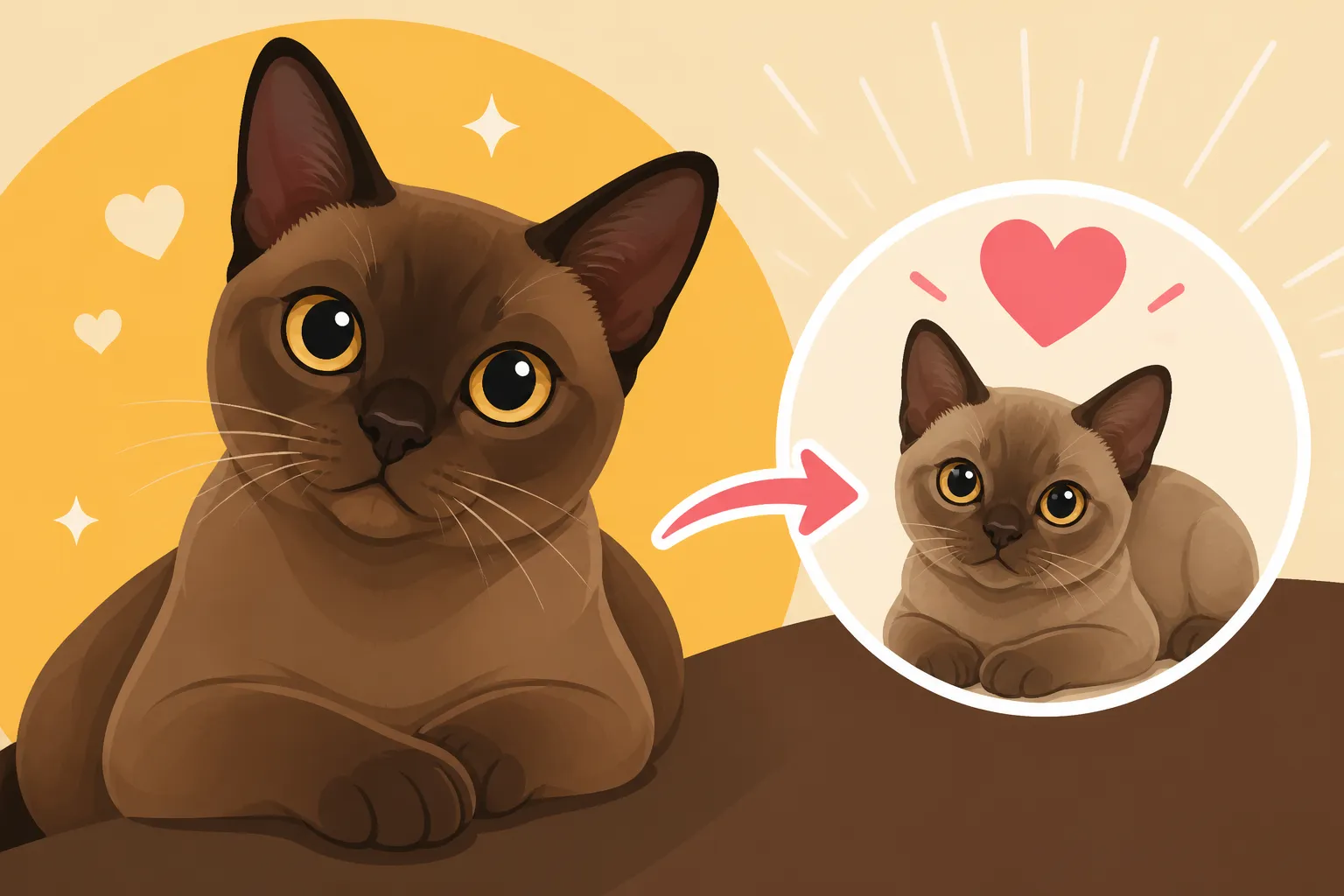
Two Burmese kittens will provide each other with endless entertainment and comfort, significantly reducing the burden of being their sole source of interaction. They'll chase each other through the house, wrestle on the floor, and engage in elaborate games of hide-and-seek. This constant stimulation keeps their minds sharp and their bodies active, preventing the boredom that often leads to destructive behaviors. Beyond play, they offer profound emotional support for one another. You'll often find them curled up together for naps, grooming each other, or simply sitting in quiet companionship. This mutual bond fulfills their inherent need for close contact, allowing them to feel secure and loved even when you're not directly interacting with them. It transforms your home into a thriving, happy multi-cat household rather than a place of feline longing. Why Two Burmese Settle Each Other explains this dynamic beautifully.
Alleviating Owner Guilt and Stress
One of the heaviest burdens of owning a single, lonely Burmese is the pervasive guilt that many owners feel. Leaving for work each day, knowing your beloved cat will spend hours alone, can be agonizing. The worry about what they might be doing, or how unhappy they are, can overshadow the joy of ownership. With a pair, much of that guilt simply melts away. You know they have each other. While they'll still be thrilled to see you, their world doesn't collapse the moment you walk out the door. This allows you, the owner, to live your life without constant anxiety about your pet's emotional state. It's a huge relief to know they're curled up together, perhaps playing or napping, rather than pacing mournfully by the door. This reduction in stress makes ownership a much more enjoyable and sustainable experience for everyone involved. Why a Second Cat Fixes Most Burmese Problems delves into this owner relief.
Enhanced Social Development and Play
Kittens learn vital social skills from playing and interacting with their littermates. When a single kitten is brought home too early, or without another feline companion, they can miss out on crucial lessons in bite inhibition, appropriate play, and reading feline body language. A pair of Burmese kittens will continue this essential learning with each other. They'll teach each other boundaries during play, understanding how hard is too hard, and when to back off. Their play sessions are often epic, involving acrobatic leaps and mock battles that hone their natural instincts in a safe, engaging way. This results in better-adjusted, more confident cats who are less likely to play too roughly with humans or exhibit behavioral problems later in life. Plus, watching two Burmese play together is simply one of the most delightful and entertaining sights a cat owner can witness! Why Burmese Breeders Sell Them in Pairs is a testament to this understanding.
Timing Is Everything: When to Introduce That Second Kitten
Deciding to bring a second kitten into your home, especially for a breed as sensitive as the Burmese, requires careful consideration. It’s not just about opening your door; it’s about a thoughtful, gradual introduction that fosters a positive, lasting bond between your cats. Getting the timing and the process right can make all the difference between a harmonious duo and a stressful rivalry.
The Ideal Age Gap (or Lack Thereof)
While some suggest a slight age gap for kittens, with Burmese, bringing home a second kitten around the same time as the first, or within a few months, is often ideal. If your first Burmese is still a young kitten (under 6-8 months), they're usually more open and accepting of a new playmate. They haven't fully settled into being an "only cat" and are more adaptable. Waiting too long, say until your first Burmese is a year or two old, can sometimes make introductions harder. By then, they've established their territory and routine as a sole monarch, and a newcomer might be perceived as more of a threat than a welcome companion. Two kittens growing up together will develop a deep, lifelong bond, learning to navigate the world as a team. They learn each other's quirks, preferences, and boundaries from day one, fostering a more natural integration. However, if you already have an adult Burmese, it's still absolutely possible to introduce a second cat; you just need to be prepared for a slower, more cautious process.
Navigating the Introduction Process Smoothly
Introducing a new cat to an existing one should never be a sudden "plop and hope" affair. It needs to be a slow, scent-based process to minimize stress and maximize acceptance. Here's a general approach:
- Separate Spaces: For the first few days, keep the new kitten in its own "sanctuary room" with food, water, litter, and a comfy bed. This allows them to decompress and get used to the sounds and smells of your home from a safe distance.
- Scent Swapping: Start by swapping blankets or toys between the two cats' spaces. This helps them get used to each other's scent in a non-threatening way. You can also pet one cat, then immediately pet the other, transferring scents on your hands.
- Visual Access (Briefly): After a few days of scent swapping and positive reactions (no hissing or growling), you can try brief visual introductions. Use a baby gate or crack a door open slightly while you supervise. Keep these sessions short and positive, ending before any signs of stress.
- Shared Space: Gradually increase the time they spend together, always supervised. Feed them on opposite sides of a baby gate, slowly moving bowls closer. Provide plenty of high-value treats (like those from Chewy's selection) during these interactions to create positive associations. Ensure there are plenty of resources – multiple litter boxes, food bowls, and toys – to prevent competition.
- Patience is Key: Some Burmese will bond almost instantly, while others may take weeks or even months. Never force interactions. Each step should be taken only when both cats appear relaxed. High-value, novel protein treats can be incredibly useful for creating positive associations during these critical introduction phases.
Monitoring for Harmony and Hiccups
Once your Burmese are living together, continuous monitoring is crucial, especially in the early days. Watch for signs of stress or aggression, even subtle ones. These might include one cat blocking access to resources, prolonged staring, hissing, growling, or one cat consistently chasing the other without mutual play. True play involves reciprocal chasing and wrestling, often with a "shake it off" moment afterwards. If one cat is constantly hiding or showing signs of fear, intervention is needed. However, it's also important to distinguish between genuine conflict and typical kitten squabbles. Young Burmese can be rambunctious! As long as both cats are eating, drinking, using the litter box, and showing affection towards you, minor disagreements are often just part of establishing their pecking order. If significant issues arise, consulting a feline behaviorist can provide tailored strategies. Bringing Home the Second Cat a Burmese Needs offers further guidance on making this transition smooth.
| Feature / Consideration | Single Burmese (First Year) | Pair of Burmese (First Year) |
|---|---|---|
| Companionship | Solely dependent on humans; prone to loneliness. | Mutual companionship; reduced dependence on humans. |
| Emotional Well-being | High risk of separation anxiety, boredom, stress. | Generally more content, secure, and emotionally stable. |
| Behavioral Issues | Increased likelihood of destructive behavior, excessive vocalization, inappropriate urination. | Lower incidence of destructive behaviors; energy channeled into play. |
| Social Development | May miss out on crucial feline social cues and play skills. | Develops strong social skills through interaction and play. |
| Owner Guilt/Stress | High, especially when leaving the cat alone. | Significantly reduced, knowing they have each other. |
| Initial Cost | Lower initial purchase price. | Higher initial purchase price for two kittens. |
| Ongoing Costs (Food/Litter) | Moderate for one cat. | Higher overall, but often bulk discounts can mitigate. |
| Vet Visits | One cat's routine care. | Two cats' routine care; potential for two-for-one check-ups. |
| Play/Exercise | Requires owner to be sole playmate for active sessions. | Self-entertaining play sessions; less direct owner involvement needed. |
Beyond the Initial Cost: Budgeting for Two Burmese
The decision to bring a second Burmese into your home often involves a little financial re-evaluation. While the purchase price of two kittens is certainly higher than one, many ongoing expenses don't simply double. In some areas, having a pair can even be more economical in the long run, especially when considering the potential costs associated with a single, anxious cat. It’s about looking at the full picture, not just the sticker price.
The True Financial Picture of a Pair
Yes, you'll pay for two kittens upfront, which is a significant investment. However, many subsequent costs don't scale linearly. For instance, food costs will increase, but often not quite double, especially if you buy in larger bags or cans from retailers like Chewy, which often offer bulk discounts. Litter might increase by about 50-75% for two well-adjusted cats, as they'll often share boxes. Routine vet visits, while for two cats, can sometimes be scheduled together, making transport more efficient, though each cat will still need its own examination. Where you truly save is in the avoided costs of behavioral problems. A lonely, anxious Burmese might chew through electronics, necessitating expensive repairs or replacements. They might soil furniture or carpets, leading to professional cleaning bills. Excessive vocalization could lead to neighbor complaints or even fines in some rental situations. These hidden costs of a single, unhappy Burmese can quickly add up, often surpassing the expense of simply having a second, contented companion. Why Two Burmese Cost Less Than One Anxious One is a compelling argument for this perspective.
Long-Term Health and Insurance Considerations
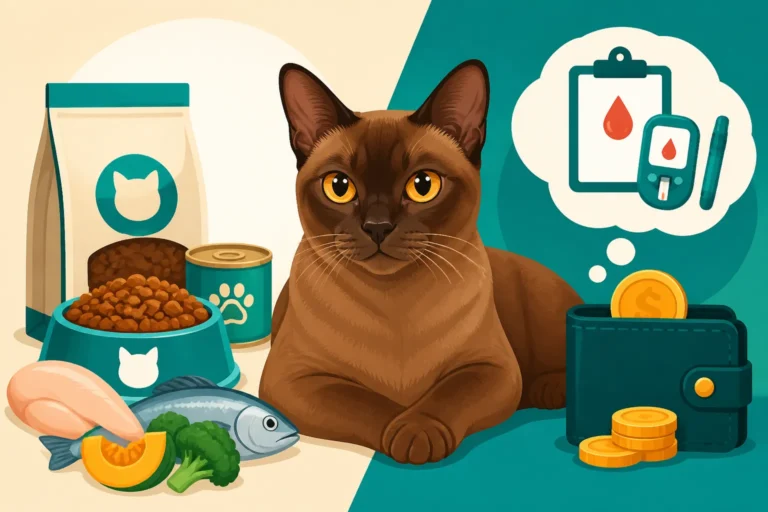
Burmese cats, while generally robust, do have predispositions to certain health issues, such as diabetes and hypokalemia. When you have two Burmese, you naturally double the chances of encountering these conditions. This makes pet insurance a particularly wise investment for Burmese owners. Companies like Healthy Paws can offer a safety net against unexpected veterinary bills, which can become substantial with chronic conditions. It's crucial to understand policy exclusions, particularly for pre-existing conditions. Insuring your kittens early, before any symptoms develop, is always the best strategy. While two policies will cost more than one, the peace of mind knowing you can provide the best care without financial strain for both your beloved companions is invaluable. Consider that a healthy, happy cat is less prone to stress-induced illnesses, so two contented Burmese might actually present fewer vet emergencies than a single, anxious one down the line. Whether a Burmese Policy Is Worth It Once Diabetes Is Excluded provides valuable insight into the intricacies of pet insurance for this breed.
Maximizing Resources with Two Cats (Food, Litter, Toys)
With two Burmese, you'll quickly learn the art of resource management. As mentioned, buying food in larger quantities or subscribing to services that offer bulk options can be more cost-effective. For instance, if you feed a high-quality wet food to support their low-carb needs (essential for a diabetes-prone breed), look for meal plans or bulk options that are more economical for two. You'll need at least three litter boxes for two cats (the general rule is one per cat plus one extra), but purchasing larger bags of litter or opting for subscription deliveries can simplify this. When it comes to toys, two Burmese will often share and play with the same items, so you don't necessarily need to double your toy budget. In fact, they'll often prefer to play with each other using a single toy! Durable, interactive toys are a great investment as they can withstand dual kitten energy. Remember, the key is not just having more stuff, but having enough for both to feel secure and engaged without competition. This often means doubling bowls and beds, but perhaps not every single interactive toy.
Disclaimer
This article is for general informational purposes only and does not constitute professional advice. Laws, prices and regulations vary by location and change over time. Consult a qualified professional for guidance on your specific situation.