What Feeding a Diabetes Prone Burmese Costs
One of the most heart-wrenching realities of owning a beloved Burmese cat is knowing they're genetically predisposed to certain health challenges, with diabetes being a significant one. This knowledge often leads to a genuine panic about their diet – what should they eat, and more importantly, what will it cost to keep them healthy or manage their condition? This guide will dive deep into the expenses involved in feeding a diabetes-prone Burmese, from preventative measures to managing an active diagnosis, helping you budget wisely without compromising their well-being.
Understanding the Burmese Diabetes Predisposition
It’s an undeniable truth for us Burmese owners: our sweet, affectionate companions are four times more likely to develop diabetes than other breeds. This isn't just bad luck; it’s rooted deeply in their genetics and metabolism, a unique quirk of the breed that we simply must acknowledge and manage.
Why Burmese Cats Are So Prone to Diabetes
The scientific community has spent years studying this, and it comes down to a few key factors that make the Burmese stand out. Firstly, there's a strong genetic component, especially in certain lines, particularly those from Australia and Europe. These cats seem to have a unique insulin resistance, meaning their bodies don't use insulin as effectively as they should to regulate blood sugar. When you couple this genetic predisposition with a typical modern cat diet – often high in carbohydrates and free-fed – it creates a perfect storm.
Think about it: most commercial dry cat foods are loaded with carbs, masquerading as convenient and affordable. For a Burmese, this high carbohydrate load can be incredibly detrimental, constantly spiking their blood sugar and overworking their pancreas. Over time, this chronic stress can lead to insulin exhaustion and, eventually, full-blown diabetes. It's truly frustrating to know that something as seemingly innocent as a bowl of kibble can actively contribute to a serious health issue in a breed you adore. We want to do our best by them, and sometimes the readily available options are actually working against us. How Many Burmese Become Diabetic in a Lifetime
The Role of Diet in Prevention and Management
This is where you, as a dedicated Burmese owner, truly hold the power. Diet isn't just about keeping your cat slim; it's about fundamentally supporting their metabolic health, especially if they are diabetes-prone. For prevention, a low-carbohydrate, high-protein diet is your absolute best friend. This type of diet mimics what a cat would naturally eat in the wild – lots of meat, minimal plant matter. By feeding a diet that doesn’t cause constant blood sugar spikes, you give your Burmese’s pancreas a much-needed break and help maintain healthy insulin sensitivity. It’s like avoiding a burnout before it even starts.
If your Burmese has already received a diabetes diagnosis, diet becomes even more critical, morphing from a preventative tool into a core management strategy. For a diagnosed cat, the right diet can significantly stabilize blood glucose levels, reduce the need for high insulin doses, and in some fortunate cases, even lead to diabetic remission. This isn't just about managing symptoms; it's about actively working to heal or reduce the severity of the disease. A vet will almost certainly prescribe a specific therapeutic diet, but the underlying principle remains the same: restrict carbohydrates, increase protein. It’s a complete shift in thinking from just "feeding the cat" to actively "medicating" them through their food. Which Diet Puts a Burmese Into Remission
Initial Investment in a Diabetes-Appropriate Diet
Deciding to switch your Burmese to a diabetes-appropriate diet is one of the best decisions you can make for their long-term health, but it often comes with an initial learning curve and a shift in your grocery budget. Don't be disheartened; the long-term benefits far outweigh these early adjustments.
Transitioning to a Low-Carbohydrate Diet
The first hurdle is often the actual transition. You can't just swap out their old food for new, especially if they’ve been on kibble for years. Cats are creatures of habit, and many will stage a hunger strike rather than eat something unfamiliar. This means buying smaller quantities of the new food to introduce gradually, mixing it with their old food over several weeks. What might seem like a simple change can actually result in wasted food and frustration if not done carefully. You might buy a few different brands or flavors before finding one your finicky eater accepts, adding to that initial investment. Patience truly is a virtue here, both for your cat and your wallet, as throwing out uneaten specialized food can feel like tossing money away.
It's also essential to become a label detective. Suddenly, you're not just looking for "chicken flavor"; you're scrutinizing the ingredient list for fillers, grains, and estimated carbohydrate percentages. Many brands market themselves as "healthy" or "premium," but a quick glance at the nutritional analysis can reveal a carb content that's still too high for a diabetes-prone Burmese. This learning process takes time and means you might initially purchase a few unsuitable options before getting the hang of what constitutes a genuinely low-carb food. Which Carbohydrate Percentage a Burmese Should Stay Below
Sourcing Quality, High-Protein Foods
Once you know what you’re looking for, the next step is actually finding it and navigating the price points. Quality, high-protein, low-carbohydrate wet foods are generally more expensive than dry kibble, and that’s a fact many owners grapple with. You’ll be looking for reputable brands that prioritize meat-based ingredients and minimize plant-based fillers. Online retailers like Chewy often have a broader selection and competitive pricing compared to local pet stores, and sometimes offer subscription discounts, which can help mitigate the cost slightly.
You might explore different forms of high-protein food. Canned wet food is the most common, but some owners opt for raw or freeze-dried raw diets, which can be even pricier but offer excellent nutritional profiles. These specialized diets often come with a premium price tag because of the quality of ingredients and the specific formulation required. It’s frustrating when you're trying to do the best for your cat, and the "best" often feels out of reach financially. However, view this as an investment in preventing much more costly medical interventions down the line. A healthy, well-fed Burmese is far less likely to incur significant diabetes-related vet bills in their later years.
Ongoing Monthly Food Expenses
The initial transition and sourcing phase eventually settles into a routine, but the ongoing monthly costs are where the real budget impact is felt. This isn't just a one-time change; it's a fundamental shift in your regular expenditures.
The Higher Cost of Premium Wet Food
Let's be blunt: feeding a Burmese a proper low-carbohydrate, high-protein wet food diet will almost certainly cost more per month than a dry kibble diet. A typical 3-ounce can of high-quality wet food can range significantly in price, and a healthy adult Burmese might need 3-4 cans a day, sometimes more depending on their size and caloric needs. Do the math, and suddenly your monthly food bill looks very different. For comparison, a large bag of budget kibble might last a month or two for one cat, costing a fraction of what 90-120 cans of premium wet food would.
This isn't about extravagance; it's about necessity. The cost reflects the quality of ingredients – real meat, fewer fillers, and careful formulation. Many owners feel a pinch, but they know it's for their cat's health. Furthermore, Why a Burmese's Portion Is Weighed, Not Scooped is a concept that truly comes into play here. While it might seem like a hassle, accurately weighing your cat's food ensures they get precisely the right amount, preventing overfeeding (and thus, wasted expensive food) or underfeeding. This precision becomes even more critical when managing an active diabetic diagnosis, as consistent caloric intake directly impacts blood glucose levels.
Factors Influencing Your Monthly Bill
Several factors will play into your specific monthly food budget. Firstly, the number of cats in your household. If you have multiple cats, and only one is diabetes-prone, you might find yourself managing separate diets, which means buying two types of food and potentially using microchip feeders to ensure everyone eats their own meal. This can add complexity and often means you can't buy in the largest, most cost-effective bulk sizes for both diets. How to Keep Two Burmese on Different Diets
Secondly, your Burmese's individual needs. A larger, more active Burmese might require more calories and thus more food than a smaller, more sedentary one. As they age, their metabolism might slow, requiring adjustments. Also, regional price variations for pet food can be significant, and while buying online from retailers like Chewy can help, shipping costs or minimum orders can sometimes negate savings. Bulk buying, when possible, is often the best strategy to keep costs down, but it requires storage space and ensuring your cat will actually eat all that food before it expires. You don't want to stock up on a huge case of salmon pate only to find out your discerning feline has suddenly decided she prefers turkey.
Related Costs Beyond the Food Itself
When considering the cost of feeding a diabetes-prone Burmese, it's easy to focus solely on the food bags or cans. However, there are several other related expenses that often fly under the radar until you're faced with them. These can add up and should be factored into your overall budget for proactive care.
Supplements and Special Treats
Sometimes, even with the best diet, a veterinarian might recommend specific supplements for a diabetes-prone or diabetic Burmese. These could include B vitamins to support nerve health, chromium for insulin sensitivity, or certain fibers to help regulate digestion and blood sugar. These aren't typically expensive individually, but they are an ongoing cost, added to your monthly budget. The cost will depend on the brand, dosage, and whether they are prescribed by your vet or available over-the-counter.
Then there are treats. It's so tempting to spoil our cats, but for a diabetes-prone Burmese, traditional high-carb treats are a big no-no. Instead, you'll need to seek out very specific low-carbohydrate options, such as freeze-dried meat or specific vet-approved dental chews. These often come at a higher price point per ounce than a bag of conventional crunchy treats. Which Treats Fit Inside a Burmese's Weighed Ration It's a small but continuous cost, and resisting the urge to buy cheaper, less suitable treats is crucial – the long-term cost of an uncontrolled diabetic condition far outweighs any savings on treats.
Monitoring Equipment and Supplies
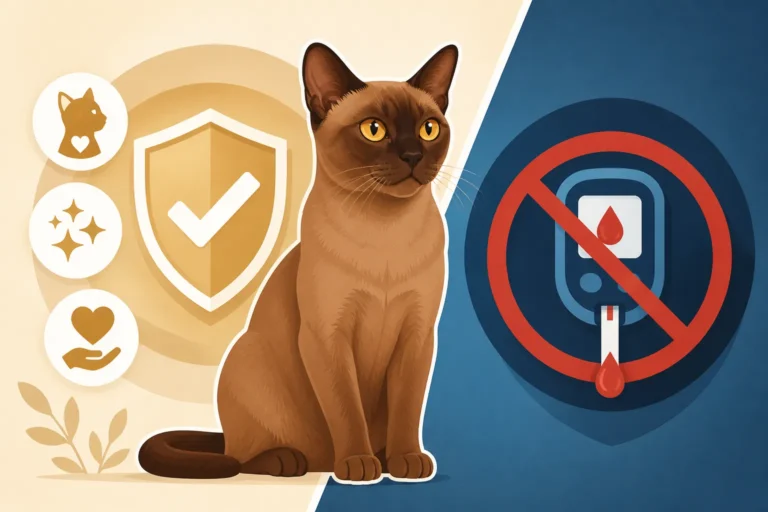
If your Burmese has already been diagnosed with diabetes, the costs extend well beyond food to include daily monitoring equipment. A home glucose meter, test strips, and lancets become essential tools in your daily routine. While a basic meter might not be too pricey, the test strips are an ongoing, significant expense, as you'll be using them frequently to track your cat's blood sugar levels. What Glucose Monitoring Equipment Costs a Burmese Owner This equipment allows you to provide crucial data to your vet and make informed decisions about insulin dosages.
Beyond medical supplies, you might consider specialized feeding bowls. Slow feeders can help a greedy Burmese eat at a more measured pace, which is beneficial for digestion and blood sugar regulation. In multi-cat households, microchip feeders can be invaluable, ensuring your diabetes-prone Burmese eats only their special, expensive diet and doesn't steal kibble from a housemate. Even litter box considerations factor in; diabetic cats often drink and urinate more, meaning you might need more litter, a larger box, or more frequent litter changes, all of which represent small but continuous expenses. How Much More Litter a Diabetic Burmese Gets Through
The Long-Term Financial Impact
Looking beyond the monthly grocery bill, the choice of diet for your Burmese has profound long-term financial implications that truly highlight the "pay now or pay much, much more later" dilemma.
Prevention vs. Management Costs
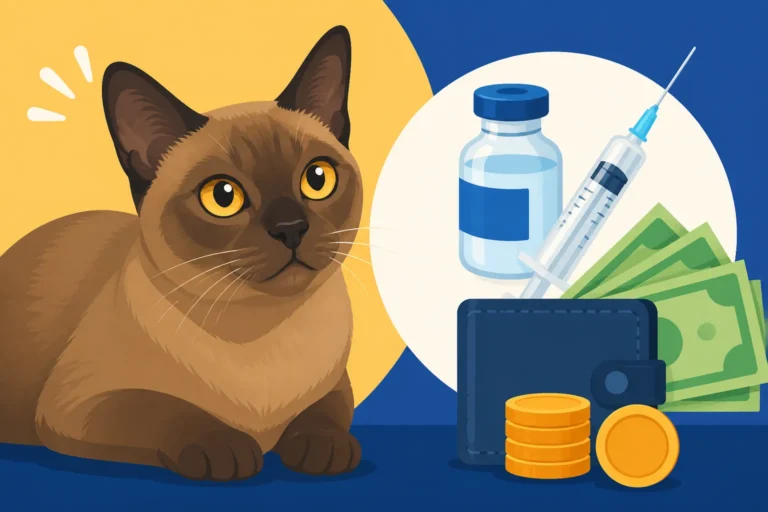
This is where the financial wisdom of proactive care shines through. Investing in a high-quality, low-carbohydrate diet from an early age for your diabetes-prone Burmese is a significant upfront and ongoing cost, no doubt. However, consider the alternative: the cost of managing an actively diabetic cat. This includes daily insulin injections, which means regular purchases of insulin vials and sterile needles. You'll likely need frequent vet visits for glucose curves, bloodwork to monitor their overall health, and potential emergency visits if their blood sugar goes too high or too low. What Diabetes Costs a Burmese Owner a Year
The difference in cost between prevention and management is stark. While a premium diet might cost you, say, $X per month, managing full-blown diabetes could easily run into several times that amount, not just for medication and vet visits, but also for the specialized prescription foods often recommended by vets. The emotional toll of daily injections and worry is immeasurable, but the financial burden is very real. Many owners, faced with a diagnosis, lament not having started a preventative diet sooner, wishing they had invested in high-quality food to avoid the much higher costs and stress of managing the disease.
Insurance Considerations and Exclusions
Pet insurance is a valuable tool for managing unexpected vet bills, but it's crucial to understand how it interacts with chronic conditions like diabetes in a Burmese. Most pet insurance policies consider diabetes a pre-existing condition if your cat is diagnosed before you enroll or during the policy's waiting period. This means that once diagnosed, any ongoing costs related to diabetes – including specialized diabetic food (unless it's a specific prescription diet that some policies might partially cover) – will likely be excluded from coverage. Whether a Burmese Policy Is Worth It Once Diabetes Is Excluded
This makes the timing of pet insurance enrollment critically important. Ideally, you should insure your Burmese when they are young and healthy, before any signs of diabetes or other predisposed conditions emerge. Why a Burmese's Insurance Should Start Before Symptoms While insurance won't typically cover the routine cost of food, it can be a lifesaver for unexpected complications or associated conditions. A policy taken out early could cover future diagnostic tests, insulin, and veterinary care related to diabetes, significantly reducing your long-term financial risk. Without it, you're shouldering the full burden, which for a diabetic Burmese, can be substantial over their lifespan.
Strategies to Manage Feeding Costs
Managing the cost of feeding a diabetes-prone Burmese doesn't have to break the bank entirely. There are smart strategies you can employ to ensure your beloved feline gets the best nutrition without completely draining your wallet.
Smart Shopping and Bulk Buying
One of the most effective ways to reduce your ongoing food expenses is to become a savvy shopper. Keep an eye out for sales and discounts from online retailers or local pet stores. Many online stores, like Chewy, offer subscription services that provide a percentage off your recurring orders, along with free shipping. This can add up to significant savings over a year. Buying in bulk, if your cat accepts a particular food consistently, is another excellent strategy. Larger cans or multi-packs often have a lower unit price than individual small cans.
Learning to compare unit prices across different brands and retailers is also key. Don't be swayed by marketing; focus on the nutritional panel and the cost per ounce or per calorie. Sometimes, a slightly more expensive brand initially can actually be more cost-effective if it’s more nutrient-dense and your cat requires less volume to meet their caloric needs. Additionally, always check expiry dates when buying in bulk to ensure you can use all the food before it spoils.
Consulting Your Veterinarian for Guidance
While you can research endlessly, your veterinarian is your absolute best resource for navigating the dietary needs of a diabetes-prone or diabetic Burmese. They can offer invaluable, personalized advice based on your cat's specific health status, age, weight, and any other medical conditions. Don’t hesitate to schedule a dietary consultation. This isn't just about getting a prescription; it's about understanding the nuances of feline nutrition.
Your vet can recommend specific therapeutic diets, which, while often pricier, are scientifically formulated to manage diabetes and might be covered by some pet insurance policies if prescribed. They can also guide you on appropriate over-the-counter options, helping you sift through the vast array of commercial foods to find genuinely suitable low-carb choices. They might even have samples or know of local resources for obtaining food at a reduced cost. The money spent on a vet consult for dietary guidance is an investment that can prevent costly mistakes and ensure your Burmese receives the most appropriate and effective nutritional support. Why Portion Control Is Medical Care in a Burmese
Comparative Monthly Food & Supply Costs for a Burmese Cat
Here's a simplified look at how monthly costs might differ for a single adult Burmese on a standard diet versus a diabetes-prone/diabetic diet. Please remember these are illustrative and actual prices vary greatly by brand, location, and specific needs.
| Category | Standard Dry Kibble Diet (Approx. Cost Range) | Low-Carb Wet Food Diet (Approx. Cost Range) | Diabetic Management Diet (Approx. Cost Range) |
|---|---|---|---|
| Primary Food | $20 – $40 (Large bag, lasts 1-2 months) | $60 – $120 (Premium wet food, 3-4 cans/day) | $80 – $150 (Prescription wet food, 3-4 cans/day) |
| Treats | $5 – $15 (Conventional treats) | $10 – $25 (Freeze-dried meat, low-carb) | $10 – $25 (Vet-approved, low-carb treats) |
| Supplements | $0 – $10 (Optional) | $10 – $30 (If recommended) | $20 – $50 (Often recommended, e.g., B vitamins) |
| Litter (Extra) | $0 | $0 | $5 – $15 (Due to increased urination) |
| Monitoring Supplies | $0 | $0 | $30 – $80 (Test strips, lancets for home monitoring) |
| Specialized Bowls | $0 | $0 – $15 (Initial, then $0) | $0 – $15 (Initial, then $0) |
| Estimated Total Monthly | $25 – $65 | $80 – $190 | $145 – $335 |
This table clearly illustrates that moving to a preventative low-carb diet is a significant jump from standard kibble, but managing an active diabetic condition incurs even higher, unavoidable costs. This doesn't even factor in insulin itself or additional vet visits for glucose checks.
Ultimately, providing the right nutrition for your diabetes-prone Burmese is a profound act of love and a critical part of their care. While the costs can be daunting, understanding them thoroughly and employing smart strategies can help you manage your budget and give your beautiful cat the longest, healthiest life possible. It's a commitment, but one that pays dividends in purrs and companionship.
Disclaimer
This article is for general informational purposes only and does not constitute professional advice. Laws, prices and regulations vary by location and change over time. Consult a qualified professional for guidance on your specific situation.