What Glucose Monitoring Equipment Costs a Burmese Owner
When your beloved Burmese receives a diabetes diagnosis, it can feel like a punch to the gut. Beyond the emotional stress of managing a chronic condition, the practicalities, particularly the financial aspect of monitoring their blood glucose at home, can be overwhelming. This guide aims to demystify the typical costs associated with glucose monitoring equipment, helping you understand what to expect and how to budget for your sweet, satin-coated companion's ongoing care.
The Essentials: What You Need for At-Home Glucose Monitoring
Embarking on the journey of managing your Burmese's diabetes at home means equipping yourself with the right tools. Think of these as your foundational kit, the items you'll need to purchase upfront to get started. It's a significant initial outlay, but these items are crucial for providing the best care.
Your Pet-Specific Glucometer
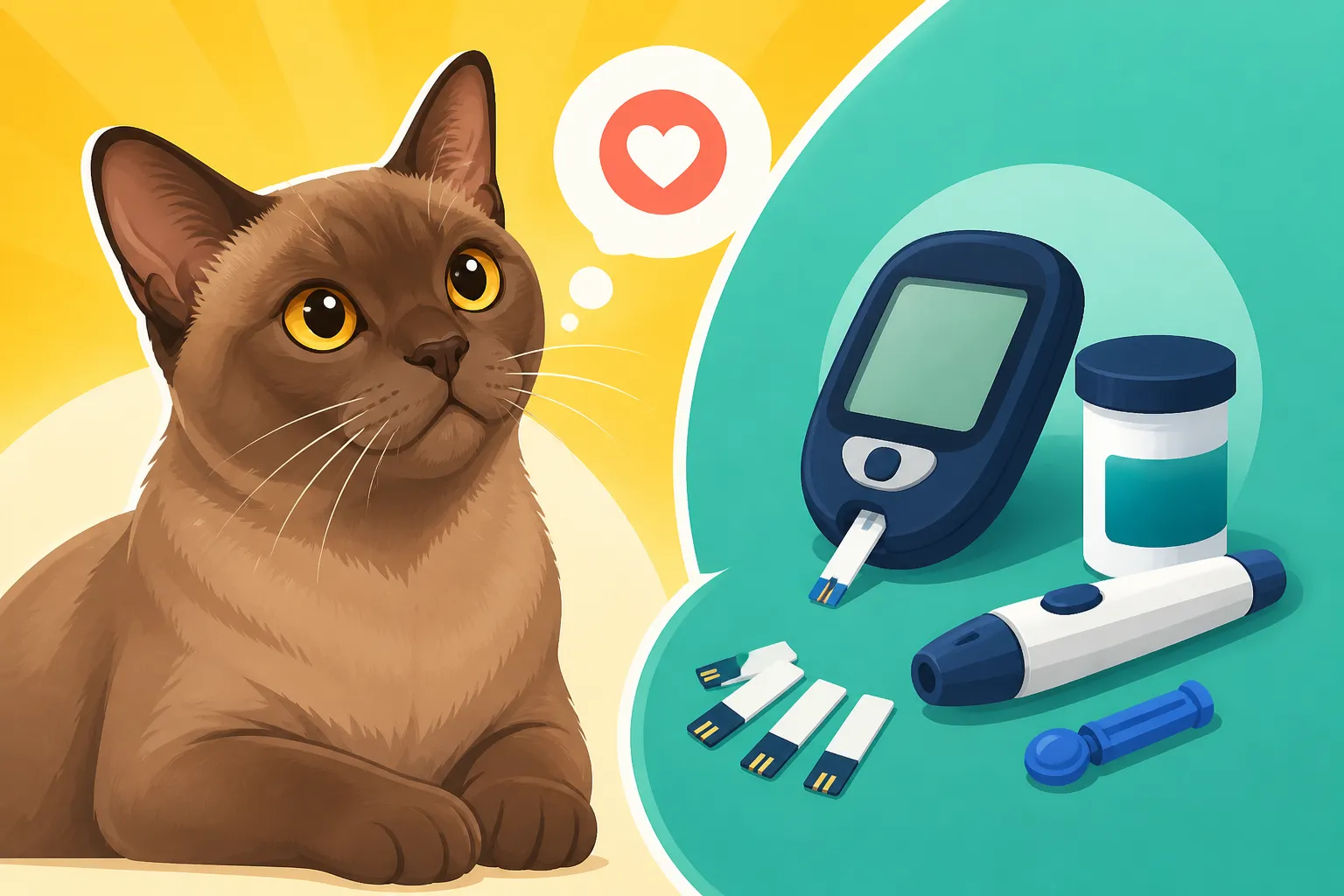
The cornerstone of at-home glucose monitoring is the glucometer itself. Unlike human glucometers, which can sometimes give inaccurate readings for pets due to differences in red blood cell size and glucose distribution, a pet-specific glucometer is calibrated precisely for animal blood. This distinction is vital for accurate results, which in turn dictate your Burmese's insulin dosage and overall treatment plan. Your veterinarian will likely recommend a particular model, and it's always best to stick with their advice. These devices represent a moderate initial cost, but they are built to last for several years with proper care. You'll want to ensure you fully understand How a Burmese Is Monitored on Insulin at Home before making your purchase.
When you're first getting set up, you might feel a bit daunted by the array of options. Your vet might suggest brands like AlphaTrak or PetTest, which are well-regarded in the veterinary community for their accuracy. The cost of the meter itself is often a one-time purchase that can serve you for many years, assuming it’s well-maintained. It's not just about the device; it's about the peace of mind knowing you're getting readings your vet can trust to make informed decisions about your Burmese's health. Think of it as a small investment in a long-term partnership with your vet to keep your cat healthy.
Test Strips: The Recurring Expense
While the glucometer is a one-time purchase, the test strips are where the ongoing costs truly begin to add up. Each blood glucose reading requires a fresh test strip. Depending on how frequently your veterinarian advises you to check your Burmese's glucose – which could be daily, multiple times a day during stabilization, or a few times a week once regulated – these strips become a significant and recurring expense.
The volume of strips you'll go through will depend entirely on your cat's specific needs and your vet's monitoring schedule. During the initial phases of diagnosis and insulin titration, you might find yourself using several strips a day. As your Burmese stabilizes, this might reduce to daily or even less frequent checks. The cost per strip can vary, and they typically come in packs of 50 or 100. It's worth comparing prices across different veterinary suppliers or online pet pharmacies. Retailers like Chewy often carry these specialized strips, and sometimes offer subscription discounts, which can help mitigate the continuous expense over time. Many owners find it helpful to calculate their estimated monthly usage to truly grasp the financial commitment.
Lancets and Lancet Devices: Gentle Pricks for Precious Blood
To get that tiny drop of blood for your glucometer, you'll need lancets and a lancet device. Lancets are the small, sterile needles used to prick the skin. A lancet device holds the lancet and provides a consistent, quick prick, which can make the process less stressful for both you and your Burmese. While you might try free-handing it, a lancet device generally leads to a more consistent and less painful sample collection.
Lancets are single-use items for hygiene and sharpness, meaning you'll go through them quickly if you're checking daily. Fortunately, they are one of the lower-cost consumables in the diabetes management kit. The lancet device itself is a one-time purchase, usually quite inexpensive, and will last for years. Your vet or vet tech can demonstrate the best spots to get a blood sample from your Burmese, typically the edge of the ear or a paw pad, where the pricks are less noticeable for your affectionate feline. Remember that patience and positive reinforcement are key when performing these checks, helping your Burmese associate the process with treats and gentle handling.
Keeping Your Burmese's Diabetes in Check: Ongoing Supply Costs
Managing diabetes in a Burmese isn't just about the initial equipment; it's a marathon of consistent care, and that means a steady supply of consumables. These are the items you'll be repurchasing regularly, and understanding their cadence and cost is key to a sustainable budget.
Control Solutions and Batteries: Maintaining Accuracy
Beyond the daily test strips and lancets, there are other smaller but no less important ongoing costs. Control solutions are liquids that contain a known amount of glucose. You apply a drop to a test strip in the same way you would a blood sample, to ensure your glucometer and strips are working accurately. This is a crucial step if you suspect an error in your readings or open a new batch of strips.
Batteries are another minor, yet necessary, expense. Most glucometers run on small, watch-type batteries that need replacing every few months or once a year, depending on usage. While individually inexpensive, they represent another item on your regular shopping list. Keeping spare batteries on hand can prevent a frantic search when your meter unexpectedly goes dark. These routine checks and replacements are part of ensuring the reliability of your monitoring system, which directly impacts your ability to adjust your cat's How to Give a Burmese Its Insulin at Home.
Urine Ketone Strips: Early Warning System
Sometimes, diabetes can lead to more serious complications, like diabetic ketoacidosis (DKA). Urine ketone strips are an invaluable early warning system for this condition. These strips are dipped into your Burmese's urine and change color if ketones are present, indicating a problem that requires immediate veterinary attention. While not used for daily glucose monitoring, they should be part of your emergency supply kit.
You won't necessarily use these every day, but having them on hand is critical. Your vet will advise you on when to check for ketones—typically if your cat seems unwell, is refusing food, or if glucose readings are consistently high. The strips are relatively inexpensive and have a shelf life, so you can purchase a bottle and keep them stored for when they're needed. It's another layer of protection for your beloved companion, providing peace of mind knowing you can detect a serious issue quickly. Remember that tracking your Burmese's water intake is important, as increased thirst can be a sign of uncontrolled diabetes or other issues. You might want to refer to Why a Burmese Drinking More Needs Testing That Week for more details.
Medical Sharps Containers: Safe Disposal
Administering insulin and collecting blood samples means dealing with needles and lancets, which are biohazardous waste. A medical sharps container provides a safe and compliant way to dispose of these items, preventing accidental needle sticks and protecting sanitation workers.
These containers are typically made of rigid plastic, puncture-resistant, and sealable. They are generally inexpensive and last for a good while, especially if you're using smaller gauge needles and lancets. When full, they need to be disposed of according to local regulations, which often means taking them to a vet office, pharmacy, or specific hazardous waste collection sites. Never throw loose needles or lancets in your regular household trash. Safety is paramount, not just for you and your household, but for the community. Ensuring you have a secure disposal method is a non-negotiable part of responsible diabetes management.
Beyond the Basics: Supplementary Monitoring and Support
While glucometers and strips are the core of at-home monitoring, a holistic approach to managing your Burmese's diabetes often involves other tools and considerations that can contribute to their well-being and your peace of mind.
Continuous Glucose Monitors (CGMs): A Glimpse into the Future
The world of diabetes management is always evolving, and Continuous Glucose Monitors (CGMs) are a fascinating development. These small, adhesive sensors are applied to your cat's skin (often shaved first) and can measure interstitial glucose levels over several days or weeks, providing a constant stream of data that can be read with a handheld scanner or even a smartphone app. For some Burmese, especially those that are highly stressed by frequent manual blood pricks, CGMs can be a game-changer.
The initial cost for the sensor itself, and the associated reader if needed, is generally higher than traditional glucometers. However, the convenience of constant monitoring and the wealth of data they provide—showing trends, highs, and lows that might be missed by intermittent manual checks—can be invaluable for certain cases. Your vet will determine if a CGM is suitable for your Burmese, considering factors like coat type, activity level, and the cat's temperament. While not a universally adopted solution yet, for some owners, the insights gained outweigh the increased cost, offering a clearer picture of their cat's glucose curve without the stress of repeated blood draws. This ties into the discussion of What a Fructosamine Test Shows in a Burmese, as both provide different but valuable perspectives on glucose control.
Pet Insurance and Veterinary Visits: The Larger Picture
While not "equipment" in the traditional sense, pet insurance and regular veterinary visits are critical financial components when considering glucose monitoring. A diabetes diagnosis can lead to significant ongoing vet bills, from initial diagnostics to insulin adjustments and managing potential complications. Having pet insurance can substantially mitigate these costs, especially if you enroll before any symptoms or diagnosis occur.
Companies like Healthy Paws offer various plans, and while many standard policies might have exclusions for pre-existing conditions like diabetes if diagnosed before coverage, it's always worth reviewing options. If your Burmese is already diabetic, you might find that while the specific diabetes treatment isn't covered, other conditions that could arise (and which diabetic cats can be more prone to) might still be. Regular vet check-ups are non-negotiable for a diabetic Burmese. These visits allow your vet to evaluate your cat's overall health, review your home monitoring logs, perform in-clinic glucose curves, and adjust insulin dosages. These appointments, while an expense, are vital for ensuring your Burmese stays regulated and healthy. You might also be interested in What Diabetes Costs a Burmese Owner a Year for a broader financial overview.
| Equipment Type | Initial Cost Shape | Ongoing Cost Shape | Frequency of Replacement | Key Purpose |
|---|---|---|---|---|
| Pet-Specific Glucometer | Moderate | Low (batteries) | Every few years | Measures blood glucose in pets |
| Test Strips | Moderate to High | High | Weekly/Monthly | Essential for each glucose reading |
| Lancets | Low | Moderate | Daily | Pricks skin for blood sample |
| Lancet Device | Low | Low | Every few years | Holds lancet for consistent pricking |
| Control Solution | Low | Low | Every few months | Checks glucometer/strip accuracy |
| Urine Ketone Strips | Low | Moderate (as needed) | As needed | Detects ketones in urine, preventing DKA |
| Sharps Container | Low | Low (when full) | Every few months/year | Safe disposal of needles/lancets |
| CGM (Sensor + Reader) | High (sensor recurring) | Moderate to High | Every 1-2 weeks (sensor) | Continuous glucose trend monitoring |
Making it Manageable: Budgeting for Your Diabetic Burmese
Taking on the care of a diabetic Burmese is a commitment, both emotionally and financially. Understanding how to budget effectively and explore cost-saving strategies can make the journey feel much more manageable. The goal is to provide the best care without breaking the bank.
Strategic Sourcing and Bulk Buys
One of the most effective ways to manage the ongoing costs of diabetes supplies is through strategic purchasing. Online retailers often offer competitive prices compared to brick-and-mortar pet stores or even veterinary clinics for certain supplies. Websites like Chewy, for example, frequently have sales, auto-ship discounts, or loyalty programs that can reduce the price of items like test strips, lancets, and even specialized low-carbohydrate diabetic cat food.
Consider buying in larger quantities if you know your Burmese will require a consistent supply of certain items. Bulk purchases of test strips or lancets can sometimes offer a better per-unit price, though always be mindful of expiration dates. Setting up auto-shipments for regular consumables not only saves money but also ensures you never run out unexpectedly, which can be a real stress-reducer. It's about being proactive and planning ahead to smooth out the financial bumps.
Diet and Lifestyle: Indirect Cost Savings
While we're talking about monitoring equipment, it's impossible to discuss diabetic care without touching on diet. A proper, low-carbohydrate diet is foundational for managing feline diabetes and can even lead to remission in some cases. Investing in high-quality, vet-recommended wet food, which tends to be lower in carbohydrates, is a direct investment in your Burmese's health and can indirectly influence your monitoring costs.
A well-regulated Burmese on an appropriate diet might require less frequent insulin adjustments and fewer emergency vet visits, ultimately saving you money in the long run. Consistent feeding times, maintaining a healthy weight, and providing a stimulating environment that encourages activity all contribute to better diabetes control. Remember that Why Low Carbohydrate Food Matters for a Burmese is a crucial piece of the puzzle, and this dietary commitment, while an expense, is integral to reducing the burden on your monitoring budget.
Discussing Options with Your Veterinarian
Your veterinarian is your most valuable resource in managing your Burmese's diabetes. Don't be afraid to have an open conversation about the financial aspects of care. They may be able to suggest more budget-friendly alternatives for certain supplies, or discuss whether a less frequent monitoring schedule is appropriate once your cat is well-regulated. They might also have samples or know of patient assistance programs.
For instance, your vet can help you decide Whether a Home Glucose Meter Is Worth It for a Burmese, weighing the accuracy, cost, and your cat's tolerance for regular testing. They can also explain Why a Burmese's Insulin Dose Changes as It Loses Weight, and how careful diet management can help reduce insulin needs and associated costs. Ultimately, the goal is to work together as a team. Managing a chronic condition like diabetes in your beloved Burmese is a journey, and with thoughtful planning and communication, you can navigate the costs while providing the loving care your cat deserves.
Disclaimer
This article is for general informational purposes only and does not constitute professional advice. Laws, prices and regulations vary by location and change over time. Consult a qualified professional for guidance on your specific situation.