What Cleaning a Burmese’s Receding Gums Costs
It’s a heart-wrenching moment when you gently lift your beloved Burmese's lip and notice their gums pulling back from their teeth. Receding gums aren't just an aesthetic concern; they're a painful, progressive dental disease that can lead to infection, tooth loss, and systemic health issues if left untreated. This guide will walk you through what causes receding gums in your Burmese, the professional care involved in addressing this common problem, and what you can expect in terms of costs to keep your feline companion healthy and comfortable.
Understanding Receding Gums and Gum Disease in Burmese Cats
Finding that your Burmese has receding gums can be alarming, and it often points to a larger underlying issue: periodontal disease. This isn't just about bad breath; it's a serious condition that affects the tissues supporting your cat's teeth, and unfortunately, our sweet Burmese friends can be particularly susceptible.
Why Burmese Cats Are Prone to Dental Issues
Burmese cats, with their charming short muzzles and compact head structure, sometimes have teeth that are a little too crowded in their jaws. This anatomical quirk can create tighter spaces where food particles and bacteria can easily get trapped, making it incredibly difficult for even the most diligent owner to keep their mouths perfectly clean. Over time, this buildup of plaque hardens into tartar, which irritates the gums and begins the insidious process of gingivitis – the first stage of gum disease. If you've ever wondered Why a Burmese's Gums Recede Early, it often starts right here, with this predisposition to crowding and plaque accumulation.
Beyond crowded teeth, the Burmese also seems to have a genetic predisposition to certain inflammatory responses in the mouth, which can accelerate the progression of gum disease. It’s not just about what they eat or how often you try to brush; sometimes, it’s simply part of their genetic lottery. This means that while good home care is absolutely crucial, your Burmese might still be fighting an uphill battle compared to some other breeds. It’s a frustration many Burmese owners share, seeing their beloved cat develop these issues despite their best efforts.
How Gum Disease Progresses to Receding Gums
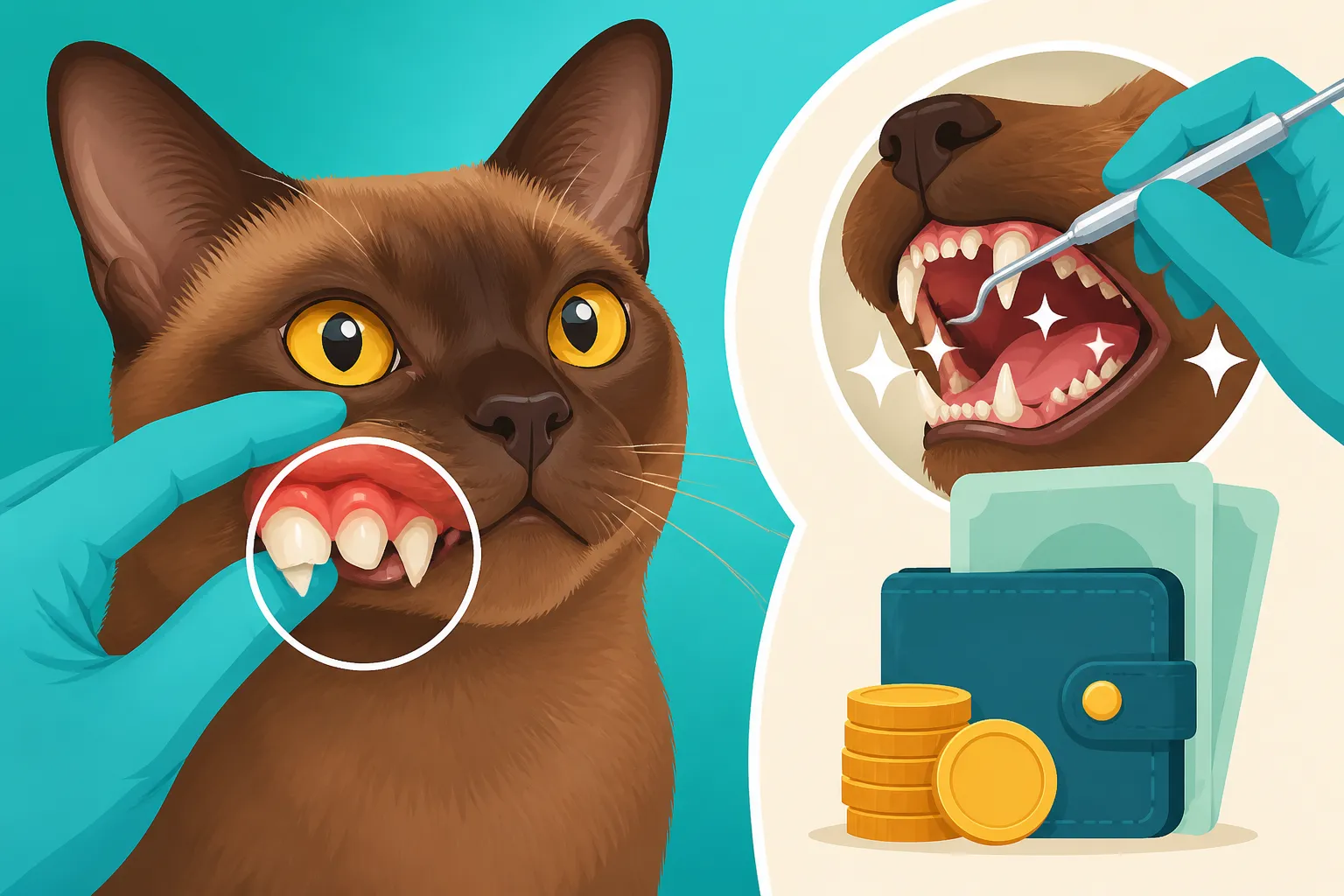
When gingivitis isn't addressed, it eventually progresses to periodontitis. This is where the real damage begins. The bacteria under the gum line start to attack the supporting structures of the teeth – the periodontal ligament and the bone. As the infection takes hold and inflammation deepens, the gums literally start to pull away from the teeth, creating pockets where even more bacteria can flourish. This is what we see as receding gums. These pockets aren't just unsightly; they're an open invitation for deeper infection, severe pain, and eventually, tooth loss.
The process is often silent and slow, meaning you might not even realize how much discomfort your Burmese is in until the disease is quite advanced. They're masters at hiding pain, as any cat owner knows, so a regular dental check-up is paramount. How Gum Disease Progresses in a Burmese involves several stages, from mild gingivitis to advanced periodontitis, each requiring more intensive and costly intervention. By the time gums are visibly receding, the disease is already quite severe and requires professional help, not just at-home care.
The Veterinary Dental Cleaning Process
Once your vet identifies receding gums, a professional dental cleaning under anesthesia is almost certainly recommended. This isn't just a quick scrape and polish; it's a comprehensive medical procedure designed to thoroughly clean the teeth, address infection, and preserve as much oral health as possible. Understanding each step can help you appreciate the scope of the service and why the costs can add up.
Pre-Anesthetic Work-Up and Anesthesia
Before any dental procedure, your Burmese will need a thorough pre-anesthetic work-up. This typically includes blood tests to assess organ function (especially liver and kidneys), ensuring they can safely metabolize the anesthetic drugs. Your vet might also recommend an ECG or chest X-rays, particularly for older cats or those with known health concerns. This comprehensive screening is vital for minimizing risks associated with anesthesia, which is always a concern for any pet owner. It’s an essential part of responsible veterinary care and contributes significantly to the overall bill, but it’s absolutely non-negotiable for your cat's safety.
Administering anesthesia itself requires skilled veterinary staff, specialized equipment for monitoring vital signs (like heart rate, breathing, blood pressure, and oxygen saturation), and anesthetic drugs. Your cat will likely have an IV catheter placed for fluids, which helps maintain blood pressure during the procedure and provides a route for emergency medications if needed. The cost of anesthesia varies based on the type used, the length of the procedure, and the level of monitoring provided. It's not just "putting them to sleep"; it's a carefully managed medical process that ensures their well-being throughout.
Comprehensive Cleaning, X-Rays, and Extractions
Once under anesthesia, the real work begins. The veterinary team will perform a full oral examination, often probing around each tooth to measure pocket depth and assess gum health. Dental X-rays are crucial here, as they allow the vet to see what's happening below the gum line – where most of the significant periodontal disease often lurks. Without X-rays, damage to tooth roots or bone loss would be missed, leading to ongoing pain and problems. These X-rays are often compared to your own trip to the dentist for digital scans.
The cleaning itself involves scaling the teeth, both above and below the gum line, to remove all plaque and tartar. This is typically done with ultrasonic scalers, similar to what human dentists use. Each tooth is then polished to create a smooth surface that's harder for plaque to adhere to in the future. If significant receding gums or bone loss is found, some teeth may be deemed unsalvageable and require extraction. Extractions are more complex than simply pulling a tooth; they often involve surgical techniques, sutures, and sometimes even bone grafting material to promote healing. The number and difficulty of extractions are major drivers of the final cost. It's a precise and often lengthy process that requires considerable skill and specialized tools.
Post-Operative Care and Medication
After the cleaning and any necessary extractions, your Burmese will be carefully monitored as they recover from anesthesia. They'll need pain medication to manage any discomfort, especially if extractions were performed. Antibiotics might also be prescribed if there was a significant infection. Your vet will provide detailed instructions for at-home post-operative care, which could include feeding soft food for a period, monitoring for swelling or bleeding, and continuing medication.
Follow-up appointments are also common to ensure proper healing and to discuss a long-term dental care plan. This often includes advice on at-home brushing (if your Burmese will tolerate it – and many, with patience, can be trained!), dental diets, or dental rinses. This post-op phase is just as important as the procedure itself for ensuring a smooth recovery and setting your Burmese up for better oral health moving forward. The cost of these medications and follow-up visits will be an additional line item on your bill, but they are crucial for preventing complications.
Factors Influencing the Cost of Dental Care
The cost of professionally cleaning a Burmese's receding gums can vary widely, making it difficult to give a single, definitive number. It’s like asking how much a car repair costs – it depends entirely on the problem and the car! Several key factors play a significant role in determining your final bill.
Geographic Location and Clinic Type
Just like human healthcare, veterinary costs are heavily influenced by where you live. A dental procedure in a bustling city like New York or Los Angeles will almost certainly be more expensive than the same procedure in a rural area. The cost of living, overhead for the clinic, and local competition all contribute to these regional price differences. Larger, specialty veterinary hospitals might also charge more than a small, local practice due to their advanced equipment, specialized staff, and higher operating costs.
It’s always a good idea to call around to different clinics in your area and ask for an estimate for a "routine dental cleaning with potential extractions" to get a baseline idea. Be prepared for a range, because until your cat is examined under anesthesia, the full extent of the problem often can't be known. Don't be shy about asking for an itemized estimate so you can understand what each component contributes to the total.
Severity of Gum Disease and Number of Extractions
This is arguably the biggest variable. If your Burmese has early-stage gingivitis with minimal tartar and no extractions needed, the cost will be on the lower end of the spectrum for a dental cleaning. However, if the gum disease has progressed to severe periodontitis with significant bone loss and multiple teeth needing to be extracted due to severe receding gums, the bill will skyrocket. Why a Burmese Loses Teeth in Its Teens is often a direct result of untreated or advanced gum disease, and those extractions add considerably to the cost.
Each extraction requires additional time under anesthesia, more specialized tools, surgical skill, and often, post-operative pain management. A simple extraction might take minutes, while a multi-rooted tooth with severe bone loss could take much longer and require more complex techniques. Think of it this way: a simple cleaning is like taking your car for a wash and vacuum, while extractions and advanced periodontal work are like replacing a transmission – vastly different labor and part costs.
Diagnostic Tests and Medications
As mentioned earlier, pre-anesthetic blood work, X-rays, and post-operative medications all add to the total cost. Comprehensive blood panels can vary in price depending on the number of parameters tested. Full-mouth dental X-rays are standard practice now, but the equipment and expertise to interpret them come at a cost. If your cat needs specialized antibiotics for a severe infection or more potent pain relievers, these also contribute to the final amount.
Furthermore, if your Burmese has other underlying health conditions, such as diabetes (which many Burmese are prone to, and which can complicate dental issues), managing those during the procedure can require additional monitoring or specialized care, driving up the cost. For example, a diabetic Burmese might need careful glucose monitoring before, during, and after anesthesia. What Diabetes Costs a Burmese Owner a Year includes not just insulin, but also the more complicated nature of any other medical procedure.
Table of Typical Dental Procedure Components and Cost Factors
Here's a breakdown of common items you might see on a veterinary dental bill, and how they influence the overall cost:
| Component | Description | Cost Impact (Relative) |
|---|---|---|
| Initial Exam/Consultation | Basic check-up to assess oral health and discuss treatment plan. | Low |
| Pre-Anesthetic Bloodwork | Essential tests to ensure safe anesthesia (organ function, cell counts). | Medium |
| IV Catheter & Fluids | For medication administration and hydration during anesthesia. | Medium |
| Anesthesia & Monitoring | Drugs, equipment, and skilled staff for safe unconsciousness and vital sign tracking. | High |
| Dental X-rays (Full Mouth) | Crucial for assessing root and bone health beneath the gum line. | Medium |
| Scaling & Polishing | Removal of plaque and tartar, then smoothing tooth surfaces. | Medium |
| Tooth Extractions | Surgical removal of unhealthy teeth (varies by number and complexity). | High (can be very high) |
| Oral Surgery (e.g., gum flaps) | For advanced periodontal disease, to access deep pockets for cleaning. | High |
| Pain Medication (Injectable) | Administered during and immediately after the procedure. | Low |
| Take-Home Medications | Oral pain relievers, antibiotics for post-op care. | Low-Medium |
| Recovery & Hospitalization | Time spent recovering from anesthesia in clinic. | Low |
| Follow-up Visit | To check healing and discuss long-term care. | Low |
Managing and Mitigating Dental Costs
While the costs of treating receding gums can be significant, there are strategies you can employ to manage these expenses and, more importantly, to help prevent severe dental disease in the first place.
The Power of Prevention: At-Home Dental Care
The single best way to mitigate the cost of advanced dental procedures is to invest in consistent preventive care at home. This means brushing your Burmese's teeth regularly. Yes, it sounds daunting, but with patience and positive reinforcement, many cats can be trained to tolerate it. Starting early, perhaps when your Burmese is a kitten, makes it much easier. You might want to refer to Introducing a Toothbrush to a Burmese at Twelve Weeks for tips on how to start. Choose a feline-specific toothbrush – sometimes a finger brush or a small, soft brush designed for children works well, especially for their compact mouths. Which Brush Head Fits a Burmese's Short Muzzle can make a real difference in effectiveness.
Beyond brushing, there are dental treats, water additives, and dental diets that can help reduce plaque and tartar buildup. While these aren't a substitute for brushing, they can be a helpful adjunct. Regularly checking your cat's mouth yourself, even if it's just a quick peek, can help you catch early signs of gingivitis before it progresses. Why a Burmese's Gums Need Checking Monthly is not an exaggeration – early detection saves pain and money. Remember, prevention is not just about saving money; it's about sparing your beloved cat from pain and serious health complications. Many of these products, from toothbrushes to dental chews and specialized dental foods, can be found readily on sites like Chewy, offering convenience and often competitive pricing.
Pet Insurance and Wellness Plans
Pet insurance can be a lifesaver when unexpected veterinary bills arise, including costly dental procedures. However, it's crucial to understand your policy. Many pet insurance plans cover dental illnesses and accidents (like a broken tooth), but routine dental cleanings (prophylaxis) might only be covered if you opt for a specific wellness plan add-on. More importantly, pre-existing conditions are almost always excluded. If your Burmese already has receding gums or diagnosed periodontal disease before you get insurance, those specific issues likely won't be covered.
Research different providers like Healthy Paws and their various plans. Look for policies that offer good coverage for dental diseases, and consider whether a wellness add-on makes sense for your budget if you want help with routine cleanings. Whether a Dental Plan Pays for Itself on a Burmese is a question that requires careful calculation based on your cat's age, health, and the specific plan's benefits. Getting insurance before any dental problems manifest is key. It’s a gamble, but one that can pay off immensely if serious issues arise.
Dietary Considerations for Oral Health
The food you feed your Burmese can also play a role in their oral health, though it's not a magic bullet. While some "dental diets" are specifically formulated with larger kibble shapes or special fibers to provide a gentle abrasive action, wet food generally helps keep teeth cleaner than dry kibble, as it doesn't leave as much residue behind to form plaque. However, the most important factor is often the quality of the food and its nutritional balance.
A diet rich in high-quality protein and low in unnecessary carbohydrates can support overall health, including gum health. While there aren't specific foods that cure receding gums, good nutrition helps maintain a strong immune system and healthy tissues, which can slow the progression of periodontal disease. You might consider fresh food options, which some owners find beneficial. Always discuss dietary changes with your vet, especially if your Burmese has other health concerns.
Regular Vet Check-ups and Early Intervention
Even with the best at-home care, regular veterinary check-ups are non-negotiable for identifying dental problems early. Your vet can spot subtle signs of gingivitis or early gum recession that you might miss. They can also recommend when a professional cleaning is warranted, even if no major issues are obvious. The earlier dental disease is caught, the less invasive and less costly the treatment will be.
Don't wait until your Burmese is showing obvious signs of pain, bad breath so severe it clears a room, or visibly receding gums. By that point, the disease is likely advanced. Incorporate dental checks into your Burmese's annual wellness exams. For some cats, especially those prone to dental issues, more frequent oral exams might be recommended. This proactive approach is the most effective way to protect your Burmese's oral health and your wallet from those high bills associated with advanced procedures. How Often a Burmese Needs a Dental is a conversation best had with your trusted veterinarian.
Disclaimer
This article is for general informational purposes only and does not constitute professional advice. Laws, prices and regulations vary by location and change over time. Consult a qualified professional for guidance on your specific situation.