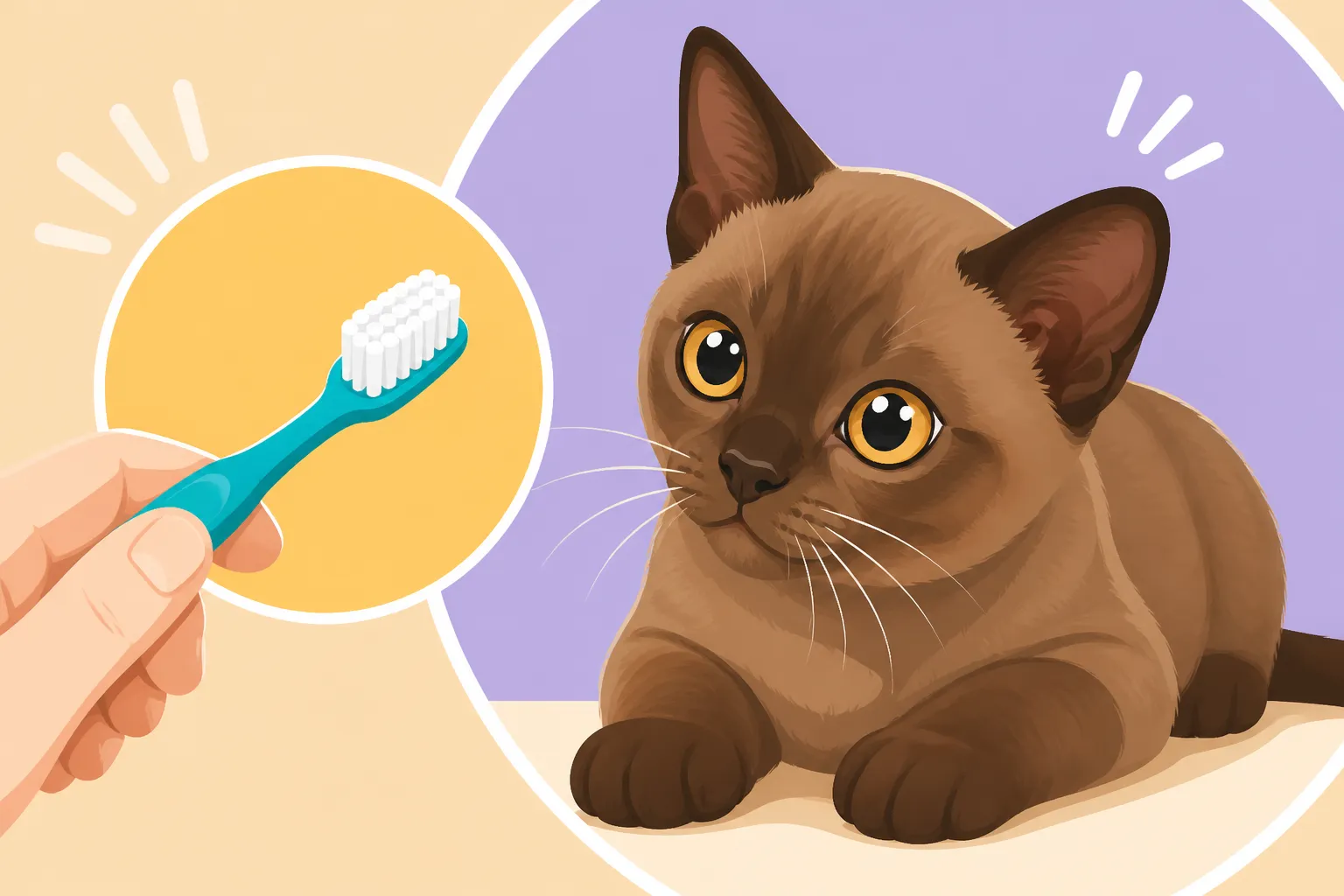
Introducing a Toothbrush to a Burmese at Twelve Weeks
One of the biggest silent battles we face as cat parents is dental health. It’s easy to overlook what’s going on inside our feline friends' mouths until a problem becomes glaringly obvious and often painful. For Burmese cat owners, this proactive approach to oral hygiene is even more critical, given their breed's particular predispositions. This guide is all about setting your adorable twelve-week-old Burmese kitten up for a lifetime of healthy smiles by gently introducing them to a toothbrush right from the start.
Why Starting Early with Your Burmese Kitten's Dental Care Is Non-Negotiable
Let's be real: trying to brush an adult cat's teeth for the first time is usually met with the kind of resistance normally reserved for bath time. It's a full-body experience for everyone involved, often ending in scratches and frustration. But when you have a Burmese, starting early isn't just about avoiding a wrestling match later; it's about safeguarding their health against common breed-specific vulnerabilities.
The Burmese Predisposition to Dental Woes
Burmese cats, for all their charming qualities, are unfortunately more prone to certain dental issues than many other breeds. We're talking about things like periodontal disease, gingivitis, and even tooth resorption, which can lead to significant pain and tooth loss. Imagine your sweet, affectionate Burmese struggling to eat or experiencing chronic discomfort – it's heartbreaking to think about. That's why prevention is truly the best medicine here. Waiting until they're older and already showing signs of trouble means you're playing catch-up, and that's a much harder game to win. By establishing a routine when they're kittens, you're building a buffer against these potential problems. You can learn more about these specific issues in articles like Why a Burmese's Gums Recede Early and How Gum Disease Progresses in a Burmese.
When dental disease takes hold, it’s not just about bad breath or wobbly teeth. Oral infections can spread to other organs, impacting heart, kidney, and liver health, leading to much more serious systemic issues down the line. A tiny kitten with a full set of pristine baby teeth might seem far removed from these adult struggles, but those early habits lay the groundwork. You're not just brushing teeth; you're investing in their entire well-being. It might feel like a chore at first, but trust me, preventing a major dental procedure for your beloved companion is worth every moment of effort.
Building a Foundation for Lifelong Health
Think of kittenhood as the ultimate blank slate for learning. Everything is new, and they are incredibly adaptable. While they might still be finding their feet (and their purr!), this is precisely the time to introduce experiences that you want to be normal parts of their life. Dental care is right at the top of that list. If they grow up associating a toothbrush with comfort, positive attention, and maybe a tasty treat, it becomes part of their accepted routine. It's not a scary, foreign object wielded by a giant human, but rather just another part of their day, like mealtime or cuddle time.
This early training isn't just about their teeth, either. It teaches them to be comfortable with mouth handling, which is invaluable for future vet visits. Imagine how much easier it will be for your veterinarian to perform a thorough oral exam if your Burmese is accustomed to having its mouth gently manipulated. This early exposure also helps desensitize them to new textures and sensations, making them more resilient and less stressed by novel situations. It's a holistic approach to their health and happiness.
Leveraging Their Affectionate Nature for Training
The Burmese cat is renowned for its incredibly affectionate and people-oriented personality. They are often described as "Velcro cats" because they want to be right there with you, participating in whatever you're doing. This isn't just a cute quirk; it's a massive advantage when it comes to training, especially for something as intimate as dental care. Your Burmese kitten craves your attention and connection, and you can absolutely use this to your benefit.
Unlike more aloof breeds, a Burmese is often more willing to tolerate handling and even participate in activities if it means spending time with their favorite human. This makes them highly trainable, not just for tricks, but for essential care routines too. You'll find that their desire to be close to you, to purr into your hand, and to rub against your face can be gently redirected into cooperative dental sessions. It's about making the toothbrushing experience an extension of your bond, rather than a battle of wills. This willingness to engage is why they excel at learning things like how to Teaching a Burmese to Sit Still for a Glucose Check – a testament to their desire to please and be with you.
Gathering Your Arsenal: Essential Tools for Burmese Kitten Toothbrushing Success
Before you even think about putting anything near your kitten's mouth, you need to make sure you have the right tools. Using human toothpaste or an inappropriately sized brush can be ineffective at best and harmful at worst. Investing in quality, cat-specific dental products is a small upfront cost that pays dividends in your Burmese's long-term health and your peace of mind.
Choosing the Right Brush for Tiny Mouths
When it comes to brushing your twelve-week-old Burmese kitten's teeth, size absolutely matters. Their mouths are tiny, and adult cat toothbrushes can be far too large and intimidating. You have a few options, and it's often a good idea to start with the most gentle, non-threatening choice and gradually introduce something more substantial.
- Finger Brushes: These are soft silicone thimbles that slip over your finger, with small nubs or bristles. They allow you to feel exactly what you're doing and offer a very gentle introduction. The direct contact with your finger can be comforting for your kitten. They're a fantastic starting point for kittens who are still getting used to the idea of something in their mouth. Many people find these invaluable for the initial training phases.
- Kitten Toothbrushes: These are specifically designed with very small brush heads and soft bristles, often with a handle that's easy for you to grip. They resemble tiny human toothbrushes. Once your kitten is comfortable with the finger brush, graduating to a proper kitten toothbrush will allow for more effective cleaning, as the bristles can reach into crevices better.
- Gauge the Fit: The most important thing is that the brush head fits comfortably into their mouth without forcing it or causing discomfort. You want to be able to maneuver it around their teeth and gums with ease. You can often find a good selection of these small brushes on popular pet supply sites like Chewy or Amazon, making it easy to compare options and read reviews from other cat owners.
Selecting a Safe and Palatable Cat Toothpaste
This is perhaps the most crucial item in your dental kit. Never, ever use human toothpaste on your cat. Human toothpaste contains fluoride, which is toxic to cats if ingested, and they will swallow it. Cat toothpaste is specially formulated to be safe for ingestion and often comes in flavors cats find appealing, like poultry, seafood, or malt.
- Enzymatic Toothpaste: Look for an enzymatic toothpaste. These formulations contain enzymes that help break down plaque and tartar even without vigorous brushing. This is a huge benefit, especially during the early stages when your kitten might only tolerate light brushing. The enzymes continue to work after you've finished, providing ongoing dental benefits. Many veterinary-approved brands offer these, and they are widely available.
- Flavor is Key: Experiment with a couple of different flavors if your kitten is particular. What one cat loves, another might turn its nose up at. The goal is to make the experience as pleasant as possible, and a tasty paste can go a long way in achieving that. You might even find a brand on Amazon that offers a multi-pack of different flavors to try out.
- Consistency: The texture should be smooth, not gritty, to avoid irritation. Remember, the paste itself is a motivator, so let them lick a little off your finger before you even think about brushing.
Other Helpful Accessories to Consider
While not strictly necessary for the act of brushing itself, a few other items can make the process smoother and more successful.
- High-Value Treats: Keep a supply of your kitten's absolute favorite, tiny treats on hand. These will be your primary reward system. Think small, delicious morsels that they don't get often, making them truly special. The instant gratification helps them associate the brushing experience with something wonderful.
- A Quiet, Comfortable Spot: Choose a consistent location for your brushing sessions. A quiet corner of a room, perhaps on your lap or a soft blanket, can help your kitten feel secure and relaxed. Avoid noisy, chaotic environments that might distract or startle them.
- A Soft Cloth or Chamois: For Burmese specifically, a soft chamois can be used to gently wipe their satin-like coat. While not for dental care, it ties into general grooming and handling, helping to build their comfort with being touched. A quick wipe down before or after brushing can make the entire grooming session feel more cohesive and enjoyable. Their short, sleek coats don't require much, as detailed in How Many Minutes a Month a Burmese's Coat Takes, but these moments of gentle attention build trust.
The Gentle Art of Introducing the Toothbrush to Your Twelve-Week-Old Burmese
Okay, you've got your tools, you're mentally prepared, and your twelve-week-old Burmese kitten is probably purring on your lap, oblivious to its imminent dental spa. The key here is patience, positivity, and taking it slow. Remember, this is a marathon, not a sprint. We're building a habit, one tiny, gentle step at a time.
Phase One: Familiarization and Gentle Touch
Before any brushes or paste come out, we need to get your kitten comfortable with you touching their mouth. This is the foundation.
- Start with Cuddles: Begin when your kitten is relaxed and cuddly, perhaps after a nap or a play session that has left them sleepy. Stroke their head and cheeks, praising them softly.
- Gentle Face Rubs: Gradually, and very gently, extend your fingers to lightly massage around their muzzle and lips. Do this for just a few seconds at a time. The moment they show any sign of discomfort or pull away, stop. Always end on a positive note.
- Lifting the Lip: Once they're okay with muzzle rubs, try gently lifting their upper lip for a split second to expose their tiny teeth. Again, keep it brief, praise them, and offer a treat immediately. You're aiming for acceptance, not perfection. Repeat these sessions several times a day, keeping them very short and always positive.
It's all about positive association. Every time your fingers get near their mouth, something good happens – pets, praise, or a delicious treat. This desensitization process is crucial, as it lays the groundwork for all subsequent steps. Your Burmese already loves being handled, but handling specifically around the mouth needs to be introduced with care to ensure it remains a pleasant experience.
Phase Two: The Tasty Toothpaste Introduction
Now that your kitten is okay with gentle mouth handling, it's time to introduce the star of the show: the cat-specific toothpaste.
- A Dab on Your Finger: Squeeze a tiny dab of enzymatic cat toothpaste onto your fingertip. Let your kitten sniff it. Their curiosity will likely lead them to lick it. This is a huge win!
- Let Them Taste: Allow them to taste a small amount off your finger. If they seem to enjoy the flavor (and most cats do, especially the poultry varieties), offer a little more. This helps them associate the taste with something pleasant.
- A Gentle Swipe: Once they're happily tasting it, try to gently rub a tiny amount of paste onto one or two of their canine teeth or molars using your finger. Don't worry about brushing yet; you're just getting the paste onto the teeth and gums. Again, keep it super brief – just a second or two – then praise and reward.
The goal here is to make the toothpaste something they look forward to. Many kittens will even start to come running when they see the tube because they associate it with a tasty treat. This makes the next steps much, much easier. Remember, Why a Burmese's Food Bill Is a Health Decision, and that also extends to tasty dental products!
Phase Three: Graduating to the Finger Brush
Once your kitten is consistently happy with having the toothpaste rubbed on their teeth with your finger, it's time to introduce the finger brush.
- Paste on the Brush: Put a small amount of toothpaste on the finger brush. Let your kitten lick it off the brush first, just as they did with your finger. This familiarizes them with the new texture.
- Gentle Brushing Motion: With the finger brush on your finger, gently lift your kitten's lip and try to brush one or two teeth using small, circular motions. Focus on the outside surfaces of their upper and lower teeth, particularly where the tooth meets the gum line. This is where plaque tends to accumulate.
- Short Sessions, High Rewards: These sessions should still be very short, perhaps 5-10 seconds total of actual brushing. Immediately follow with praise and their high-value treat. Over time, you can gradually increase the number of teeth you brush and the duration of each session.
The finger brush provides a soft, non-intrusive way to transition from your bare finger to a brushing tool. It allows you to maintain direct control and feel how your kitten is reacting. If they resist, go back a step or simply let them lick the paste off the brush without brushing. The key is never to force it.
Phase Four: The First Gentle Toothbrushing Session
When your Burmese kitten is completely comfortable with the finger brush, you can introduce the kitten-specific toothbrush.
- Familiarity First: Just like with the finger brush, start by letting your kitten lick the toothpaste off the new toothbrush. Let them get used to the feel and shape of it.
- Targeted Brushing: Once they've accepted the taste and feel, gently lift their lip and use the small-headed toothbrush to brush a few teeth. Again, focus on the gum line, using soft, circular motions. Aim for the outer surfaces, as these are most accessible and tend to collect the most plaque. Don't worry too much about the inner surfaces initially; the enzymes in the toothpaste will help, and many cats never fully tolerate inner-surface brushing.
- Gradual Increase: Slowly, over days and weeks, aim to increase the number of teeth you brush and the duration of the session. Your ultimate goal is to brush most of their accessible teeth for about 30 seconds to a minute on each side, ideally daily or at least several times a week.
Remember to celebrate every small victory. If you only manage a few teeth today, that's still progress! Your Burmese kitten will pick up on your calm demeanor and positive reinforcement. Make it a bonding experience, not a chore, and you’ll be well on your way to success.
| Training Phase | Duration (Approx.) | Primary Tool | Goal | Reward Focus |
|---|---|---|---|---|
| 1. Gentle Mouth Familiarization | 3-5 days (multiple daily) | Your Finger | Kitten accepts touch around muzzle/lips | Praise & Gentle Pets |
| 2. Toothpaste Introduction | 3-5 days | Your Finger + Paste | Kitten licks and enjoys cat toothpaste | Tasty Paste & Treats |
| 3. Finger Brush Transition | 5-7 days | Finger Brush + Paste | Kitten tolerates finger brush on a few teeth | Treats & Praise |
| 4. Kitten Toothbrush | Ongoing | Kitten Toothbrush | Kitten accepts gentle brushing of most outer teeth for ~1 min | Treats & Play |
Making Brushing a Lifelong Habit for Your Burmese: Consistency and Patience
Establishing a routine with your twelve-week-old Burmese kitten is the groundwork, but maintaining it throughout their life requires consistency and understanding. Life happens, and there might be days you miss a session, but getting back on track is always the goal.
Troubleshooting Common Resistance Points
Even with the best start, some days your Burmese might just not be in the mood. It happens! Don't get discouraged.
- Paws on the Brush: If your kitten bats at the brush or tries to grab it, redirect their attention gently. A quick head scratch or a gentle re-positioning can work. Sometimes, having a second person distract them with a wand toy can help for a quick brush.
- Head Shaking/Pulling Away: If they shake their head or try to pull away, it means you've gone too far, too fast, or perhaps for too long. Immediately stop, praise them, and give a treat. Next time, shorten the session even more and be even gentler. You might need to go back to an earlier phase for a day or two. Remember, never force it, or you risk creating a negative association.
- Refusing Toothpaste: If they suddenly turn their nose up at the toothpaste, try a different flavor. Just like us, their preferences can change. There are many brands out there; Chewy, for instance, offers a wide array of cat dental products, so you have options.
- Time of Day: Experiment with the time of day. Some cats are more cooperative first thing in the morning, others in the evening when they're winding down. Find what works best for your individual Burmese's rhythm. You want to avoid any associations with anxiety, so if they're particularly stressed, consider waiting.
The Reward System: Positive Reinforcement is Key
For a Burmese, positive reinforcement is incredibly powerful because they thrive on interaction and affection. Every single brushing session, no matter how short, should end on a positive note.
- High-Value Treats: As mentioned, those special treats are paramount. Make sure they are small enough to be eaten quickly without prolonging the "ordeal."
- Praise and Petting: Lavish your Burmese with verbal praise and gentle petting immediately after the brushing. Let them know they are a "good kitty" and reinforce that this is a positive experience. Their need for attention is strong, so use it!
- Playtime: Sometimes, a quick play session with their favorite toy can be a fantastic reward, especially for an energetic kitten. Chase a wand toy for a minute or two, cementing the idea that brushing leads to fun.
- Consistency with Rewards: Be consistent. Every time you attempt brushing, have a treat ready. This predictable positive outcome builds trust and encourages cooperation. Think about how easy it is to teach your Burmese tricks if food is involved – their desire for a reward is a powerful motivator. You can read more about this in Why Food Motivates a Burmese Too Well.
Long-Term Benefits Beyond Just Clean Teeth
The dedication you put into brushing your Burmese kitten's teeth now will yield incredible benefits that extend far beyond preventing bad breath and gum disease.
- Reduced Vet Bills: Proactive dental care significantly reduces the likelihood of needing expensive professional dental cleanings under anesthesia, which often come with extractions if problems are severe. Anesthesia carries risks, and avoiding it when possible is always a win for your cat's health and your wallet.
- Improved Overall Health: A healthy mouth contributes to a healthy body. Preventing oral infections means less strain on their vital organs and a better quality of life. You're not just taking care of their teeth; you're taking care of their entire system.
- Enhanced Bond: Believe it or not, successful dental care can actually deepen your bond. It's a testament to the trust your Burmese places in you, and it reinforces that you are a source of comfort and care. These moments of close, gentle handling strengthen your connection.
- Early Detection: Being intimately familiar with your Burmese's mouth means you're more likely to spot any potential problems early, like a sore gum, a broken tooth, or an unusual lesion. Early detection often means easier and more effective treatment. This level of regular, gentle examination you provide will be invaluable over their lifetime.
Brushing a Burmese's teeth from twelve weeks old might seem like a daunting task, but with the right approach, patience, and a whole lot of love, it becomes a cherished routine that ensures your magnificent companion lives a long, healthy, and happy life, full of purrs and healthy smiles.
Disclaimer
This article is for general informational purposes only and does not constitute professional advice. Laws, prices and regulations vary by location and change over time. Consult a qualified professional for guidance on your specific situation.