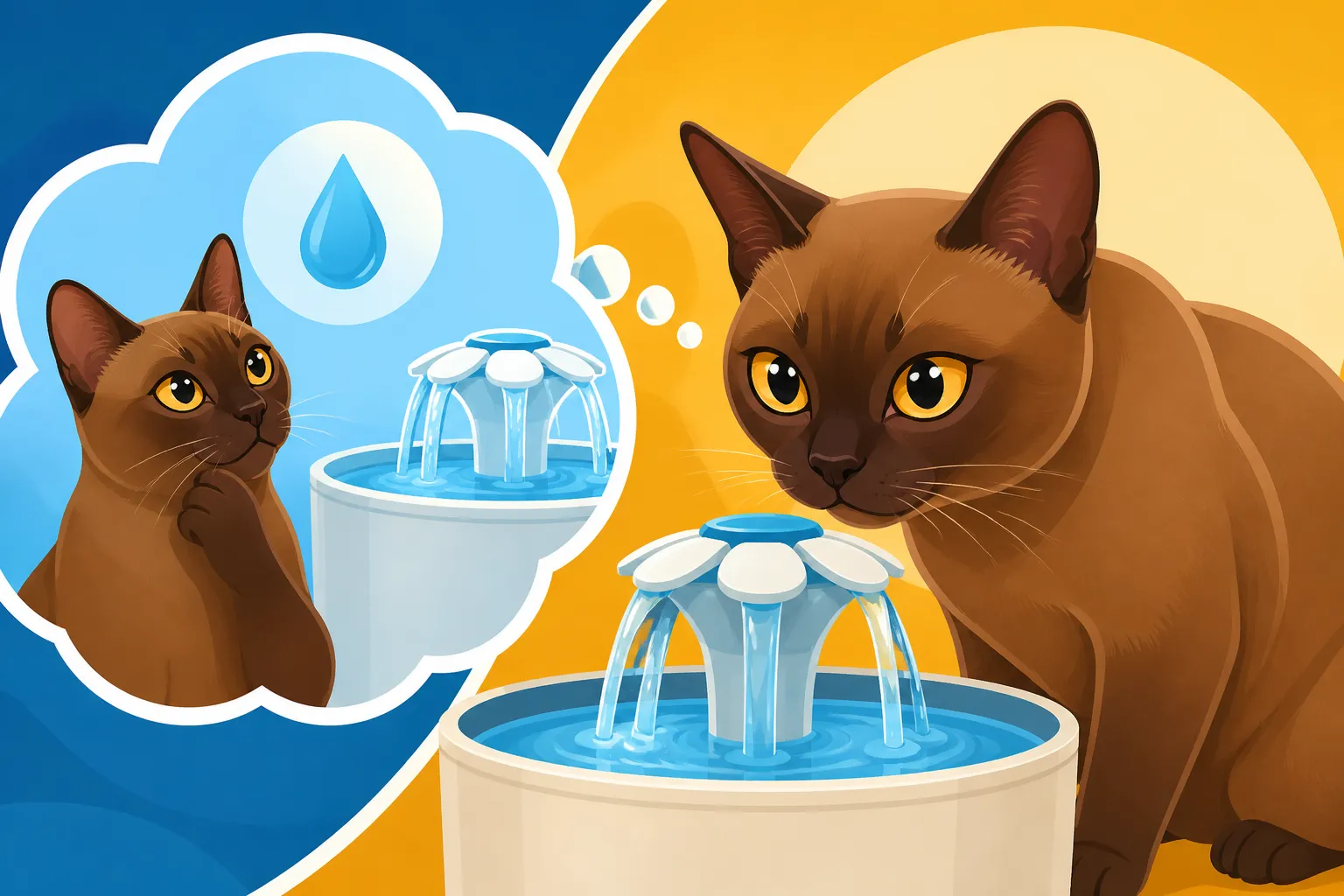
Whether a Fountain Gets a Burmese Drinking Enough
It's a common worry among cat parents, isn't it? You watch your beloved furball, especially your active, playful Burmese, barely seem to touch their water bowl, and a little knot of anxiety starts to form in your stomach. We know how vital hydration is for their health, but getting a cat to drink can feel like an Olympic sport. This guide is here to unravel that mystery, specifically for Burmese owners, exploring whether a water fountain truly makes a difference in encouraging adequate water intake and sharing other practical strategies to keep your precious companion properly hydrated.
The Critical Importance of Hydration for Your Beloved Burmese
Let's be real, cats are notoriously bad drinkers. It's not their fault; it's a holdover from their desert-dwelling ancestors. They evolved to get most of their hydration from their prey, which is, let's just say, quite a bit wetter than the dry kibble many of us feed our modern housecats. For a breed like the Burmese, with their specific predispositions, ensuring they drink enough isn't just a good idea – it's a fundamental part of their preventative healthcare.
The Hidden Dangers of Dehydration in Cats
When a cat doesn't drink enough, their kidneys have to work overtime to concentrate urine. Over time, this can lead to a host of problems, some of which are sadly all too common in our feline friends. Think about it: perpetually concentrated urine can contribute to the formation of urinary crystals and stones, which are not only incredibly painful but can also lead to life-threatening blockages, especially in male cats. Beyond the immediate urinary tract, chronic low-level dehydration puts a significant strain on the kidneys, potentially accelerating the onset or progression of How Kidney Disease Arrives in an Old Burmese. It's a silent threat that can creep up on you, often showing very few obvious symptoms until the problem is quite advanced. That's why being proactive about hydration is so incredibly important for their long-term well-being.
Burmese and Their Unique Health Risks
Our gorgeous Burmese cats, with their stunning satin coats and vibrant personalities, are unfortunately more susceptible to certain health conditions where proper hydration plays an even more crucial role. One of the most significant concerns for the breed is their elevated risk of developing diabetes. This isn't just a casual observation; genetic studies have pointed to a predisposition in Burmese lines, particularly in certain regions. Dehydration can exacerbate symptoms of diabetes, and adequate water intake is vital for managing the condition if it does develop. In fact, a noticeable increase in thirst is one of the earliest and most common signs that your Burmese might be heading towards diabetes, making their water consumption a vital monitoring point. This is why Why a Burmese's Water Intake Is a Diabetes Warning should always prompt a quick call to your vet. Understanding How Diabetes Develops in a Burmese can really drive home just how proactive we need to be with their diet and hydration. Keeping them well-hydrated helps their bodies process waste more efficiently and supports overall metabolic function, which is critical for a breed already facing a genetic uphill battle against this metabolic disease.
Understanding Your Burmese's Drinking Preferences and Water Fountains
So, we know they need to drink. But how do we get them to do it? It's not always as simple as putting a bowl down. Cats are particular creatures, and their preferences, driven by instinct, can make or break your hydration efforts. This is where water fountains often enter the conversation, promising to tap into their innate love for moving water.
Why Some Cats Prefer Moving Water
Imagine living in the wild: stagnant water sources are often contaminated and unsafe, while flowing streams or puddles from recent rain are typically fresher and cleaner. This ancient instinct still whispers to our modern housecats. Many cats are simply more attracted to moving water because their brains perceive it as safer and fresher. The gentle gurgle, the shimmering surface, the continuous flow – it all signals "good water" to them. This is why you might find your Burmese batting at a dripping faucet or trying to drink from your shower after you've used it, completely ignoring the perfectly still water in their bowl. A water fountain mimics this natural source, offering a continuous flow that many cats find irresistible. It's not just about the novelty; it's about appealing to their deeply ingrained preferences. The constant circulation also helps oxygenate the water and can keep it cooler, making it more appealing than a bowl that might warm up and get stale over the course of a day.
Choosing the Right Water Fountain for Your Burmese
Stepping into the world of pet water fountains can feel a bit overwhelming, with so many options available. When choosing one for your Burmese, consider a few key things. First, material matters. Stainless steel fountains are fantastic because they're durable, easy to clean, and less likely to harbor bacteria than plastic. Ceramic options are also great for hygiene and can be quite heavy, making them harder for a curious Burmese to knock over. Plastic fountains are often more budget-friendly, but ensure it's made from food-grade plastic and clean it religiously to prevent biofilm buildup. You can find a wide variety of these materials and designs on sites like Chewy and Amazon, which often have user reviews that can be incredibly helpful for gauging real-world performance.
Next, think about the noise level. Some fountains can be quite noisy with their pumps, which might deter a sensitive cat. Look for models advertised as "quiet" or "low-noise." Cleaning is another huge factor. If a fountain is a pain to disassemble and scrub, you're less likely to do it regularly, defeating the purpose of providing fresh water. Opt for designs that are easy to take apart and are dishwasher safe if possible. Finally, consider the capacity and flow settings. Some cats prefer a gentle bubble, while others like a strong stream. Many fountains offer adjustable flow rates, allowing you to customize it to your Burmese's liking. Don't be afraid to try different styles; it might take a little trial and error to find the perfect fit for your individual cat.
Here's a quick comparison of common water sources for your Burmese:
| Water Source | Pros | Cons | Burmese Considerations |
|---|---|---|---|
| Still Water Bowl | Simple, inexpensive, easy to clean | Can quickly become stagnant, less appealing to some cats | Needs frequent refreshing (2-3x daily), multiple bowls help |
| Ceramic Fountain | Hygienic, heavy (stable), aesthetic, cool water | Can be heavy, may be more expensive, requires regular cleaning | Good for Burmese with sensitive skin, less prone to algae |
| Stainless Steel Fountain | Durable, very hygienic, easy to clean | Can be more expensive, some cats dislike reflective surface | Excellent for long-term use, resistant to bacteria |
| Plastic Fountain | Affordable, lightweight, wide variety of designs | Can scratch, harder to keep truly clean, potential for biofilm | Choose food-grade plastic, requires diligent daily cleaning |
| Wet Food | High moisture content, direct hydration | More expensive than kibble, requires portion control | Critical for diabetes prevention and management, see Why Wet Food Beats Kibble for a Burmese |
Beyond the Fountain: Other Strategies to Boost Burmese Hydration
While a water fountain can be a game-changer for many Burmese, it's not the only arrow in your quiver. Sometimes, even the most enticing stream isn't enough, or perhaps your cat simply isn't a fan. Thankfully, there are several other effective ways to ensure your companion stays well-hydrated, often complementing whatever drinking vessel you choose.
The Power of Wet Food in Your Burmese's Diet
If there's one single, most impactful change you can make to boost your Burmese's hydration, it's incorporating more (or all) wet food into their diet. Quality wet food is typically 70-80% water, which is a massive contribution to their daily fluid intake. Compare that to dry kibble, which is usually only about 10% water. This shift mimics their natural diet more closely and significantly reduces the strain on their kidneys. For a Burmese, this isn't just about hydration; it's a medical decision, especially given their predisposition to diabetes. A high-moisture, low-carbohydrate diet is crucial for both prevention and management. This is precisely Why Wet Food Beats Kibble for a Burmese, hands down.
When choosing wet food, look for options that are high in protein and very low in carbohydrates. Many commercial wet foods, including those you can find on platforms like Chewy, fit this bill. If you're exploring fresh food options, which can also be high in moisture and carefully balanced, various meal plans are available. Remember, Why Portion Control Is Medical Care in a Burmese even with wet food, as their insatiable appetites can lead to overfeeding. Be mindful of How Many Calories a Diabetes Prone Burmese Should Get and weigh their portions diligently. The goal isn't just hydration but also maintaining a healthy weight to mitigate health risks. Making the switch to wet food, even gradually, can have profound positive effects on their overall health and longevity.
Creative Ways to Encourage Water Consumption
Sometimes, a little creativity is all it takes to get your Burmese to drink more. One of the simplest methods is to offer multiple water stations around your home. Place bowls in different rooms, away from their food and litter boxes. Cats often don't like to drink where they eat or eliminate. Experiment with different types of bowls too – wide, shallow ceramic bowls can be preferable to deep, narrow ones, as some cats dislike their whiskers touching the sides.
Another trick is to "flavor" the water slightly. A tiny splash of tuna water (from tuna packed in water, unsalted), a bit of low-sodium chicken or beef broth (ensure it's onion- and garlic-free!), or even a few drops of salmon oil can make the water more appealing. Some owners even add ice cubes to water bowls, which can not only keep the water cool and fresh but also provide a fun distraction for playful Burmese who enjoy batting at them. Regularly cleaning all water dishes, whether bowls or fountains, is also non-negotiable. Stale water or a slimy film at the bottom of a bowl is a definite deterrent for any cat. Consider filtering your tap water if it has a strong chemical smell or taste, as cats are often more sensitive to this than we are.
Monitoring Your Burmese's Water Intake and Recognizing Warning Signs
You've set up the perfect water station, invested in a fabulous fountain, and loaded their plate with delicious wet food – now what? The next crucial step is monitoring. Even with all the right tools, staying vigilant about your Burmese's hydration levels is paramount, as subtle changes can be the first indication of a developing health issue.
Tracking Daily Water Consumption
While it might sound a little obsessive, getting a rough idea of how much your Burmese drinks each day can be incredibly helpful. It sets a baseline. A simple way to do this is to fill their bowl or fountain with a measured amount of water each morning and measure what's left the next day. This doesn't have to be perfectly precise, but consistently doing it can help you notice significant deviations. How to Measure a Burmese's Water Intake at home involves little more than a measuring cup and a bit of routine.
What you're really looking for are changes. Is your cat suddenly drinking a lot more? This could be a symptom of diabetes, kidney disease, or hyperthyroidism, all conditions that our senior Burmese cats can be prone to. Conversely, is your cat drinking noticeably less? This might indicate pain, nausea, or another illness. Consistency is key here; a sudden shift in habits should always raise a red flag. Remember, their body weight is a crucial indicator of overall health, and proper hydration supports that. Keep in mind What a Burmese Weighs at One on a Weighed Ration and aim to maintain that healthy weight throughout their life.
When to Be Concerned: Signs of Dehydration or Underlying Issues
Your Burmese is a master of disguise. These affectionate, people-oriented cats are famous for Why a Burmese Hides Illness Behind Its Affection, often purring and demanding cuddles even when they're feeling quite unwell. This makes it even more challenging to spot signs of dehydration or other health problems. Beyond increased or decreased water intake, look for other subtle clues.
One of the most concerning signs of dehydration is lethargy. While What an Old Burmese Still Wants to Play, even a senior Burmese should still have periods of activity and engagement. If your normally energetic cat seems unusually quiet, withdrawn, or unwilling to play, it's a definite cause for concern. A general loss of appetite, vomiting, or diarrhea can also quickly lead to dehydration. Check their gums – healthy gums are pink and moist; dehydrated gums might be tacky or pale. You can also gently pinch the skin on their back; if it's slow to snap back into place (known as "skin tenting"), it's a sign of significant dehydration.
Changes in urination are also critical. Are they urinating more frequently, or are their litter boxes filling up faster? This could point to diabetes. Are they straining to urinate, or is there very little urine in the box? This could signal a urinary blockage or kidney issue. Any of these signs, especially if paired with a change in water intake, warrant an immediate call to your veterinarian. Remember, Why a Burmese That Stops Following You Is Unwell – these social cats are usually glued to their people, so a change in their clingy behavior is often the first and best indicator that something is amiss. Staying on top of their health, especially as they get older, means recognizing these subtle shifts and acting quickly. Caring for a Burmese Past Twelve really highlights the need for vigilance in their senior years.
Disclaimer
This article is for general informational purposes only and does not constitute professional advice. Laws, prices and regulations vary by location and change over time. Consult a qualified professional for guidance on your specific situation.