Why Wet Food Beats Kibble for a Burmese
One of the most common dilemmas we face as devoted cat parents is figuring out the very best way to nourish our feline friends, especially for a breed as special as the Burmese. It's easy to grab a bag of kibble, thinking it's a complete meal, but for a Burmese, making that choice could inadvertently be setting them up for health challenges down the line. This guide will meticulously break down why wet food truly beats kibble as the superior dietary choice for your beloved Burmese, helping you provide them with the optimal nutrition they need to thrive.
The Unique Nutritional Needs of the Burmese
When we talk about feeding our Burmese, it's not just about filling a bowl. It's about understanding their biology, their specific breed predispositions, and how their diet directly impacts their long-term health and vitality. Our beautiful, affectionate Burmese have evolved as obligate carnivores, and their digestive systems are built for a very particular kind of sustenance.
Ancestral Diet and Carnivore Biology
Think about a cat in the wild, or even just what your Burmese would hunt if given the chance. They'd be looking for small prey like mice, birds, or insects. These aren't creatures made of grains or plant matter; they're primarily composed of muscle, organs, bone, and a significant amount of water. This is the diet cats, including our domestic Burmese, are biologically designed to consume. Their bodies require high levels of animal-based protein, moderate fat, and very few carbohydrates. Their digestive systems are short, acidic, and optimized for processing meat, not starches or plant fibers. They don't have the digestive enzymes to efficiently break down significant amounts of plant material, which means much of the carbohydrate load in kibble passes through undigested or, worse, puts a strain on their metabolic system. It's a fundamental mismatch between what their bodies need and what many commercial dry foods offer.
The Burmese's Predisposition to Diabetes
This is where the conversation becomes particularly critical for Burmese owners. Our sweet, charming Burmese cats are, heartbreakingly, prone to diabetes more than almost any other breed. It’s a genetic predisposition that makes diet an even more powerful tool in our hands. High-carbohydrate diets, which are almost universally the norm with kibble, can constantly spike a cat's blood sugar and put immense stress on their pancreas. Over time, this chronic overstimulation can lead to insulin resistance and eventually, full-blown diabetes. It's a devastating diagnosis, and one that, with careful dietary management, we can often work to prevent or manage if it does occur. Understanding Why a Burmese Is Four Times More Likely to Become Diabetic really highlights the gravity of this issue for our breed. Every meal becomes a medical decision, and choosing low-carb options is a proactive step in protecting their health. It’s not just about avoiding immediate illness; it’s about providing a foundation for a healthy life.
Hydration, Kidneys, and Urinary Health
Cats, by nature, are not big drinkers. Their wild ancestors got most of their moisture from their prey. A mouse, for example, is about 70-75% water, which is a significant part of a cat's daily fluid intake. Our domestic Burmese retain this low thirst drive. When they eat kibble, which typically contains only 5-10% moisture, they simply don't make up the difference by drinking more water from their bowl. This chronic, low-level dehydration can put immense strain on their kidneys over time and increase the risk of urinary tract issues like crystals, stones, and even painful blockages. The kidneys are vital organs, and supporting their function through adequate hydration is one of the kindest things we can do for our cats. While a water fountain can help encourage some cats to drink more, it rarely compensates for the dramatic difference in moisture content between wet and dry food. This makes feeding a high-moisture diet a cornerstone of preventative health for a Burmese.
Deconstructing Kibble: Why It Falls Short for the Burmese
Many of us grew up thinking kibble was the gold standard for cat food. It's convenient, cost-effective, and doesn't spoil quickly. But dig a little deeper into its composition and manufacturing, and you'll see why it's a fundamentally flawed food source for an obligate carnivore like the Burmese.
The Carbohydrate Conundrum
The very nature of how kibble is made necessitates a significant amount of carbohydrates. To create those crunchy little pieces, ingredients need to be extruded, a process that requires starches to bind everything together and give it shape. These starches come from grains like corn, wheat, rice, or potatoes, all of which are plant-based and high in carbohydrates. For a cat, whose diet should ideally contain less than 10% carbohydrates, most kibble far exceeds this, often hovering between 25-50% or even higher. Imagine if a human athlete, needing specific fuel for their body, was constantly fed food that contained far too much of one macronutrient and not enough of another. That's what we're doing to our Burmese. Their bodies are not equipped to handle such a high carbohydrate load, leading to blood sugar fluctuations, fat storage, and ultimately, the increased risk of conditions like diabetes. This is why understanding Which Carbohydrate Percentage a Burmese Should Stay Below is paramount. It’s a direct consequence of the manufacturing process, not necessarily a deliberate choice to make an unhealthy food, but unhealthy for cats it is.
Insufficient Moisture Content
As we touched upon earlier, kibble is incredibly dry. It's designed to be shelf-stable, and removing moisture is key to that longevity. But what's good for the pantry shelf isn't necessarily good for your cat's insides. When a Burmese consumes only dry food, they are constantly operating in a state of mild dehydration. Their bodies simply aren't programmed to drink enough water to compensate for the lack of moisture in their diet. This isn't just a minor inconvenience; it's a significant health concern. Chronic dehydration can strain the kidneys, making them work harder to filter waste products, potentially leading to long-term kidney disease. It also concentrates urine, increasing the risk of painful urinary crystals and bladder infections. For a breed already susceptible to various health issues, adding the stress of inadequate hydration through diet is a risk we can easily mitigate by simply switching to wet food.
Questionable Ingredient Quality and Fillers
Beyond the high carbohydrate content and low moisture, many kibble brands, particularly those on the lower end of the price spectrum, are packed with ingredients that offer little to no nutritional value for a cat. We're talking about cheap fillers like corn gluten meal, soy, and various plant proteins that serve to bulk up the food and provide a protein number on the label, but not the animal-derived protein a cat truly needs. These ingredients are often less digestible for cats and can contribute to digestive upset or allergies. Furthermore, some kibble can contain a host of artificial colors, flavors, and preservatives designed to make it appealing to us (or to make it last longer on the shelf), rather than benefiting our cats. While higher-quality kibble brands exist with better ingredients, they still contend with the fundamental issues of high carbs and low moisture. It's a frustrating reality when we’re trying our best to provide the absolute best for our beloved companions, only to find that even seemingly good options have inherent limitations.
The Wet Food Advantage: What Makes It Superior
Switching to wet food might seem like a small change, but for a Burmese, it can be a monumental step towards better health and a longer, happier life. The benefits align perfectly with their biological needs and help counteract many of the breed's predispositions.
High Moisture for Optimal Hydration
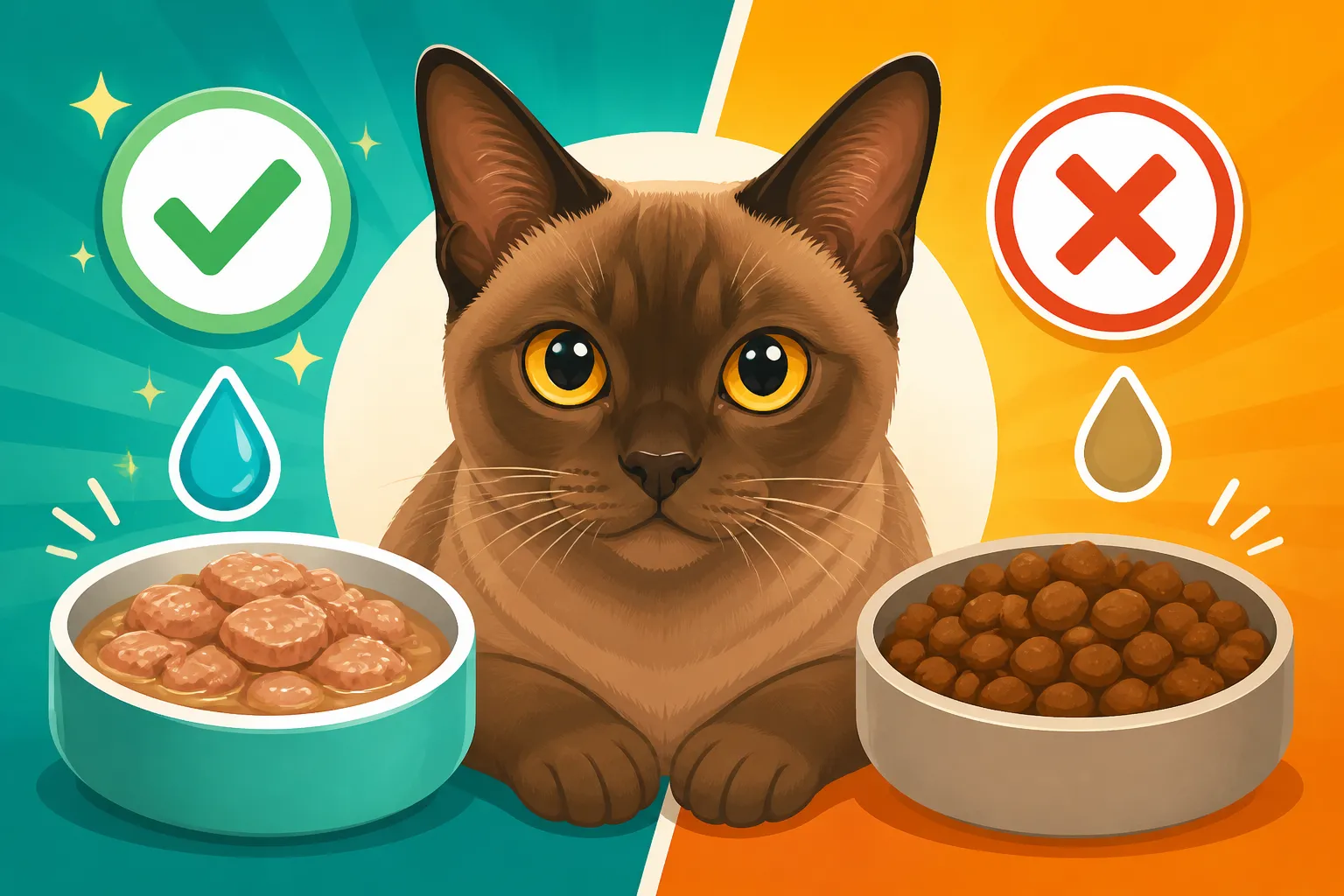
The most immediate and obvious benefit of wet food is its high moisture content, typically ranging from 70-85%. This closely mimics the water content found in a cat's natural prey. By feeding wet food, you're essentially ensuring your Burmese is properly hydrated with every meal, without having to rely on them to drink copious amounts of water from a bowl. This consistent hydration is crucial for supporting healthy kidney function, flushing out toxins, and maintaining a healthy urinary tract. Adequate hydration helps prevent the concentration of urine, thereby reducing the risk of painful urinary crystals and bladder issues that are all too common in cats. It’s a simple, elegant solution to a critical feline health challenge, providing them with the moisture their bodies instinctively expect and need.
Lower Carbohydrates, Higher Protein
Wet food, by its nature, doesn't require the same high levels of starches for processing as kibble. This means manufacturers can formulate wet diets with significantly lower carbohydrate levels and much higher animal-based protein. This composition is a far better match for the Burmese's obligate carnivore biology. High-quality wet foods typically boast protein levels over 40% (on a dry matter basis) and carbohydrate levels under 10%, often much lower. This protein-rich, low-carb profile helps maintain lean muscle mass, supports a healthy metabolism, and most importantly for our Burmese, helps stabilize blood sugar levels. This stability is absolutely vital in preventing and managing diabetes, making Why Low Carbohydrate Food Matters for a Burmese a core principle of their diet. By providing the nutrients their bodies are designed to process, wet food supports their natural energy levels and overall physiological health.
Better Weight Management and Satiety
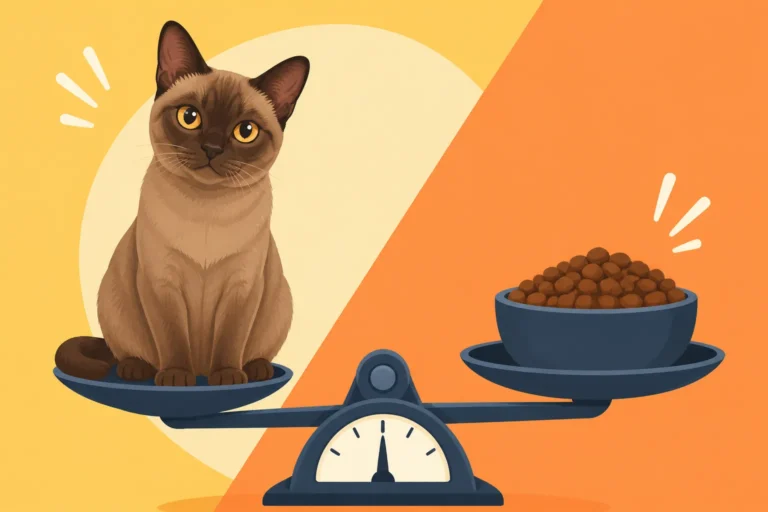
One of the biggest struggles for many cat owners, especially with breeds like the Burmese who adore their food, is weight management. Obesity is a significant risk factor for diabetes and other health issues. Wet food can be a powerful tool in keeping your Burmese at a healthy weight. The high moisture content in wet food makes it more filling, often allowing cats to feel satisfied on fewer calories compared to dry food. Imagine eating a bowl of soup versus a handful of crackers – the soup feels much more substantial. This satiety helps prevent overeating and constant begging, which can be a real battle with a food-motivated Burmese.
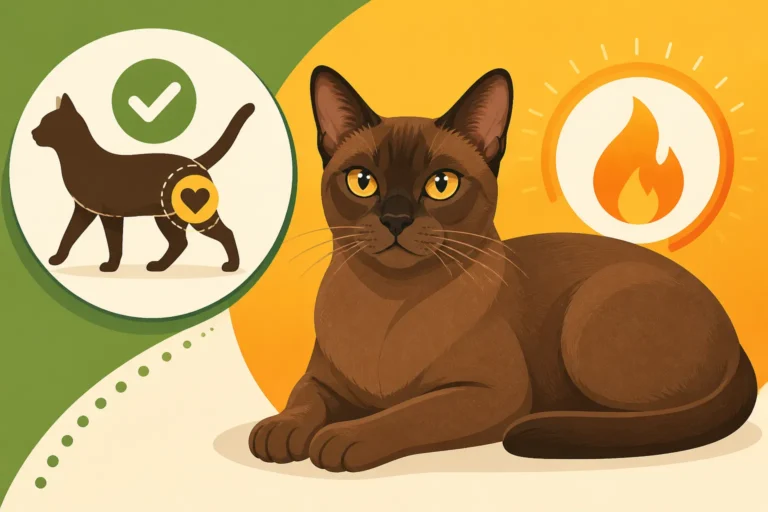
Furthermore, the higher protein content in wet food helps maintain muscle mass, which is crucial for a healthy metabolism. When we talk about Why Weight Is the Only Lever a Burmese Owner Has in managing their diabetes risk, the choice of food becomes incredibly important. A Burmese on a well-portioned, high-protein, low-carb wet diet is much more likely to maintain an ideal body condition, keeping those extra pounds at bay and mitigating their genetic predisposition to diabetes.
Choosing the Best Wet Food for Your Burmese
Navigating the seemingly endless aisles of cat food can be overwhelming, but armed with the right knowledge, you can make informed decisions that benefit your Burmese. It's about looking past the pretty packaging and focusing on what's inside.
Reading Labels and Understanding Ingredients
Becoming a label sleuth is your superpower as a Burmese owner. When you're picking out wet food, the first few ingredients are the most important. You want to see real animal protein sources listed prominently: chicken, turkey, beef, fish, or lamb. Avoid foods where plant-based proteins like pea protein or potato protein are high on the list, or worse, outrank the meat. Look for clear indications of "meat by-products" as some good quality organ meats can be included here, but ensure they are from a named source (e.g., "chicken by-products" not "animal by-products").
Also, pay close attention to the guaranteed analysis. While this is presented on an "as fed" basis (including moisture), you'll often need to convert it to a "dry matter basis" to accurately compare foods. This means calculating the percentage of protein, fat, and carbohydrates after the water is removed. You're aiming for high protein, moderate fat, and very low carbohydrates (ideally under 10% dry matter basis). Many manufacturers don't list carb content, so you have to calculate it: 100% – %Protein – %Fat – %Fiber – %Ash – %Moisture = %Carbs. This might sound like homework, but it's a vital skill for ensuring your Burmese gets the optimal diet.
Texture Preferences and Palatability
Cats can be notoriously picky, and what one Burmese adores, another might turn their nose up at. Wet food comes in a variety of textures: pâté, shredded, flaked, chunks in gravy, or even a more stew-like consistency. Some cats prefer the smooth, uniform texture of a pâté, while others might enjoy the more textural experience of shredded meat. It’s often a process of trial and error to discover what your Burmese finds most appealing. Don't be discouraged if they reject the first few options. Keep experimenting with different textures and even different protein sources until you find a few favorites. Remember, the goal is to get them eating high-quality wet food consistently, so palatability is key. Introducing a variety of proteins early on can also help prevent them from becoming too fixated on one flavor, which can be problematic if that particular food becomes unavailable.
Incorporating Brands and Finding Value
Thankfully, the market for high-quality wet cat food has expanded significantly, offering more choices than ever before. When you're ready to stock up, online retailers like Chewy and Amazon often have a vast selection, making it easy to compare ingredients, read reviews, and even set up auto-shipments so you never run out. These platforms frequently offer bulk discounts, which can help manage costs. You might also explore fresh, human-grade food that can be customized and delivered, often aligning well with the low-carb, high-protein needs of a Burmese.
While the upfront cost of wet food might seem higher than kibble, consider it an investment in your Burmese’s health. Preventing diabetes or kidney issues can save you significantly more in vet bills down the line. Look for brands that offer good value without compromising on ingredient quality. Some reputable brands offer excellent low-carb wet food options that won't break the bank, especially when purchased in larger cans or multi-packs. Don't be afraid to mix and match between a few trusted brands to provide variety and ensure they're getting a broad spectrum of nutrients.
Transitioning Your Burmese from Kibble to Wet Food
Changing a cat's diet, especially one that has been on kibble for a long time, can be a challenge. Cats are creatures of habit, and many develop a strong preference, or even addiction, to the taste and texture of dry food. Patience and persistence are your best friends here.
The Gradual Approach
The golden rule for any dietary change in cats is gradualness. A sudden switch can lead to digestive upset – vomiting, diarrhea, or even a complete refusal to eat. Start by replacing a very small portion of their kibble with wet food, mixing it thoroughly. For example, if they eat half a cup of kibble per meal, replace a quarter teaspoon with wet food. Over the course of several days to a week, slowly increase the amount of wet food while decreasing the kibble. This slow introduction allows their digestive system to adjust to the new food and gives them time to get accustomed to the new taste and texture.
Don't rush the process; some cats might take weeks, or even months, to fully transition. Pay close attention to their stool consistency and appetite during this time. If you notice any digestive upset, slow down the transition even further. Remember that consistency is key; sticking to a schedule and offering the new food regularly will help your Burmese adapt.
Overcoming Picky Eaters and Kibble Addiction
This is often the hardest part, especially with clever Burmese who know exactly what they want! Many cats are "kibble addicts" because of the appealing coatings and high carbohydrate content that can create a strong palatability. If your Burmese is being particularly stubborn, here are a few tricks:
- Warm it up: Gently warming the wet food in the microwave (ensure it's not hot!) can enhance its aroma, making it more appealing.
- Add a topper: A tiny sprinkle of crumbled favorite kibble, nutritional yeast, or a small amount of meat-based baby food (without onion or garlic powder) can make the wet food more enticing. Gradually reduce the topper as they accept the wet food.
- "Kibble Dusting": Grind a small amount of their old kibble into a powder and sprinkle it over the wet food. This familiar scent can encourage them to try the new food.
- Separate feeding: If you have multiple cats, feed your Burmese in a quiet, undisturbed area to reduce stress and allow them to focus on the new food.
- Patience and Persistence: Offer the wet food for a short period (15-20 minutes) and then remove it. Don't leave it out all day, as this can lead to spoilage and discourages them from eating at meal times. They might skip a meal or two, but a healthy cat won't starve itself. However, never let a cat go without eating for more than 24 hours, as this can lead to serious liver issues (hepatic lipidosis). If your Burmese is refusing to eat entirely, consult your vet immediately.
Monitoring Health and Adjusting Portions
Once your Burmese is successfully transitioned to wet food, your job isn't quite over. You'll need to monitor their health, weight, and overall condition. With a higher moisture content, your cat might feel fuller, meaning their portion sizes might differ from their kibble days. It’s easy to underestimate How Much Wet Food a Diabetes Prone Burmese Needs, so precise measurement is important.
Here's a quick guide to compare Kibble vs. Wet Food for your Burmese:
| Feature | Dry Kibble | Wet Food |
|---|---|---|
| Moisture Content | 5-10% (Very Low) | 70-85% (High, mimics prey) |
| Carbohydrates | Often 25-50%+ (High, necessary for extrusion) | Typically <10% (Low, aligns with carnivore needs) |
| Protein Source | Often mixed with plant-based proteins, potentially lower quality | Primarily animal-based, higher quality and digestibility |
| Hydration | Contributes to chronic dehydration, kidney/urinary stress | Promotes optimal hydration, supports kidney/urinary health |
| Satiety | Less filling due to low moisture, can lead to overeating and weight gain | More filling, aids in weight management and prevents constant begging |
| Diabetes Risk | Higher risk due to chronic blood sugar spikes, especially for Burmese | Lower risk due to stable blood sugar, proactive diabetes prevention/management |
| Manufacturing | Extruded, requires starches/binders | Cooked, often in a can, fewer binders needed |
Regularly How to Weigh a Burmese Accurately at Home is a good habit to establish. Weigh them weekly or bi-weekly and adjust their food intake as needed to maintain an ideal body condition. Feel for their ribs – you should be able to feel them easily but not see them protruding. Keep an eye on their energy levels, coat quality, and litter box habits. Increased urination and drinking might indicate a need for a vet check, as even on a good diet, genetic predispositions can sometimes manifest. Also, remember that Why a Burmese's Annual Visit Includes a Glucose Reading becomes even more critical once they reach their middle years, as early detection is key even with the best diet. Your vet can provide specific caloric recommendations based on your Burmese's age, activity level, and health status, ensuring they are thriving on their new, healthier diet.
Disclaimer
This article is for general informational purposes only and does not constitute professional advice. Laws, prices and regulations vary by location and change over time. Consult a qualified professional for guidance on your specific situation.