Why a Burmese Eats Two Weighed Meals a Day
It can be incredibly frustrating to feel like your beloved Burmese is constantly begging for food, no matter how much you seem to put in their bowl. Many cat owners wrestle with the idea of leaving food down all day, especially with a busy schedule, only to find their once svelte companion starting to look a little… rounder. This guide is here to explain why, for a Burmese, a disciplined approach of two carefully weighed meals a day isn't just a suggestion, but a crucial part of their health and happiness, helping you understand their unique needs and how to meet them effectively.
The Unique Metabolic Needs of a Burmese Cat
When you bring a Burmese into your home, you're not just getting a wonderfully affectionate, intelligent companion; you're also welcoming a cat with a very specific genetic makeup that impacts how their body handles food. It’s not about them being inherently greedy; it's about their biology. Understanding these underlying factors is key to appreciating why their feeding schedule needs such careful consideration.
Understanding the Burmese Diabetes Predisposition
One of the most significant reasons for meticulously controlled feeding in a Burmese is their well-documented predisposition to diabetes. It's a sobering fact that The Burmese Has the Highest Diabetes Rate of Any Cat Breed, making them significantly more vulnerable to this chronic condition than many other feline breeds. This isn't just a random chance; it's linked directly to their genetics, especially within certain lines like the Australian and European Burmese. Their bodies process carbohydrates differently, making them less efficient at managing blood sugar levels, which means every meal decision is, quite literally, a medical decision.
Imagine you're constantly topping up a gas tank that's already full – eventually, the system gets overloaded. For a Burmese, consistently high blood sugar levels from a constant supply of food, especially high-carbohydrate kibble, can exhaust the pancreas and lead to insulin resistance. This is why it's so critical to manage their caloric intake and the type of food they eat. It's a proactive measure to protect them from a disease that can drastically impact their quality of life and your veterinary budget.
Their Efficient Metabolism and Weight Gain Tendencies
Despite their often sleek and athletic appearance, Burmese cats are surprisingly prone to weight gain. They're often described as feeling like "a brick wrapped in silk" due to their dense, muscular build. This means they can pack on extra pounds without always looking obviously fat, especially to an untrained eye. Their metabolism, while efficient in many ways, can quickly tip towards storing excess calories as fat if not carefully managed. A Burmese might not seem like they eat a huge amount, but their bodies are adept at utilizing every calorie, which means even small excesses can accumulate over time.
This tendency to gain weight easily isn't just an aesthetic concern; it's directly linked to their diabetes risk. How Much Weight Raises a Burmese's Diabetes Risk is a stark reminder that even a few extra pounds can significantly elevate their chances of developing the disease. A heavier cat's body struggles more to respond to insulin, exacerbating the problem. Therefore, consistent, portion-controlled meals are vital for maintaining a healthy weight and, by extension, reducing their risk of serious health issues down the line. It's a balancing act: providing enough nutrition for their active lifestyle while avoiding the trap of overfeeding.
Why Free Feeding is a Recipe for Disaster for a Burmese
The concept of leaving a bowl of kibble out all day, allowing your cat to graze whenever they please, might seem convenient and even generous. However, for a Burmese, this common practice is fraught with risks and can undermine their health and well-being in profound ways. It creates a cycle that their unique physiology simply isn't equipped to handle gracefully.
The Link Between Constant Snacking and Insulin Resistance
Think about it: if food is always available, your Burmese will likely snack throughout the day. Every time they eat, their body releases insulin to manage the influx of glucose. When this happens continually, hour after hour, day after day, their cells can become less responsive to insulin's signals – a condition known as insulin resistance. This is essentially the precursor to type 2 diabetes, which is exactly the condition we want to avoid in a breed already so predisposed to it. How Diabetes Develops in a Burmese often starts with this constant demand on the pancreas.
Free feeding makes it impossible to accurately track how much your cat is truly eating, making portion control a non-starter. This often leads to overconsumption of calories and, crucially, carbohydrates, especially if the food is kibble. Most dry kibble, even premium brands, contains a higher carbohydrate content than a cat's natural diet. This consistent high-carb intake, coupled with round-the-clock grazing, is a perfect storm for stressing a Burmese's delicate metabolic system and paving the way for diabetes. It effectively removes the 'off switch' for their insulin response, keeping their system in overdrive.
Behavioral Issues in Free-Fed Burmese
Beyond the physical health implications, free feeding can contribute to a range of behavioral problems in a Burmese. These intelligent and highly social cats thrive on routine and interaction. When food is always present, mealtime loses its significance as a structured event. This can lead to your Burmese becoming overly focused on food, constantly nagging for attention around their bowl even if it's full, or displaying anxious behaviors related to food. They might gorge themselves quickly, then feel uncomfortable, or become possessive over the food source.
A free-fed Burmese might also feel less connected to you through the act of feeding. Meal times are an excellent opportunity to reinforce your bond and provide a sense of security and predictability. Without this structure, an otherwise affectionate Burmese might develop habits like counter-surfing, stealing food, or becoming agitated when you're preparing your meals. This isn't naughtiness; it's often a manifestation of a lack of clear boundaries and routine around a very basic, powerful drive. Why a Burmese Never Stops Asking for Food is often exasperated by free-feeding, as they never truly learn satiation.
Crafting the Perfect Meal Schedule for Your Burmese
So, we know why two weighed meals are best. Now, let's talk about how to implement this structure to truly benefit your Burmese, creating a feeding routine that supports their health, behavior, and your bond.
Determining the Right Calories and Frequency
The cornerstone of a healthy feeding plan for your Burmese is knowing exactly how many calories they need. This isn't a one-size-fits-all number; it depends on their age, activity level, and whether they need to gain, lose, or maintain weight. A good starting point is to consult your veterinarian, who can provide a tailored caloric recommendation. Generally, active adult Burmese cats require roughly 20-25 calories per pound of body weight to maintain a healthy weight. However, this is a guideline, and it's something you'll adjust based on their body condition over time. Remember, How Many Calories a Neutered Adult Burmese Burns can be lower than an intact cat, making precise measurement even more important.
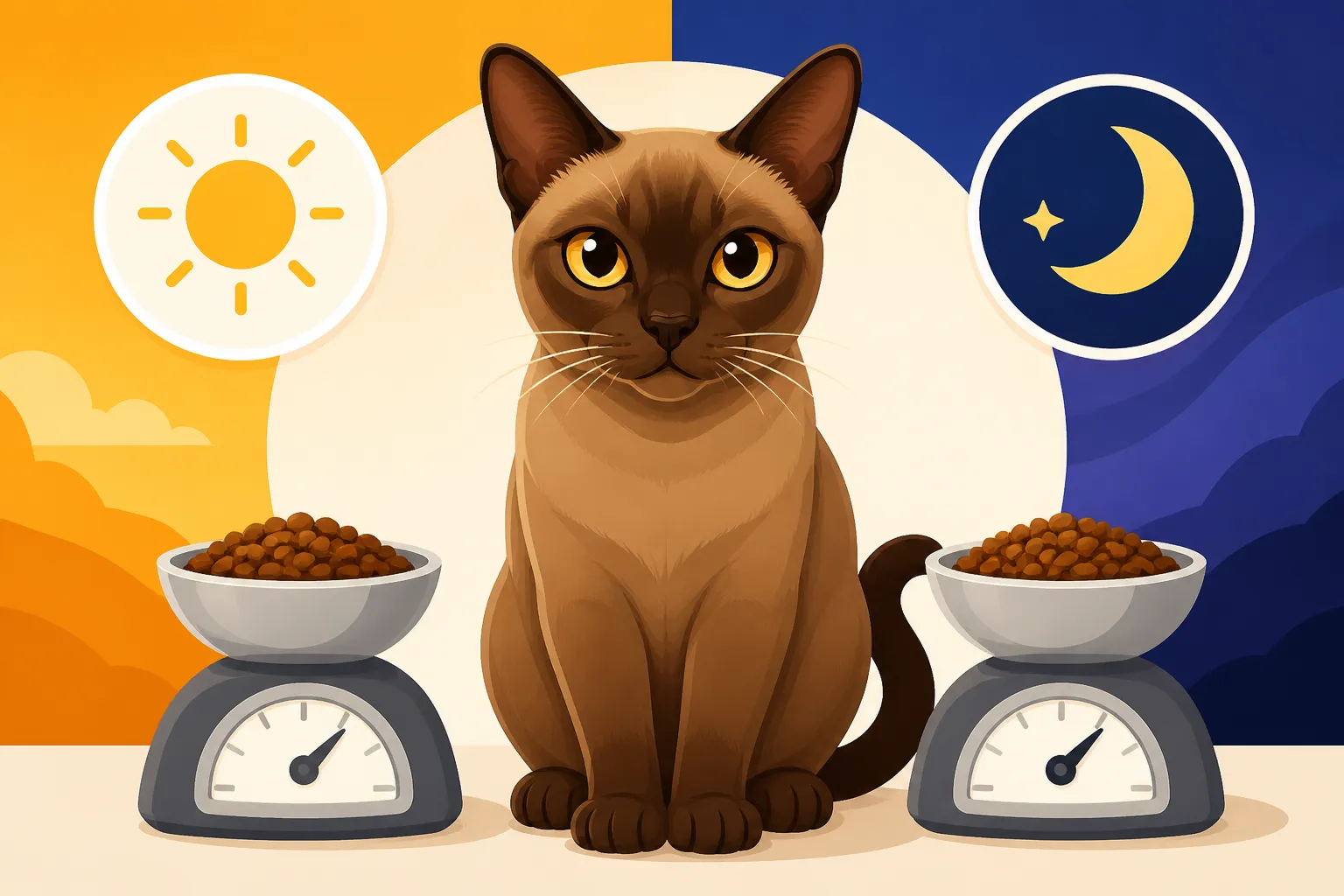
Once you have that daily caloric target, you divide it into two equal meals. Feeding twice a day mimics a more natural eating pattern for cats – short, nutrient-dense meals followed by a period of digestion. This also ensures they don't go too long between meals, which can lead to excessive hunger or digestive upset. For example, if your vet recommends 250 calories a day, each meal would be 125 calories. This precise division allows their body to process food more efficiently and helps stabilize blood sugar levels throughout the day, mitigating the risk of diabetes.
The Importance of Consistency for Glucose Control
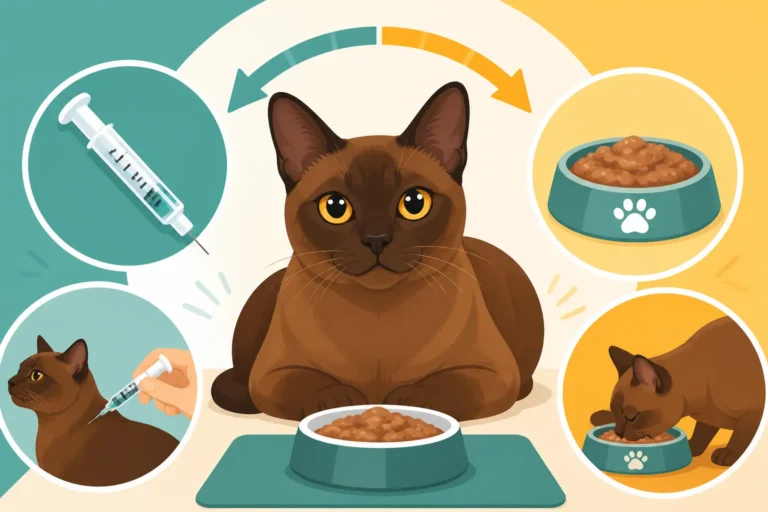
Consistency isn't just about feeding twice a day; it's about feeding at roughly the same times every day. Cats, and especially Burmese with their potential for metabolic sensitivities, thrive on routine. Their bodies anticipate food, and their digestive systems prepare for it. Irregular feeding times can disrupt their metabolic rhythm, potentially causing spikes and dips in blood sugar that are counterproductive to preventing or managing diabetes. This consistent timing becomes even more critical if your Burmese ever needs insulin, as injections must be precisely timed around meals. How to Feed a Burmese on Insulin Around Its Injections demonstrates just how vital this routine is.
Establishing a fixed schedule, say 7 AM and 7 PM, creates predictability for your cat. They learn when to expect food, which can reduce anxiety and begging behavior outside of those times. It gives their digestive system a break between meals, allowing insulin levels to normalize. This structured approach helps regulate their glucose metabolism, making it easier for their body to maintain a healthy balance. Even on weekends or holidays, sticking as closely as possible to this schedule is a kindness to your cat's internal clock and long-term health.
The Practicalities of Weighed Meals in a Busy Home
Implementing a strict two-meals-a-day, weighed portion system might sound daunting, especially if your household is already bustling. But with the right tools and a bit of planning, it becomes a seamless part of your daily routine – and a huge benefit to your Burmese.
Choosing the Right Tools: Scales and Food
The first essential tool is a reliable digital kitchen scale. Eyeballing portions or using measuring cups (which can vary wildly in accuracy) simply won't cut it when precise calorie and carbohydrate control are critical. A simple digital kitchen scale, easily found on platforms like Amazon or Chewy, allows you to measure out your cat's food in grams or ounces, ensuring every meal is exactly what it needs to be. This level of accuracy is paramount for managing weight and blood sugar. Why a Burmese's Portion Is Weighed, Not Scooped cannot be stressed enough; it's the difference between guessing and knowing.
When it comes to the food itself, prioritize high-protein, low-carbohydrate wet food. This is often the best choice for Burmese cats because it aligns more closely with their natural carnivorous diet and helps minimize blood sugar spikes. Look for foods where meat is the first ingredient and avoid fillers like corn, wheat, or soy. Many excellent brands are available from pet supply retailers, and some specialized diets can even be delivered right to your door. Reading labels is crucial; aim for carbohydrate percentages below 10%, ideally even lower. Your vet can recommend specific brands that meet these nutritional requirements, especially if your Burmese has other health considerations. Which Carbohydrate Percentage a Burmese Should Stay Below is a key factor to look for.
| Feeding Method | Pros for Burmese | Cons for Burmese |
|---|---|---|
| Weighed Meals (Two per day) | Consistent blood glucose control, easier weight management, less risk of overeating. Stronger routines. | Requires more active participation from the owner, less spontaneous. |
| Free Feeding (Food always available) | Convenience for owner, cat can eat on its own schedule. | High risk of diabetes and obesity, poor portion control, behavioral issues. |
Handling Multi-Cat Households and Mealtime Dynamics
If you have more than one cat, implementing a weighed, scheduled feeding plan can be a bit more challenging, but it’s still absolutely achievable and just as important, especially if one of your cats is a Burmese. The biggest hurdle is preventing one cat from eating the other's food. This is where technologies like microchip-activated feeders become invaluable. These clever devices, readily available through retailers like Chewy or Amazon, only open for the specific cat whose microchip is programmed into them. This means you can confidently put down a precise portion for your Burmese, knowing that only they will be able to access it. Whether a Microchip Feeder Works in a Two Burmese House is a common question, and for Burmese, they are often a lifesaver for diet management.
Another strategy is to feed cats in separate rooms or at different elevations. One cat might eat on the kitchen floor while another eats on a counter or in a spare bedroom, allowing each to consume their full portion without competition or stealing. Supervision during mealtimes, especially in the initial stages, can also help reinforce boundaries. It takes a little extra coordination, but ensuring each cat gets exactly what they need, especially a Burmese with their specific dietary sensitivities, is worth the effort. It also means you can easily tailor diets if one cat needs a prescription food or is on a weight loss journey, while the other maintains their current intake.
Beyond Food: The Holistic Benefits of a Structured Diet
Adopting a routine of two weighed meals a day for your Burmese extends far beyond simply managing their weight or glucose levels. It creates a cascade of positive effects that touch nearly every aspect of their health, behavior, and your relationship with them.
Enhanced Bond and Training Opportunities
Mealtime becomes a ritual, a significant moment in your day when you actively provide for your beloved companion. This consistent, positive interaction strengthens the bond between you and your Burmese. They learn to associate you with nourishment and security, reinforcing their already profound affection for their humans. Instead of just a free-for-all, feeding time can be a moment of focused attention and quiet connection.
This structured approach also opens doors for training. Because food is such a strong motivator for many Burmese, these scheduled meals can be leveraged for positive reinforcement. You can teach simple commands like "sit" or "come" before presenting their bowl. This mental stimulation is excellent for their intelligent minds and further deepens their engagement with you. Imagine your Burmese eagerly awaiting their meal, not just for the food, but for the interaction and routine it brings. Why Food Motivates a Burmese Too Well can actually be a benefit here!
Early Detection of Health Changes
When you are weighing food and observing your Burmese eating twice a day, you gain invaluable insight into their habits. You'll quickly notice if they're eating less, eating more rapidly, or showing any hesitation around their food. These subtle changes in appetite or eating behavior can be early indicators of underlying health issues. A sudden disinterest in food, for example, could signal anything from dental pain to a more serious illness. Conversely, a dramatic increase in appetite, especially if coupled with increased thirst, can be a classic sign of developing diabetes. Why a Burmese Drinking More Needs Testing That Week is a critical warning sign often missed in free-fed cats.
By managing their meals so closely, you become finely attuned to their normal patterns. This regular monitoring allows you to catch potential problems much earlier than if food were simply always available. Early detection often means more effective and less invasive treatment, potentially saving your Burmese from suffering and you from greater veterinary expenses down the line. It's a proactive health measure disguised as a feeding routine. Why a Burmese Hides Illness Behind Its Affection means you need to be extra vigilant, and meal times provide the perfect window into their well-being.
Disclaimer
This article is for general informational purposes only and does not constitute professional advice. Laws, prices and regulations vary by location and change over time. Consult a qualified professional for guidance on your specific situation.