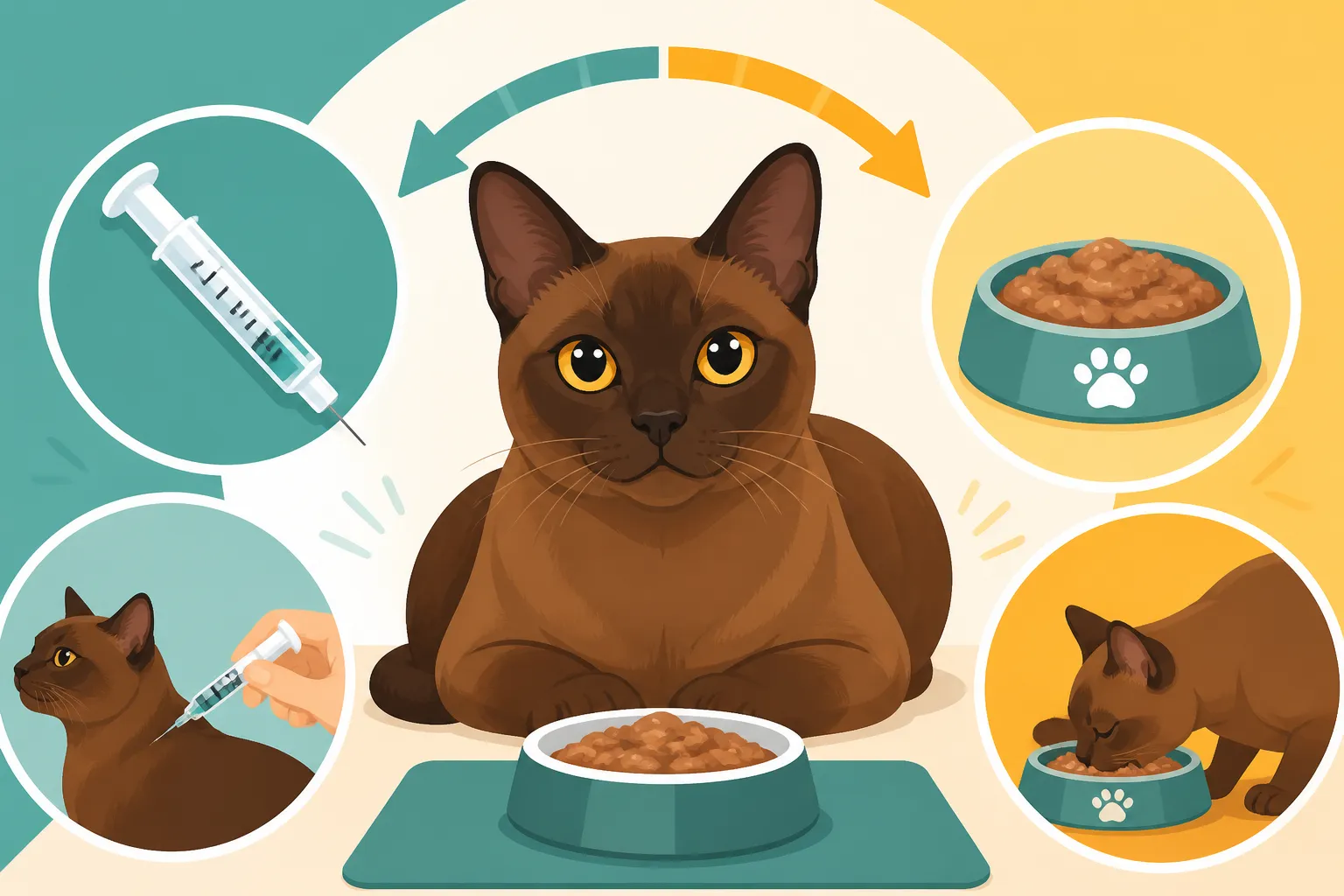
How to Feed a Burmese on Insulin Around Its Injections
Discovering your beloved Burmese has diabetes is a gut-wrenching moment, and the thought of daily insulin injections can feel incredibly daunting. Suddenly, meal times aren't just about delicious food anymore; they're a carefully orchestrated medical procedure. This guide is here to walk you through the specifics of feeding your Burmese cat when they're on insulin, helping you create a routine that supports their health and brings you peace of mind.
Understanding the Connection: Food, Insulin, and Your Burmese
When your Burmese is diagnosed with diabetes, it means their body isn't producing enough insulin, or isn't using it effectively, to process the glucose (sugar) from their food. This glucose is essential energy, but too much of it circulating in the blood can be incredibly dangerous. The insulin you administer acts as a replacement or supplement, helping your cat's cells absorb that glucose. Because food directly impacts blood glucose levels, what and when your Burmese eats is intrinsically linked to how well their insulin works, making feeding a truly medical decision. Why Carbohydrate Load Matters More in a Burmese delves deeper into this critical relationship.
The Delicate Balance: Glucose and Insulin Interaction
Think of your cat's body as a finely tuned machine. When they eat, carbohydrates break down into glucose, which then enters the bloodstream. In a healthy cat, the pancreas releases insulin, which acts like a key, unlocking cells to let the glucose in for energy. For a diabetic Burmese, this key is either missing or doesn't fit properly. The insulin you inject becomes that key, allowing the glucose to move from the blood into the cells. If there's too much glucose from a high-carb meal, even the injected insulin might struggle to cope, leading to dangerously high blood sugar. Conversely, if there isn't enough food, or the timing is off, the insulin could drive blood sugar too low, which is called hypoglycemia and can be life-threatening. This intricate dance requires precision and consistency from you, their loving owner.
The timing of the food relative to the insulin shot is paramount. You want the food to be digested and releasing glucose into the bloodstream as the insulin begins to take effect, ensuring there's glucose for the insulin to act upon. If you inject insulin into a cat that hasn't eaten, or is going to eat much later, the insulin will lower blood sugar without a corresponding rise from food, leading to a rapid and dangerous drop. This is why many vets will advise feeding before or immediately after the insulin shot, but never before a full meal is consumed. This careful synchronization helps prevent drastic blood sugar fluctuations and keeps your Burmese feeling their best.
Why Timing Meals is Crucial for a Diabetic Burmese
For any cat, but especially a diabetic Burmese, consistent meal times are a cornerstone of health. Their digestive system thrives on routine, and for a cat on insulin, this routine becomes a lifeline. The body learns to anticipate food, and this consistency helps regulate their internal systems, including blood sugar. Irregular feeding can throw off their glucose levels, making it incredibly difficult for the insulin to work predictably. It’s like trying to hit a moving target – if you don’t know when the food (and thus glucose) will arrive, it's almost impossible to dose the insulin effectively.
Moreover, the effects of insulin typically last for a certain period, and if meals are scattered or delayed, the insulin might peak when there's no new glucose entering the system, causing a dangerous dip. Establishing a fixed schedule for two meals a day, usually 12 hours apart, is often the most recommended approach. This rhythm allows you to administer insulin at precise intervals, knowing that a meal will follow to cushion the blood sugar response. Why a Burmese's Meals Have to Land at the Same Times explores this principle further. Even a slight deviation can mean the difference between stable blood sugar and a crisis, reinforcing that meal timing isn't just about convenience—it's about survival for your diabetic companion.
The Ideal Diet for a Diabetic Burmese
When it comes to feeding a Burmese cat with diabetes, forget everything you thought you knew about cat food. This isn't just about making them happy; it's about providing medicine in a bowl. The right diet can dramatically improve blood sugar control, reduce insulin requirements, and in some cases, even lead to diabetic remission. The wrong diet, however, can make managing their condition an uphill battle, no matter how perfectly you time those insulin shots.
Low Carbohydrate, High Protein: The Foundation
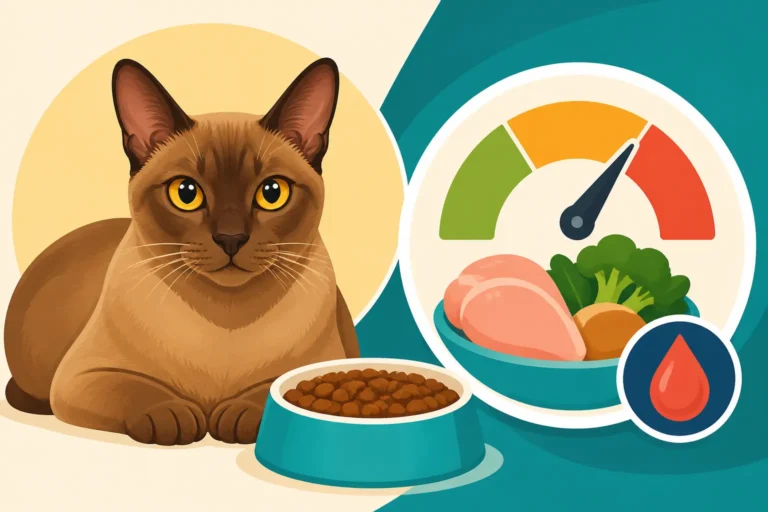
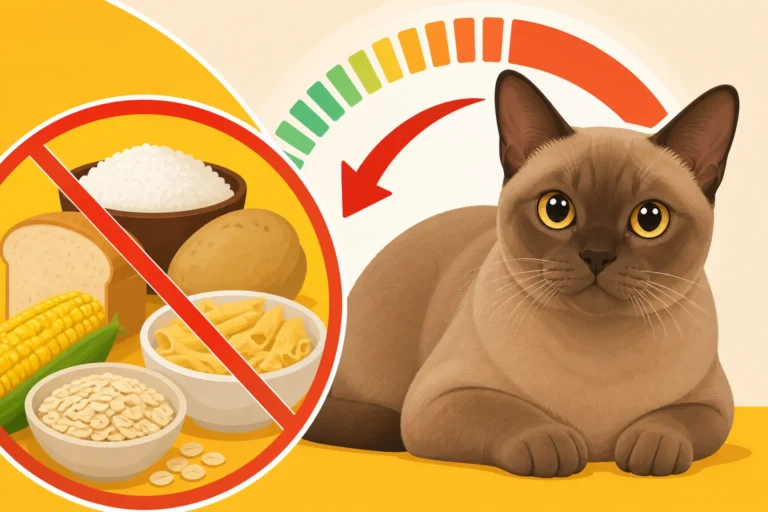
The fundamental dietary shift for a diabetic Burmese is a drastic reduction in carbohydrates and an emphasis on high-quality animal protein. Cats are obligate carnivores, meaning their bodies are designed to derive energy primarily from meat, not grains or vegetables. In the wild, their diet consists of prey that is very high in protein and fat, with minimal carbohydrates. Traditional dry kibble, unfortunately, often contains a significant amount of carbohydrates (starches from corn, wheat, rice, potatoes) that can spike a cat's blood sugar, making insulin regulation extremely difficult.
A low-carbohydrate diet helps stabilize blood glucose levels by minimizing the glucose load after meals. This allows the injected insulin to work more efficiently and often means your cat will require less insulin overall. High protein content is crucial for maintaining muscle mass, which is vital for a healthy metabolism, and it also helps your Burmese feel full and satisfied. Look for foods where meat is the first ingredient, and the carbohydrate content is below 10%, ideally closer to 5-6% on a dry matter basis. Which Diet Puts a Burmese Into Remission explores how this dietary choice can be truly life-changing.
Wet Food: The Preferred Choice for Glucose Control
For a diabetic Burmese, wet food is almost always the superior choice over dry kibble. There are several reasons for this, all directly related to blood sugar management. Firstly, most wet foods naturally have a much lower carbohydrate content compared to dry foods. It's simply harder to make kibble without a binder, and those binders usually come in the form of starches. You'll find a much wider selection of truly low-carb options in the canned or pouch food aisles.
Secondly, wet food has a higher moisture content, which is beneficial for kidney health and helps with satiety. Cats, especially those with conditions like diabetes, often don't drink enough water on their own, and increased water intake is vital. While some prescription diabetic dry foods exist, their carbohydrate content is still often higher than many readily available wet foods. For instance, many vets and experienced owners will guide you towards certain paté-style wet foods found at your local pet store or online retailers like Chewy or Amazon, as they often fit the low-carb, high-protein bill perfectly. What a Diabetic Burmese Eats outlines specific types of foods that are best.
Avoiding Problematic Ingredients and Treats
When navigating the world of diabetic cat food, vigilance is key. Beyond just looking for low-carb, you need to become adept at reading ingredient labels and avoiding common pitfalls. Ingredients like corn, wheat, soy, potatoes, peas, and excessive fruit are carbohydrate-heavy and should be strictly avoided. Sugars, even "natural" ones like molasses or honey, are an absolute no-go. Even seemingly innocuous "fillers" often contain hidden carbs that can derail your Burmese's blood sugar.
Treats are another area where owners need to be incredibly careful. Most commercial cat treats, especially crunchy ones, are loaded with carbohydrates. Even small amounts can cause significant blood glucose spikes. If you must give treats, opt for freeze-dried single-ingredient meats (like chicken or salmon), or tiny pieces of cooked plain chicken or fish that fit within their daily calorie and carbohydrate allowance. Remember, How Quickly Treats Undo a Burmese's Glucose Control is a real and present danger. Your vet can provide guidance on what treats, if any, are safe and in what quantities.
Crafting a Feeding Schedule Around Insulin Injections
This is where the rubber meets the road. Administering insulin effectively hinges on a meticulously planned feeding schedule. It's not just about giving the shot; it's about creating a safe and stable environment for your cat's blood sugar levels. Consistency is your most powerful tool in this endeavor, providing a predictable routine that both you and your Burmese can rely on.
The Golden Rule: Feed Before Injecting
This rule is paramount for the safety of your diabetic Burmese: always ensure your cat eats a full meal before you give the insulin injection. If your Burmese doesn't eat, or only picks at their food, you absolutely should not give the full dose of insulin. This is because insulin lowers blood sugar. If there's no food to provide glucose, the insulin can cause a dangerous and rapid drop in blood sugar, leading to hypoglycemia. Hypoglycemia can manifest as weakness, disorientation, seizures, and can be fatal if not immediately addressed.
Most veterinarians recommend offering the meal, waiting 15-30 minutes to ensure your cat has eaten a substantial amount, and then administering the insulin. If they eat only half their food, your vet might advise giving a reduced dose of insulin, or skipping it entirely, depending on their specific protocol and your cat's individual needs. Never guess or try to "make up" for a missed dose later. Always follow your vet's precise instructions for these situations. It's a scary scenario, but knowing this rule empowers you to prevent it.
Consistent Timing is Key
We've touched on this, but it bears repeating: consistency in timing is non-negotiable for a diabetic Burmese. You'll typically be giving insulin twice a day, usually every 12 hours. This means if you give the first shot at 7 AM, the second shot should be at 7 PM. And the meals should align with these times, typically served just before the injections. This rigid schedule might seem restrictive for your lifestyle, but it provides the stability your cat's metabolism desperately needs.
Setting alarms, creating a visual chart, or even using a calendar can help ensure you don't miss or delay a meal or injection. Even small deviations can affect how the insulin works throughout the day. For example, if you feed and inject an hour late one evening, their blood sugar could be higher for longer, and then the next morning's schedule is off too. Talk to your vet about finding a schedule that works for both you and your cat while maintaining this vital consistency. Why a Burmese's Feeding Times Have to Stay Fixed explains the metabolic reasons behind this strict regimen.
Adjusting for Insulin Peaks and Troughs
Different types of insulin have different action profiles – meaning they take effect, peak, and wear off at varying rates. Your veterinarian will choose an insulin that best suits your Burmese's needs and teach you about its specific characteristics. The goal with meal timing is often to have food entering the system as the insulin is starting to work or reaching its peak, to prevent blood sugar from dipping too low.
For instance, if your cat is on an insulin that peaks a few hours after injection, your feeding schedule should account for this. Some vets might recommend a small, very low-carb snack during the insulin's peak action, particularly if your cat experiences a dip in energy at that time. However, this should only be done under strict veterinary guidance, as additional food can also complicate blood sugar control. Understanding the basics of your specific insulin's activity helps you appreciate why your vet's feeding recommendations are so precise, and why consistency in meal size and content is just as important as timing.
Practical Tips for Administering Insulin and Meals
Getting into a routine with insulin injections and meal management might feel overwhelming at first, but with a few practical tips, it becomes second nature. It's all about creating a calm, predictable environment and staying observant of your Burmese's behavior.
Making Mealtime a Calm Experience
Your Burmese is a sensitive creature, and mealtime should be a positive, stress-free experience, especially since it's associated with an injection. Choose a quiet, consistent location where your cat can eat without interruption or competition from other pets. If you have other cats, feeding your diabetic Burmese separately, perhaps in a closed room, can prevent food theft and ensure they eat their entire prescribed portion. This is also important for How to Keep Two Burmese on Different Diets.
Allow your cat to eat at their own pace. Rushing them can lead to anxiety or refusal to eat, which, as we've discussed, is dangerous when an insulin shot is impending. After they've finished, offer praise and gentle petting. Make the injection itself as quick and calm as possible. Many Burmese are incredibly tolerant and will barely notice a quick jab while they're still focused on their food or enjoying post-meal cuddles. How to Give a Burmese Its Insulin at Home describes techniques for stress-free injections. Consistency in your demeanor and the environment will go a long way in making this routine manageable for both of you.
Monitoring Your Burmese's Appetite and Water Intake
Being a keen observer of your Burmese's daily habits is crucial when managing diabetes. Changes in appetite or water intake are often the first signs that something is amiss. A sudden decrease in appetite could indicate that they are feeling unwell, their blood sugar is too high, or even too low (hypoglycemia can cause nausea). If your cat refuses to eat or eats significantly less than usual, do not give the full insulin dose and contact your vet immediately for advice.
Conversely, a significant increase in thirst and urination (polydipsia and polyuria) are classic signs of uncontrolled diabetes, meaning their blood sugar is too high. You might notice them spending more time at the water bowl or more frequent trips to the litter box, which will fill up faster. Keeping track of how much they eat and drink each day can provide valuable data for your vet, helping them adjust insulin dosages as needed. This vigilance is a key part of How a Burmese Is Monitored on Insulin at Home.
Safe Insulin Storage and Handling
Insulin is a delicate medication and must be stored and handled properly to maintain its efficacy. Always keep insulin refrigerated, usually between 36-46°F (2-8°C). Do not freeze it, and protect it from light and extreme temperatures. Before each dose, gently roll the vial or pen between your palms to mix it; never shake it, as this can damage the insulin molecules.
Always use new, sterile insulin syringes for each injection. Reusing syringes can lead to infection, dull needles causing pain, and inaccurate dosing. Dispose of used syringes safely in a designated sharps container. Keep track of the expiry date on your insulin vial. Insulin loses potency over time once opened, even if refrigerated, so your vet will advise you on how long a particular vial is good for (often 28-30 days for many types). It's also wise to have a backup vial of insulin on hand, purchased from a reputable source like a veterinary clinic or a trusted online pharmacy like Chewy.
| Aspect | Ideal for Diabetic Burmese | Less Ideal / Avoid |
|---|---|---|
| Carbohydrate Content | Very Low (under 10%, ideally 5-6% dry matter) | High (over 15-20% dry matter) |
| Protein Content | High (animal-based, first ingredient) | Low, or plant-based proteins |
| Moisture Content | High (wet food, canned, pouches) | Low (dry kibble) |
| Ingredient List | Whole meats, limited vegetables, no grains | Grains (corn, wheat, rice), potatoes, peas, sugars |
| Treats | Freeze-dried meat, tiny pieces of cooked plain meat | Commercial crunchy treats, high-carb human foods |
| Feeding Schedule | Two consistent meals, 12 hours apart, before insulin | Free feeding, irregular meal times |
Troubleshooting Common Feeding and Insulin Challenges
Even with the best intentions and the most consistent routine, managing a diabetic Burmese can present its challenges. Knowing how to react to common issues like food refusal or signs of hypoglycemia can make all the difference. Remember, your vet is your primary partner in this journey, so never hesitate to call them when in doubt.
When Your Burmese Refuses to Eat
This is arguably one of the most stressful scenarios for an owner of a diabetic cat. If your Burmese refuses to eat its meal, or only eats a small amount, you face a critical decision regarding their insulin. As a rule, never give a full dose of insulin if your cat has not eaten. Giving insulin without food to buffer the glucose can cause a severe drop in blood sugar, leading to a hypoglycemic crisis.
First, try to entice them. Offer a small amount of a favorite, vet-approved, low-carb treat. Gently warm their wet food slightly to enhance the aroma. Sometimes, offering a different brand or flavor of their approved diet might do the trick. If they still refuse after 30-60 minutes, contact your veterinarian immediately. They might instruct you to skip the insulin dose entirely, administer a reduced dose, or bring your cat in for an examination. It's better to have high blood sugar for a few hours than dangerously low blood sugar. Why an Old Burmese's Appetite Should Be Watched Closely can be a helpful read if this is a recurring issue.
Managing Hypoglycemia Low Blood Sugar
Hypoglycemia is a medical emergency. It occurs when your cat's blood sugar drops too low, often due to too much insulin, a missed meal, or unexpected exercise. The signs can be subtle at first: weakness, lethargy, disorientation, trembling, and unusual behavior. If not addressed, it can progress to seizures, coma, and even death. If you suspect hypoglycemia, act immediately.
The first step is to get some sugar into your cat. Rub a small amount of corn syrup, maple syrup, or honey on their gums. Be careful not to let them choke. You should see improvement within 10-15 minutes. Even if they seem to recover, contact your vet immediately. They will want to know what happened and may advise you to bring your cat in for monitoring and a glucose check. Always have corn syrup or honey readily available in your diabetic care kit. What a Hypoglycemic Burmese Looks Like offers more detailed information on symptoms.
Feeding in a Multi-Cat Household
Having multiple cats, one of whom is diabetic and on a strict feeding regimen, adds a layer of complexity. The primary challenge is ensuring your diabetic Burmese eats only their prescribed low-carb, portion-controlled meals, and that the other cats don't sneak bites or, worse, eat the diabetic cat's food. Free-feeding, which is already discouraged for any cat, is an absolute no-go in this scenario. Why a Burmese Should Never Be Free Fed applies even more strongly here.
The most effective strategy is separate feeding. Feed your diabetic Burmese in a room by themselves, closing the door until they've finished their meal. For your other cats, you can either feed them their own appropriate, measured meals at the same time, or consider transitioning them to the same low-carb wet food as the diabetic cat, which is often a healthy option for all felines. Microchip feeders, which only open for a specific cat's microchip, can also be a game-changer, especially if you need to leave food down for a short period, although consistent meal times are still preferable for the diabetic cat. How to Keep Two Burmese on Different Diets offers further advice on this tricky situation.
Disclaimer
This article is for general informational purposes only and does not constitute professional advice. Laws, prices and regulations vary by location and change over time. Consult a qualified professional for guidance on your specific situation.