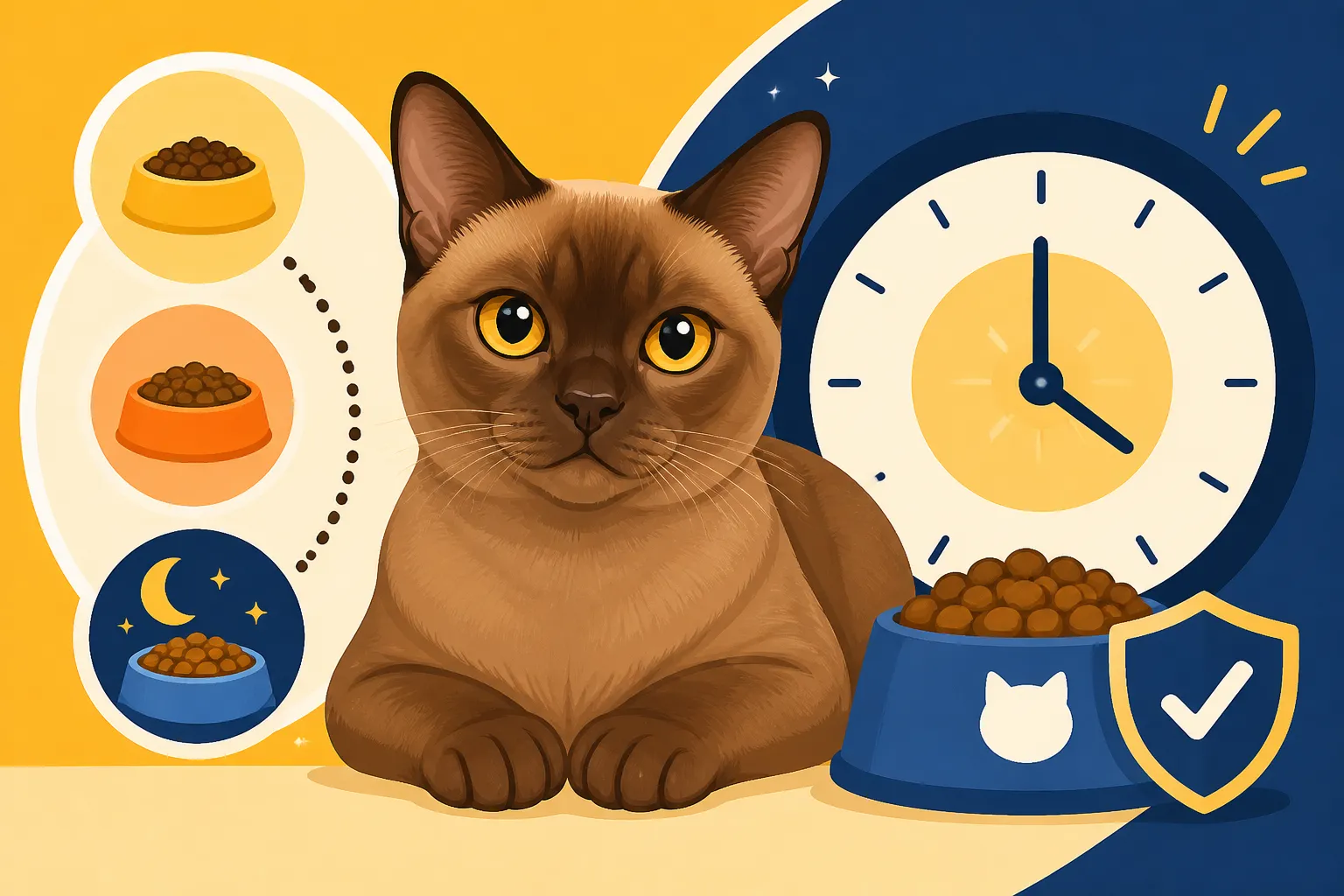
Why a Burmese’s Feeding Times Have to Stay Fixed
It can feel like a constant juggle trying to keep up with daily routines, and for many cat owners, feeding times might seem like one of the few areas where you can be a little flexible. After all, a cat will let you know when it's hungry, right? While that's true to an extent, for our beloved Burmese companions, inconsistent feeding isn't just an inconvenience; it can actively put their health at risk and undermine their well-being. This guide will help you understand precisely why a strict feeding schedule is non-negotiable for a Burmese and how to implement one successfully.
The Burmese Metabolism and the Shadow of Diabetes
Burmese cats are absolutely gorgeous creatures, full of personality and affection. But beneath that sleek, satin coat lies a genetic predisposition that makes their diet and feeding routine incredibly critical: an alarmingly high risk of developing diabetes. It's a sobering fact that this breed faces a much higher likelihood of this chronic condition compared to other felines.
Why the Burmese Is Predisposed to Diabetes
When we talk about the Burmese and diabetes, we're not just throwing out a casual warning; we're referring to a well-documented genetic vulnerability. Studies have shown that the Burmese breed, particularly lines from Australia and Europe, have a unique genetic makeup that influences how their bodies process glucose and produce insulin. This means their pancreatic cells can become exhausted or less effective at regulating blood sugar levels over time. It's not just about what they eat, but when and how much they eat. An erratic feeding schedule can constantly spike and drop their blood sugar, putting immense strain on an already vulnerable system. Think of it like a car engine designed for smooth, consistent driving being constantly revved and then stalled; eventually, something is going to give. For a Burmese, that "something" is often their pancreas. This is why Why a Burmese Is Four Times More Likely to Become Diabetic is a topic every owner needs to understand deeply.
The Impact of Inconsistent Meals on Blood Sugar
Imagine your body never knowing when its next meal is coming. Sometimes it's early, sometimes late, sometimes a huge portion, sometimes a tiny one. Your system would be in a constant state of flux, trying to anticipate and react. For a Burmese, this scenario is particularly damaging. When you feed your cat at irregular times, their body has no chance to establish a stable rhythm for insulin production and glucose metabolism. Each meal becomes a surprise, forcing their pancreas to either overproduce or underproduce insulin in response. Over years, this chronic stress can exacerbate their genetic predisposition, making the leap from "at risk" to "diabetic" far more likely.
A fixed feeding schedule, on the other hand, allows their body to anticipate food intake. Their system can prepare, releasing insulin in a more controlled and efficient manner, which helps to keep blood sugar levels steady. This consistency is a cornerstone of preventing diabetes in healthy Burmese cats and is absolutely crucial for managing it if your cat has already been diagnosed. This proactive approach with feeding is a significant part of Why Low Carbohydrate Food Matters for a Burmese and its overall health.
The Psychological Toll of Unpredictable Routines
Beyond the critical physiological aspects, a Burmese cat's mental and emotional well-being is deeply tied to routine. These are not aloof, independent cats that tolerate inconsistency; they thrive on predictability and closeness with their human companions.
Burmese: Creatures of Comfort and Habit
Burmese cats are often described as "Velcro cats" for a reason. They bond intensely with their families and crave interaction and routine. They are intelligent, observant, and quickly learn the rhythms of your household. From the moment you wake up to the sound of your morning coffee brewing, they're internalizing these patterns. When meal times become unpredictable, it's like suddenly scrambling a deeply ingrained routine. This lack of predictability doesn't just confuse them; it creates genuine anxiety. A Burmese expects dinner when dinner usually arrives, and when it doesn't, that can be a source of significant stress.
This stress can manifest in various ways, none of which are pleasant for you or your cat. An anxious Burmese might become more vocal, incessantly meowing or pacing. They might start destructive behaviors, like scratching furniture more aggressively or even exhibiting appetite changes, either refusing food when it's finally offered or gorging themselves. This intense need for predictability extends to all aspects of their lives, which is why What Separation Anxiety Looks Like in a Burmese is such a serious concern for owners.
The Link Between Feeding Schedule and Behavioral Health
Think about a time when you've been truly hungry, your stomach rumbling, and you had no idea when your next meal was coming. That gnawing uncertainty, that low-level stress, is something a Burmese can experience daily if their feeding schedule is all over the place. For a breed that already struggles with being left alone for extended periods – Why a Burmese Cannot Be Left Alone All Day is a common refrain among breeders – adding mealtime uncertainty just piles on the anxiety.
This isn't just about a cat being "hangry." It's about a foundational element of their daily structure being undermined. A consistent feeding schedule provides a sense of security and predictability, reinforcing their trust in you as their provider. It can prevent food-related anxieties, reduce begging behavior (because they know when they will eat next, even if they still try to convince you it's sooner!), and generally contribute to a calmer, happier cat. When your Burmese knows exactly when their two daily meals will appear, they can relax and enjoy the periods in between, secure in the knowledge that their needs will be met.
Crafting and Maintaining a Fixed Feeding Schedule
So, you understand the "why." Now, let's talk about the "how." Establishing and sticking to a fixed feeding schedule for your Burmese doesn't have to be a monumental task, but it does require commitment and consistency.
How to Set Up a Consistent Routine
The general recommendation for adult cats, especially Burmese, is two meals a day. This mirrors their natural hunting pattern of small, frequent meals, but in a controlled environment. The key is to pick specific times and stick to them, every single day. For instance, 7:00 AM and 7:00 PM. No exceptions, even on weekends or holidays.
Here's a step-by-step approach:
- Choose Your Times: Select two times that genuinely work for your household schedule. Can you be reliably present at these times? Early morning and early evening often work well.
- Measure Precisely: This isn't a "scoop and hope" situation. Every Burmese meal should be weighed. Investing in a small digital kitchen scale is paramount. You need to know How Many Grams a Burmese Gets in a Measured Meal to ensure they are getting the right amount of calories and nutrients, especially given their diabetes risk. This attention to detail is truly Why a Burmese's Portion Is Weighed, Not Scooped.
- Choose the Right Food: High-quality, low-carbohydrate wet food is generally recommended for Burmese cats to help manage their predisposition to diabetes. Discuss specific brands and formulas with your vet, but remember that many excellent options are available from retailers like Chewy or Amazon that specialize in pet nutrition.
- Stick to It: This is the hardest part. Set reminders on your phone. Get your family on board. Your Burmese will quickly learn the routine, and you'll notice them appearing like clockwork around meal times.
- Be Prepared for Adjustments: Life happens. If you absolutely must deviate, try to make it minimal. A small shift of 15-30 minutes occasionally is less disruptive than massive swings. If you're going to be away, ensure your pet sitter understands the strict schedule.
Dealing with Feeding Challenges
- Multi-Cat Households: This can be tricky if not all cats are on the same diet or schedule. Microchip feeders (available on Amazon) can be a lifesaver, only opening for the designated cat's microchip. This ensures each cat eats its own specific, weighed meal at its own time. Otherwise, you'll need to feed cats in separate, secure rooms. How to Feed a Diabetic Burmese in a Multi Cat House is a common concern, and separate feeding areas are often the simplest solution.
- The Begging Game: Burmese are champions of begging. Once you establish a schedule, they'll still try to convince you they haven't eaten in days. Stick to your guns! They will eventually learn that begging won't yield extra food outside of their designated meal times. Treats, if given, should be factored into their daily caloric intake and offered strategically, perhaps as part of a training session, rather than randomly.
- Sudden Refusal to Eat: If your Burmese, who is usually enthusiastic about mealtime, suddenly refuses to eat for more than 24 hours, this is a red flag. A Burmese that stops eating can quickly develop serious health issues, particularly fatty liver disease. Consult your vet immediately. This is one of the ways How Diabetes Develops in a Burmese can be complicated.
| Aspect of Feeding | Why It's Crucial for Burmese | Actionable Tip |
|---|---|---|
| Fixed Times | Stabilizes blood sugar, reduces anxiety, reinforces routine. | Set alarms for 2 meals/day, stick to them. |
| Measured Portions | Prevents over/underfeeding, critical for weight and diabetes management. | Use a digital kitchen scale for every meal. |
| Low-Carb Wet Food | Supports pancreatic health, aids glucose regulation. | Consult vet for recommended brands, check labels for carb content. |
| Consistency | Builds trust, reduces begging, prevents behavioral issues. | Involve all household members, minimize deviations. |
| Separate Feeding | Prevents food theft, especially in multi-cat homes. | Use microchip feeders or feed in separate rooms. |
The Long-Term Payoff: Health and Harmony
Committing to a fixed feeding schedule might feel like a rigid imposition initially, but the long-term benefits for your Burmese's health and your household's harmony are immeasurable.
A Foundation for Lifelong Health
By diligently adhering to a consistent feeding routine, you are actively participating in your Burmese's preventative healthcare. You are helping to stabilize their blood sugar, reduce the strain on their pancreas, and significantly lower their risk of developing diabetes. If they are already diabetic, this routine is the backbone of successful management, making insulin administration more effective and preventing dangerous blood sugar fluctuations.
Furthermore, regulated feeding supports healthy weight management. Obesity is a major risk factor for many feline diseases, including diabetes and arthritis. When you weigh out portions and feed at set times, you have greater control over their caloric intake. This is Why Portion Control Is Medical Care in a Burmese, it's not just about keeping them slim; it's about keeping them healthy and extending their active, playful years.
A Calmer, More Content Companion
A well-fed Burmese on a predictable schedule is generally a happier, more settled cat. The reduction in anxiety stemming from mealtime uncertainty means less vocalization, fewer stress-related behaviors, and a more relaxed demeanor. They know their needs will be met, fostering a deeper sense of security.
This predictable routine also strengthens your bond. Your Burmese will associate you even more strongly with care and comfort. Those moments around mealtime become cherished rituals, opportunities for interaction, and a reinforcement of the loving relationship you share. Ultimately, by providing this simple yet profound consistency, you are contributing to a long, vibrant life for your cherished feline friend, allowing them to truly enjoy The Sixteen to Eighteen Years a Well Bred Burmese Gets that they deserve.
Disclaimer
This article is for general informational purposes only and does not constitute professional advice. Laws, prices and regulations vary by location and change over time. Consult a qualified professional for guidance on your specific situation.