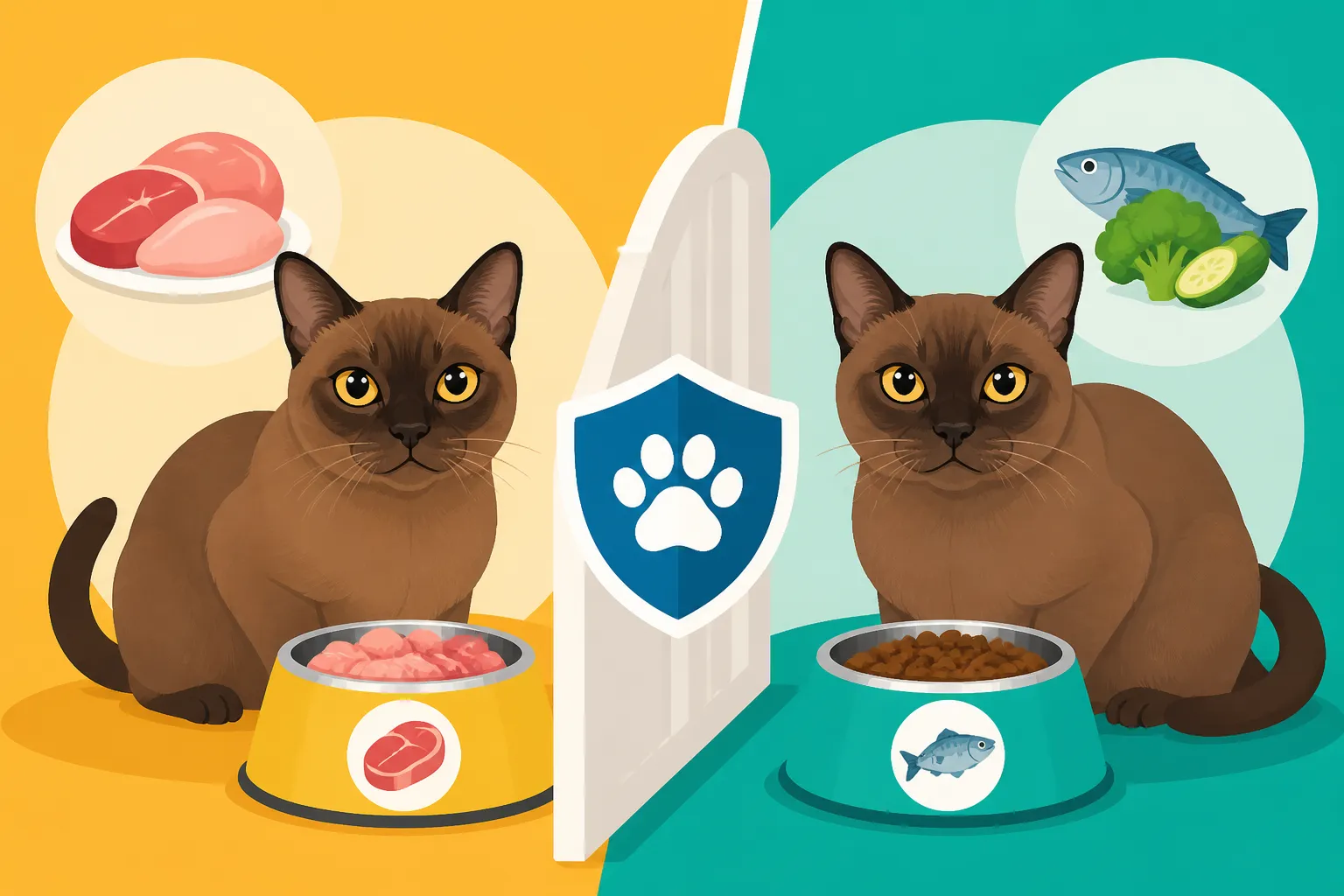
How to Keep Two Burmese on Different Diets
It's a familiar scenario for many Burmese cat parents: you have two beautiful, affectionate furballs, but they're not quite the same when it comes to what they should be eating. Maybe one has been diagnosed with a health issue that requires a specific diet, while the other is perfectly healthy, or perhaps one is a little too enthusiastic about food and needs strict portion control. Trying to manage separate feeding routines in a multi-cat household, especially with clever, food-motivated Burmese, can feel like navigating a minefield, leading to frustration, stolen kibble, and worry. This comprehensive guide will walk you through effective strategies to ensure each of your beloved Burmese cats gets exactly the nutrition they need, without turning your home into a chaotic feeding zone.
Understanding Why Separate Diets Become Necessary
When you have more than one cat, especially two delightful Burmese, it’s easy to assume a one-size-fits-all approach to their meals. After all, they’re both cats, right? But just like people, cats have individual needs that can diverge significantly over time, particularly as they age or develop health conditions. Ignoring these differences can have serious consequences for their well-being.
The Individual Nutritional Needs of Burmese
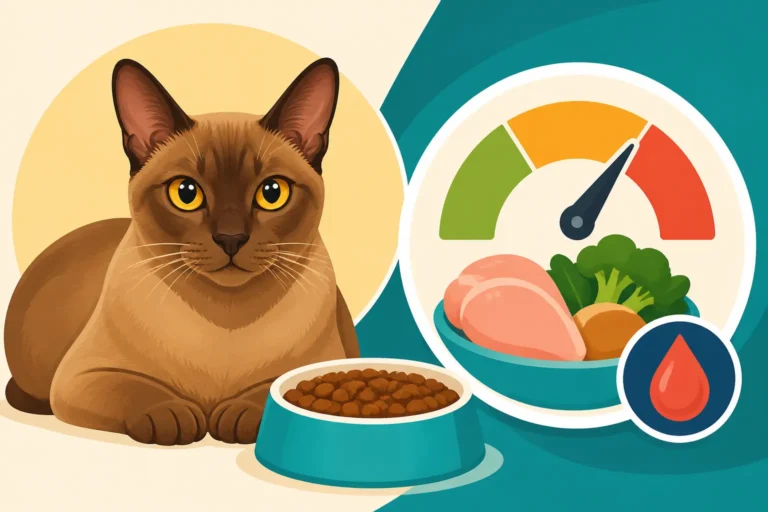
Burmese cats, for all their charming personalities, are unfortunately predisposed to certain health conditions that often require specific dietary management. Perhaps the most prominent of these is diabetes. You might find yourself in a situation where one of your Burmese needs a low-carbohydrate, high-protein diet to manage their blood sugar, while their housemate could thrive on a more standard maintenance food. It's a sobering fact that Why a Burmese is Four Times More Likely to Become Diabetic, making this a very real concern for many owners.
Beyond diabetes, you could have one Burmese who is a senior and needs a diet tailored for aging felines, often with adjusted calorie counts and joint support. Another might be struggling with kidney issues, necessitating a prescription diet lower in phosphorus and protein. Then there are the persistent weight management battles; one cat might be a svelte athlete, while the other has put on a few too many pounds and needs a strict calorie-controlled plan. Allergies, too, can crop up in one cat, requiring novel protein sources or limited ingredient diets, while the other is happy with anything you put in front of them. The challenge is magnified by the Burmese's inherent love of food; they are not shy about asking for, or trying to steal, an extra meal, which means any diet plan needs careful enforcement. Feeding a Burmese Is a Medical Decision, Not a Preference truly comes into play here.
Recognizing the Challenges of Multi-Cat Households
Managing different diets becomes a true feat of logistical genius when you have multiple cats. The natural instinct of cats, especially in a shared environment, is to investigate and often consume whatever food is available. For Burmese, with their famously strong appetites and intelligent, curious natures, this instinct is amplified. They are master scavengers and incredibly persistent when it comes to food. It's not uncommon for one Burmese to eagerly finish their own meal and then immediately try to muscle in on their housemate's bowl. Why a Burmese Finishes the Other Cat's Bowl Too isn't just a funny anecdote; it's a daily reality for many owners trying to keep diets separate.
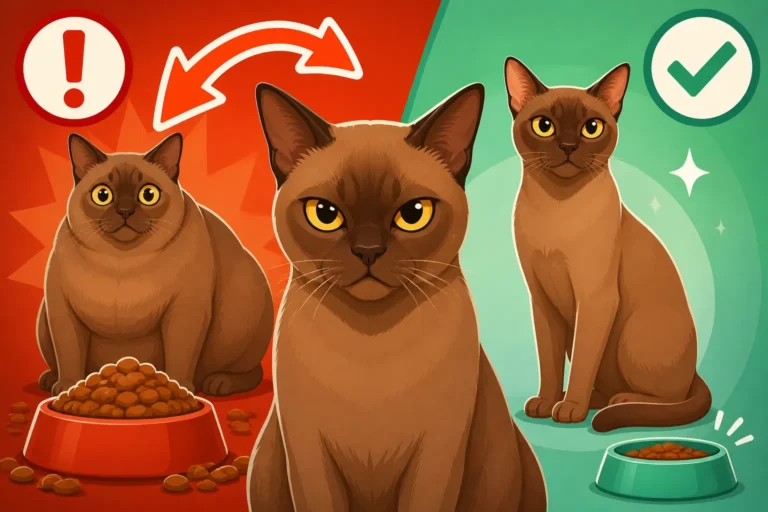
This food competition can lead to stress for both the cats and you. The cat on the special diet might feel rushed or intimidated, not getting enough of their prescribed food, while the other cat might be overeating. Imagine one Burmese needing a specific low-carb meal for diabetes, and their healthy sibling constantly attempting to swipe bites. Not only does this undermine the health goals for the diabetic cat, but it can also lead to unhealthy weight gain in the healthy cat. It’s not just about preventing them from eating the wrong food; it’s also about ensuring they eat enough of the right food in a calm, secure environment. Over time, allowing one cat to consistently eat another's specialized food can lead to new health problems or exacerbate existing ones, turning a relatively simple dietary need into a complex medical challenge.
Strategies for Enforcing Separate Diets
So, how do you make sure Fluffy gets her prescription kidney diet while Buttons enjoys his regular maintenance food, all without a wrestling match breaking out at mealtime? It requires a combination of careful planning, consistent execution, and sometimes, a little help from technology.
Controlled Feeding Times and Supervision
The absolute cornerstone of successful multi-cat separate dieting is eliminating free feeding. Leaving food out all day, even if it's two different bowls, simply invites trouble and makes it impossible to control who eats what. The golden rule here is: no food left unsupervised. Why a Burmese Should Never Be Free Fed. Instead, you need to implement scheduled meal times. This means serving meals at specific, consistent times each day, perhaps twice a day, to mimic their natural hunting cycles and keep their metabolism regulated.
When mealtime arrives, you must be present and actively supervise. This often involves physically separating your cats. One popular method is to feed them in different rooms. For example, Fluffy might eat her special diet in the kitchen with the door closed, while Buttons enjoys his meal in the living room. For even more enthusiastic eaters, some owners find success using large pet crates for feeding. Each cat gets their own crate, bowl, and a moment of peace to eat without competition. Once everyone has finished eating, or after a set amount of time (usually 15-20 minutes), all remaining food must be picked up immediately. This prevents any sneaky snacking later and reinforces that food is only available during designated times. Consistency is key here; cats thrive on routine, and knowing exactly when and where they'll eat helps reduce anxiety and food-related stress.
Utilizing Technology and Specialized Feeders
In today's world, technology can be a fantastic ally in the quest for separate diets. For many households, especially those with busy schedules, microchip feeders are a game-changer. These ingenious devices read your cat's existing microchip (or a tag worn on their collar) and only open for that specific cat. This means you can place Fluffy's special kidney diet in a microchip feeder, and only Fluffy will be able to access it. Buttons, even if he's the most determined food thief, will find the feeder remains stubbornly closed to him. Brands like SureFeed offer popular microchip feeders that can simplify this process significantly. You can find these helpful gadgets on platforms like Chewy or Amazon, making them accessible solutions for pet parents.
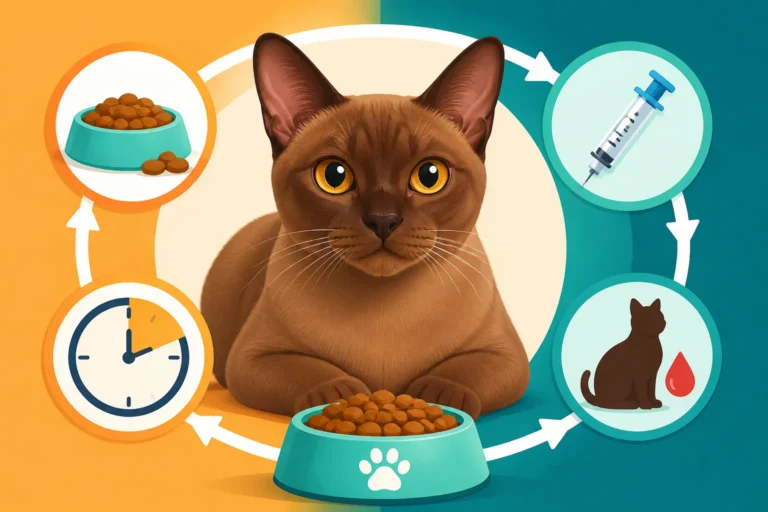
Another option, though less precise for truly separate diets, is a timed automatic feeder. These are excellent for delivering pre-portioned meals at scheduled times, which is critical for portion control and maintaining a consistent schedule, especially for a diabetic Burmese who needs meals precisely timed with insulin injections. Whether a Timed Feeder Suits a Burmese on Insulin. However, they don't prevent one cat from eating another's food if bowls are left out. They work best when paired with other strategies, like separate feeding locations, or if both cats are on the same diet but need strict portioning. For example, if both your Burmese need calorie restriction but one needs a specific type of food, a microchip feeder is superior. Some advanced feeders even have apps that let you program meal times and portion sizes from your phone, which can be incredibly convenient for managing complex feeding schedules.
Strategic Feeding Locations
Beyond timed and microchip feeders, the physical arrangement of your feeding stations can make a huge difference. Cats are vertical creatures, and utilizing different elevations can be a surprisingly effective way to separate diets. If one of your Burmese is nimble and loves to jump, you might feed them on a counter, a high shelf, or a sturdy cat tree platform that their less agile or older housemate cannot reach. This creates a natural barrier.
Another common strategy involves using baby gates or pet gates to create distinct feeding zones. You can feed one cat in the kitchen behind a gate, and the other in the dining room, ensuring they can see each other if they crave company but cannot physically access each other's food. For cats needing extra privacy, a spare bedroom or a quiet utility room can serve as a dedicated dining area. The key is to make these spaces calm and stress-free. Avoid feeding near noisy appliances or high-traffic areas, as this can make an anxious cat less likely to eat their full meal. Remember, the goal isn't just to prevent cross-eating, but to ensure each cat finishes their food without feeling threatened or rushed.
Practical Tips for Smooth Transitions and Long-Term Success
Implementing new feeding routines can be a challenge, especially with intelligent and opinionated Burmese cats. It's not something that happens overnight, and you'll likely encounter some resistance. Patience and consistency are your best friends here.
Gradual Introduction and Positive Reinforcement
Any change in a cat's routine, particularly around food, should be introduced gradually. If you're switching to a new food, mix a small amount of the new diet with their old food, slowly increasing the proportion over several days or even a week. This minimizes digestive upset and helps your Burmese accept the change. When introducing new feeding methods, like separate rooms or microchip feeders, start by making them positive experiences. Lure your cat into their designated feeding area or feeder with treats or their favorite food. Use praise and gentle petting while they eat. You want them to associate the new routine with good things, not stress or deprivation.
Avoid scolding or punishing a cat for trying to steal food. This can create negative associations with mealtime and even lead to stress-related behaviors. Instead, gently redirect them. If Fluffy tries to sneak a bite of Buttons' food, simply pick her up and place her back in her own feeding spot, or offer her a small, acceptable treat in her designated area. For particularly stubborn Burmese, persistence is key. They might test your boundaries, but staying firm and consistent will eventually teach them the new rules. The goal is to make separate feeding a predictable and non-stressful part of their day.
Managing Food Scavenging and Cross-Contamination
Burmese cats are notoriously clever and persistent when it comes to food. They will explore every avenue to get an extra morsel, which means you need to be vigilant about food security. As mentioned earlier, immediately pick up any uneaten food once mealtime is over. Leaving even a few crumbs can be an invitation for the other cat to finish it off, undoing all your hard work. Store all cat food securely in airtight containers, out of paw's reach. Don't leave bags of food accessible on the counter; your Burmese will consider that an open invitation!
Consider using puzzle feeders for the cat on the general diet. These can slow down fast eaters, making them work for their meal, which buys time for the cat on the special diet to finish eating. It also provides mental enrichment and can prevent boredom-related overeating. Which Puzzle Feeder Slows a Greedy Burmese Down can be a real boon for those healthy but greedy eaters. You can find a wide variety of puzzle feeders from online retailers like Chewy or Amazon, ranging from simple dispenser balls to more complex mazes. Ensuring food is not left lying around is also crucial for hygiene and preventing pests. Consistency in cleaning up after meals reinforces the idea that food is available only during specific times.
Monitoring Health and Adjusting as Needed
Once you've implemented your separate feeding strategies, the work isn't over. Ongoing monitoring of both your Burmese cats is crucial. Keep a close eye on their weight; weekly weigh-ins can be invaluable, especially for cats on weight management or diabetic diets. Why a Burmese's Weight Should Be Recorded Monthly. Any significant changes, up or down, warrant a conversation with your vet. Observe their appetite, energy levels, and general demeanor. A sudden decrease in appetite, increased thirst, or changes in litter box habits (like increased urination) can be early indicators that something isn't right or that the diet isn't working as intended. For instance, Why a Burmese Drinking More Needs Testing That Week is vital information if you suspect diabetes might be worsening or emerging.
Regular veterinary check-ups are always important, but even more so when managing special diets. Your vet can provide guidance on calorie counts, ingredient choices, and monitor their overall health through blood tests and physical exams. If one of your Burmese is diabetic, your vet will guide you through Caring for a Diabetic Burmese at Home, which often involves home glucose monitoring and insulin adjustments. Don't be afraid to experiment with different feeder types or feeding locations if one method isn't working. Every cat is an individual, and what works for one might not work for another. Tailored fresh food meal plans can sometimes simplify managing different diets with distinct, pre-portioned meals for each cat, though you would still need to enforce separate feeding to prevent swapping.
Feeding Method Comparison for Multi-Burmese Households
| Feeding Method | Description | Pros | Cons | Best For |
|---|---|---|---|---|
| Supervised Feeding | Serving meals in separate, closed rooms or crates, with owner present. | Full control over who eats what; ensures each cat eats their full portion. | Requires owner presence for every meal; can be time-consuming. | Any household needing strict dietary separation; cats with intense food drive or aggression. |
| Microchip Feeders | Feeder opens only for a specific cat's microchip or RFID tag. | Excellent for preventing food swapping; allows for free-feeding of specific diets. | Initial cost of feeders; some cats may need training to use them. | Cats on prescription diets; weight management where one cat needs limited access to food. |
| Timed Automatic Feeders | Dispenses pre-set portions at scheduled times. | Ensures consistent meal times; good for portion control. | Does not prevent other cats from accessing the food once dispensed; can be noisy. | Cats on the same diet needing portion control; owners with consistent schedules but who are away during meals. |
| Elevated Feeding | Placing one cat's food on a high surface (counter, shelf, cat tree). | Simple physical separation without extra equipment. | Only works if one cat cannot access the elevated spot; risk of falls for older/less agile cats. | Households with a clear physical difference between cats (e.g., one is older and less agile). |
| Pet Gates/Barriers | Using gates to create separate feeding zones within the home. | Allows visual contact while separating food; relatively low cost. | Determined cats can sometimes jump or climb gates; requires dedicated space. | Households with cats that are not overly athletic jumpers; creating temporary feeding areas. |
Disclaimer
This article is for general informational purposes only and does not constitute professional advice. Laws, prices and regulations vary by location and change over time. Consult a qualified professional for guidance on your specific situation.