Caring for a Diabetic Burmese at Home
Getting a diabetes diagnosis for your beloved Burmese cat can feel like a punch to the gut. One moment, you're enjoying their playful antics and affectionate purrs, and the next, you're grappling with terms like insulin, glucometers, and carbohydrate percentages. It’s completely normal to feel overwhelmed, scared, and even a little heartbroken. You might be wondering how you’ll ever manage daily injections or constantly monitor their health. This comprehensive guide is here to walk you through the realities of caring for a diabetic Burmese at home, offering practical advice and empathetic reassurance every step of the way, helping you transform fear into confident, compassionate care.
Understanding Burmese Diabetes: The Daily Reality
When you first hear that your Burmese has diabetes, it can be a profoundly disorienting experience. You might have noticed subtle changes – a bit more thirst, more frequent trips to the litter box, or perhaps a hunger that seems insatiable despite weight loss – but nothing that screamed "major illness." Then comes the veterinary visit, the blood tests, and the confirmation. This is a moment where your world shifts, and suddenly, you're not just a cat owner, but a dedicated caregiver navigating a chronic health condition.
Recognizing the Signs and Specific Vulnerabilities
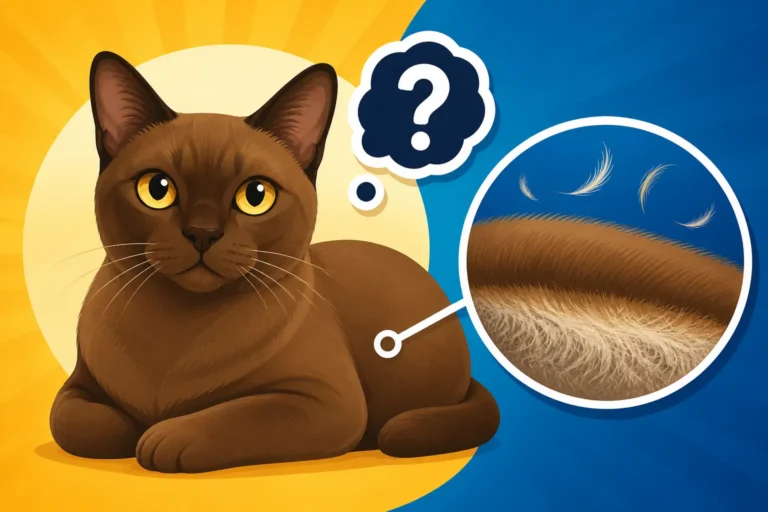
Burmese cats, for all their charming personalities and athletic builds, carry a known genetic predisposition that makes them significantly more susceptible to diabetes than many other breeds. It’s not a reflection of your care, but an inherent vulnerability. You might initially shrug off increased thirst as a hot day, or extra trips to the litter box as just a "full bladder." However, these seemingly minor changes are often the early whispers of a deeper issue. Your cat might start drinking from unusual places, like the sink or shower, far more often than before. Their litter box will fill up faster, with larger, more dilute urine clumps.
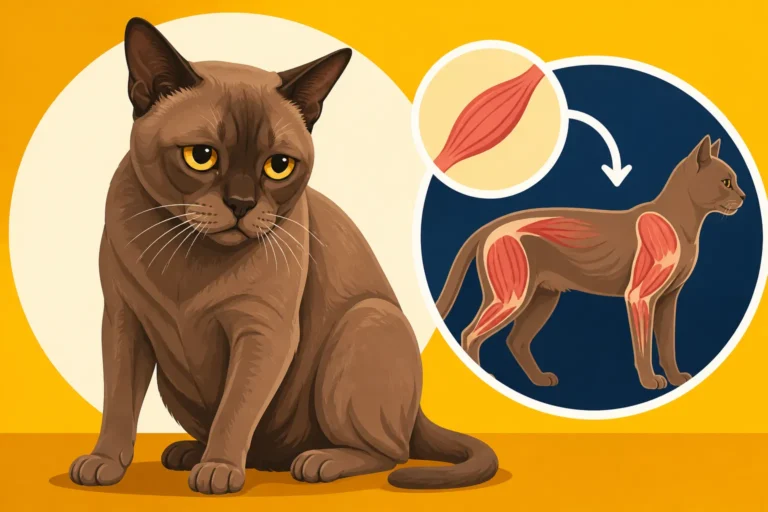
Alongside increased thirst and urination (polydipsia and polyuria), you might observe polyphagia – a ravenous hunger. Your Burmese, already known for their love of food, might become utterly obsessed, begging constantly, trying to steal food off counters, or finishing another cat's meal. Yet, despite eating more, they often lose weight. This paradoxical combination of eating a lot and losing weight, coupled with excessive drinking and urinating, is a hallmark of diabetes. What makes it even trickier with a Burmese is their incredibly affectionate and resilient nature. They are masters at purring through discomfort, and their need to be close to you might mask how truly unwell they are. Why a Burmese Hides Illness Behind Its Affection is a very real factor that can delay recognition of these critical signs.
Because of this breed-specific vulnerability, understanding What Diabetes Looks Like in a Burmese is paramount. It means not dismissing these subtle cues as just "getting older" or "being quirky." Recognizing these signs early allows for prompt veterinary intervention, which can significantly impact the long-term prognosis and potentially even lead to remission in some cases. It's a heavy burden, but knowing what to look for empowers you to be your cat's best advocate.
The Immediate Aftermath of a Diagnosis
The initial shock of a diabetes diagnosis can leave you reeling. Your vet will have likely performed a series of tests, including blood glucose checks and a fructosamine test, to confirm the condition. How a Diabetic Burmese Is Diagnosed involves these steps, which can feel quite clinical and overwhelming when you're absorbing the news. Suddenly, you're being handed brochures about insulin types, syringe sizes, and dietary restrictions, and it feels like you've been thrust into a medical degree program you never signed up for. The sheer volume of information, combined with the emotional weight, can make you feel inadequate or afraid of making a mistake.
It's crucial to remember that this feeling is normal. Many dedicated cat owners, even those with years of experience, feel completely lost when facing a chronic illness diagnosis like diabetes. The good news is that diabetes in cats, particularly in a breed as resilient as the Burmese, is often highly manageable with consistent home care. While it demands commitment and a significant adjustment to your daily routine, it's not a death sentence. Thousands of Burmese cats live long, fulfilling lives with diabetes, thanks to their dedicated owners learning the ropes. Your vet is your partner in this, and they will guide you through the initial steps, demonstrating how to administer insulin and providing detailed dietary recommendations. It truly is a journey, and with each successful injection and stable glucose reading, your confidence will grow.
Crafting the Perfect Diet: Your Burmese's Lifeline
When it comes to managing diabetes in your Burmese, diet isn't just about what they prefer to eat or ensuring they get enough calories. It transforms into a powerful, daily medical intervention. What goes into their bowl directly impacts their blood sugar levels, their insulin needs, and ultimately, their overall health and quality of life. This makes dietary management the absolute cornerstone of diabetic care.
The Non-Negotiable Low-Carbohydrate Approach
For a diabetic Burmese, a low-carbohydrate, high-protein wet food diet is not just recommended, it's virtually non-negotiable. Think of it this way: carbohydrates are essentially sugars, and consuming them sends blood glucose levels soaring. This creates a constant uphill battle for your cat's body, requiring more insulin to bring those levels back down. Traditional dry kibble, unfortunately, is often laden with carbohydrates – starches from corn, wheat, rice, or potatoes – which are terrible for a diabetic cat. Why Low Carbohydrate Food Matters for a Burmese cannot be overstated. By minimizing carbs, you create a more stable blood sugar environment, which in turn reduces the demand on their pancreas and can even decrease their insulin requirements, sometimes significantly.
When searching for appropriate food, you'll be looking for wet foods that typically list meat (chicken, turkey, beef, fish) as the first few ingredients and have a carbohydrate content of 10% or less on a dry matter basis. You might need to look closely at labels or consult with your vet to get specific recommendations. Many excellent veterinary prescription diets are formulated specifically for diabetic cats, which simplifies the choice considerably. These foods are designed to support stable blood sugar and often help with weight management, another crucial aspect of diabetes control. Online retailers like Chewy are fantastic resources, often allowing you to filter by "prescription diet" or "low carb" and offering convenient home delivery for these specialized foods.
Transitioning your Burmese to a new diet, especially a less palatable one if they're used to carb-heavy foods, can be a challenge. Cats are notorious for their finicky eating habits! Start slowly, mixing a small amount of the new food with their old food, gradually increasing the proportion over several days or even a couple of weeks. Warming the food slightly can enhance its aroma and make it more appealing. Patience and persistence are key; remember, this dietary change is a critical part of their medical treatment.
Precision Portion Control and Strict Meal Timings
For a diabetic Burmese, gone are the days of leaving a bowl of kibble out for them to graze on whenever they please. Free-feeding is a recipe for uncontrolled blood sugar spikes and weight gain, both of which severely undermine diabetes management. Now, every meal needs to be carefully portioned and given at precise, consistent times each day. Think of their food as a measured dose of medicine, just like their insulin.
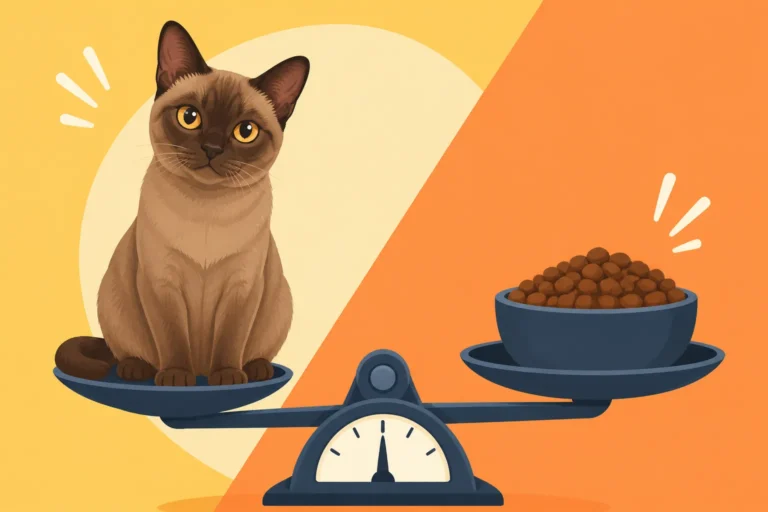
The importance of weighing, not scooping, their food cannot be stressed enough. A "scoop" can vary wildly in quantity depending on how tightly packed the food is, leading to inconsistent calorie intake and unpredictable blood sugar levels. Investing in a reliable digital kitchen scale is a must. These are inexpensive and readily available on platforms like Amazon, and they allow you to accurately measure every meal down to the gram. Why Portion Control Is Medical Care in a Burmese is a fundamental aspect of regulating their metabolism and ensuring their insulin dose matches their caloric intake.
Most diabetic cats benefit from two meals a day, spaced evenly (e.g., 12 hours apart), and crucially, these meals are often timed to coincide with their insulin injections. Your vet will provide a specific feeding and injection schedule, but typically, food is offered just before or immediately after their insulin shot. This consistency is vital for creating a predictable blood sugar curve and allowing the insulin to work most effectively. If you have other cats in the household, this precise feeding schedule can become an Olympic sport. You might need to feed your diabetic Burmese in a separate room, use microchip-activated feeders that only open for their specific chip, or simply supervise closely to ensure no food swapping occurs.
Smart Snacking: Navigating Treats and Forbidden Foods
Let's be real: denying your affectionate, demanding Burmese a treat when they look up at you with those pleading eyes can feel downright impossible. They are masters of persuasion! However, most commercial cat treats, especially crunchy ones, are packed with carbohydrates and can swiftly undo all your hard work in managing their blood sugar. A single high-carb treat can cause an undesirable spike, making their diabetes harder to control.
The good news is that "treats" don't have to be off the table entirely; they just need a redefinition. Safe, low-carb alternatives are your new best friends. Tiny pieces of plain, cooked chicken or turkey breast (no skin, no seasoning) are usually a big hit and negligible in carbs. Freeze-dried meat treats, which consist of 100% meat, are also excellent choices and widely available from pet stores or online retailers like Chewy. Just remember to factor even these into their overall daily calorie intake, especially if weight management is also a goal.
It's also important to establish a strict 'no human food' rule for your diabetic Burmese, unless specifically approved by your vet. While a tiny bit of plain meat might be okay, even small quantities of our sugary or starchy foods can have a significant impact on their delicate metabolic balance. Instead of food-based rewards, double down on affection, playtime, and verbal praise. A Burmese cherishes interaction, so a good cuddle session or a few minutes with a favorite wand toy can be just as rewarding as a forbidden bite.
Insulin Therapy: Becoming Your Cat's Nurse
For most diabetic Burmese cats, daily insulin injections are a reality. The thought of giving your beloved cat a shot can be incredibly daunting, conjuring images of struggling animals and emotional distress for both of you. Many owners describe feeling terrified, squeamish, or worried they'll hurt their pet. Let me reassure you: these feelings are completely normal, and with a little practice and patience, administering insulin becomes a routine part of your day, often taking mere seconds.
Mastering the Art of the Injection
The first few times you administer an insulin injection, your hands might shake, and your heart might pound. This is absolutely to be expected. Your veterinarian or a veterinary technician will provide thorough, hands-on training, demonstrating the correct technique. Pay close attention and don't hesitate to ask them to show you again, or even record them doing it. How to Give a Burmese Its Insulin at Home involves a few key steps that, once mastered, become second nature.
The general process involves creating a "tent" of skin – typically over their shoulder blades or along their flank – by gently lifting it with your non-dominant hand. The tiny, fine needle (usually 29-gauge or 30-gauge, which is incredibly thin) is then inserted quickly into the base of this tent. Once the needle is in, you depress the plunger to deliver the insulin, then withdraw the needle swiftly. The whole process takes seconds. Consistency in location (alternating spots to avoid tissue irritation), a calm environment, and a secure position for your cat (often on your lap, tucked under your arm, or even riding on your shoulder, where Burmese famously love to be) can make a huge difference. Following the injection with immediate praise, a gentle pat, or an approved low-carb treat helps to build a positive association. Many Burmese, being so compliant and loving, quickly learn to tolerate or even ignore the daily ritual.
Safe Storage and Handling of Insulin
Insulin is a delicate medication and requires careful storage and handling to maintain its potency. It must be kept refrigerated at all times, never frozen, as freezing can destroy the insulin molecules, rendering it ineffective. Keep it in its original box to protect it from light, and store it in a part of the fridge where it won't accidentally freeze (e.g., not against the back wall).
Before drawing up each dose, gently roll the insulin vial between your palms for about 10-15 seconds. This warms it slightly and ensures the insulin is evenly mixed. Never shake the vial vigorously, as this can also damage the insulin molecules. Once opened, insulin vials have a limited shelf life, typically 28 days, even if refrigerated. Always check the manufacturer's recommendations and your vet's instructions.
Proper disposal of used syringes and needles is also critical for safety. You'll need a designated sharps container, which you can purchase from a pharmacy or often receive from your vet. Once full, these containers are then disposed of according to local hazardous waste guidelines – your vet can advise on the correct procedure in your area. This attention to detail ensures the insulin remains effective and everyone in your household stays safe.
Glucose Monitoring: Your Window into Their Health
Managing diabetes effectively isn't just about giving insulin and feeding the right food; it's also about understanding how your Burmese's body is responding. This is where glucose monitoring comes in. While regular vet visits are essential, consistent home monitoring provides invaluable insights into your cat's daily blood sugar fluctuations, allowing for more precise management and preventing potential crises.
The Why and How of Home Blood Glucose Checks
A single blood glucose reading at the vet, or even a glucose curve done in a clinic, provides a snapshot. However, many cats experience "stress hyperglycemia" – their blood sugar spikes just from the anxiety of a vet visit, making it hard to get an accurate baseline. This is why home glucose monitoring, while initially intimidating, is a game-changer for diabetic cat owners. It gives you and your vet a much more accurate picture of how your Burmese's blood sugar behaves in their natural, unstressed environment. How a Burmese Is Monitored on Insulin at Home explains this process in detail.
To perform a home blood glucose check, you'll need a pet-specific glucometer (or a human one, with specific guidance from your vet on how to interpret the readings for cats), small lancets, and test strips. The most common site for collecting a tiny blood sample is the marginal ear vein (on the outer edge of the ear flap) or sometimes a paw pad. It sounds invasive, but with practice, most cats tolerate it well. Start by making the area warm (a warm washcloth or rubbing it gently can help blood flow), prick quickly with the lancet, and then apply the glucometer strip to the tiny bead of blood that forms.
Just like with injections, routine and positive reinforcement are key. Choose a consistent time and place, perhaps when your Burmese is relaxed on your lap. Follow every successful reading with generous praise, gentle pets, or a minuscule low-carb treat. This helps them associate the process with positive outcomes, making it less stressful for everyone involved. Keeping a detailed log of their readings, along with insulin doses and meal times, will be incredibly useful for your vet.
Identifying and Addressing Hypoglycemia
While high blood sugar (hyperglycemia) is the defining feature of diabetes, the most immediate and dangerous complication of insulin therapy is low blood sugar, or hypoglycemia. This occurs when a cat receives too much insulin, misses a meal, or has an unexpected burst of activity that uses up too much glucose. Hypoglycemia is a medical emergency that requires swift action.
It's absolutely vital for every owner of a diabetic cat to know the signs of hypoglycemia. These can include lethargy, weakness, unsteadiness or wobbliness when walking, disorientation, tremors, and in severe cases, seizures or collapse. Your cat might seem unusually quiet, unresponsive, or act "drunk." What a Hypoglycemic Burmese Looks Like elaborates on these critical indicators. Never assume your cat is "just tired" if they're displaying these symptoms.
If you suspect your Burmese is experiencing hypoglycemia, you need to act immediately. Have a source of simple sugar readily available at all times – corn syrup, Karo syrup, or even honey works. Rub a small amount (about a pea-sized dab) directly onto their gums. The sugars will absorb quickly into their bloodstream. Even if your cat is unresponsive, you can usually get some onto their gums. After administering sugar, contact your veterinarian right away. They will advise you on whether to give another small meal, how to adjust the next insulin dose, and if an emergency vet visit is necessary. Being prepared can save your cat's life.
Holistic Care for a Diabetic Burmese: Beyond Diet and Shots
Managing diabetes in your Burmese extends beyond just insulin and diet. It's about providing a comprehensive, supportive environment that addresses all aspects of their well-being. From weight management to mental health, every piece of the puzzle contributes to their overall stability and happiness.
The Critical Role of Maintaining an Ideal Weight
Weight management is inextricably linked to diabetes control in cats. Obesity is a significant risk factor for developing diabetes in the first place, and for a diabetic cat, carrying excess weight makes it much harder to achieve good blood sugar control. Fat cells interfere with insulin sensitivity, meaning the body's cells don't respond as effectively to the insulin that is available, whether naturally produced or injected.
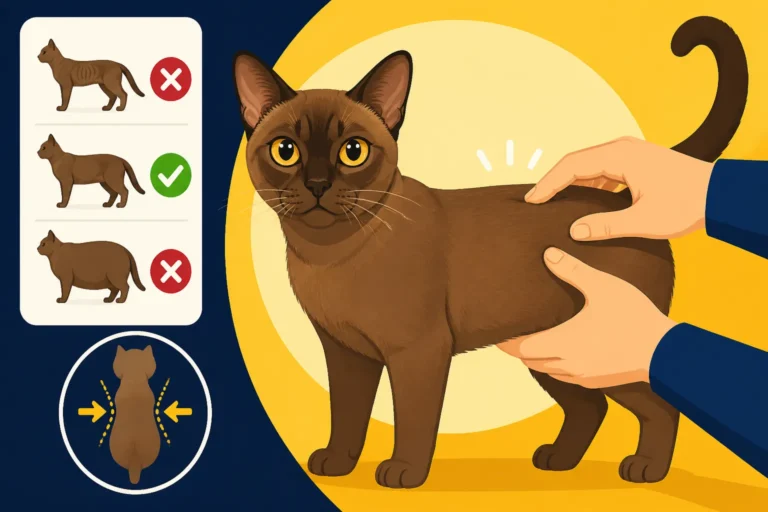
This can be a particular challenge with Burmese cats. They are naturally muscular, dense, and "brick-like" under their satin coats. This musculature can sometimes make it difficult to visually assess their body condition; a muscular Burmese might appear heavier than a svelte domestic shorthair, but still be at a healthy weight. However, it's easy for them to tip over into being overweight, especially with their renowned appetite. Regular weighing at home (weekly or bi-weekly) on a reliable digital scale is essential. You should be able to easily feel their ribs with a light touch, but not see them. They should have a distinct waist when viewed from above.
If your diabetic Burmese is overweight, gradual weight loss is crucial. Rapid weight loss in cats can lead to hepatic lipidosis (fatty liver disease), a serious and potentially fatal condition. Your veterinarian will help you calculate a safe calorie target and a realistic weight loss plan, which typically involves a very slow, controlled reduction in food intake, often paired with their low-carb diet. This patient, consistent approach will improve insulin sensitivity and make diabetes much easier to manage.
Hydration, Urination, and Litter Box Monitoring
Monitoring your Burmese's water intake and urination habits is a fundamental, yet often overlooked, part of diabetes care. Excessive thirst (polydipsia) and frequent, voluminous urination (polyuria) are classic symptoms of uncontrolled diabetes. While these signs might have led to the initial diagnosis, they remain important indicators of how well your cat's diabetes is being managed.
By tracking their water consumption and the amount of urine in their litter box, you gain valuable insight into their metabolic control. If you notice a sudden increase in thirst or urination despite consistent insulin and diet, it can be an early warning sign that their blood sugar is rising, or that their insulin dose needs adjustment. Why a Burmese's Water Intake Is a Diabetes Warning cannot be stressed enough – it's a simple observation that can alert you to a problem before it becomes severe.
From a practical standpoint, a diabetic Burmese will likely produce more urine. This means you might need to provide larger litter boxes or scoop them more frequently (at least twice a day). A clean, accessible litter box encourages regular urination and prevents accidents outside the box. Ensure they always have access to fresh, clean water in multiple locations around the house. Some cats enjoy drinking from a ceramic or stainless steel water fountain, which can encourage greater intake.
Stress Reduction and Routine Consistency
Burmese cats are creatures of habit and thrive on predictability, but more than that, they are profoundly attached to their people. Any significant disruption to their routine or a lack of companionship can cause stress, and stress, in turn, can affect blood glucose levels, making diabetes harder to control. Maintaining a calm, stable, and loving environment is therefore a vital component of their holistic care.
Establish a firm daily schedule for meals, insulin injections, playtimes, and even cuddle sessions. Consistency helps to minimize stress and keeps their metabolism more stable. Try to perform these routines at roughly the same time each day, as even minor shifts can impact blood sugar. If your schedule changes or you plan to travel, consult with your vet well in advance to create a plan that minimizes disruption to your Burmese's routine.
Remember the Burmese's intense need for companionship. They are often called "Velcro cats" for a reason – they want to be where you are, whenever you are there. A lonely or bored Burmese might exhibit stress behaviors like excessive grooming, appetite changes, or even urinating outside the box, all of which can indirectly affect their health. If you work long hours, consider whether a second, compatible cat might provide the companionship your Burmese craves. This needs careful consideration, especially with separate feeding routines for a diabetic cat, but for many Burmese, having a friend can significantly reduce stress and improve their overall well-being.
Addressing Common Challenges and Long-Term Wellness
Caring for a diabetic Burmese is a marathon, not a sprint. It's a journey of continuous learning, adaptation, and partnership with your veterinary team. While the immediate focus is on blood sugar control, long-term wellness involves addressing other health considerations and maintaining open communication with your vet.
Proactive Dental Care for Diabetic Cats
One area often overlooked in diabetic cat care is dental health, and yet, it plays a critical role. Untreated dental disease – such as gingivitis, periodontitis, or tooth resorption – creates chronic inflammation and infection in the body. This inflammation can significantly interfere with insulin's effectiveness, making it much more difficult to achieve good blood sugar control. It's like trying to put out a fire with a leaky hose.
Burmese cats are known to be prone to dental issues, with many experiencing gum recession and tooth loss as they age. Why a Burmese's Gums Recede Early means that proactive care is even more important for this breed, especially when they have diabetes. Regular dental check-ups, ideally every six to twelve months, are essential. Your veterinarian can assess their oral health and recommend professional dental cleanings under anesthesia when necessary. While anesthetic procedures always carry some risk, the benefits of removing infection and inflammation for a diabetic cat often far outweigh those risks.
At home, try to incorporate daily dental care if your Burmese tolerates it. This might involve brushing their teeth with a vet-approved enzymatic toothpaste (never human toothpaste!), or using dental wipes or oral rinses. Even if you can't manage daily brushing, regular examination of their gums and teeth can alert you to problems early, allowing for timely veterinary intervention.
Regular Veterinary Partnerships and Dose Adjustments
While home care is paramount, you are not alone in this journey. Your veterinarian is your most important partner in managing your Burmese's diabetes. Think of yourself as the daily data collector and implementer, while your vet is the chief strategist, analyzing the information and making critical adjustments to the treatment plan.
Regular veterinary appointments are crucial. These will involve comprehensive physical exams, blood tests (including fructosamine to assess long-term glucose control, and sometimes a glucose curve performed in-clinic), and urine tests. Insulin doses are rarely static throughout a cat's life. They may need adjustment due to changes in diet, weight, activity level, or if other health conditions develop. For example, Why a Burmese's Insulin Dose Changes as It Loses Weight is a common scenario as their body becomes more insulin-sensitive. Open and honest communication with your vet about home monitoring results, appetite changes, water intake, and any other observations is absolutely vital for making informed decisions.
Be prepared for the dynamic nature of diabetes management. What works perfectly for a few months might need tweaking down the line. It's a continuous process of observation, adjustment, and re-evaluation. Your vet will guide you through these changes, ensuring your Burmese receives the most appropriate and effective care.
Enjoying Life with Your Diabetic Burmese
It’s easy to get consumed by the medical routines, the numbers, and the worries when your cat has diabetes. But it's so important to remember that your Burmese is still your beloved companion, full of purrs, head butts, and playful spirit. A diabetes diagnosis is a serious health challenge, but it is not a reason to despair or to sacrifice their quality of life. Many diabetic Burmese cats, with dedicated home care, go on to live long, happy, and fulfilling lives, often reaching ages like The Sixteen to Eighteen Years a Well Bred Burmese Gets.
Focus on celebrating the moments of joy. Take pride in your diligent care, in the bond you've strengthened through this shared journey. Those perfectly timed insulin injections, the precise meals, and the calm blood glucose checks are all acts of profound love. Your Burmese will continue to climb onto your shoulder, demand cuddles under the duvet, and follow you from room to room. Their need for affection and companionship remains as strong as ever, and fulfilling that need is just as important as their medical care.
Embrace the routine, find comfort in the consistency, and marvel at your cat's resilience. Yes, it's a commitment, but the reward is the enduring presence of your cherished Burmese, still purring, still playing, and still enriching your life every single day.
| Symptom Category | Signs of Hypoglycemia (Low Blood Sugar) in Burmese Cats | Immediate Action Needed |
|---|---|---|
| Behavioral Changes | Lethargy, weakness, unusual quietness | Rub corn syrup/honey on gums; contact vet |
| Movement/Coordination | Wobbliness, stumbling, disorientation, ataxia (drunk gait) | Rub corn syrup/honey on gums; contact vet |
| Neurological | Tremors, seizures, staring into space | Rub corn syrup/honey on gums; contact vet |
| Appetite | Refusal to eat, sudden loss of interest in food | Rub corn syrup/honey on gums; contact vet |
| Consciousness | Collapse, unresponsiveness, coma | Rub corn syrup/honey on gums immediately; emergency vet |
| Other | Dilated pupils, unusually cold extremities | Rub corn syrup/honey on gums; contact vet |
Disclaimer
This article is for general informational purposes only and does not constitute professional advice. Laws, prices and regulations vary by location and change over time. Consult a qualified professional for guidance on your specific situation.