Why an Old Burmese Loses Its Muscle First
It’s a heartbreaking sight, isn't it? Your beloved Burmese, still full of that unique charm and playful spirit that melts your heart, but you can see the changes. Perhaps their once-taut muscles around their hips and spine seem a little less defined, or their usual effortless leap onto the counter now requires a bit more effort. We often think of weight loss as a bad thing, but when it’s muscle mass, especially in our senior cats, it’s a red flag. This guide is here to walk you through why our old Burmese friends often lose muscle first, how to spot it, and what practical steps you can take to help them maintain their strength and quality of life for as long as possible.
The Natural Process of Sarcopenia in Senior Burmese
Just like us, cats experience changes as they age, and one of the most significant, yet often overlooked, is the gradual loss of muscle mass. This isn't just about looking less robust; it has a profound impact on their overall health, mobility, and vitality. For our muscular Burmese, who are often described as "bricks wrapped in silk," these changes can be particularly noticeable and, frankly, a bit distressing to witness.
What is Sarcopenia and Why Cats Get It
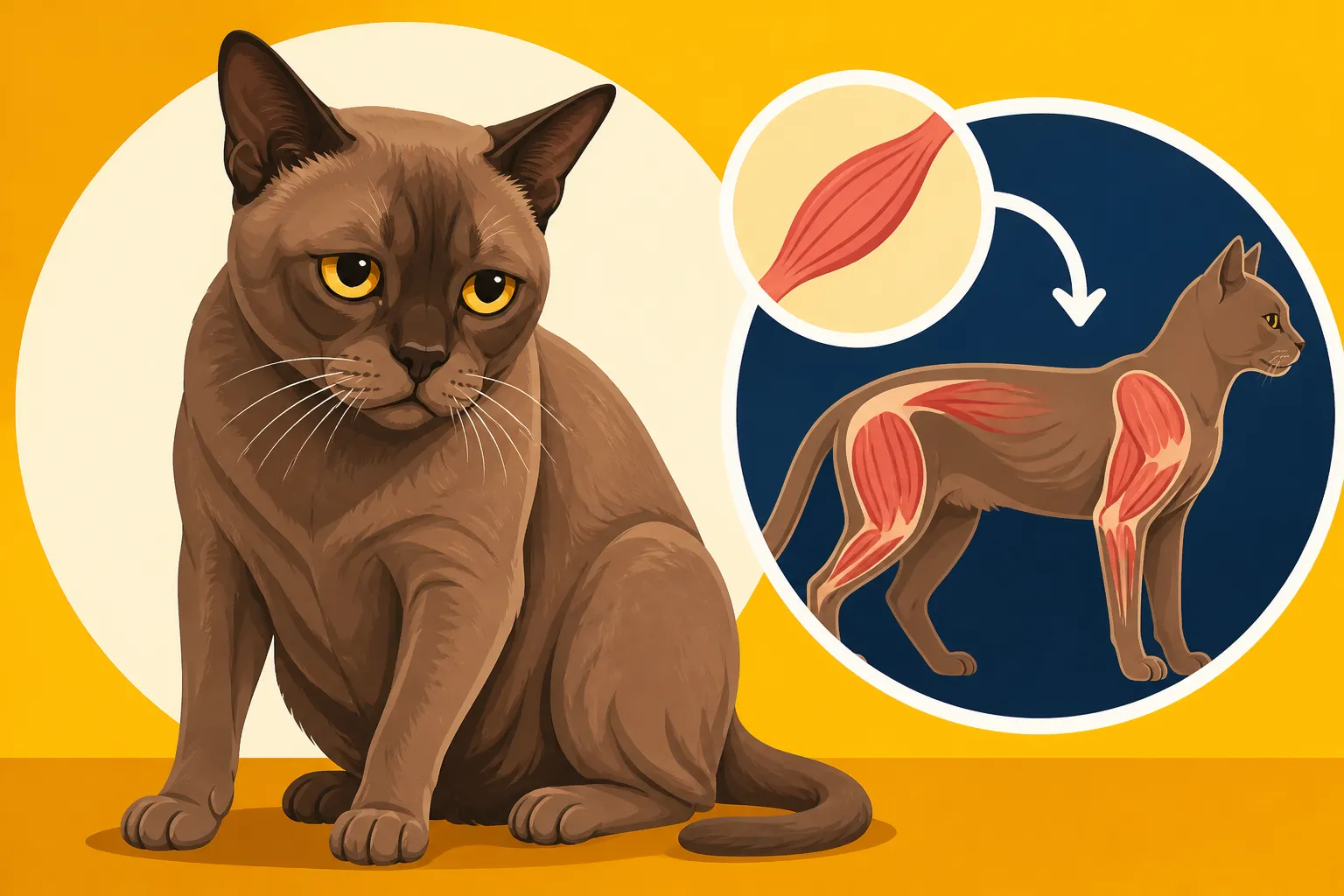
Sarcopenia is the medical term for age-related muscle loss. It's a natural, progressive condition that occurs even in healthy aging animals, leading to a decrease in muscle strength and function. Unlike losing fat, which can be a good thing if your cat is overweight, sarcopenia means losing lean body mass, which is crucial for movement, metabolism, and even immune function. It's a complex process influenced by a cocktail of factors: decreased physical activity, changes in hormone levels, chronic inflammation, and an impaired ability to synthesize protein from their diet.
For our feline friends, particularly as they venture into their senior years, this means their bodies become less efficient at maintaining and building muscle. Even if they're eating the same amount of food, their system might not be utilizing the protein as effectively to repair and build muscle tissue. This isn't just about weakness; it affects their balance, their ability to jump, and even their confidence in navigating their environment. It’s a silent, stealthy robber of their youthful vigor, making once-easy tasks feel like monumental efforts.
Why Burmese Seem Especially Prone to Early Muscle Wasting
Burmese cats are renowned for their compact, muscular bodies and their incredible athleticism. They are the acrobats of the cat world, famous for their powerful jumps, agile movements, and boundless energy that often extends well into their golden years. This inherent muscularity, while a hallmark of the breed, can actually make the effects of sarcopenia more visually striking and, perhaps, functionally impactful on them sooner than in less muscular breeds. When a highly athletic cat starts to lose that underlying muscle, the change in their physical capabilities is stark.
Think about it: a less muscular cat might gradually slow down, and the change might not be as obvious. But a Burmese, who has always been able to leap onto the tallest cat tree or scale your shoulders with ease, suddenly struggling with these feats can be incredibly noticeable. Their powerful hindquarters, which fuel those amazing jumps, are often among the first areas where muscle wasting becomes apparent. Because they are so active and playful even as they age, the functional consequences of muscle loss, such as reduced jumping height or a more hesitant gait, directly interfere with the activities that define their joyful existence. Why a Burmese Is Still Playing at Fifteen explains just how long that kittenish energy can last, making any decline all the more poignant.
Identifying Early Signs of Muscle Loss in Your Aging Burmese
Catching muscle loss early is key to managing it effectively and helping your Burmese maintain their quality of life. Sometimes the signs are subtle, easily mistaken for just "slowing down" or "getting old," but knowing what to look for can make all the difference. Their affectionate nature can sometimes mask deeper issues, but paying close attention to their daily habits and physical form can give you valuable insights.
Subtle Changes in Activity and Mobility
One of the first indicators that your senior Burmese might be experiencing muscle loss isn't necessarily a dramatic collapse, but rather a series of subtle shifts in their usual behavior. Have you noticed them choosing the lower step on the cat tree instead of effortlessly scaling to the top? Perhaps their magnificent "shoulder rides," a Burmese classic, are less frequent, or they seem a little less enthusiastic to leap onto your lap for a cuddle. These aren't just minor adjustments; they’re often a reflection of reduced strength and mobility.
Watch how they move when they first get up. Do they seem a bit stiffer? Are their jumps less fluid, or do they hesitate before making a leap they once would have executed without a second thought? You might also observe changes in their posture when they stand or walk; a slight hunch or a less confident stride can be indicative. Our Burmese are known for their enduring playfulness, so any significant drop in their desire to engage in their favorite games, even gentle ones, should warrant closer observation. For more on what to expect, What an Old Burmese Slows Down From offers helpful insights.
Physical Indicators of Muscle Wasting
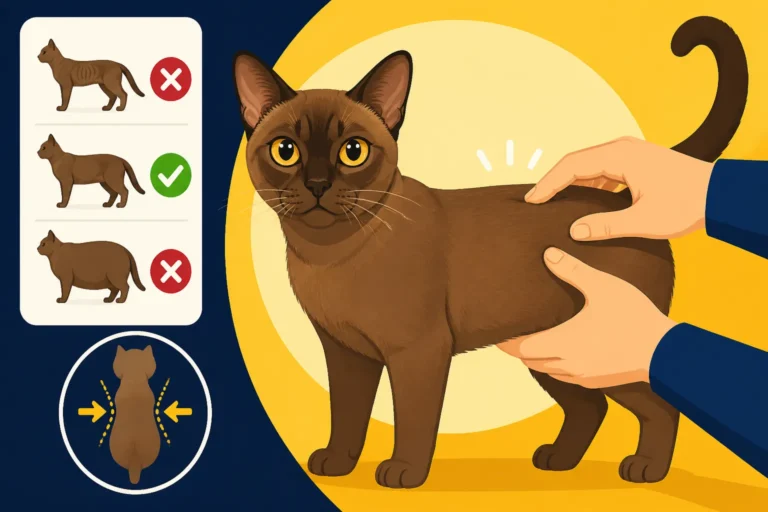
Beyond behavioral changes, there are tangible physical signs of muscle loss that you can look for during your regular cuddle sessions. Because Burmese have such a sleek, satin-like coat that lies close to their muscular body, it can sometimes hide underlying changes. However, if you gently run your hands along their spine, over their hips, and around their shoulders, you might start to feel less padding and more prominent bone structure than before. The muscles along their back and hind legs, which are normally well-developed and firm in a healthy Burmese, may feel thinner and softer.
It's not always about overall weight loss; sometimes the scales don't tell the whole story. Your cat might maintain their body weight, but if they are losing muscle and gaining fat, it’s still a concerning change. A key area to check is over their pelvis and tail base. If the bony prominences here become more noticeable, it’s a strong sign of muscle loss. Learning How to Feel a Burmese's Ribs Under a Satin Coat can help you get a baseline for your cat's body condition and notice these subtle shifts as they occur. It’s about becoming intimately familiar with their unique body shape, so you can detect when something is shifting from their normal "brick wrapped in silk" form.
Nutritional Strategies to Combat Muscle Loss
When it comes to slowing down or even reversing muscle loss in our senior Burmese, diet plays an absolutely critical role. It’s not just about feeding them any cat food; it’s about providing the right kind of fuel to support their aging muscles. We want to nourish their bodies in a way that helps them hold onto that lean mass for as long as possible.
The Importance of High-Quality Protein for Senior Burmese
Forget the old myth that senior cats need less protein. In fact, the opposite is often true for preventing sarcopenia. As cats age, their ability to digest and utilize protein can decrease, meaning they actually need a higher concentration of highly digestible protein in their diet to maintain muscle mass. Think of protein as the building blocks for muscle; without enough, or without the right quality, their bodies simply can't keep up with the natural breakdown of muscle tissue.
This means looking for foods where protein is a leading ingredient, preferably from animal sources like chicken, turkey, or fish. These animal-based proteins contain all the essential amino acids that cats need to build and repair muscle. It's not just about the percentage on the label, but also the quality and bioavailability of that protein. A high-quality protein diet can make a tangible difference in their ability to retain muscle strength and function, helping them to continue those playful leaps and bounds. This is why Why an Old Burmese Still Needs Its Protein High is such a crucial piece of knowledge for any owner of a senior Burmese.
Adjusting Diet to Support Muscle and Overall Health
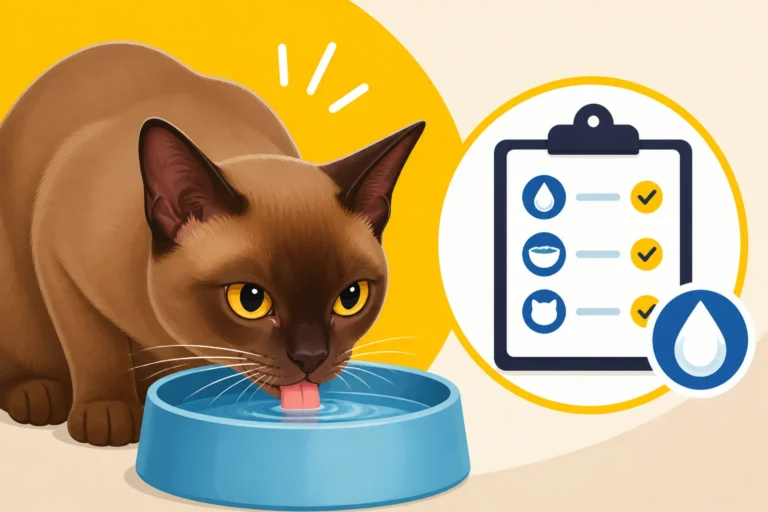
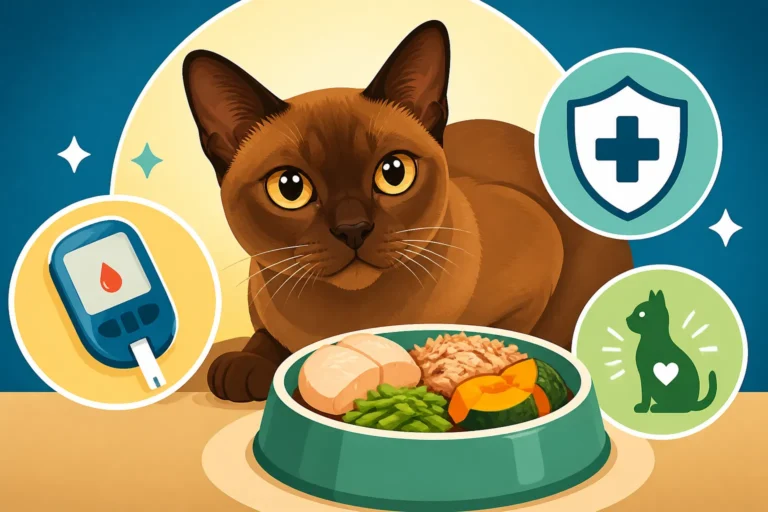
Beyond just protein content, the entire nutritional profile of your senior Burmese’s diet needs careful consideration. Wet food is often recommended for older cats, not only because it helps with hydration (which is important for all physiological functions, including muscle health) but also because it can be more palatable for cats with dental issues common in old age. A diet focused on high protein and moderate fat, with a lower carbohydrate content, can be beneficial.
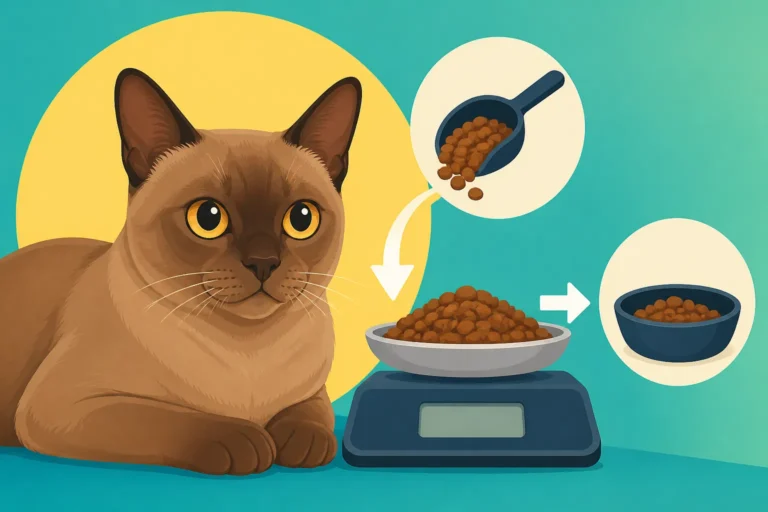
When choosing food, check the ingredient list carefully. Look for whole meat sources as the first few ingredients. Many excellent options are available from reputable pet food retailers like Chewy or Amazon. Foods with fresh, human-grade ingredients can offer highly digestible protein and a nutrient-rich profile. Remember, sudden dietary changes can upset a cat's stomach, so always transition new foods slowly over several days. Portion control remains vital even with senior cats to prevent unwanted fat gain, which can exacerbate mobility issues. How to Reweigh an Old Burmese's Rations carefully discusses how to manage their intake.
Here’s a quick guide to common protein sources for senior feline diets:
| Protein Source | Digestibility | Key Benefits | Considerations |
|---|---|---|---|
| Chicken (cooked) | High | Excellent amino acid profile, readily available, highly palatable. | Ensure it's lean, boneless, and skinless for best results. |
| Turkey (cooked) | High | Lean, good source of B vitamins, often well-tolerated. | Similar to chicken, avoid skin and bones. |
| Salmon (cooked) | High | Rich in Omega-3 fatty acids (anti-inflammatory), good protein. | Cooked only, avoid raw. Can be higher in fat. |
| Beef (lean, cooked) | Moderate-High | Iron-rich, robust flavor for picky eaters. | Choose lean cuts, avoid high fat content. |
| Egg (cooked) | Very High | "Gold standard" for protein quality, complete amino acid profile. | Offer in moderation, cooked thoroughly. |
Always discuss any major dietary changes with your veterinarian, especially if your Burmese has other health conditions. They can help you tailor a diet plan that perfectly matches your cat's individual needs.
Lifestyle Adjustments to Support Muscle Maintenance
Beyond nutrition, simple adjustments to your senior Burmese's daily life can significantly impact their ability to maintain muscle mass and overall well-being. Keeping them active and comfortable helps prevent further muscle loss and supports their mental health, which is just as important.
Encouraging Gentle Exercise and Play
Just because your Burmese is getting older and has some muscle loss doesn't mean they should become a couch potato. In fact, gentle, consistent exercise is crucial for muscle maintenance. It doesn't have to be intense; short, frequent play sessions are far more beneficial than sporadic, strenuous ones. Think about engaging them with toys that encourage stretching and gentle movement, rather than high jumps. Laser pointers, feather wands, or toys on a string can stimulate their hunting instincts without putting undue stress on their joints.
Consider interactive puzzle feeders as well. These not only provide mental stimulation but also require a bit of physical effort as they manipulate the feeder to get their meal, which can be a fun way to incorporate movement. The goal is to keep them engaged and moving in ways that are comfortable for them. They may not be able to scale the heights they once did, but encouraging them to chase a toy across the floor or engage in a gentle batting game from a comfortable position can help maintain muscle tone and flexibility. Which Games Suit a Burmese Past Fourteen offers excellent suggestions tailored for older cats.
Creating an Accessible and Supportive Environment
As muscle mass declines, so too can mobility and confidence. Making your home a more accessible place for your senior Burmese can alleviate stress and encourage movement. This might mean providing ramps or steps to help them reach their favorite sleeping spots on the couch or bed, rather than forcing them to jump. Lowering the sides of their litter box can make entry and exit much easier, especially for those with stiff hips or compromised balance.
Ensure they have warm, comfortable resting places, perhaps a heated bed or a cozy nest in a sunny spot, as their thinner coats and reduced body fat can make them feel the cold more acutely. Regular, gentle grooming, even just a soft brush, can also be a wonderful bonding experience and allow you to check for any new lumps, bumps, or tender spots. Creating an environment where they feel safe, warm, and can easily access all their resources without strain will encourage them to stay more active and engaged, slowing the progression of muscle loss. If you’re wondering what kind of activities still appeal to them, What an Old Burmese Still Wants to Play delves deeper into maintaining their joyful spirit.
Working with Your Vet to Monitor and Manage Muscle Loss
Your veterinarian is your most valuable partner in navigating the challenges of an aging Burmese, including muscle loss. Regular check-ups and open communication with your vet are essential for a proactive approach to their senior care. They can provide tailored advice and rule out other underlying health issues that might be contributing to muscle wasting.
Regular Vet Checks and Body Condition Scoring
Routine veterinary examinations become even more critical as your Burmese enters their senior years. These appointments are not just for vaccines; they're comprehensive health assessments that allow your vet to thoroughly evaluate your cat's overall condition, including their muscle mass. During a check-up, your vet will perform a physical examination, feeling along your cat's spine, ribs, and hips to assess their body condition score (BCS) and muscle condition score (MCS). These scores provide an objective measure of both fat and muscle, helping to distinguish between healthy aging and concerning muscle wasting.
It’s easy for us, as owners, to sometimes miss gradual changes, but a vet has a trained eye and can spot subtle shifts that indicate early sarcopenia. They can then recommend specific interventions based on their findings. These regular visits also provide an opportunity to discuss any changes you've observed at home, no matter how minor they seem. Understanding When a Burmese Counts as Senior can help you prepare for these important transitions in veterinary care.
Potential Supplements and Medical Interventions
If your vet confirms significant muscle loss, they might recommend certain supplements or even consider specific medical interventions. Nutritional supplements, such as Omega-3 fatty acids, can help reduce inflammation and support overall joint health, which indirectly benefits mobility and muscle use. Glucosamine and chondroitin supplements are often suggested for joint support, easing discomfort that might otherwise prevent your Burmese from moving and using their muscles.
In some cases, your vet might want to run blood tests to rule out other underlying health conditions that can cause muscle wasting, such as hyperthyroidism or kidney disease. Treating these conditions, if present, can significantly improve your cat's muscle health. For instance, What Arthritis Shows in a Burmese That Still Plays highlights how pain management can drastically improve a senior cat's willingness to move. Your vet can also guide you on What Pain Relief an Old Burmese Can Take safely, should they be experiencing discomfort that limits their activity. Every Burmese is unique, so a personalized plan developed with your vet is the best approach to supporting their muscle health through their golden years.
Disclaimer
This article is for general informational purposes only and does not constitute professional advice. Laws, prices and regulations vary by location and change over time. Consult a qualified professional for guidance on your specific situation.