How to Feel a Burmese’s Ribs Under a Satin Coat
Many Burmese owners find themselves scratching their heads when it comes to figuring out if their beloved feline is at a healthy weight. Their famously muscular, compact build, combined with that incredibly short, sleek, satin coat, can make traditional visual assessments pretty tricky. It’s a common frustration to worry if your purring companion is carrying a few extra pounds, which could lead to serious health issues like diabetes, or conversely, if an unexpected weight loss is a silent sign of something more serious. This comprehensive guide will equip you with practical, hands-on techniques to accurately feel your Burmese's ribs and evaluate their overall body condition, giving you the confidence to monitor their well-being effectively.
Understanding the Unique Burmese Build
Burmese cats are truly distinct, not just in their captivating personalities but also in their physical structure. Unlike many other breeds, their inherent musculature and specific coat type can be quite deceiving when you're trying to figure out if they're too thin, too heavy, or just right. This isn't just a matter of aesthetics; it's fundamental to understanding their health.
The "Brick Wrapped in Silk" Physique
If you've ever held a Burmese, you'll know exactly what this description means. They are dense, solid, and surprisingly heavy for their size. It’s not uncommon for an owner to pick up their seemingly compact Burmese and be shocked by the sheer weight in their arms. This isn't fat; it's pure, lean muscle packed into a svelte frame. Think of them as feline bodybuilders – powerful and athletic, with very little in the way of delicate bones or slender limbs. This powerful musculature means that even when they are at an ideal weight, they can feel quite substantial, making it harder to discern the subtle changes that indicate weight fluctuations.
Because of this, trying to gauge their weight just by looking at them can be incredibly misleading. A cat that looks "normal" might actually be carrying excess weight, or conversely, one that appears robust might actually be on the leaner side. This unique build is why relying solely on sight for weight assessment just doesn't cut it for a Burmese. You need to get hands-on and feel their body, particularly their ribs, to get an accurate picture of their condition. Many owners find themselves asking, "Why a Burmese Is Heavier Than It Looks," and this muscularity is the primary reason.
The Deceptive Satin Coat
Adding another layer of complexity to weight assessment is the Burmese's signature satin coat. It's incredibly short, fine, and lies perfectly flat against their body, with almost no undercoat to provide bulk or fluff. This sleek, close-lying fur accentuates their muscular contours, often making them appear more streamlined than they are. While this coat is undeniably beautiful and a joy to stroke, it doesn't give you much to work with visually when trying to spot early signs of weight gain or loss.
Unlike long-haired breeds where a thick coat can hide both weight gain and loss, the Burmese's coat offers no such camouflage. However, its very shortness means that small amounts of excess fat can be surprisingly well-disguised by the underlying muscle and the smooth drape of the fur. You might not see a bulging belly or prominent hip bones unless the weight issue is quite advanced. This is why a simple visual check, where you might expect to see a more defined waistline or a visible "tummy tuck," can be challenging to interpret. The subtlety of their coat demands a tactile approach to truly assess their body condition.
The Art of Palpation: Feeling for Ribs
Since simply looking at a Burmese often isn't enough, the most accurate way to assess their ideal body condition involves getting your hands on them. This gentle, tactile examination, known as palpation, is a technique you can easily learn at home and should be incorporated into your regular health checks.
Getting Your Burmese Comfortable
Before you start poking and prodding, it's crucial to ensure your Burmese is relaxed and receptive. These cats thrive on attention and affection, so turn this into a bonding experience rather than a clinical examination. Start by petting them in their favorite spots – behind the ears, under the chin, or along their back. Speak to them in a soft, reassuring voice. Choose a time when they are calm, perhaps lounging on your lap or nestled beside you on the sofa, rather than in the middle of a zoomie session.
You want to make this interaction positive and consistent. Many owners find that incorporating these checks during regular cuddle times helps normalize the process. If your Burmese is particularly wiggly or resistant at first, try offering a tiny, approved treat or a favorite toy as a distraction. The goal is to associate your touch, especially around their sides, with comfort and positive reinforcement. Over time, they’ll become accustomed to this routine, making it easier for you to perform thorough checks without causing them stress. This routine can also be invaluable if you ever need to teach them to sit still for a glucose check or other medical procedures.
The Gentle Rib Check Technique
Once your Burmese is comfortable, you can begin the actual palpation. Here’s how to do it effectively:
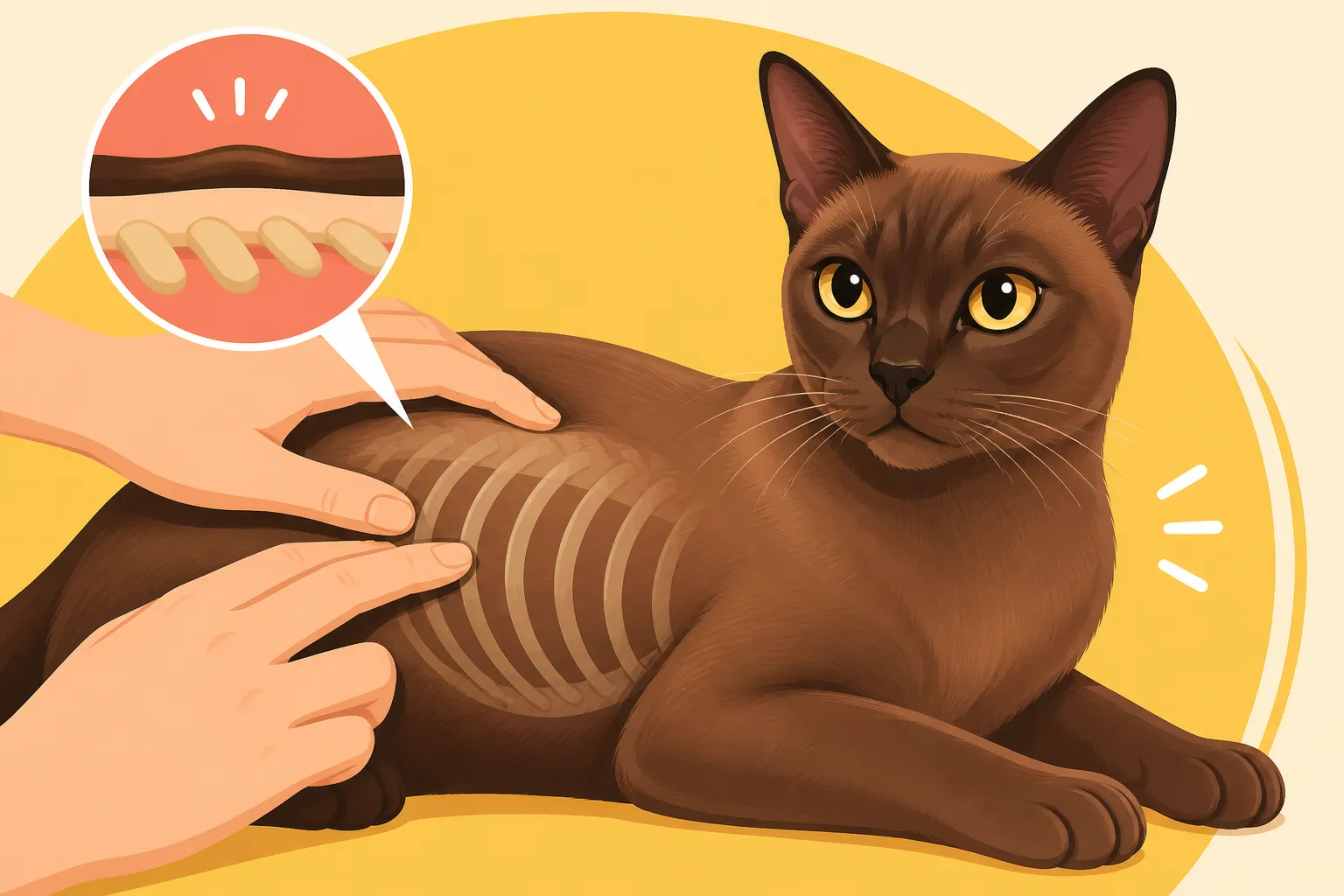
- Position Your Hands: Place both of your palms flat on either side of your cat's chest, just behind their front legs. Imagine you're giving them a gentle hug.
- Apply Gentle Pressure: Using the flats of your fingers, apply light but firm pressure as you run your hands along their rib cage. You're not trying to squeeze them; think of it more like feeling the keys on a piano or the rungs of a ladder under a thin blanket.
- Feel for Definition: As you move your hands, you should be able to distinctly feel each individual rib bone. They shouldn't feel buried under a thick layer of fat, nor should they feel excessively sharp or prominent like speed bumps. You're aiming for a sensation where you can count the ribs without pressing too hard.
- Practice and Consistency: The more you practice, the better you'll become at recognizing what a healthy rib cage feels like. Compare what you feel week to week. If you consistently find yourself pressing harder and harder to feel those ribs, it might be a sign of weight gain. Conversely, if they become suddenly very easy to feel, or feel sharp, it could indicate weight loss. This hands-on method is key to understanding, "How to Feel a Burmese's Ribs Under a Satin Coat."
Interpreting What You Feel
What you feel when you run your hands over your Burmese’s ribs is a critical indicator of their body condition. It provides insights that simply looking at them cannot. There's a spectrum of what's considered healthy, and understanding where your cat falls on it is paramount.
If you can easily feel the ribs without much pressure, but they don't protrude or feel sharp, that's generally a good sign. It indicates an ideal body condition where muscle mass is prominent, and there's a healthy, thin layer of fat covering the bones. Your fingers should glide over them, but the individual ribs should be discernible. This is often described as feeling like the knuckles of your hand when you make a fist, but with a thin layer of skin and muscle over them.
However, if you have to press firmly to feel the ribs, or if they are difficult to distinguish, then your Burmese might be carrying too much weight. This extra padding indicates an accumulation of fat over the rib cage, which obscures the bony structures. This is a common issue, and it's essential to address it because "Why a Burmese Is Four Times More Likely to Become Diabetic" is often linked to being overweight. On the other hand, if the ribs feel very prominent, sharp, and you can see them clearly even through their short coat without pressing, your cat might be underweight. This could be due to insufficient food, increased activity, or an underlying health issue. In such cases, further investigation with your veterinarian is highly recommended.
Beyond the Ribs: Comprehensive Body Condition Scoring
While feeling the ribs is an excellent starting point, a truly comprehensive assessment of your Burmese's body condition goes beyond just their chest. It involves examining other key areas and incorporating regular weighing to get the full picture of their health. This holistic approach helps you catch subtle changes early.
Checking the Waistline and Tummy Tuck
After checking the ribs, shift your attention to your Burmese’s waistline and abdomen. When viewed from above, a cat in ideal body condition should have a discernible waist – a slight inward curve behind the rib cage. It shouldn't be a straight line from ribs to hips, or worse, bulging outwards. Because "Why a Muscular Burmese Is Mistaken for a Fat One," many owners overlook this subtle widening. You might need to gently part their fur to get a clearer view, but remember their short coat means there isn't much to part!
Next, look at them from the side. You should ideally see a "tummy tuck" – the abdomen should gently slope upwards from the bottom of the rib cage to the hind legs, rather than hanging low or appearing distended. A flat or sagging belly can be a sign of excess abdominal fat. However, remember that an unspayed female might have a slightly softer abdomen, and some older cats can develop a primordial pouch, which is a flap of skin and fat that hangs from the belly, even if they are otherwise lean. It’s important to differentiate this natural pouch from generalized fat accumulation. You can learn more about how to distinguish these by understanding "How to Spot Weight Gain on a Muscular Burmese."
Assessing Muscle Mass and Spinal Prominence
Beyond fat, muscle mass is a crucial indicator of overall health, especially in an athletic breed like the Burmese. Gently run your hands along your cat's spine, from their neck down to their tail. You should be able to feel the individual bumps of the vertebrae, but they shouldn't feel sharply defined or painful. They should be palpable with a thin layer of muscle and fat over them, rather than feeling like sharp, bony ridges. Similarly, feel along their hips – the hip bones should be palpable but not prominent.
A loss of muscle mass, even if your cat isn't obviously underweight, can be a red flag for certain health conditions, particularly in older cats. Conversely, maintaining good muscle tone is a sign of vitality and proper nutrition. Observing changes in their hindquarters – for example, if their flanks start to look hollowed out – can also indicate muscle wasting. These observations, combined with rib palpation, help you construct a comprehensive picture of your Burmese's body condition and highlight any areas of concern.
Why Regular Weigh-Ins Complement Palpation
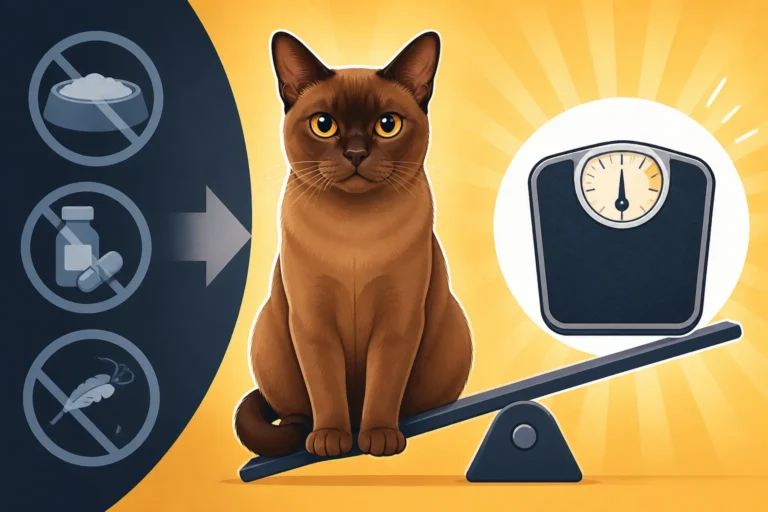
While hands-on assessment is invaluable, nothing beats the objectivity of a scale. Regular weigh-ins are a crucial complementary tool for monitoring your Burmese's weight. Visual and tactile assessments can be subjective, but a number on a scale provides concrete data. This is why "Why a Burmese's Weight Should Be Recorded Monthly" is such critical advice for every owner.
Invest in a reliable pet scale, or use a baby scale if you have one. You can also weigh yourself, then pick up your Burmese and weigh yourself again, subtracting the first number to get their weight. Aim for consistency: weigh them at the same time of day (e.g., before breakfast) and use the same scale. Charting their weight over time allows you to spot trends – gradual increases or decreases that might not be immediately obvious through palpation alone. For instance, a small, consistent gain of a few ounces each month might not make their ribs feel dramatically different, but over half a year, it adds up to a significant weight problem. This data is also incredibly helpful to your veterinarian, providing an objective record of your cat's health trajectory. For instance, if you're tracking "What a Burmese Should Weigh at One on a Weighed Ration," these regular weigh-ins are essential.
The Importance of Weight Management in Burmese Cats
Maintaining an ideal weight isn't just about your Burmese looking good; it's a critical component of their overall health and longevity. For this breed in particular, effective weight management can literally mean the difference between a long, healthy life and one plagued by preventable chronic conditions.
Preventing and Managing Diabetes
The Burmese breed has a notoriously high predisposition to developing diabetes mellitus, and being overweight significantly exacerbates this risk. Studies have shown that a Burmese cat is "Why a Burmese Is Four Times More Likely to Become Diabetic" compared to other breeds, with obesity being a major contributing factor. Excess fat cells can lead to insulin resistance, making it harder for their bodies to regulate blood sugar levels. This can trigger the onset of diabetes, a condition that requires daily insulin injections and a strict dietary regimen for the rest of their lives.
By keeping your Burmese at an ideal body condition, you are actively reducing their risk of developing this debilitating disease. Should your Burmese unfortunately develop diabetes, weight management becomes even more crucial. For a diabetic Burmese, carefully controlled portions and a specific low-carbohydrate diet are often key to managing their condition and, in some cases, even achieving remission. This highlights "Why Portion Control Is Medical Care in a Burmese" and "Why Low Carbohydrate Food Matters for a Burmese." Prevention through maintaining a healthy weight is always preferable to managing the disease once it's established, saving both your cat from discomfort and you from significant financial and emotional strain. Pet insurance providers like Healthy Paws often have clauses around pre-existing conditions, making proactive health management even more critical before symptoms appear.
Recognizing Illness Through Weight Changes
Weight fluctuations, whether gain or loss, can often be the first subtle indicators that something is amiss with your Burmese's health. These cats are known for "Why a Burmese Hides Illness Behind Its Affection," so noticeable symptoms might not appear until a condition is quite advanced. A sudden or unexplained weight loss, even if your cat seems to be eating normally, can signal a variety of underlying issues, from dental problems to hyperthyroidism, kidney disease, or even certain cancers. Because of their muscular build, early weight loss might not be obvious visually, underscoring the importance of regular palpation and weighing.
Conversely, unexplained weight gain, even if your cat isn't being overfed, could sometimes indicate hormonal imbalances or other metabolic issues. For instance, sometimes a slower metabolism in an older cat combined with unchanged feeding habits can lead to creeping weight gain. Rapid weight loss, especially when combined with a sudden decrease in appetite, can also put your Burmese at risk for hepatic lipidosis, or "fatty liver disease," which is a serious and potentially fatal condition. This is why "Why Rapid Weight Loss Gives a Burmese Fatty Liver" is a crucial concern. Therefore, consistently monitoring your Burmese's weight and body condition score empowers you to notice these subtle shifts early, prompting a timely veterinary visit and potentially leading to an earlier diagnosis and more effective treatment. A quick call to your vet or even your pet insurance provider like Healthy Paws can give you guidance on when to be concerned.
Long-Term Health Benefits of Ideal Weight
The benefits of maintaining an ideal weight for your Burmese extend far beyond diabetes prevention. A healthy weight reduces strain on their joints, especially as they age, helping to prevent or lessen the severity of conditions like arthritis. Overweight cats are also more prone to urinary tract issues and skin problems, as they may struggle to groom themselves effectively. By keeping them lean and muscular, you're supporting their mobility, flexibility, and overall comfort throughout their lives. This also influences "How Many Calories a Diabetes Prone Burmese Should Get" to maintain optimal health.
Moreover, a cat at a healthy weight typically has more energy, enjoys play more, and generally exhibits a better quality of life. This means more shoulder-riding, more purrs, and more of that delightful "dog-like" companionship that Burmese are famous for. Investing the time in regular body condition checks and mindful feeding isn't just about extending their lifespan; it's about maximizing the joy and vitality they experience every single day. Remember, "Why a Burmese's Food Bill Is a Health Decision" because proper nutrition and weight management are truly foundational to their long-term well-being. Keeping up with these preventative measures can also lead to fewer costly vet visits in the long run, which is always a bonus when considering the budget for your beloved pet.
| Body Condition Score | Ribs Feel/Look | Waistline/Tummy Tuck | Overall Assessment |
|---|---|---|---|
| 1: Emaciated | Ribs, spine, and hip bones easily visible and sharply prominent. No fat or muscle evident. | Severe abdominal tuck; very narrow waist. | Severely underweight. Immediate veterinary attention required. |
| 2: Thin | Ribs easily palpable with minimal fat cover; may be visible. Spine and hip bones prominent. | Marked abdominal tuck; obvious waist. | Underweight. Consult vet to rule out illness or adjust diet. |
| 3: Ideal | Ribs easily palpable with slight fat cover, not visible. Waist discernible; slight abdominal tuck. | Distinct waist; slight abdominal tuck. | Optimal weight for a Burmese. Maintain current diet and exercise. This is where you want your Burmese to be. |
| 4: Overweight | Ribs palpable but with moderate fat cover; require more pressure. | Waist not obvious; slight to no abdominal tuck. Some fat over abdomen. | Overweight. Begin controlled diet and increase play. High risk for diabetes. |
| 5: Obese | Ribs difficult to palpate due to heavy fat cover. | No waist, abdominal distention. Significant fat deposits over lumbar area. | Obese. Veterinary intervention needed for weight loss plan. Very high risk for diabetes and other health issues. |
Disclaimer
This article is for general informational purposes only and does not constitute professional advice. Laws, prices and regulations vary by location and change over time. Consult a qualified professional for guidance on your specific situation.