When a Burmese Counts as Senior
It’s a bittersweet moment when you start to notice the subtle shifts in your beloved Burmese, leading you to wonder if they’re crossing that invisible line into their senior years. While every cat is an individual, pinpointing when your Burmese officially "counts" as senior can be really confusing, especially with their famously playful and youthful demeanor. This guide is here to help you understand the common benchmarks, physical changes, and behavioral cues that signal your cherished companion is entering their golden years, empowering you to provide the very best care.
Understanding the Burmese Lifespan and Its Senior Years
For many cat owners, thinking about their feline friend getting older can be a little heartbreaking. We often wish they could stay kittens forever, but age, much like wisdom, comes to us all – and to our cats too. The good news is that Burmese cats, known for their robust health and incredible vitality, often enjoy a remarkably long and active life, which can make it even harder to recognize when they’re transitioning into their senior phase.
Average Lifespan Expectations for Burmese Cats
The first thing to understand is that Burmese cats are generally blessed with a longer lifespan compared to many other cat breeds. You might hear people talk about a cat living to 15, or even 18 or 20 years, and for a well-bred Burmese, these numbers are not just wishful thinking; they're often a reality. A truly well-cared-for Burmese can often live for The Sixteen to Eighteen Years a Well Bred Burmese Gets. This extended period of life is a testament to the breed's overall genetic soundness when responsibly bred, and it means you get more precious years with your purring companion.
However, this impressive longevity also means that the "senior" label might feel a bit different for a Burmese. While a cat from another breed might be slowing down significantly by age 10, your Burmese might still be tearing around the house with the energy of a youngster. It's truly a gift, but it also means we need to be extra vigilant in observing the more subtle signs that their body and mind are starting to age, rather than waiting for dramatic changes that might not appear until much later.
Why the Definition of "Senior" Can Be Tricky
Unlike a dog, where breeds often have very different aging timelines, or even humans with fairly standardized age markers, the definition of "senior" for a cat can be quite fluid, especially for a breed like the Burmese. Generally, most veterinarians and cat experts consider a cat to be "senior" once they reach around 10 to 11 years of age. However, this isn't a hard and fast rule, and for a Burmese, it’s often more of a guideline.
What truly matters is the individual cat. A Burmese at 10 might still act and feel like a sprightly 5-year-old, while another might start showing signs of slowing down a year or two earlier. Factors like genetics, diet, and overall lifestyle play a huge role. This variability means you, the owner, become the most important observer. You know your cat's baseline better than anyone, and it's your keen eye that will spot the earliest indications that they're gracefully entering their later years, allowing you to adjust their care accordingly.
Physical Changes That Mark the Transition to Seniority
Even with their vibrant spirit, a Burmese cat’s body will inevitably start to show the effects of time. These changes are often subtle at first, almost imperceptible to the casual observer, but for a dedicated owner, they become noticeable. Understanding what to look for can help you provide targeted support and care, keeping your Burmese comfortable and happy for as long as possible.
Subtle Shifts in Mobility and Activity Levels
One of the first things you might notice in your aging Burmese is a slight decrease in their famous boundless energy. The once effortless leaps onto high shelves or across the living room might become more hesitant, or perhaps they'll opt for a gentler climb via a chair. They might not chase the laser pointer with the same frantic enthusiasm, or those intense play sessions might shorten from twenty minutes to five or ten. It’s not that they stop playing entirely – a Burmese is still known for A Burmese Is Still Playing at Fifteen – but the intensity and duration may lessen.
You might observe a stiffness when they first wake up, a bit like us trying to get out of bed in the morning. Perhaps they'll take a moment to stretch out those powerful muscles. If they start avoiding certain favorite high spots or hesitate before using the litter box, it could be an early sign of arthritis or joint discomfort. It’s crucial to remember that cats are masters at hiding pain, so any slight change in their movement or willingness to play should be observed closely.
Dental Health and Nutritional Needs in Older Burmese
Dental health is a huge concern for many cat breeds as they age, and the Burmese is no exception. In fact, they are often prone to gum disease, and you might notice their Why a Burmese's Gums Recede Early. Over years of eating and chewing, plaque and tartar can build up, leading to gingivitis, periodontal disease, and even tooth resorption. This can cause significant pain, making eating difficult, and even leading to systemic health issues if bacteria from the mouth enter the bloodstream. Regular dental check-ups and cleanings become even more critical in their senior years.
Nutritionally, a senior Burmese's needs shift. Their metabolism might slow down, meaning they require fewer calories to maintain a healthy weight, despite their constant demands for food. Conversely, if dental pain makes eating difficult, or if they develop underlying health conditions, they might lose weight. It’s a delicate balance. Why Portion Control Is Medical Care in a Burmese becomes even more paramount in their later years. A diet tailored for senior cats, often with higher protein for muscle maintenance and lower calories, can be beneficial. Wet food might be easier on sensitive teeth and helps with hydration, which is vital for kidney health.
Coat and Skin Changes as a Burmese Ages
The hallmark satin coat of the Burmese is one of its most defining features, but even this can show signs of age. As they get older, you might notice their coat becoming a little duller, losing some of its youthful luster and characteristic flat-lying appearance. This can be due to a variety of factors, including reduced grooming habits (perhaps due to arthritis making it uncomfortable to twist and turn), changes in nutritional absorption, or underlying health issues.
Skin can also become less elastic and more prone to dryness or lesions. You might find your senior Burmese is less diligent about self-grooming, leading to matted fur in hard-to-reach places or an increase in dander. While the Burmese's short, sleek coat is generally low maintenance, you might need to step in with gentle brushing or even wiping down their coat with a soft, damp cloth to help them keep that signature shine and monitor for any skin abnormalities.
Behavioral Indicators of a Senior Burmese
Beyond the physical, the most telling signs that your Burmese is entering their senior years often manifest in changes to their behavior. These are the shifts in routine, personality, and interaction that you, as their closest companion, will undoubtedly pick up on. It's important to differentiate between a temporary mood swing and a more consistent pattern that points towards aging.
Altered Sleep Patterns and Daily Routines
One of the most common behavioral changes you’ll observe in a senior Burmese is an increase in their sleep. While all cats are prodigious sleepers, an older Burmese might spend even more time napping, often in warmer, quieter spots. They might still seek out your lap for comfort, but the energetic bursts of play might be spaced further apart or be shorter in duration. You might find them less inclined to follow you from room to room with the same tenacity, preferring to conserve their energy.
Conversely, some senior cats can experience disrupted sleep cycles, leading to more vocalization or restlessness at night. They might wander more, seem disoriented, or simply be awake more frequently when the house is quiet. This can be a sign of cognitive dysfunction, or simply an indication that their internal clock isn't as precise as it once was. Observing when and where your Burmese sleeps, and whether their sleep is truly restful, can provide valuable clues.
Changes in Affection and Social Interaction
The Burmese is famously the "Velcro cat," a constant shadow and an endless fount of affection. As they age, this fundamental desire for companionship doesn't usually disappear entirely, but it might change in its expression. A senior Burmese might still want to be on your lap, but perhaps they'll be less demanding, or settle for simply being in the same room. They might become more sensitive to loud noises, sudden movements, or changes in their environment, seeking out comfort and predictability more than ever.
Some senior cats might even become a little more withdrawn, spending more time alone, or becoming less tolerant of other pets or boisterous children. This isn't necessarily a sign of displeasure, but rather an indication that they might be feeling less robust, perhaps experiencing some aches and pains, or simply needing more quiet time. It’s important not to take this personally but to understand it as a natural progression of their aging process. Remember, even a senior Burmese Why an Old Burmese Still Wants a Lap.
Cognitive Decline and Its Manifestations
Just like humans, cats can experience cognitive decline as they age, sometimes referred to as Feline Cognitive Dysfunction Syndrome (CDS). This can be a particularly challenging aspect of senior pet ownership because it affects their very essence. You might notice signs like disorientation – perhaps they seem confused about where they are in the house, or get stuck in a corner. They might stare blankly at walls, or forget familiar routines, such as where their food bowl or litter box is located.
Another common sign of CDS is changes in social interaction, as mentioned above, or alterations in their sleep-wake cycle. They might become more vocal, particularly at night, and seem agitated or anxious. Sometimes, a senior Burmese might start missing the litter box, not out of defiance, but because they simply forgot where it was or felt too uncomfortable to get to it in time. If you suspect cognitive decline, it’s vital to discuss this with your vet, as there are sometimes interventions or environmental adjustments that can help manage symptoms and improve their quality of life.
Health Concerns Common in Senior Burmese
The beautiful thing about a Burmese is their affectionate nature, which often means they hide illness behind a facade of purrs and cuddles. This makes regular veterinary check-ups even more critical as they age, as many common senior conditions can be insidious in their onset. Being aware of these potential health issues allows you to be proactive and seek veterinary attention early.
Diabetes Risk and Monitoring in Later Years
The Burmese breed has a statistically higher predisposition to developing diabetes mellitus compared to many other cat breeds. This risk tends to increase with age, especially once they enter their senior years. Why a Burmese Is Four Times More Likely to Become Diabetic is a question that geneticists continue to explore, but the reality for owners is the need for heightened vigilance. Symptoms like increased thirst, frequent urination, weight loss despite a good appetite, and changes in their coat quality are red flags that warrant immediate veterinary attention.
Regular monitoring of glucose levels, often starting from middle age, becomes crucial. Many vets recommend that Why a Burmese's Glucose Should Be Checked From Seven. If your senior Burmese is diagnosed with diabetes, managing it often involves a strict diet, usually low in carbohydrates (as discussed in Which Diet Puts a Burmese Into Remission), and sometimes insulin injections. While the diagnosis can be daunting, many diabetic Burmese cats live long, fulfilling lives with proper management, but it does require commitment from the owner.
Kidney Disease and Hyperthyroidism
Kidney disease is incredibly common in older cats, including the Burmese. As cats age, their kidneys can become less efficient at filtering waste products from the blood, leading to a gradual decline in function. Early signs are often subtle and can include increased thirst and urination, loss of appetite, weight loss, and lethargy. You might specifically notice How Kidney Disease Arrives in an Old Burmese. Regular blood and urine tests during routine senior check-ups are vital for early detection, as managing the disease early can slow its progression and significantly improve your cat's quality of life.
Another prevalent endocrine disorder in older cats is hyperthyroidism, where the thyroid gland produces too much thyroid hormone. This can manifest as weight loss despite a ravenous appetite, increased thirst and urination, restlessness, vocalization, and a poor coat. Why Hyperthyroidism Catches an Older Burmese is often due to benign tumors on the thyroid gland. Both kidney disease and hyperthyroidism can be complex to manage, sometimes co-existing, so regular bloodwork and a strong partnership with your veterinarian are paramount.
Managing Arthritis and Pain in an Aging Burmese
Despite their agile appearance, senior Burmese cats are just as susceptible to arthritis as any other breed. The chronic inflammation of joints can lead to stiffness, reduced mobility, and pain. It can be hard to spot because Burmese cats are so stoic and playful, but How Arthritis Shows in a Burmese That Still Plays might include reluctance to jump, difficulty with stairs, a change in gait, or even a subtle flinching when touched in certain areas. They might become less tolerant of being picked up or spend more time resting.
If you suspect your Burmese is experiencing joint pain, a trip to the vet is in order. There are many effective pain management strategies available today, ranging from anti-inflammatory medications and joint supplements to physical therapy and environmental modifications. Your vet can help determine What Pain Relief an Old Burmese Can Take safely. Ensuring their environment is comfortable, with easy access to warm, soft beds and litter boxes that don't require high steps, can also make a significant difference.
Proactive Care for Your Aging Burmese
Recognizing that your Burmese is entering their senior years isn't a cause for despair, but rather an opportunity to double down on providing them with the best possible care. This proactive approach can significantly enhance their comfort, prolong their healthy years, and catch potential issues before they become serious. Think of it as tailoring their environment and routine to suit their evolving needs.
Regular Veterinary Check-ups and Screening
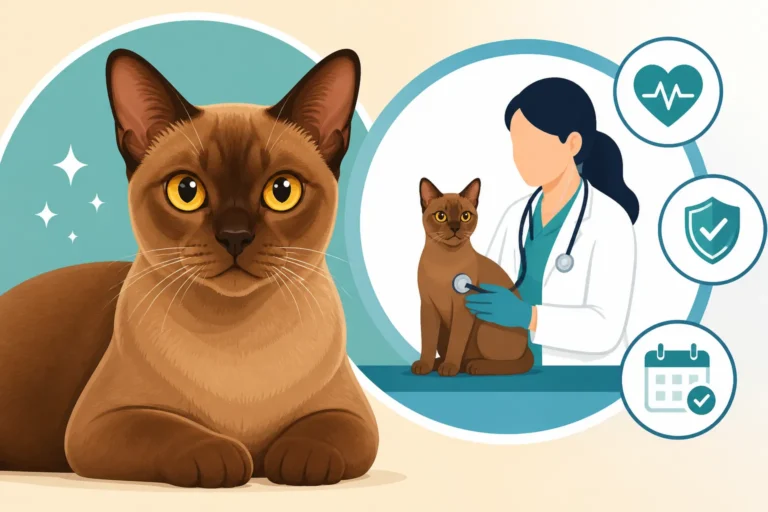
This cannot be stressed enough: routine veterinary care becomes even more important as your Burmese ages. While an adult cat might visit the vet once a year, a senior Burmese truly benefits from twice-yearly check-ups. Cats age much faster than humans, and six months in their life is equivalent to several years for us. These more frequent visits allow your vet to establish a baseline, monitor for subtle changes, and detect diseases like kidney disease, hyperthyroidism, and diabetes in their earliest stages, often before overt symptoms appear.
During these visits, your vet will likely recommend comprehensive blood panels and urinalysis. These diagnostic tools are invaluable for checking organ function, blood cell counts, and metabolic markers. Early detection of conditions means earlier intervention, which can significantly impact prognosis and quality of life. Don't underestimate the power of these regular screenings, especially with a breed prone to hiding illness. This proactive approach is where pet insurance providers like Healthy Paws can truly shine, helping to cover the costs of these essential diagnostic tests and treatments for age-related conditions.
Adapting the Home Environment for Comfort
As your Burmese ages, their physical capabilities will change, and their home environment should adapt with them. Think about accessibility and comfort. Are their favorite sleeping spots still easy to reach if jumping is becoming harder? Ramps or steps can be added to help them reach elevated beds or furniture safely. Soft, orthopedic beds placed in warm, draft-free areas will be greatly appreciated, as older cats can feel the cold more keenly.
Litter box accessibility is another key consideration. A senior cat with arthritis might find it difficult to step into a high-sided litter box. Switching to a box with lower entry points or even a larger, more accessible box can prevent accidents outside the tray. Ensure fresh water is always available in multiple locations, perhaps using a water fountain to encourage hydration, which is vital for kidney health. Consider nightlights if your cat is experiencing cognitive decline and seems disoriented in the dark.
Maintaining Mental and Physical Engagement
Just because your Burmese is older doesn't mean they stop needing mental and physical stimulation. In fact, keeping their minds and bodies active can help slow cognitive decline and maintain muscle mass. Adjust play sessions to be shorter and gentler, but don't stop them altogether. Wand toys that mimic prey movement are still fantastic for engaging their hunting instincts without requiring strenuous exertion.
Puzzle feeders are excellent for mental stimulation and can also help regulate eating, which is important for diabetes-prone Burmese. Continue with gentle petting, brushing, and interactive cuddles. Consistency in routine can also provide comfort and reduce anxiety in aging cats. Your continued presence and affection are perhaps the most vital forms of engagement you can offer, reinforcing their sense of security and belonging. Caring for a Burmese Past Twelve truly means adapting to their evolving needs, nurturing both their body and their incredible spirit.
Preparing for the End of Life Journey
While it’s hard to contemplate, being a responsible pet owner means also preparing for the eventual end of life. This is perhaps the hardest part of sharing our lives with these amazing creatures, but having a plan and understanding the signs can bring some measure of peace during a difficult time.
Quality of Life Assessment
The most important thing during your Burmese’s final chapter is ensuring their quality of life. This is a highly individual assessment and one that should involve open, honest conversations with your veterinarian. Key indicators of a declining quality of life can include chronic, unmanageable pain, persistent lack of appetite and significant weight loss, inability to perform basic functions (like eating, drinking, eliminating) without significant distress, or a complete loss of interest in interactions and activities they once loved.
It's common for owners to feel guilt or uncertainty, wondering if it's "too soon" or if they've done enough. Creating a "quality of life scale" or journal where you track good days versus bad days, energy levels, appetite, and pain can be incredibly helpful. This objective record can provide clarity when emotions are running high. Remember, making a compassionate decision to end suffering is the final, most profound act of love you can offer your cherished companion.
Emotional Support for Owners
The grief associated with losing a beloved pet is real and profound, and it's important to acknowledge and validate those feelings. Losing a Burmese, with their intensely social and affectionate nature, can feel like losing a family member. There is no shame in seeking support. Many veterinary clinics offer grief counseling resources, and there are online communities and pet loss hotlines available.
Allow yourself to mourn. Talk to friends or family who understand your bond with your cat. Honor your Burmese’s memory in a way that feels right to you, whether it’s through a memorial, a donation in their name, or simply cherishing the countless memories you shared. Remember the joy they brought into your life, and the unconditional love they gave you every single day.
Disclaimer
This article is intended for informational purposes only and does not constitute veterinary advice. Always consult with a qualified veterinarian for any health concerns or before making any decisions about your pet's care. Veterinary medicine is constantly evolving, and professional advice tailored to your specific pet's needs is essential. Pet insurance, such as policies offered by Healthy Paws, can help manage the costs associated with senior pet care, but always review policy details carefully regarding coverage for pre-existing conditions and age-related ailments.