Why a Burmese Cheek Swab Is Enough
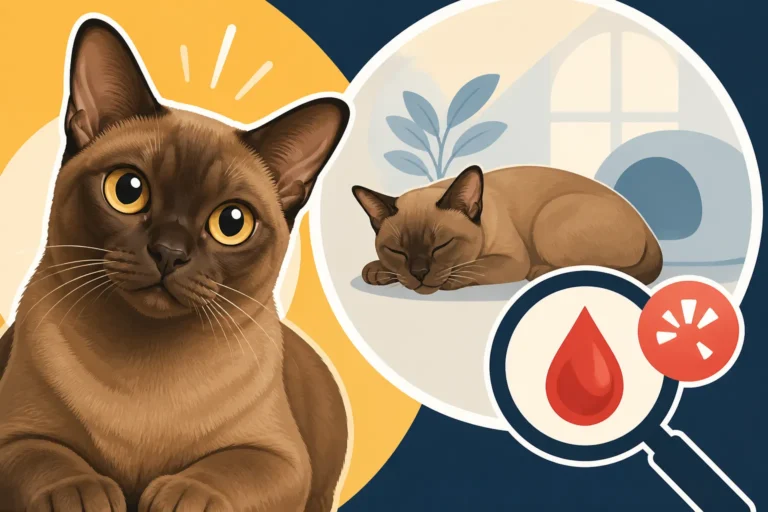
It can feel a little overwhelming when you’re told your beloved Burmese needs genetic testing. You might immediately picture a stressful vet visit, perhaps blood draws or other invasive procedures. But here’s the wonderful news: for most common genetic screenings in Burmese cats, a simple, non-invasive cheek swab is all that's required to gather crucial DNA, making the process incredibly easy and stress-free for both you and your feline companion.
The Simple Science Behind a Burmese Cheek Swab
When we talk about genetic testing, it sounds incredibly complex, almost like something out of a science fiction movie. But in reality, the process of collecting a DNA sample from your Burmese is remarkably straightforward, leveraging the natural biology of every living creature. It’s all about getting a few cells that carry your cat’s unique genetic blueprint.
What is a DNA Cheek Swab and How Does it Work?
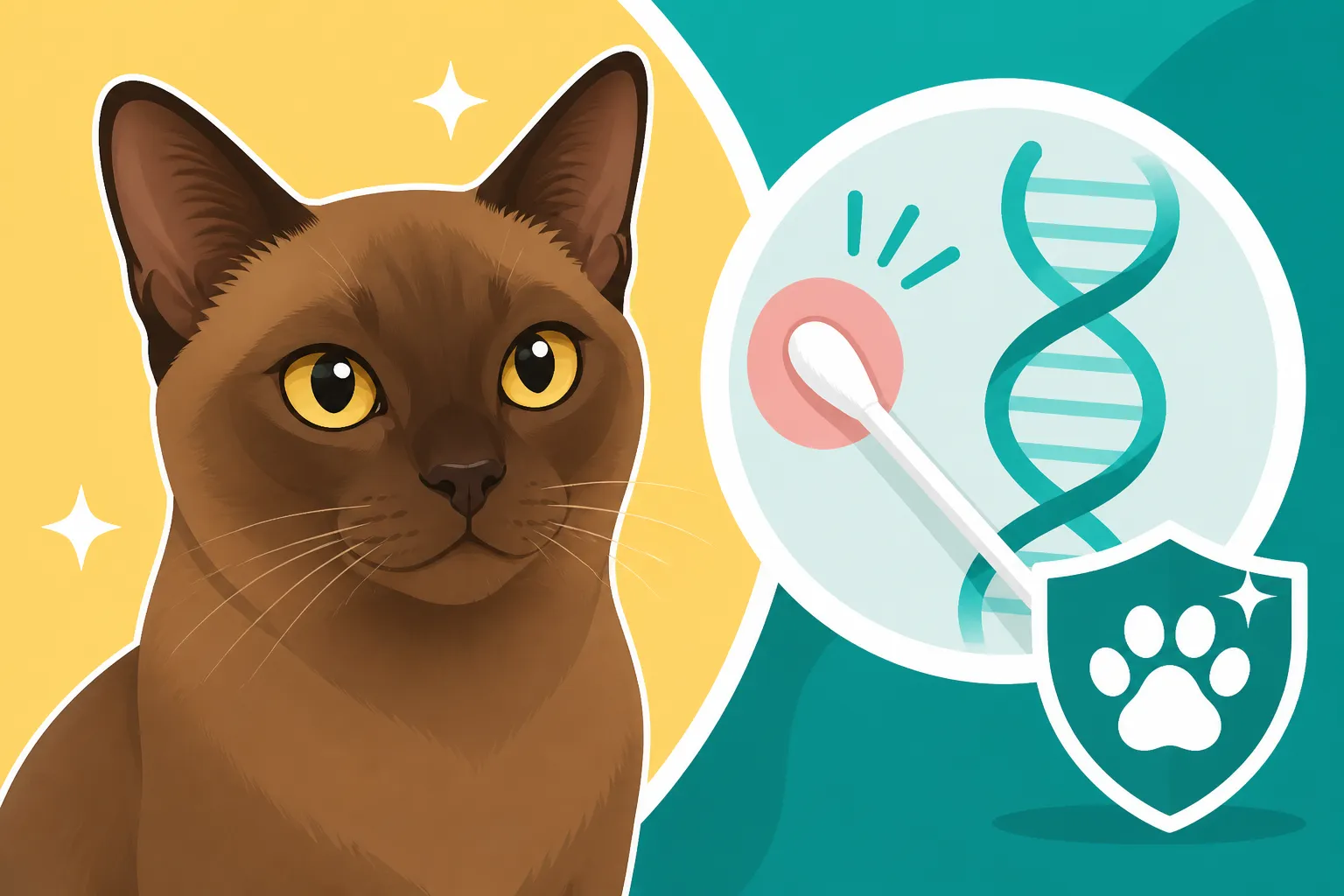
A DNA cheek swab, sometimes called a buccal swab, is exactly what it sounds like: a small brush or sterile cotton applicator designed to gently rub the inside of your cat's cheek. What we’re collecting are epithelial cells, which are the superficial cells that line the inside of the mouth. These cells are constantly shedding and replenishing, making them readily available and easy to access without causing any discomfort. Each of these tiny cells contains a full set of your cat's chromosomes, and within those chromosomes lies the complete DNA sequence that makes your Burmese who they are, including all their genetic predispositions and inherited traits. Once collected, the swab is sent to a specialized laboratory where the DNA is extracted from these cells, amplified through a process called PCR (polymerase chain reaction), and then analyzed for specific genetic markers associated with various health conditions or traits relevant to the Burmese breed.
Why a Cheek Swab is as Accurate as Blood for DNA
It's a common misconception that a blood sample is somehow "better" or more accurate for DNA testing. The truth is, for the purpose of genetic analysis, cells from a cheek swab provide DNA that is just as complete and accurate as DNA obtained from a blood sample. Every nucleated cell in an animal's body (meaning, every cell with a nucleus, which contains the DNA) carries the same genetic information. Whether it’s a cheek cell, a hair follicle cell, or a white blood cell, the DNA sequence is identical. The primary difference lies in the method of collection and the quantity of DNA initially available. Blood typically yields a higher concentration of DNA, which can be advantageous for certain types of complex genomic sequencing, but for targeted tests that look for specific mutations, the amount of DNA from a cheek swab is perfectly sufficient. Labs like OptiGen or Wisdom Panel, often referenced for feline genetic testing, have refined their processes to reliably extract and analyze DNA from buccal swabs, making them the preferred, less invasive method for routine genetic screenings.
Collecting a Sample: A Stress-Free Process for Your Burmese
One of the biggest advantages of the cheek swab is how stress-free it is for your cat. Anyone who’s tried to get a cat into a carrier for a vet visit knows the struggles! With a cheek swab, you can often collect the sample right in the comfort of your own home, with your cat relaxed on your lap. The process involves simply swabbing the inside of their mouth for about 10-15 seconds per cheek. It’s important to avoid feeding your cat or letting them groom for about 30 minutes prior to collection to minimize contamination from food particles or other cats' DNA. Many owners find it easiest to do when their cat is calm, perhaps after a nap or during a petting session. Some cats might be a little curious or try to bat at the swab, but it rarely causes actual distress. Compare that to the stress of a vet trip, restraint, and a needle stick for a blood draw, and you can see why the cheek swab is a game-changer for regular health monitoring and screening.
Unlocking Critical Health Information with a Swab
Genetic testing via a simple cheek swab isn't just a party trick; it's a powerful tool that unlocks vital information about your Burmese's health, helping you make informed decisions about their care, diet, and even future breeding if that's part of your journey. This information can be the cornerstone of a proactive health plan.
Identifying Recessive Genetic Conditions
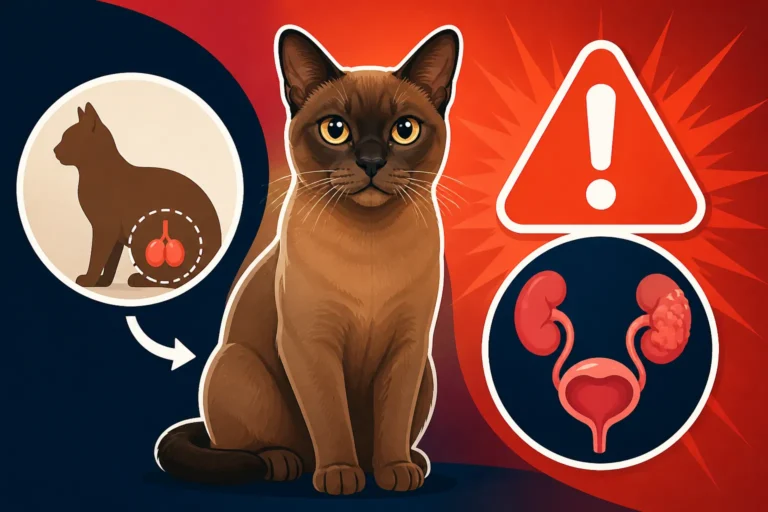
The Burmese breed, like many purebreds, is predisposed to certain inherited conditions that can be devastating if not managed or bred against responsibly. One of the most significant is Hypokalemia, sometimes called Burmese Head Defect (though this is technically a different condition, it’s often confused). Hypokalemia is a debilitating condition where the cat experiences periods of extreme muscle weakness due to low potassium levels. Early diagnosis through a DNA test is paramount. The swab can detect the specific genetic mutation responsible for this condition, allowing breeders to ensure they never mate two carriers, which would produce affected kittens. For pet owners, knowing your cat's status can prepare you for potential symptoms and allow for early veterinary intervention if an episode occurs. You can learn more about this by reading about how the cheek swab test is read. Another rare but serious condition is GM2 Gangliosidosis, a lysosomal storage disease that can cause neurological issues in kittens. A simple cheek swab can identify carriers and affected individuals, helping to eradicate such diseases from breeding lines.
Screening for Diabetes Predisposition
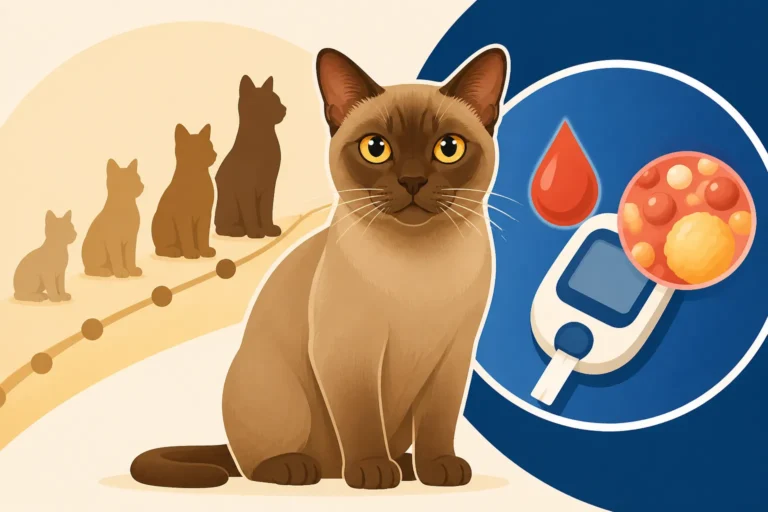
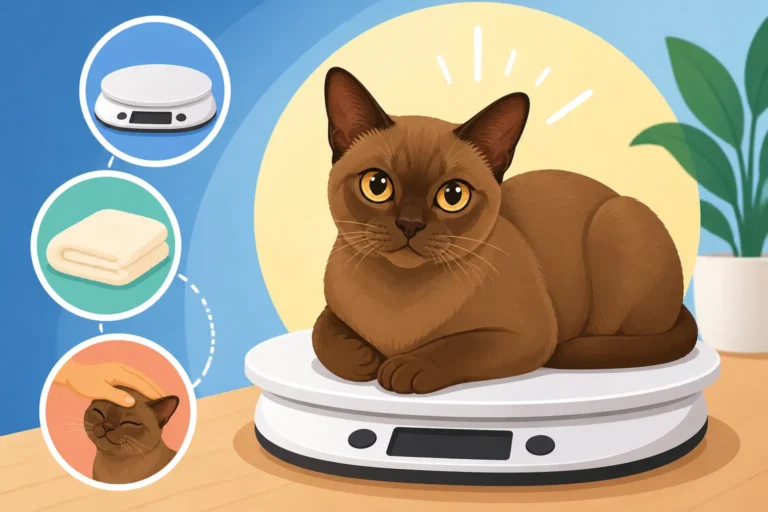
The Burmese breed is unfortunately known for its significantly higher risk of developing diabetes compared to other breeds. In fact, The Burmese Has the Highest Diabetes Rate of Any Cat Breed. This isn't just bad luck; there's a strong genetic component at play, particularly in Australian and European lines, which you can explore in Why Australian and European Burmese Lines Show It Most. While diabetes is complex and influenced by diet and lifestyle, a cheek swab can identify genetic markers that indicate a higher predisposition to the disease. This knowledge empowers owners to be incredibly proactive with preventative care, primarily through strict Why Weight Is the Only Lever a Burmese Owner Has and a carefully controlled low-carbohydrate diet, as detailed in Why Low Carbohydrate Food Matters for a Burmese. Knowing your cat's genetic risk means you can start them on an optimal diet from a young age, monitor their weight closely, and be extra vigilant for early signs like increased thirst or urination, which might otherwise be missed until the disease is advanced. While not a direct diagnostic test for active diabetes, it's a critical piece of the puzzle for preventive care.
Understanding Carrier Status for Responsible Breeding
For responsible breeders, the cheek swab is an indispensable tool. Many genetic diseases are recessive, meaning a cat can carry one copy of the faulty gene and show no symptoms themselves, yet pass it on to their offspring. If two carriers are bred together, there's a 25% chance that each kitten in the litter will inherit two copies of the faulty gene and be affected by the disease. This is why understanding How to Read a Burmese Hypokalemia Carrier Result is so critical. A cheek swab allows breeders to identify these "silent" carriers. By testing all breeding stock, breeders can make informed decisions to prevent producing affected kittens, ensuring the health and welfare of future generations. For instance, a carrier can still be responsibly bred, but only to a cat that has tested clear of the same mutation, preventing any affected kittens. This practice is essential for maintaining genetic diversity while actively working to reduce the incidence of inherited diseases within the breed. This responsibility is so important that breeders should know What a Burmese Breeder Must Test Before Any Mating.
Choosing the Right Lab and Interpreting Results
Once you've decided to get your Burmese tested, the next steps involve selecting a reputable lab and, just as importantly, understanding what the results mean for your cat. It can feel like decoding a foreign language, but with a little guidance, it becomes much clearer.
Reputable Labs Specializing in Feline Genetics
When it comes to something as important as your cat’s genetic health, choosing the right laboratory is paramount. You want a lab that specializes in feline genetics, has a strong reputation for accuracy, and ideally, offers specific panels relevant to the Burmese breed. Some well-regarded names in the field include:
- Veterinary Genetics Lab (VGL) at UC Davis: Often considered a gold standard, VGL offers a comprehensive range of genetic tests for many breeds, including some specific to Burmese.
- Optimal Selection / Wisdom Panel: These companies offer robust DNA panels that screen for a wide array of genetic health conditions, traits, and even breed composition. Their comprehensive nature makes them popular for identifying multiple risks from one sample.
- Langford Vets (University of Bristol): Particularly known in the UK and Europe, Langford offers specific genetic tests, including those for Burmese Hypokalemia.
Before ordering a test, always check which specific conditions are included in their Burmese panel. For instance, some labs specifically test for the WNK4 mutation associated with hypokalemia, as outlined in What the WNK4 Mutation Does in a Burmese. It's also wise to check their turnaround times and how they prefer samples to be shipped. Some, like Healthy Paws pet insurance, might even encourage or offer discounts on such testing as part of their preventative care philosophies, understanding that early knowledge saves a lot of heartache and expense down the line.
Deciphering Your Burmese's DNA Test Results
Receiving your Burmese’s DNA test results can be a mix of anticipation and apprehension. The report will typically categorize your cat’s status for each tested condition as one of the following:
- Clear/Normal: This means your cat does not carry the mutation for the tested disease. They are not affected, nor can they pass that specific mutation on to their offspring. This is the ideal result for breeding animals.
- Carrier: Your cat carries one copy of the mutation but is not expected to develop the disease themselves. They can, however, pass this copy to their kittens. If bred to another carrier, affected kittens could be produced. This information is crucial for responsible breeding decisions, as discussed in Why a Burmese Carrier Can Still Be Bred Carefully.
- Affected/At Risk: Your cat has inherited two copies of the mutation and is expected to develop the disease, or is already showing signs, depending on the condition. This result necessitates a discussion with your veterinarian about management, monitoring, and treatment options.
The report should also clearly state the name of the genetic mutation and the associated disease. Don't hesitate to ask the testing lab or your veterinarian for clarification if any part of the report is unclear. Understanding these results is the first step in creating a tailored health plan for your Burmese.
Acting on Genetic Information for Your Cat's Health
Once you have your Burmese's genetic information, it's time to put it to good use. For pet owners, this means proactive health management. If your cat is identified as a carrier for a condition like Hypokalemia, while they won't get sick, it's important to be aware of the symptoms should any subtle signs appear (perhaps misdiagnosed as something else). If they are identified as predisposed to diabetes, immediately commit to strict portion control and a low-carb diet. Even if your cat tests clear for everything, it's a fantastic baseline to have, reassuring you and helping your vet understand their genetic profile. For breeders, this information is invaluable for making pairing decisions that avoid producing affected kittens, thereby improving the overall health of the breed. This active use of genetic data helps to ensure the continued well-being of the Burmese population and reduces the prevalence of devastating inherited diseases. Many of the genetic diseases can be prevented with diligent testing and responsible breeding.
| Feature | Cheek Swab (Buccal Swab) | Blood Sample |
|---|---|---|
| Invasiveness | Non-invasive, gentle rub inside the cheek. | Invasive, requires a needle stick. |
| Stress Level for Cat | Very low, often done at home while relaxed. | Moderate to high, typically requires vet visit and restraint. |
| DNA Quantity | Sufficient for most targeted genetic tests. | Higher concentration, preferred for complex genomic sequencing. |
| Accuracy | Equally accurate for identifying specific genetic mutations. | Equally accurate for identifying specific genetic mutations. |
| Contamination Risk | Minimal if precautions (no food/grooming prior) are followed. | Very low, as blood is internal. |
| Cost of Collection | Usually free (DIY) or minimal if vet assists. | Vet consultation and collection fee applies. |
| Primary Use Case | Routine genetic screening for inherited diseases, carrier status. | Broader diagnostic tests, more extensive genomic research. |
The Broader Impact of Simple Genetic Testing
The ease and accuracy of the Burmese cheek swab test extend beyond individual cats, fostering a healthier future for the entire breed. It's a testament to how accessible science can empower both pet owners and the dedicated individuals working to preserve and improve breed health.
Promoting Healthier Lines in the Breed
When breeders routinely utilize genetic testing through cheek swabs, they are actively contributing to the long-term health and vitality of the Burmese breed. By identifying carriers of recessive conditions and making informed breeding choices, they can gradually reduce the incidence of inherited diseases like hypokalemia or head defect, which you can read about in How Burmese Head Defect Was Traced to a Recessive. This isn't about eradicating specific bloodlines but about making intelligent pairings that safeguard against passing on detrimental genes. The more breeders who test, and the more transparent they are with their results, the stronger and healthier the breed pool becomes. This collective effort ensures that future generations of Burmese kittens are born with the best possible chance at a long, healthy life, free from preventable genetic ailments. It also means that when you are looking for a kitten, you have access to information that allows you to confidently choose a kitten from well-screened parents.
Empowering Owners and Breeders
Ultimately, the accessibility of the cheek swab test empowers both pet owners and breeders with knowledge. For owners, knowing your Burmese’s genetic predispositions allows for highly personalized preventative care, potentially delaying or even preventing the onset of conditions like diabetes. It also provides peace of mind or, conversely, prepares you for potential challenges, ensuring you can act quickly if symptoms arise. For breeders, this easy-to-use tool is a cornerstone of ethical breeding practices, allowing them to make data-driven decisions that improve the health of their litters and contribute positively to the breed's genetic legacy. This proactive approach, fueled by a simple cheek swab, transforms the understanding of feline health from reactive treatment to proactive prevention, putting the welfare of these magnificent cats first. Even if you're bringing home a rescue Burmese, it's a good idea to find out Why a Rescue Burmese Should Still Be Tested so you can be fully prepared for their health needs.
Disclaimer
Please remember that the information provided in this guide is for educational purposes only and should not be considered a substitute for professional veterinary advice. Always consult with a qualified veterinarian for any health concerns or before making any decisions about your pet's medical care. Genetic testing results should always be discussed with a vet or a veterinary geneticist for proper interpretation and guidance.