Why Australian and European Burmese Lines Show It Most
It's truly heartbreaking when you fall in love with a particular cat breed, only to discover that some lines within that very breed carry significant health challenges. For prospective and current Burmese cat owners, understanding the distinct health predispositions found in Australian and European lines, compared to their American counterparts, is absolutely crucial. This guide aims to shed light on these differences, exploring the genetic reasons behind them and empowering you with the knowledge to provide the best possible care for your beloved Burmese.
The Genetic Divergence of Burmese Lines and Health Implications
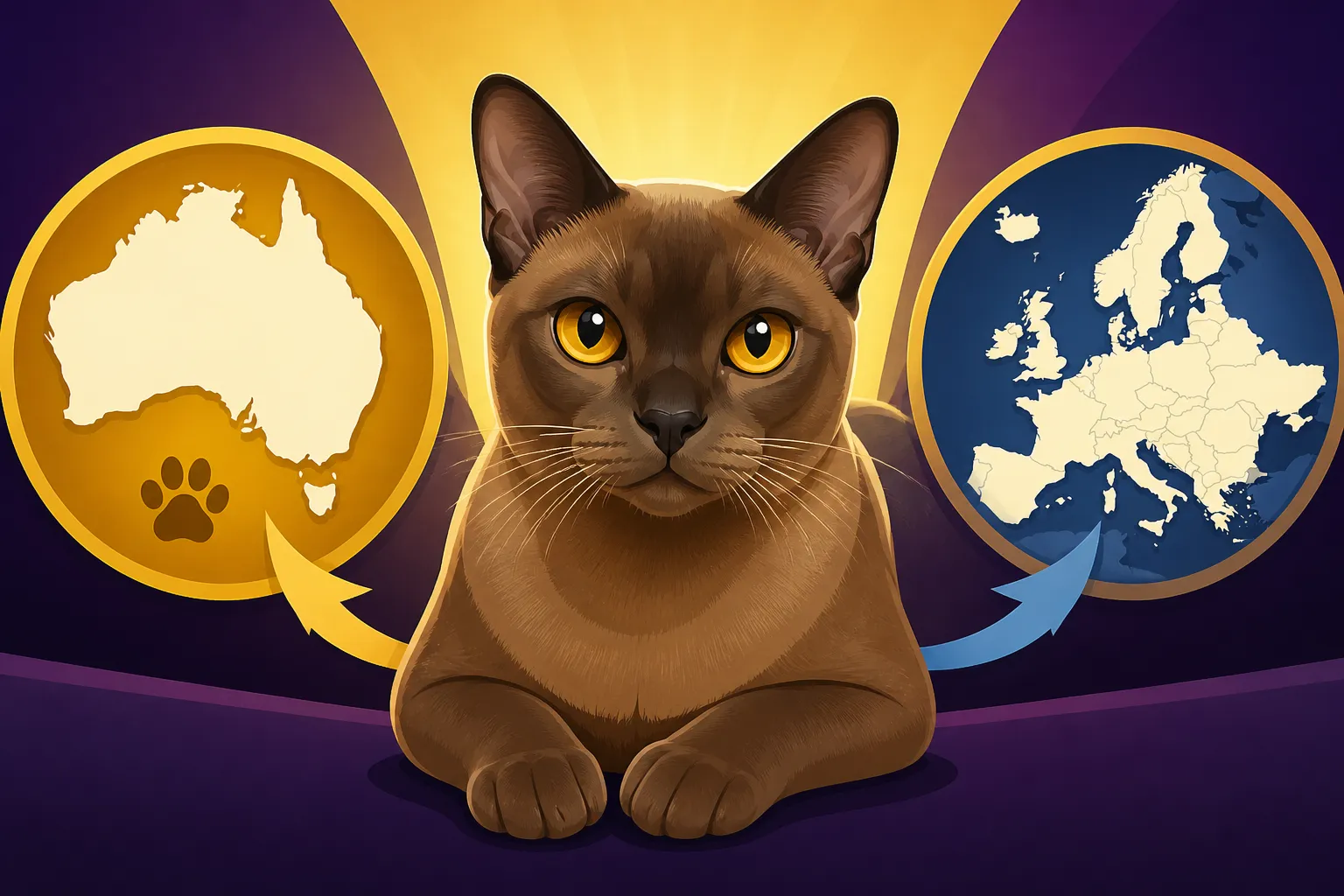
The Burmese cat, with its stunning satin coat and famously affectionate nature, is a cherished companion worldwide. However, like many purebred animals, the journey of its breed development has led to certain genetic predispositions. What many people don't realize is that the "Burmese" cat actually diverged into two distinct types: the American Burmese and the European (or British) Burmese. This split, driven by differing breeding standards and geographic isolation, has profound implications for the health profiles we see today, particularly concerning certain inherited diseases that are more prevalent in Australian and European lines.
The Founding Stock and Early Breeding Practices
The story of the modern Burmese cat begins with a single cat named Wong Mau, brought from Burma (now Myanmar) to the United States in 1930. She was an exceptionally beautiful, walnut-brown cat, and her unique appearance captivated Dr. Joseph C. Thompson, who then embarked on a breeding program. Thompson bred Wong Mau to a Siamese cat, and the resulting kittens were instrumental in revealing the genetic basis of the Burmese color. This early breeding program, which aimed to establish the breed, naturally involved a relatively small genetic pool.
As the breed gained popularity, some Burmese cats were exported to Europe, primarily the UK, in the mid-20th century. Here, breeders began to interpret and develop the breed standard differently, leading to a distinct type. While the American Burmese maintained a more compact, cobby body and a rounder head with full cheeks, the European Burmese evolved to be sleeker, more elegant, with a wedge-shaped head and larger ears. These differing aesthetic preferences, coupled with the geographic distance, led to the development of separate breeding populations, each with its own genetic strengths and weaknesses.
Divergence of American and European Breeding Standards
The split in breeding standards wasn't just about looks; it had an unforeseen impact on the genetic health of the respective populations. In the US, the Cat Fanciers' Association (CFA) recognized the Burmese in 1936, but then suspended registration in 1947 due to widespread outcrossing with Siamese, which diluted the distinct Burmese characteristics. It wasn't until 1956, with strict adherence to a pure Burmese-to-Burmese breeding policy, that the breed was fully reinstated. This period of re-establishment further tightened the gene pool for the American Burmese.
Meanwhile, in Europe, particularly the UK and Australia, the breeding programs also continued. While American breeders focused on the 'cobby' standard, European breeders favored a more svelte, elegant body type. This meant different individuals within the founding stock were selected for breeding, or mutations that arose in one line were unknowingly propagated within that isolated population. For instance, the original Burmese type had a more moderate body and head, but the desire for extremes in either direction (very round vs. very wedge-shaped) inadvertently selected for other genetic traits, some of which turned out to be less desirable from a health perspective. The outcome was two visually distinct types, but also two genetically distinct populations with differing predispositions to inherited diseases.
The Impact of Limited Gene Pools
Both American and European Burmese populations, by their very nature as purebreds, started with a limited genetic foundation. However, the subsequent separation and distinct breeding goals exacerbated this limitation in different ways. In smaller, isolated populations, harmful recessive genes are more likely to become fixed or prevalent because there are fewer new genes introduced to dilute them. This phenomenon is particularly relevant when discussing why certain genetic conditions became more pronounced in the Australian and European Burmese lines.
Consider the early days of selective breeding: if a particular cat was considered an excellent example of the desired "European look," but unknowingly carried a recessive gene for a health condition, and was bred extensively, that gene would spread throughout the population. Without widespread genetic testing in the past, these genes could proliferate for generations before the health consequences became apparent. The relatively smaller and more geographically isolated breeding programs in Australia and Europe, compared to the broader American network, meant that certain genetic mutations, once introduced, could become disproportionately represented within their respective gene pools. This makes careful screening and diverse breeding paramount, especially in a world where we now understand so much more about feline genetics.
Unpacking Diabetes Mellitus in Australian and European Burmese
Diabetes mellitus is a major concern for Burmese cat owners, and it's particularly frustrating because of the clear genetic link in certain lines. The statistics can be alarming, showing that a Burmese is four times more likely to become diabetic than other cat breeds. What’s even more telling is how much higher the Burmese diabetes rate really is in Australian and European lines compared to their American cousins. This isn't just bad luck; there's a specific genetic reason behind it that has unfortunately become concentrated in these populations.
The WNK4 Mutation and Its Prevalence
One of the most significant breakthroughs in understanding Burmese diabetes came with the discovery of the WNK4 mutation. This isn't a gene for diabetes, but rather a gene associated with familial hypokalemia, another serious condition in Burmese cats. Researchers found that a specific mutation in the WNK4 gene is strongly linked to an increased risk of both hypokalemia and diabetes mellitus, particularly in the European Burmese. It's a complex interaction, but essentially, this mutation seems to affect how the body handles electrolytes and insulin, making affected cats more prone to developing these conditions.
Studies have shown that this specific WNK4 mutation is far more prevalent in Australian and European Burmese populations than in American lines. This genetic predisposition means that even with excellent care, a Burmese from these lines might face an uphill battle against diabetes. It’s a bitter pill to swallow for owners who are doing everything right, but it underscores the importance of understanding your cat's genetic background. The consequences of this mutation are truly profound, influencing not just the likelihood of diabetes but also other serious health issues that breeders and owners need to be aware of. What the WNK4 mutation does in a Burmese is intricate, but essentially, it predisposes them to these dual health challenges.
Environmental Triggers and Genetic Predisposition
While genetics play a huge role, they aren't the sole factor. Diabetes, even in genetically predisposed Burmese, often needs an environmental trigger to fully manifest. The biggest culprit? Obesity. This is where the owner's role becomes incredibly important. A Burmese's metabolism is notoriously efficient, and they have a strong drive to eat. Combine this with the WNK4 mutation, and you have a recipe for disaster if portion control isn't rigorously enforced.
Feeding a Burmese is a medical decision, not just a preference. Free-feeding, or allowing your cat to graze all day, is a major risk factor, especially for these genetically susceptible lines. A high-carbohydrate diet, often found in dry kibble, can also contribute significantly to insulin resistance over time. Imagine a cat with a genetic predisposition, constantly exposed to an unlimited supply of high-carb food; it's almost guaranteed to develop diabetes. This is why you need to know which diet puts a Burmese into remission, as a low-carbohydrate, high-protein wet food diet is often key. Monitoring for signs of increased thirst or urination, and understanding how a diabetic Burmese is diagnosed, becomes critical in these lines.
How to Manage and Monitor Risk
For Burmese owners, particularly those with cats from Australian or European lines, managing and monitoring diabetes risk is a lifelong commitment. It starts with diet: a strict, weighed, low-carbohydrate wet food diet is paramount. Portion control is medical care in a Burmese, ensuring they maintain a lean body condition. Regular veterinary check-ups, ideally twice a year, should include blood work to monitor glucose levels, especially as your cat approaches middle age. Remember, a Burmese hides illness behind its affection, so subtle changes might be easily missed.
If diabetes is diagnosed, it requires significant dedication. Daily insulin injections, meticulous dietary management, and frequent glucose monitoring are necessary. It's a journey that can be daunting, but many cats can achieve diabetic remission with prompt and aggressive management, often through strict diet and insulin therapy. Insurance providers like Healthy Paws can sometimes help cushion the financial blow of ongoing medical care, but it's vital to check policy details as pre-existing conditions are usually excluded. Prevention, however, remains the best strategy, focusing on weight management and a species-appropriate diet from kittenhood.
The Nuances of Hypokalemia in European Burmese Lines
Hypokalemia, or low potassium levels, is another inherited condition that disproportionately affects European Burmese lines, and by extension, Australian Burmese due to their shared genetic heritage. It's a deeply worrying condition for owners, often presenting as sudden, debilitating weakness, and it can be terrifying to witness your usually energetic cat unable to hold its head up. This disease is distinct from diabetes, though, as mentioned, they can share a common genetic link.
The Role of the WNK4 Gene in Hypokalemia
Just as with diabetes, the WNK4 gene mutation is implicated in familial hypokalemia in European Burmese cats. This mutation affects the kidney's ability to regulate potassium levels, leading to intermittent episodes of severe muscle weakness. While not every cat with the WNK4 mutation will experience hypokalemic episodes, those that do can suffer dramatically. The link between this gene and the condition is so strong that there is now a DNA test for hypokalemia in the Burmese. This test allows breeders to identify carriers and affected cats, theoretically helping to reduce the incidence of the disease.
The frustrating reality is that while the test exists, the mutation can still be present in breeding populations if not diligently screened for. This makes it absolutely critical for prospective owners to ask breeders about the genetic testing status of their breeding cats. Knowing the genetic profile can mean the difference between years of managing a chronic condition and a healthy, active life for your cat. This is why a Burmese breeder must test before any mating takes place, especially for this specific gene.
Clinical Signs and Diagnosis
Recognizing hypokalemia can be challenging because its symptoms often come and go. The most classic sign of a hypokalemic episode is severe muscle weakness, particularly in the neck. You might see your Burmese walking stiffly, with its head held low, or even unable to lift its head at all, giving it a distinctive "meerkat neck." Other signs can include general lethargy, reluctance to move, and tremors. These episodes can be triggered by stress, excitement, or even strenuous exercise, and they can range from mild stiffness to complete paralysis.
Diagnosis involves a combination of clinical signs and blood tests to measure potassium levels. During an episode, potassium levels will be significantly low. However, between episodes, a cat's potassium levels might return to normal, making diagnosis tricky if testing isn't done during a symptomatic period. If you suspect your Burmese is having an episode, immediate veterinary attention is crucial. Your vet will likely perform a blood panel, and it's essential to understand how a vet distinguishes Burmese hypokalemia from injury, as the symptoms can sometimes appear similar.
Living with and Treating Hypokalemia
Living with a hypokalemic Burmese requires careful management and a strong partnership with your veterinarian. The primary treatment during an acute episode is potassium supplementation, often administered intravenously or orally. For cats that experience recurrent episodes, long-term oral potassium supplementation is usually prescribed. The good news is that with proper management, many hypokalemic Burmese can live a relatively normal life, though episodes may still occur.
Owners need to be vigilant, monitoring their cat for any signs of weakness and promptly administering prescribed supplements. It's also important to understand what triggers a Burmese hypokalemic episode and try to minimize these stressors where possible. While some kittens may grow out of the most severe symptoms as they mature, ongoing monitoring is still recommended. A comprehensive health insurance plan, like those offered by Healthy Paws, can be invaluable for covering the costs associated with diagnosing and treating chronic conditions like hypokalemia, but always ensure you understand what's covered regarding inherited conditions.
Understanding Other Inherited Conditions Across Lines
While diabetes and hypokalemia are particularly prominent in Australian and European Burmese lines, it's important to remember that all purebred cats can be predisposed to various inherited conditions. The Burmese, regardless of its specific lineage, is no exception. Awareness of these other potential issues is key for holistic care and responsible breeding.
Craniofacial Defects and Head Defect
One of the most devastating conditions that can affect Burmese kittens is Craniofacial Anomaly, often simply referred to as "head defect." This is a lethal genetic defect, and thankfully, it's a recessive trait, meaning a kitten must inherit a copy of the defective gene from both parents to be affected. Kittens born with this condition have severe deformities of the skull and face, often with an open fontanelle or other significant structural abnormalities. They rarely survive beyond birth or a few days, and it's a truly heartbreaking discovery for breeders and owners alike.
This condition has been identified in some American and European Burmese lines, although breeders are diligently working to eliminate it through careful screening. The good news is that genetic testing for carriers is now available, allowing responsible breeders to avoid mating two carriers together, thereby preventing the birth of affected kittens. This highlights the importance of asking a breeder for full disclosure of genetic testing results, not just for the parents but also for the wider lineage. It's a stark reminder that even seemingly healthy parents can carry hidden risks. Burmese head defect is lethal and recessive, making rigorous testing essential.
Flat Chested Kitten Syndrome
Flat Chested Kitten Syndrome (FCKS) is another condition that can affect Burmese kittens, causing concern for breeders and owners. Kittens with FCKS have a flattening of their chest wall, which can range from mild to severe. In severe cases, the chest compression can impair lung development and function, leading to breathing difficulties and a higher mortality rate. The cause of FCKS is not fully understood, but it is thought to have a genetic component, possibly polygenic (involving multiple genes), and may also be influenced by environmental factors within the womb or early neonatal period.
Unlike some other conditions, there isn't a simple DNA test for FCKS, making it harder to screen for. Breeders must rely on careful observation of kittens from birth. While some kittens with mild FCKS can recover and live normal lives, those with severe flattening often struggle. This is why a Burmese kitten's chest should be checked at birth, and throughout their early weeks, to monitor for any signs of this condition. Responsible breeders will be transparent about any history of FCKS in their lines and provide detailed care instructions if a kitten is affected.
GM2 Gangliosidosis
GM2 Gangliosidosis is a rare, severe neurological disorder that has been identified in some Burmese and Korat cat lines. It's a lysosomal storage disease, meaning affected cats lack a specific enzyme needed to break down certain fatty substances (gangliosides) in their cells. These substances then build up, particularly in the nervous system, leading to progressive neurological deterioration. Symptoms usually appear in affected kittens between two and four months of age and include tremors, weakness, uncoordinated movements, and eventually paralysis. Sadly, the disease is always fatal, and affected kittens typically do not live beyond one year of age.
GM2 Gangliosidosis is another autosomal recessive condition, meaning both parents must be carriers for a kitten to be affected. Fortunately, a DNA test exists for this devastating disease. This allows breeders to screen their breeding stock and ensure that two carriers are never mated, thereby eradicating the disease from their lines. It's a prime example of how genetic testing has revolutionized responsible breeding. Understanding which tests belong on a Burmese DNA panel, including GM2, is vital for safeguarding the health of future generations.
Why These Genetic Vulnerabilities Persist
The question often arises: if we know about these conditions and have tests, why do these genetic vulnerabilities persist, particularly in certain lines like the Australian and European Burmese? The answer is multi-faceted, involving the historical context of breed development, the ongoing challenges of genetic management, and the varying levels of awareness and adoption of screening practices.
The Challenges of Selective Breeding
Selective breeding, while creating the distinct and beloved characteristics of the Burmese, also carries inherent risks. When breeders focus intensely on specific physical traits – like the rounder American head or the more svelte European body – they might inadvertently narrow the gene pool, increasing the chances of perpetuating undesirable recessive genes. In the early days, before the advent of widespread genetic testing, breeders simply couldn't know if a visually perfect cat was a carrier for a hidden disease. They relied on observation, and by the time a genetic disease became apparent, it often meant many carriers had already been incorporated into the breeding population.
The very desire for uniformity and predictability that defines a breed can be a double-edged sword. It requires mating closely related individuals to 'fix' certain traits, which, if not carefully managed with a deep understanding of genetic health, can lead to inbreeding depression or the increased prevalence of specific diseases. It's a delicate balance to maintain breed type while preserving genetic diversity and health. The challenges of managing complex genetic traits mean constant vigilance and a willingness to adapt breeding practices as new scientific information becomes available.
Lack of Widespread DNA Testing
Despite the availability of DNA tests for several key Burmese health issues, widespread testing has not always been universally adopted. Cost can be a factor, as a full Burmese DNA panel can be an investment for breeders. There can also be a lack of awareness, particularly in regions where genetic testing is less common or regulated. Furthermore, some breeders may simply be less transparent or prioritize other aspects of breeding over comprehensive health screening. This isn't to say that breeders are intentionally negligent, but rather that the industry, like any other, has varying standards.
The good news is that more and more conscientious breeders are embracing DNA testing as a fundamental part of their program. They understand that health is paramount and that responsible breeding means actively working to eliminate genetic diseases. For potential owners, this means actively seeking out breeders who perform thorough genetic testing on all their breeding cats and are willing to share those results. If a breeder is unwilling to show proof of testing, especially for conditions known to affect their lines, it should be a significant red flag.
The Importance of Breeder Transparency
Perhaps the most critical factor in addressing persistent genetic vulnerabilities is breeder transparency. A truly responsible breeder will not only conduct all recommended health tests but will also be open about the health history of their cattery and the specific lines they work with. This includes disclosing any instances of genetic diseases that have appeared, even if the breeding pair in question tested clear. Understanding the pedigree and the health of ancestors provides a fuller picture.
Transparency also extends to educating prospective owners about the specific health risks associated with the Burmese breed, particularly those prevalent in their region's lines. For example, a European Burmese breeder should proactively discuss the risks of hypokalemia and diabetes and explain the steps they take to mitigate those risks. This honest dialogue empowers owners to make informed decisions and prepares them for the specific care needs their cat might have. When you purchase a kitten, you're not just buying a pet; you're entering into a relationship with the breeder, and that relationship should be built on trust and open communication about health.
What Owners and Breeders Can Do
For anyone involved with Burmese cats, whether as a loving owner or a dedicated breeder, there are concrete steps that can be taken to mitigate the risks associated with these genetic vulnerabilities. It's about combining scientific knowledge with diligent care and responsible practices.
The Power of Genetic Screening and Health Registries
The single most impactful action both owners and breeders can take is to embrace genetic screening. For breeders, this means routinely testing all breeding animals for known genetic diseases, including the WNK4 mutation for hypokalemia and diabetes predisposition, and tests for craniofacial defects and GM2 Gangliosidosis if relevant to their lines. Sharing these results openly with potential buyers is non-negotiable. Joining and participating in health registries, which track the incidence of diseases within breeds, also contributes to a larger database of knowledge that benefits the entire breed.
For prospective owners, insist on seeing the genetic test results for both parents of any kitten you consider. Don't be shy about asking questions about the health history of the cattery, including any instances of diabetes or hypokalemia in past litters or the wider lineage. A good breeder will welcome these questions. If a kitten comes from a rescue, you might not have the full pedigree, but you can still request genetic testing for the individual cat, especially if you know it's a Burmese. This proactive approach significantly increases your chances of bringing home a healthy cat.
Proactive Care and Early Detection
Even with the best genetic screening, genetic predisposition doesn't guarantee disease, nor does a clear test entirely eliminate risk (especially for conditions influenced by multiple genes or environmental factors). This means proactive care and diligent early detection are paramount for all Burmese cats, especially those from lines known to carry higher risks. For diabetes, this translates into strict dietary management with a low-carbohydrate wet food, precisely portioned meals, and regular weight monitoring. Why portion control is medical care in a Burmese cannot be overstated.
For hypokalemia, knowing the early signs – such as a sudden change in mobility or the characteristic "meerkat neck" – can lead to prompt veterinary intervention, which can be life-saving. Regular veterinary check-ups, even for seemingly healthy cats, are crucial for catching subtle changes in blood work or physical condition that might indicate the onset of disease. Recording your Burmese's weight monthly and paying close attention to changes in thirst or urination are simple, yet powerful, tools for early detection. Remember, these cats are masters at hiding illness.
Supporting Responsible Breeding Practices
Ultimately, improving the health of Burmese lines, particularly the Australian and European ones, hinges on supporting and promoting responsible breeding practices. This means choosing breeders who prioritize health and temperament above all else, who conduct comprehensive genetic testing, maintain open communication, and contribute to breed health research. It also means being willing to pay a fair price for a kitten from such a breeder, understanding that the cost reflects the significant investment in health testing, quality care, and ethical breeding.
Beyond individual choices, supporting breed clubs and organizations that advocate for health screening and ethical breeding standards helps raise the bar for the entire breed. This collective effort ensures that the future of the Burmese cat remains bright, with healthy, happy companions for generations to come. When considering insurance for your feline friend, companies like Healthy Paws are often highly recommended for their comprehensive coverage, which can provide peace of mind in managing potential health issues.
Disclaimer
Please remember that this article provides general information and recommendations. It is not a substitute for professional veterinary advice. Always consult with a qualified veterinarian for any health concerns or before making any decisions about your pet's care, diet, or treatment. Genetic testing and health management protocols should be discussed with your vet and breeder.