Why a Burmese Kitten Needs an Early Vet Check
Bringing a new Burmese kitten into your home is one of the most exciting, joyful experiences a cat lover can have. Their boundless energy, affectionate nature, and distinctive purr can fill a house with warmth. But amidst all that joy, there's often a quiet worry about their tiny, vulnerable bodies and ensuring they're starting life on the healthiest paw possible. This comprehensive guide will walk you through exactly why that crucial early vet check for your Burmese kitten isn't just a recommendation, but an absolute necessity for their long-term well-being and your peace of mind.
The Absolute Imperative of That First Vet Check
When you first bring your Burmese kitten home, especially from a reputable breeder, they might already have had their first vaccinations and a basic health check. However, that initial visit to your chosen veterinarian, within a few days of arrival, is paramount. Think of it as laying the groundwork for a lifetime of health and happiness, establishing a baseline, and catching any potential issues before they become major problems. It's not just about confirming what the breeder told you; it's about your vet getting to know your new family member, understanding their unique needs, and starting a health record that will follow them for years.
Establishing a Health Baseline
Imagine buying a brand-new car and never taking it in for its first service. You wouldn't, right? A kitten's health is far more complex and precious. That first vet visit creates a detailed health profile for your Burmese. Your vet will meticulously examine your kitten from nose to tail, checking everything from their teeth and gums to their heart and lungs. This initial assessment establishes what's "normal" for your kitten. For instance, they'll record their weight, temperature, and respiration rate. This baseline becomes incredibly valuable later on. If your cat ever falls ill, your vet can compare current readings to these healthy baseline figures, helping them pinpoint changes more quickly and accurately. Without this initial detailed record, diagnosing subtle changes can be a much harder, more stressful, and potentially more expensive process down the line. It's about proactive care, not just reactive treatment.
Catching Lingering Hitchhikers
Even the most meticulous breeders can sometimes miss things, or a kitten might pick something up in its new environment. Common kitten issues like fleas, mites, or intestinal parasites (worms) can be surprisingly prevalent and, if left untreated, can severely impact a kitten's growth and immune system. During that early vet check, your veterinarian will likely perform a fecal exam to check for parasites and recommend a deworming schedule if necessary. They'll also inspect their coat and skin for any external pests. While these might seem like minor annoyances, a heavy parasite load can cause anemia, malnutrition, and a failure to thrive, particularly in very young kittens. Knowing what to expect during this vital examination can help you prepare, and you can learn more about What a Burmese Kitten's First Exam Should Cover to be fully ready.
Unpacking Specific Burmese Health Concerns
The Burmese breed is renowned for its robust health and impressive lifespan, often reaching The Sixteen to Eighteen Years a Well Bred Burmese Gets. However, like many purebred cats, they do have a genetic predisposition to certain conditions. An early vet check is essential for identifying any early warning signs and discussing preventive measures or testing protocols with your veterinarian. Being aware of these breed-specific risks allows you to be an informed and vigilant owner right from the start.
Identifying Potential Genetic Conditions
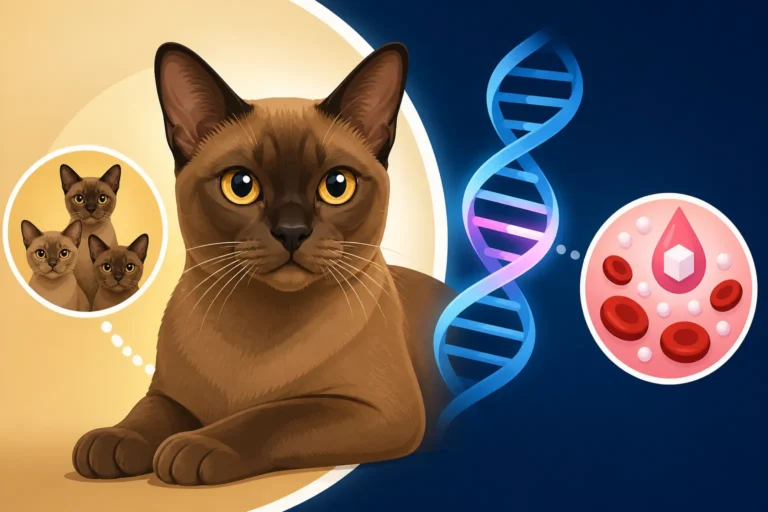
The Burmese is unfortunately associated with a few genetic conditions that can manifest early in life. One of the most talked-about is Hypokalemia, also known as Burmese Hypokalemic Polymyopathy. This is a condition where the cat experiences episodes of extreme muscle weakness due to low potassium levels. While episodes can sometimes be mild, severe cases can see a kitten unable to lift its head, a symptom often described as a "meerkat neck." Your vet can discuss symptoms and diagnostic options, and you can dive deeper into Hypokalemia Is the Burmese Disease With a DNA Test and The Meerkat Neck That Tells You a Burmese Has Hypokalemia to understand this condition more fully.
Another grave concern, though thankfully rare, is Burmese Head Defect, a lethal recessive condition that affects kittens at birth. While a breeder should screen for this, your vet can also visually assess for any signs of congenital abnormalities. Understanding What Burmese Head Defect Does to a Kitten is crucial for any responsible owner. Although there isn't a test for this particular defect, responsible breeding practices aim to eliminate it.
Discussing Diabetes Predisposition
Perhaps one of the most widely recognized health risks for the Burmese breed is their significantly higher predisposition to Type 2 diabetes compared to other breeds. In fact, Why a Burmese Is Four Times More Likely to Become Diabetic is a serious statistical reality. While diabetes typically manifests later in life, usually around seven to ten years of age, establishing healthy habits from kittenhood is vital for prevention. Your vet can discuss appropriate diets from the very beginning that minimize carbohydrate intake, setting your kitten up for a healthier future. They might even recommend baseline glucose checks as your kitten ages. Understanding Why Portion Control Is Medical Care in a Burmese starts early, as diet and weight management are the biggest levers an owner has against this disease.
What to Expect During the Initial Vet Visit
That first trip to the vet can be a little daunting, both for you and your tiny kitten. Knowing what the visit entails can help alleviate some stress and ensure you make the most of this critical appointment. It's not just a quick peek; it's a comprehensive health assessment and an opportunity for you to ask all your burning questions.
The Comprehensive Physical Examination
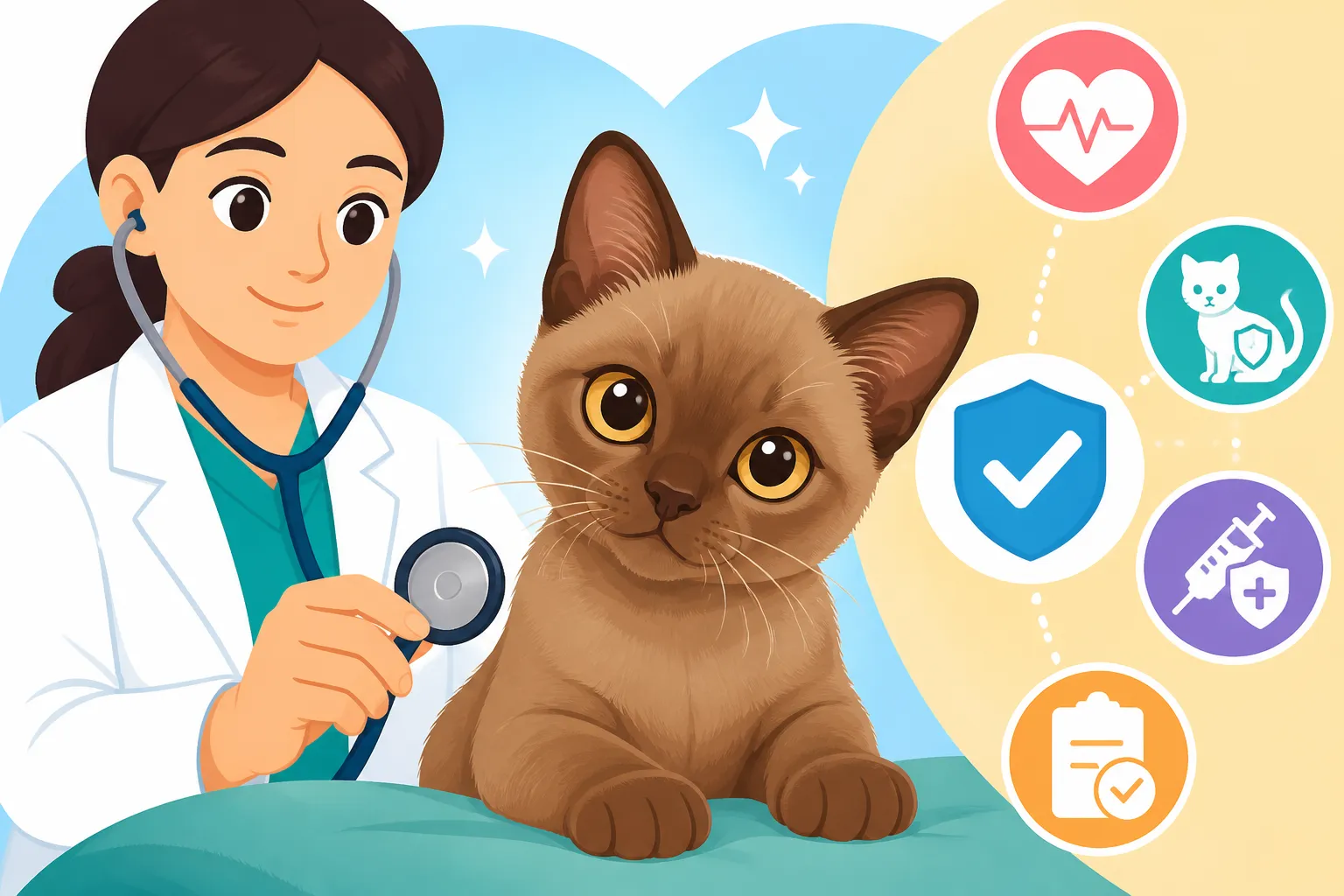
Your vet will start with a thorough "nose-to-tail" examination. This isn't just a casual glance. They'll carefully:
- Check their eyes, ears, and nose: Looking for discharge, signs of infection, or structural abnormalities. Your Burmese might have eyes that water and crust a bit, which is often normal for the breed, but a vet can confirm this.
- Inspect their mouth: Assessing gum health, eruption of baby teeth, and checking for any signs of conditions like gingivitis, which Burmese are prone to later in life. This early check can help establish a routine for Brushing a Burmese's Teeth From Twelve Weeks.
- Palpate their abdomen: Feeling for any abnormalities in internal organs, signs of pain, or masses.
- Auscultate their heart and lungs: Listening for murmurs, irregular rhythms, or abnormal breathing sounds. This is important for breeds that can occasionally develop conditions like HCM, even if less common in Burmese than some other breeds.
- Examine their coat and skin: Looking for parasites (fleas, mites), skin lesions, or abnormal hair loss.
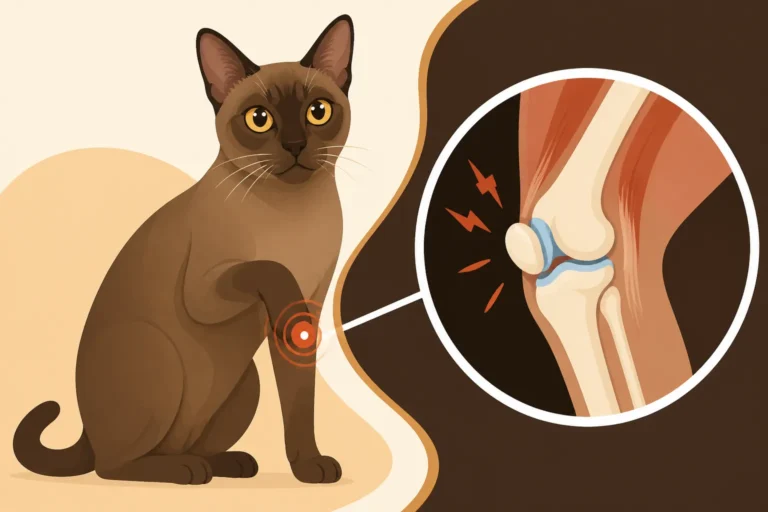
- Assess their musculoskeletal system: Checking for lameness, proper joint development, and muscle tone. For a breed known for its robust, muscular build, ensuring proper development is key.
- Evaluate their overall body condition score: This determines if your kitten is at a healthy weight, too thin, or already carrying too much weight, setting the stage for good nutritional habits.
This detailed examination is fundamental to catching anything unusual early on.
Vaccinations, Parasite Control, and Microchipping
Beyond the physical exam, your initial vet visit will cover essential preventive care.
- Vaccinations: If your kitten hasn't completed their initial vaccination series, your vet will administer the first or subsequent shots for core feline diseases like feline panleukopenia (distemper), feline herpesvirus, and feline calicivirus. Depending on their lifestyle (e.g., if they will ever go outdoors), rabies and feline leukemia virus (FeLV) vaccines might also be discussed.
- Parasite Control: As mentioned, a fecal sample will likely be requested to check for intestinal worms. Your vet will then recommend appropriate deworming medication and a schedule for ongoing prevention. They’ll also advise on flea and tick prevention suitable for your kitten's age and weight.
- Microchipping: If your kitten isn't already microchipped, this is an excellent time to get it done. A microchip is a tiny device implanted under the skin, offering permanent identification that can reunite you with your cat if they ever get lost. It's a quick, relatively painless procedure, usually done with minimal fuss.
Your vet will also review your kitten's vaccine record and microchip information, confirming all details are correct and registered to you.
Nutrition and Behavioral Counseling
This first visit is also your chance to talk to a professional about all things kitten.
- Nutrition: Discussing your kitten's current diet is crucial. Your vet can advise on suitable high-quality kitten foods, emphasizing a diet that supports growth without encouraging excessive weight gain, especially given the Burmese's diabetes risk. They'll talk about portion control and feeding schedules, which are vital for a breed known for its love of food. Learn more about What a Burmese Kitten Should Eat and why their diet is a medical decision, not just a preference.
- Behavioral Guidance: Have questions about litter box training, scratching posts, or how to introduce your kitten to other pets or children? This is the perfect time to ask. Your vet or vet technician can offer valuable insights and resources to help your kitten settle in and develop good habits. Burmese are social creatures, and discussing proper socialization is important; for instance, understanding Why a Burmese Kitten Stays Until It Is Socialized can help you recognize the importance of their early weeks.
- Spay/Neuter Discussion: While too young for the procedure, your vet can discuss the benefits and ideal timing for spaying or neutering your Burmese kitten.
This holistic approach ensures not only their physical health but also their behavioral development is on the right track.
Preparing for Lifelong Wellness
The early vet check is just the first step in a long, happy, and healthy life with your Burmese. Establishing a relationship with a trusted vet and proactively planning for their future care is paramount.
The Value of Regular Preventative Care
Once that initial check-up is complete, your kitten will need follow-up visits for booster vaccinations and ongoing parasite control. Beyond kittenhood, annual wellness exams are crucial for adult Burmese cats. These visits allow your vet to monitor their health trends, catch any subtle changes as they age, and update preventive care. Regular dental checks, for example, become very important given the Burmese breed's propensity for gum disease. Discussions around How Often a Burmese Needs a Dental should start early with your vet. Preventative care helps avoid costly and complex health issues later on, ensuring your cat lives its fullest life.
| Common Kitten Ailment | Key Signs to Look For | When to See a Vet Immediately |
|---|---|---|
| Parasites (Worms/Fleas) | Visible worms in stool, "rice grains" around anus, scratching, dull coat, pot belly. | If signs are severe, kitten is lethargic, or losing weight. |
| Upper Respiratory Infection | Sneezing, runny nose/eyes, lethargy, loss of appetite. | If symptoms worsen, breathing difficulties, or kitten stops eating/drinking. |
| Diarrhea/Vomiting | Frequent loose stools, forceful vomiting, lethargy. | If persistent (more than 24 hours), contains blood, or kitten is weak. |
| Lethargy/Loss of Appetite | Kitten is unusually quiet, not playing, refusing food/water. | If noticeable change in activity or refusal to eat for more than a few hours. |
| Lameness/Limping | Holding up a paw, favoring a limb, difficulty jumping. | Any noticeable lameness, swelling, or pain. |
Budgeting for Future Health: Pet Insurance
Let's be realistic: owning a pet, especially a purebred with certain predispositions, can come with unexpected veterinary costs. This is where pet insurance can be a real lifeline. Companies like Healthy Paws offer various plans that can help cover everything from accidents and illnesses to emergency care and even some routine wellness visits. Discussing pet insurance options with your vet, or even researching providers like Healthy Paws before your kitten's first check-up, can help you prepare financially for any bumps in the road. It offers peace of mind knowing that if your Burmese develops a condition like diabetes later on, or has an unexpected accident, you're better equipped to handle the financial burden. In the long run, investing in a good pet insurance plan from a reputable provider like Healthy Paws can often save you significant money and stress.
Conclusion: A Healthy Start for a Cherished Companion
Your Burmese kitten is more than just a pet; they're a cherished member of your family, bringing years of joy, purrs, and shoulder rides. That early vet check is the critical first step in safeguarding their health and ensuring they have every opportunity to live a long, vibrant life. By establishing a health baseline, addressing potential breed-specific concerns, and setting up a foundation of preventative care and sound nutrition, you are investing in their future. Don't delay that first appointment – it's the best decision you can make for your new, adorable Burmese companion.
Disclaimer
This article is intended for informational purposes only and does not constitute medical advice. Always consult with a qualified veterinarian for any health concerns or before making any decisions about your pet's care.