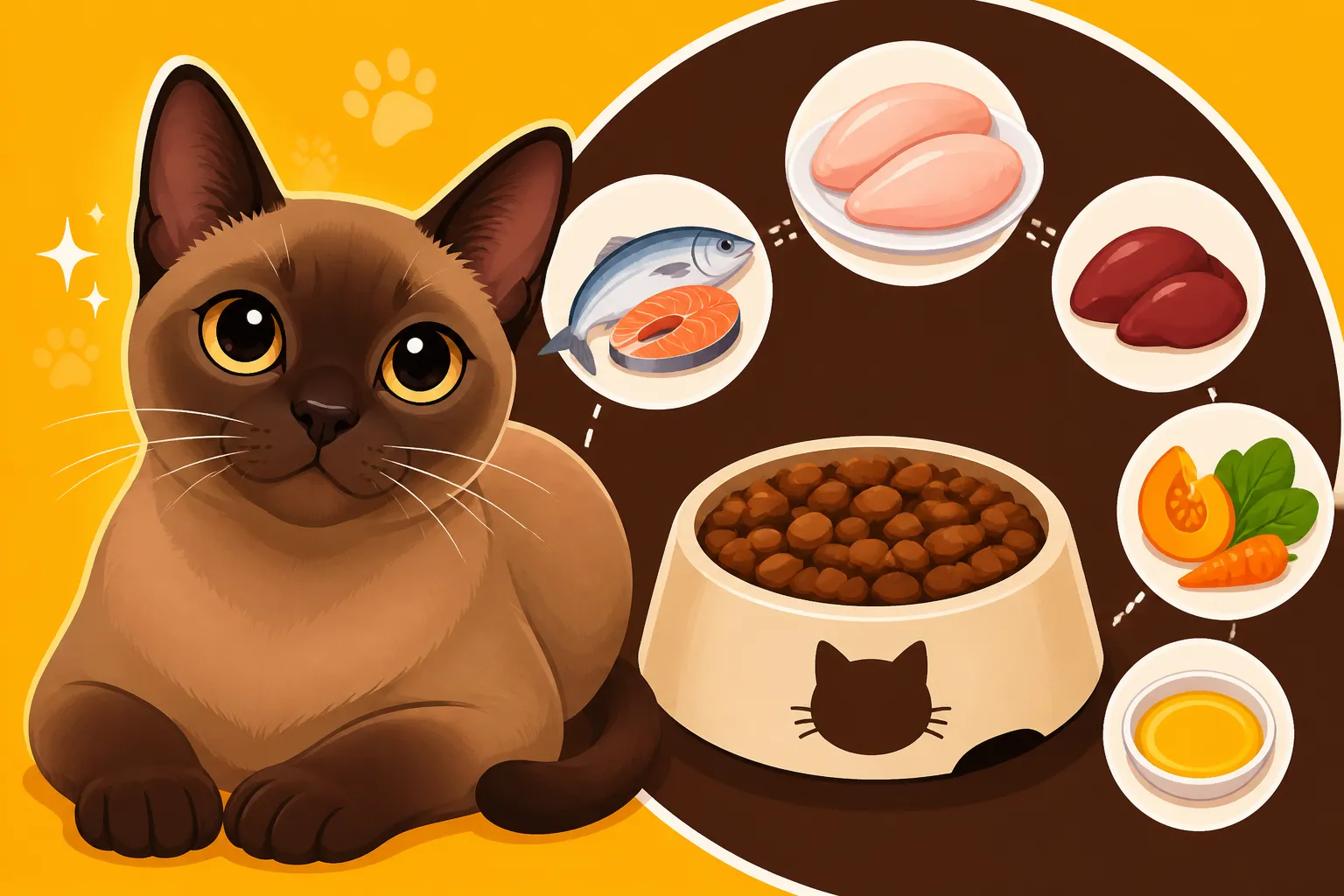
What a Burmese Kitten Should Eat
Bringing home a new Burmese kitten is an incredibly exciting time, filled with purrs, playful pounces, and endless cuddles. However, amidst all that joy, a crucial question often looms large: "What exactly should I be feeding this little bundle of energy?" It’s not just about filling a bowl; for Burmese owners, choosing the right diet for your kitten is one of the most proactive and loving things you can do to safeguard their health for years to come. This guide will walk you through the specifics of feeding your Burmese kitten, emphasizing the unique considerations for this wonderful breed, and helping you lay a strong foundation for a long, vibrant life.
Understanding Your Burmese Kitten's Unique Dietary Foundation
It might seem like all kittens eat pretty much the same thing, but for a Burmese, their nutritional needs are a little more nuanced. This isn't just a generic cat; it's a breed with a distinct genetic makeup and an active, muscular physique that demands specific attention to diet. Ignoring these breed-specific considerations can unfortunately set the stage for health issues down the line, particularly concerning their predisposition to certain metabolic conditions.
Why Burmese Kittens Have Specific Nutritional Demands
Burmese kittens are known for their incredible energy and rapid growth. They are little powerhouses, constantly exploring, playing, and burning calories. This high metabolism means they need a nutrient-dense diet to fuel their development – not just in terms of size, but also for building that characteristic strong, muscular body. Unlike some more delicate breeds, a Burmese kitten is a compact, solid animal that needs robust nutrition to support its dense bone structure and powerful musculature. But it’s not just about raw calories; it’s about the quality of those calories. They are prone to developing Why a Burmese Is Four Times More Likely to Become Diabetic later in life, and studies have shown that diet, even in kittenhood, can play a significant role in mitigating or exacerbating this risk. This means we can't just feed them anything and hope for the best; intentional dietary choices are paramount from day one.
The Long-Term Impact of Early Diet on Burmese Health
Think of your kitten's early diet as the blueprint for their adult health. What they eat now isn't just for immediate growth; it's shaping their metabolism, their organ development, and their ability to process nutrients effectively for their entire life. Overfeeding, or feeding a diet high in inappropriate ingredients, can lead to excessive weight gain in kittenhood. While a chunky kitten might look adorable, for a Burmese, this can be a dangerous slippery slope. Early obesity increases the likelihood of developing diabetes, dental issues, and even joint problems as they age. A poorly balanced diet can also impact the development of their immune system, making them more susceptible to illnesses. It's truly a medical decision, not just a preference, to ensure they get the correct balance of nutrients right from the start.
Prioritizing High-Quality Protein for Growth and Muscle Development
Protein is the absolute cornerstone of a Burmese kitten's diet. These aren't dainty cats; they're strong, athletic animals, and protein is essential for building and maintaining that impressive musculature. Without enough high-quality protein, a kitten's growth can be stunted, their immune system weakened, and their overall development compromised. It’s all about providing the building blocks for every cell in their rapidly growing bodies.
Sources of Excellent Protein for Burmese Kittens
When you're looking at food labels, the first ingredient, and ideally the first few ingredients, should be animal-based protein sources. Look for named meat, poultry, or fish, such as chicken, turkey, salmon, or beef. Avoid vague terms like "meat by-products" as the primary protein source, as these can be inconsistent in quality and nutritional value. Whole meats provide complete amino acid profiles that are essential for feline health. For instance, brands often highlight real deboned chicken or wild-caught salmon at the top of their ingredient lists, which is exactly what you want to see. Many reputable pet food manufacturers, including options you might find on Chewy, are very transparent about their protein sources. Remember, cats are obligate carnivores, which means they are designed to derive their nutrients from animal tissue, not plant matter.
The Role of Protein in Their Energetic Lifestyle
A Burmese kitten's boundless energy isn't just for show; it's a sign of their healthy metabolism. This energy requires constant replenishment, and protein plays a vital role in providing sustained fuel. While fats and carbohydrates also contribute, protein offers a slower, more consistent energy release, helping to keep their blood sugar stable throughout the day. This steady energy prevents the peaks and troughs that can lead to lethargy or excessive hunger. Moreover, protein isn't just about muscle; it's crucial for healthy skin, that famous satin coat, and the production of enzymes and hormones vital for all bodily functions. A protein-rich diet supports their active play, their intense cuddle sessions, and their overall zest for life, ensuring they have the stamina to explore and interact with their world fully.
Navigating Fats and Carbohydrates for Optimal Burmese Kitten Health
While protein is king, fats and carbohydrates also have their place in a Burmese kitten's diet, but they need to be chosen and portioned carefully. The key here is balance, especially given the breed's genetic predisposition to certain health challenges. It's about getting the right kind of energy without inadvertently setting them up for problems later on.
Healthy Fat Sources for Energy and Coat Condition
Fats are a concentrated source of energy, vital for active kittens, and also crucial for absorbing fat-soluble vitamins (A, D, E, K). They contribute to healthy skin and that beautiful, glossy satin coat the Burmese is famous for. Look for animal fats like chicken fat or fish oil (salmon oil, cod liver oil) in the ingredient list. Omega-3 fatty acids, found in fish oils, are particularly beneficial for brain and eye development, and have anti-inflammatory properties. These are excellent additions to any kitten's diet. However, like with all good things, moderation is key. Too much fat, even healthy fat, can lead to weight gain if not balanced with activity. The goal is enough healthy fats to support their energy needs and coat health without creating an excess that could lead to obesity.
Managing Carbohydrate Intake to Mitigate Future Risks
This is where specific consideration for the Burmese breed really comes into play. While some carbohydrates are present in most commercial cat foods, and can provide quick energy, cats don't have a high dietary need for them, especially compared to their need for protein and fat. For Burmese cats, with their increased risk of diabetes, keeping carbohydrate intake relatively low is a proactive health measure. Which Carbohydrate Percentage a Burmese Should Stay Under is a question many owners grapple with. Generally, aim for foods where carbohydrates make up a much smaller percentage of the caloric content than protein or fat. This means avoiding fillers like corn, wheat, and soy, which are often high in carbohydrates and offer little nutritional value for a carnivore. Instead, if carbohydrates are present, look for complex carbohydrates in small amounts, such as peas or sweet potatoes. Many owners find that wet food naturally has a lower carbohydrate content than dry kibble, making it a preferred choice for Burmese kittens and adults alike.
Essential Vitamins, Minerals, and Potential Supplements for Kittens
A complete and balanced kitten food is formulated to provide all the necessary vitamins and minerals for healthy growth. This careful balance is vital for everything from strong bones to a robust immune system. It's tempting to think more is better, but with micronutrients, an excess can be just as harmful as a deficiency.
Key Micronutrients for Bone and Immune System Development
Kittens grow at an astonishing rate, and this rapid development requires a steady supply of specific vitamins and minerals. Calcium and phosphorus, in the correct ratio, are critical for strong bone development. Vitamin D is essential for calcium absorption. Vitamins A and E, along with selenium, are important antioxidants that support a developing immune system, helping your kitten ward off illnesses. B vitamins are crucial for metabolism and energy production. A high-quality kitten food from a reputable brand will have these nutrients meticulously balanced. When checking labels, look for an AAFCO (Association of American Feed Control Officials) statement confirming the food is "complete and balanced" for growth or for all life stages, which indicates it meets these nutritional standards. This gives you peace of mind that all bases are covered for your growing Burmese.
When to Consult Your Vet About Kitten Supplements
Generally, if you are feeding a high-quality, AAFCO-approved complete and balanced kitten food, additional supplements are not necessary and can even be detrimental. Over-supplementation of certain vitamins and minerals can lead to toxicity or imbalances that hinder growth. For example, too much calcium can lead to skeletal deformities in fast-growing kittens. However, there are specific situations where a vet might recommend a supplement. If your kitten has a diagnosed deficiency, a specific health condition, or is recovering from an illness, your vet might suggest a targeted supplement. For example, a vet might recommend a probiotic for digestive upset or a specific fatty acid supplement for skin issues not resolving with diet alone. Never start supplementing your kitten without veterinary guidance, as you could inadvertently cause more harm than good. A routine check-up, such as Why a Burmese Kitten Needs an Early Vet Check, is a perfect opportunity to discuss any dietary concerns or questions about supplements with your veterinarian.
Establishing a Strict Feeding Schedule and Portion Control
This section is paramount for Burmese owners. Due to their genetics, Burmese cats are notoriously prone to weight gain and the subsequent risk of diabetes. Establishing good feeding habits from kittenhood is not just about keeping them slim; it’s a proactive health measure that can literally extend their lifespan and quality of life. Free-feeding, where food is left out all day, is a definite no-go for this breed.
The Critical Practice of Weighing Your Burmese Kitten's Food
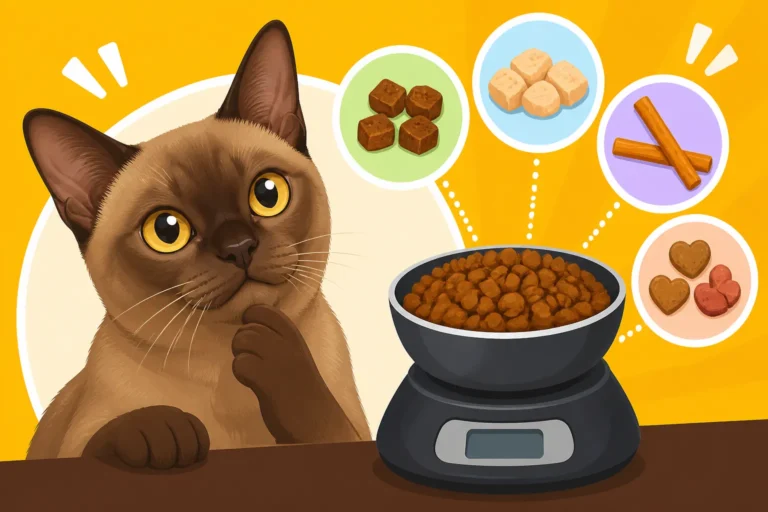
Gone are the days of simply scooping food from a bag. For a Burmese, every gram counts. Why a Burmese's Portion Is Weighed, Not Scooped is a concept that truly underlines the breed's needs. Calorie density varies greatly between foods, and even slight overestimates in portion size can add up quickly over weeks and months, especially for a rapidly growing kitten. Invest in a digital kitchen scale and use it for every single meal. Manufacturers' guidelines on food packaging are a good starting point, but always adjust based on your individual kitten's body condition and activity level, in consultation with your vet. A small kitten might only need a few ounces of wet food, but precise measurement ensures they get exactly what they need without excess. This habit, instilled early, becomes second nature and is one of the most effective ways to manage their weight throughout their life.
Moving from Free-Feeding to Structured Mealtimes
Burmese kittens thrive on routine, and scheduled mealtimes are far superior to free-feeding for this breed. Not only does it allow you to precisely control their caloric intake, but it also helps monitor their appetite and eating habits, which can be early indicators of illness. Free-feeding can lead to constant grazing, overconsumption, and difficulty in assessing if they're eating too much or too little. Instead, aim for 3-4 meals a day for very young kittens (8-12 weeks), gradually reducing to 2-3 meals by around 6 months, and eventually two meals a day as an adult. This structured approach helps regulate their metabolism, prevents boredom eating, and trains them to eat at specific times, which is incredibly useful should they ever need medication or insulin injections later in life. Why Portion Control Is Medical Care in a Burmese cannot be stressed enough; it's a fundamental part of responsible Burmese ownership.
Selecting the Best Food Type: Wet, Dry, or a Combination
The debate over wet versus dry food rages on in the cat world, but for a Burmese kitten, the choice can have significant implications for their long-term health, particularly concerning their susceptibility to diabetes and dental issues. Making an informed decision here is vital.
The Advantages of Wet Food for Burmese Kittens
For many Burmese owners and veterinarians, high-quality wet food is often the preferred choice, especially for kittens. The primary advantage is its high moisture content, which is crucial for feline urinary tract health. Cats are not naturally big drinkers, and they evolved to get most of their hydration from their prey. Wet food helps ensure they stay adequately hydrated, which is important for kidney function. Beyond hydration, wet foods typically have a higher protein content and a lower carbohydrate load compared to dry kibble, making them more aligned with a cat's carnivorous dietary needs and less likely to contribute to weight gain and insulin resistance. This is a significant factor in managing the Why the Burmese Has the Highest Diabetes Rate of Any Cat Breed predisposition. The texture of wet food can also be beneficial for kittens with developing teeth or older cats with dental issues.
The Role of Dry Kibble and How to Choose Wisely
While wet food often takes the lead, dry kibble can still have a place in a Burmese kitten's diet, but it requires careful selection. If you choose to incorporate dry food, look for a high-protein, low-carbohydrate formula. Many dry foods are packed with grain fillers and carbohydrates that are problematic for Burmese cats. If your kitten consumes dry food, ensure it is measured precisely and offered at scheduled mealtimes, not free-fed. Some owners find dry food convenient for puzzle feeders, which can provide mental stimulation for an active Burmese. If you do use kibble, always provide ample fresh water, perhaps even a flowing fountain, to encourage extra hydration. Brands available on Amazon or Chewy often have detailed nutritional breakdowns, allowing you to compare carbohydrate percentages.
Exploring Raw or Home-Prepared Diets with Caution
Some owners are drawn to raw or home-prepared diets, believing them to be more natural for obligate carnivores. While these diets can be nutritionally excellent, they come with significant risks, especially for growing kittens. Formulating a truly complete and balanced raw or home-cooked diet requires extensive veterinary nutritional expertise. Without the correct balance of vitamins, minerals, calcium, and phosphorus, you risk severe developmental issues in a kitten. Raw diets also carry a higher risk of bacterial contamination (like Salmonella or E. coli), which can be dangerous for both your kitten and human household members. If you are considering a raw or home-prepared diet, it is absolutely imperative to work closely with a board-certified veterinary nutritionist to ensure it is balanced and safe. This isn't something to undertake lightly or based on internet recipes alone.
Ensuring Adequate Hydration and Water Access
Water is often overlooked, but it's arguably the most critical nutrient for any living creature, and especially so for a Burmese cat. Proper hydration supports every bodily function, from organ health to nutrient absorption and waste elimination. Given that cats are notoriously poor drinkers, making water appealing and accessible is a key part of their care.
Why Water Intake is Especially Important for Burmese Kittens
For rapidly growing kittens, adequate water intake is vital for proper kidney development and function, helping them flush out waste products effectively. It also aids digestion, nutrient transport, and helps regulate body temperature. As mentioned earlier, cats evolved to get most of their water from their food, meaning they don't always have a strong thirst drive even when slightly dehydrated. This is why high-moisture wet food is so beneficial. Insufficient hydration, especially over a long period, can contribute to urinary tract issues and kidney problems later in life, conditions that can impact any cat, including the Burmese. Why a Burmese's Water Intake Is Worth Tracking as they get older becomes a marker of health, but building those good habits early matters.
Tips for Encouraging Your Kitten to Drink More
Making water appealing can be a bit of an art form. Here are some strategies:
- Multiple Water Stations: Place several water bowls throughout your home, away from food and litter boxes. Cats often prefer to drink in a separate location from where they eat.
- Different Bowl Types: Experiment with ceramic, stainless steel, or glass bowls. Some cats have preferences. Plastic bowls can retain odors and tastes.
- Freshness is Key: Change the water frequently, at least once or twice a day. Cats are sensitive to stale water.
- Water Fountains: Many cats are attracted to moving water. A filtered pet water fountain can encourage increased drinking. You can find excellent options on Amazon or Chewy that are quiet and easy to clean.
- Add a Splash of Flavor (Carefully): Occasionally, a tiny amount of tuna juice (in water, not oil) or low-sodium chicken broth can tempt a reluctant drinker. This should be a rare treat, not a daily habit.
- Avoid Tap Water if Preferred: Some cats dislike the taste or chemicals in tap water. Try filtered water.
By providing plenty of clean, fresh water in appealing ways, you help ensure your Burmese kitten stays properly hydrated, supporting their health now and into adulthood.
The Transition to Adult Food and Lifetime Nutritional Management
The kitten phase flies by quickly! Before you know it, your energetic little furball will be approaching adulthood, and that means it's time to consider transitioning them to an adult-appropriate diet. This phase is not just about changing the bag of food; it's about solidifying the healthy eating habits you've established.
Smoothly Introducing Adult Formulas
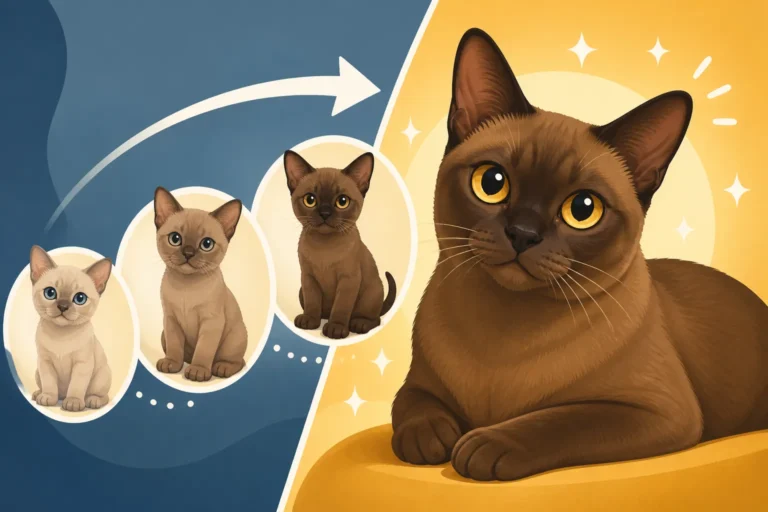
Generally, most Burmese kittens are ready to transition to an adult formula around 10-12 months of age, though larger or very active kittens might benefit from staying on kitten food a little longer. Your vet is the best resource for pinpointing the exact time for your individual cat. When you do switch, do it gradually over 7-10 days. Start by mixing a small amount of the new adult food with their current kitten food, slowly increasing the proportion of new food while decreasing the old. This helps prevent digestive upset and allows your kitten to adjust to the new taste and texture. Suddenly changing food can lead to stomach issues like vomiting or diarrhea. Many reputable brands offer adult formulas that are similar in composition to their kitten lines, making the transition smoother. For instance, if you're using a specific wet food brand for kittens, it might have a comparable adult formula to switch to.
Continuing Vigilance: Diet as a Cornerstone of Burmese Lifespan
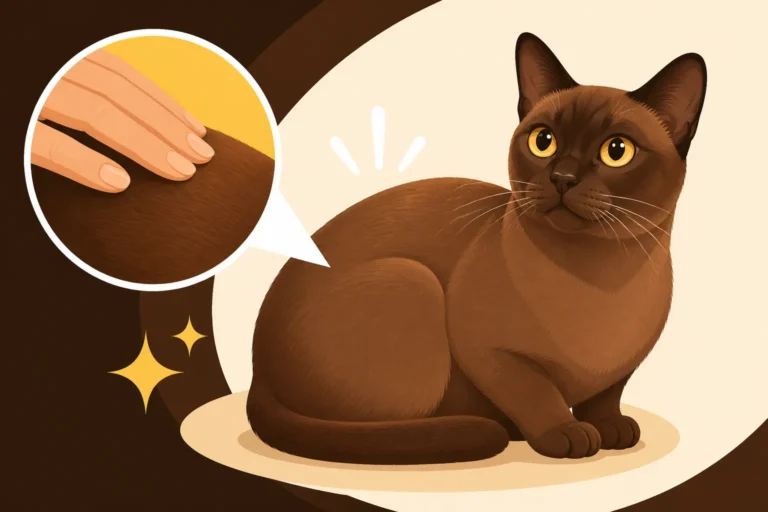
Once your Burmese transitions to adult food, the principles of high-quality protein, controlled fat, and low carbohydrates remain just as vital – if not more so. The risk of diabetes is a lifelong consideration for this breed, and diet is your primary tool for prevention and management. Continue to weigh their food meticulously. How Many Calories a Neutered Adult Burmese Burns will be different from a kitten, and may vary depending on their activity level and whether they are male or female, neutered or intact. Monitor their body condition regularly; you should be able to feel their ribs easily without seeing them, and they should have a discernible waist. Remember that a Burmese can be quite muscular, so How to Weigh a Burmese Accurately at Home and understanding their ideal body condition score is more informative than just the number on the scale. Regular vet check-ups are essential to monitor their weight and overall health. Your dedication to their diet now will pay dividends in a long, healthy, and happy life together.
| Age Stage | Food Type Recommendation | Carbohydrate Content Goal | Key Dietary Focus | Portioning Method |
|---|---|---|---|---|
| Kitten (8-12 wks) | High-quality wet food (primary) | Low (under 10% DMB) | Rapid growth, brain & immune development, muscle building | Weighed meals (4-5x/day) |
| Kitten (3-6 mo) | High-quality wet food (primary) | Low (under 10% DMB) | Sustained growth, energy for play, bone density | Weighed meals (3-4x/day) |
| Kitten (6-12 mo) | High-quality wet food (primary) | Low (under 10% DMB) | Transition to adult proportions, lean muscle | Weighed meals (2-3x/day) |
| Adult (1+ yr) | High-quality wet food (primary) | Low (under 10% DMB) | Weight management, diabetes prevention, overall health | Weighed meals (2x/day) |
Note: DMB = Dry Matter Basis. Always consult with your veterinarian for specific dietary recommendations tailored to your individual kitten's health and activity level.
Disclaimer
This article is for general informational purposes only and does not constitute professional advice. Laws, prices and regulations vary by location and change over time. Consult a qualified professional for guidance on your specific situation.