Why a Burmese’s Satin Coat Almost Never Needs Washing
As a Burmese cat owner, you might sometimes wonder if you're missing something crucial in your grooming routine, especially when you see articles about bathing other breeds. The truth is, the unique satin coat of a Burmese cat is practically a self-cleaning marvel, and unlike many felines, they rarely, if ever, need a full bath. This guide will dive into why their coat is so special and how to keep it gleaming without the stress of a sudsy struggle.
The Unique Structure of the Burmese Satin Coat
The Burmese cat is truly something special, and nowhere is this more evident than in their stunning coat. It's not just short; it's a completely different texture and composition from most other cat breeds. Owners often describe it as feeling like warm satin or mink, and that's not just fanciful language – it's an accurate description of its incredibly fine, soft, and close-lying nature.
The "Brick Wrapped in Silk" Feel
Imagine a "brick wrapped in silk," and you're getting close to understanding the Burmese. This breed is famously compact and muscular, giving them a surprising heft for their size. Their coat lies incredibly close to this solid, muscular body, giving it a sleek, streamlined appearance. Unlike many cats that have a fluffy, voluminous undercoat that can trap dirt and shed heavily, the Burmese largely lacks this dense layer. This absence of a thick undercoat means there's less material to get tangled, matted, or hold onto grime, making it inherently easier to keep clean. When you run your hand over a Burmese, you feel the muscle and bone beneath the exquisite, smooth fur, rather than sinking into layers of fluff. This distinct physical trait is a major factor in why their coat performs so well without frequent washing.
Minimal Undercoat, Maximum Gloss
The very reason your Burmese feels like a warm, silky stone is its minimal undercoat. Most cats have two distinct layers of fur: a coarser outer guard coat and a softer, insulating undercoat. The Burmese has significantly reduced undercoat, if any at all, which is a game-changer for grooming. This means less shedding overall and far fewer loose hairs to manage. With no thick, woolly layer to trap dander, dust, or microscopic debris, their coat actively resists becoming dull or matted. Instead, the fine, sleek hairs naturally fall into place, reflecting light to create that characteristic, enviable shine that looks polished even without effort. This distinctive feature is one of the primary reasons why How short a Burmese's coat actually is contributes to its low-maintenance beauty.
Why This Coat Stays So Clean
It's not just the texture; it's the combination of the coat's structure and the Burmese's meticulous nature that keeps them looking pristine. They're like little self-grooming machines, designed by nature to maintain their own immaculate appearance.
Masterful Self-Groomers
Burmese cats are incredibly fastidious. They spend a significant portion of their day engaged in self-grooming, using their rough tongues like natural brushes to keep every inch of their short, close-lying coat in perfect order. Because their fur doesn't have a thick undercoat to contend with, their self-grooming is remarkably effective. They don't have to work as hard as a long-haired cat to remove loose fur or disentangle knots. Each lick is efficient, reaching right down to the skin to clean and condition the fur. This constant, thorough attention means that daily dust, minor spills, or loose hairs are quickly dispatched by the cat themselves, long before they could build up to warrant a human intervention with water. Their devotion to personal hygiene is truly impressive, and it's your primary ally in keeping them clean.
The Benefit of Low Shedding
Another wonderful advantage of the Burmese coat is its surprisingly low shedding. While no cat is truly "non-shedding," the Burmese produces significantly less loose hair compared to many other breeds. This is directly linked to the minimal undercoat we discussed. Less shedding means less fur distributed around your home, but more importantly for their cleanliness, it means less dead hair to accumulate on their own body. Trapped dead hair can become a breeding ground for dirt, oils, and dander, leading to a dull or even greasy coat in other breeds. With a Burmese, the few hairs they do shed are easily removed by their self-grooming, or with a quick wipe from your hand. This reduces the need for regular brushing to control shedding, further minimizing the chances of their coat needing a full bath. It's a key factor in How little a satin coated Burmese sheds and contributes to their overall low-maintenance reputation.
Rare Instances When a Burmese Might Need a Bath
While it's true that a Burmese rarely needs a full bath, "almost never" isn't "never." There are indeed a few specific situations where getting them wet might be necessary. These are typically emergencies or medically-driven decisions, not routine beauty treatments.
Accidental Mishaps and Sticky Situations
Let's be real: cats, even the most elegant ones, can sometimes get themselves into a truly spectacular mess. Maybe they’ve explored the greasy depths under the car, or perhaps they’ve had an unfortunate encounter with spilled paint, sap from a houseplant, or even something less pleasant like a leaky litter box incident gone wrong. These are the "sticky situations" where their fastidious self-grooming just isn't enough, and letting them lick off a potentially toxic or stubbornly adhesive substance is simply not an option. In such rare cases, a targeted wash of the affected area, or even a full bath if the contamination is widespread, becomes a necessity for their health and safety. You're not bathing them for aesthetics here; you're doing it to remove a hazard. For minor, non-toxic messes, a damp cloth might suffice, but for anything serious, a proper wash, perhaps with a cat-safe shampoo, is warranted.
Medical Necessity
Sometimes, a veterinarian might recommend a therapeutic bath for a Burmese, particularly if they are dealing with a specific skin condition. Issues like ringworm, flea dermatitis, or certain allergic reactions might require medicated shampoos to soothe irritation, kill parasites, or deliver topical treatments. In these scenarios, the bath is part of a prescribed medical treatment plan, not a standard grooming practice. Similarly, if an older Burmese is struggling with mobility or has developed an illness that makes self-grooming difficult, you might need to step in more regularly to help keep their coat clean and free of dander or debris. Caring for a Burmese Past Twelve often involves adjusting their grooming routine to accommodate age-related changes. Always consult your vet before administering any medicated bath, as they can provide guidance on the correct shampoo, water temperature, and bathing technique to ensure it's effective and comfortable for your cat.
Gentle Alternatives to Full Baths
Since full baths are so rare, what do you do to keep that gorgeous satin coat gleaming? The good news is, a Burmese requires very little fuss to maintain its natural luster and cleanliness. The key is gentle, consistent care that works with their coat, not against it.
The Magic of the Chamois Cloth
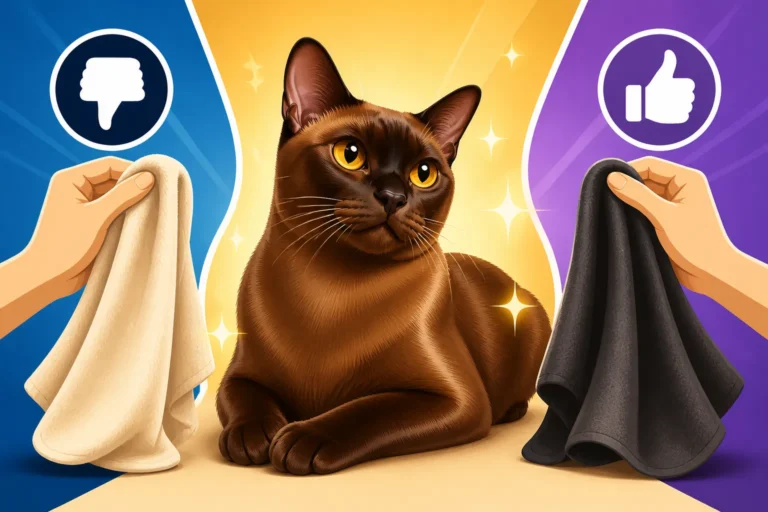
For daily shine and a quick tidy-up, nothing beats a soft chamois cloth. This isn't just a fancy grooming tool; it's perfectly suited to the Burmese's short, sleek coat. A chamois, whether synthetic or natural, has a fine texture that effectively picks up loose hairs, dust, and any surface debris without causing static or damaging the delicate hairs. Simply dampen the chamois slightly with warm water, wring it out thoroughly, and then gently wipe down your Burmese's coat, always moving in the direction of the fur growth. You'll be amazed at the shine it brings out and how much tiny debris it collects. It's less of a "cleaning" and more of a "polishing" routine, turning grooming into a pleasant petting session. Many owners find their Burmese absolutely adores this gentle attention, purring contentedly throughout. This simple, weekly ritual is truly Why a weekly chamois is all a Burmese needs to maintain its famous sheen. You can find excellent quality chamois cloths easily on platforms like Amazon or Chewy.
Targeted Spot Cleaning
When your Burmese manages to get a small, localized smudge – perhaps a bit of food on their chin, or a muddy paw print from a brief outdoor adventure – a full bath is overkill. This is where targeted spot cleaning shines. Grab a soft, damp cloth (a microfibre cloth or even a damp paper towel works well for quick clean-ups) and gently wipe the affected area. For more stubborn but non-toxic spots, a tiny bit of cat-safe shampoo diluted in water, applied with the cloth and then thoroughly rinsed with another clean, damp cloth, can do the trick. Always ensure you rinse thoroughly to prevent any residue that could irritate their skin or be ingested during subsequent self-grooming. The goal is to address the specific mess without subjecting your cat to the stress and inconvenience of a full immersion bath. For sensitive areas, always use products specifically formulated for cats, as human shampoos can be too harsh.
Maintaining Overall Burmese Hygiene Without Water
Keeping your Burmese in tip-top shape goes beyond just their coat. Good overall hygiene is crucial for their health and comfort, and much of it can be managed without ever needing to fill the tub.
Claw Care
Regular claw trimming is an essential part of your Burmese's routine. Untrimmed claws can snag on carpets, furniture, or even grow into their paw pads, causing pain and infection. Thankfully, many Burmese are quite amenable to having their claws trimmed, especially if you start early and make it a calm, positive experience. Their affectionate nature means they often tolerate being held and handled, which makes the task much easier. Pick up a good quality pair of cat-specific nail clippers – you can find various types on Amazon or Chewy – and aim to trim just the sharp, clear tip, avoiding the quick (the pink part containing blood vessels and nerves). If you're unsure, ask your vet or groomer for a demonstration. Making this a routine every few weeks will save your furniture and keep your cat comfortable. Trimming a Burmese's Claws While It Sits on You is often a surprisingly easy task for Burmese owners.
Ear and Eye Wipes
While the Burmese are generally healthy, their beautiful, expressive eyes and ears do need occasional attention. Some Burmese might have slightly watery eyes, leading to a small amount of crusting in the corners. A gentle wipe with a soft, damp cloth or a cotton ball dampened with plain warm water is usually all that's needed to keep their eyes clear and bright. Always use a separate clean cloth or cotton ball for each eye to prevent potential cross-contamination. For their ears, a quick visual check for redness, discharge, or excessive wax build-up is wise during your weekly mini-grooming session. If needed, you can use a veterinary-approved ear cleaner on a cotton ball to gently wipe the visible parts of the ear. Never insert anything into the ear canal itself. Your vet can show you the correct technique for Cleaning a Burmese's Ears in Under a Minute and explain Why a Burmese's Eye Corners Need Wiping. Early detection of any issues can prevent more serious problems down the line.
Dental Health
Dental care is one of the most overlooked aspects of cat hygiene, yet it's incredibly important, especially for breeds like the Burmese who can be prone to gum issues as they age. Just like with humans, plaque and tartar can build up, leading to gum disease, pain, and even systemic health problems. Incorporating teeth brushing into your routine from an early age is highly recommended. Use a cat-specific toothbrush and toothpaste (never human toothpaste!) and aim for short, gentle sessions daily or several times a week. Many Burmese, being so people-oriented, can be trained to accept this. If brushing isn't feasible, dental treats, water additives, or specialized dental diets can help, but brushing is always the gold standard. A healthy mouth contributes to overall vitality and can prevent costly veterinary dental procedures later on. Brushing a Burmese's Teeth From Twelve Weeks can set them up for a lifetime of better oral health, reducing the likelihood of issues that might impact their eating habits or overall well-being. Look for cat dental care products from reputable retailers like Chewy or Amazon.
Summary of Burmese Grooming Needs
To make it easy to remember the essentials of Burmese coat and hygiene care, here's a quick overview:
| Grooming Task | Frequency | Tools Required | Notes |
|---|---|---|---|
| Full Bath | Rarely, if ever | Cat-safe shampoo, warm water | Only for emergencies or vet-recommended medical treatment. |
| Chamois Wipe | Weekly or bi-weekly | Damp chamois cloth | Polishes coat, removes loose hair and dust. Most crucial grooming step. |
| Spot Cleaning | As needed | Damp cloth, cat-safe cleaner | For small, localized messes. |
| Claw Trimming | Every 2-4 weeks | Cat nail clippers | Prevents snags and overgrowth. Start young to build tolerance. |
| Ear Cleaning | As needed (check weekly) | Vet-approved ear cleaner, cotton balls | Wipe visible areas only. Consult vet for discharge or redness. |
| Eye Wiping | As needed (check daily) | Soft, damp cloth or cotton ball | Gently clean away crusting from corners. |
| Teeth Brushing | Daily to several times/week | Cat toothbrush, cat toothpaste | Crucial for preventing dental disease. Introduce slowly. |
This table highlights just how minimal the actual "grooming" of a Burmese coat is, relying heavily on their natural cleanliness and a few simple, non-water-based interventions from you. Your bond and their overall health are enhanced through these consistent, gentle care routines.
Disclaimer
This article is for general informational purposes only and does not constitute professional advice. Laws, prices and regulations vary by location and change over time. Consult a qualified professional for guidance on your specific situation.