How Many Minutes a Month a Burmese’s Coat Takes
It’s a common frustration among cat owners: you love your furry friend, but the endless cycle of brushing, de-shedding, and cleaning up fur tumbleweeds can feel like a part-time job. With a Burmese cat, however, you're in for a delightful surprise. This guide is dedicated to revealing just how incredibly little time your Burmese's luxurious satin coat demands each month, allowing you to spend less time grooming and more time cuddling.
The Unique Characteristics of the Burmese Satin Coat
When you first lay hands on a Burmese cat, you immediately understand why their coat is often described as "satin" or "silk wrapped around a brick." It’s an experience quite unlike any other cat breed, and it’s this unique texture and composition that makes their grooming needs so wonderfully minimal. Understanding what makes their coat special is the first step to appreciating just how little effort it truly requires.
The Silken Feel and Minimal Undercoat
Unlike many domestic cats that boast a dense double coat, the Burmese features a single, remarkably short, and fine coat that lies incredibly close to their body. There's no fluffy undercoat to speak of, which is a major factor in their low-maintenance reputation. This isn't just a matter of aesthetics; it's a structural difference that profoundly impacts their grooming needs. Imagine running your hand over pure silk – that's the sensation a well-cared-for Burmese coat provides. It feels cool and smooth, almost like a warm, living piece of velvet.
This distinct lack of an insulating undercoat means their short, fine hairs don't snag or tangle easily. They don't develop mats or require intricate detangling sessions, which can be a daily battle for owners of long-haired breeds. The way their coat naturally sits flat also means it tends to distribute its own natural oils more evenly, contributing to that famous sheen without needing external help. You might be accustomed to brushing through layers of fur with other breeds, but with a Burmese, it’s a simple, superficial stroke. Indeed, if you're curious, you can feel for yourself Why a Burmese's Coat Feels Like Satin. It's a key identifier of the breed.
Shedding: Less Than You'd Expect
One of the most frequently asked questions about any cat breed revolves around shedding. And let's be honest, cleaning up cat hair can be an endless task for many of us. But here's the good news: the Burmese is famously one of the lowest-shedding cat breeds out there. Because they have How Short a Burmese's Coat Actually Is and Why a Burmese Has Almost No Undercoat, there's simply less hair to lose.
This isn't to say a Burmese cat never sheds. Like all living creatures, they do replace their fur. However, the quantity and visibility of this shedding are dramatically reduced compared to breeds with longer or denser coats. You won't find significant clumps of fur migrating around your home, nor will your clothes become instantaneously coated in a fine layer of cat hair after a cuddle session. Many Burmese owners report that the shedding is so minimal it's almost unnoticeable in their day-to-day lives. This means fewer lint rollers, less vacuuming, and a generally cleaner home environment, which is a huge bonus for busy individuals or those who simply prefer a tidy living space. It's truly impressive How Little a Satin Coated Burmese Sheds compared to most other feline companions.
The Real Time Commitment for Burmese Coat Care
When we talk about "how many minutes a month" a Burmese coat takes, the answer is wonderfully, surprisingly low. We're often conditioned to think that responsible pet ownership involves extensive grooming routines, but the Burmese challenges this notion beautifully. Their natural elegance and the unique structure of their coat mean that formal grooming is more about bonding and minor upkeep than intensive maintenance.
The Weekly Shine-Up: Minutes, Not Hours
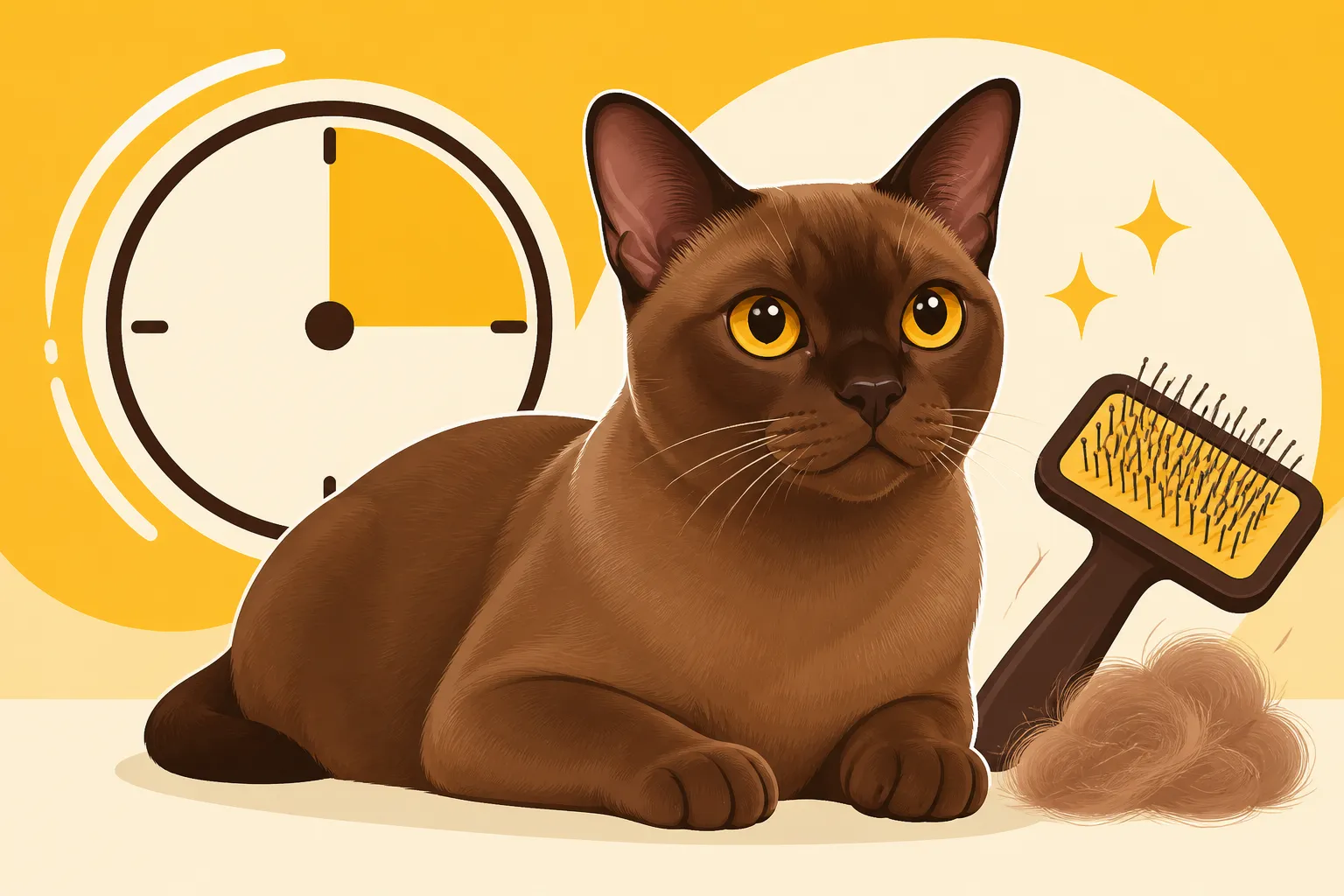
For most Burmese owners, the entirety of their coat care routine can be boiled down to a quick "shine-up" session once a week. This isn't a complex ritual; it's a simple, delightful interaction that takes mere minutes. The tool of choice for many is a soft chamois cloth, like the kind you might use for detailing your car, or a soft, damp cloth. Gently rubbing this over their short, satin coat helps to remove any loose hairs that might be lingering, distribute natural skin oils, and polish that already impressive sheen to a brilliant luster.
This isn't just about appearances; it's a tactile experience for your cat and an opportunity for connection for you. A Burmese typically adores attention, and these gentle strokes are often perceived as a pampering massage. You'll find them purring contentedly, leaning into your hand, turning what might be a chore with other breeds into a cherished moment of affection. Seriously, if you're ever in doubt, just try it; it's a marvel Why a Weekly Chamois Is All a Burmese Needs. You can find these soft chamois cloths easily on platforms like Amazon, often in multi-packs, so you always have a clean one handy. The best chamois isn't just any cloth; it's specifically designed to glide over the fur and capture loose particles, helping bring out the natural oils and that legendary shine. You'll quickly see Which Chamois Brings Up a Burmese's Satin Shine the most effectively.
Bathing: A Rarity, Not a Routine
Unlike some breeds that require regular bathing to maintain coat health or prevent matting, baths for a Burmese cat are an extremely rare occurrence. In fact, most Burmese cats will go their entire lives without needing a bath, unless they manage to get themselves into something truly messy and unseemly. Their short, sleek coat is remarkably self-cleaning, and they are meticulous groomers of themselves.
Introducing a bath when it's not strictly necessary can actually strip their coat of essential oils, leading to dry skin or a dull appearance. It's a testament to their low-maintenance nature that the decision to bathe them is almost always driven by an external factor – perhaps they rolled in mud in an outdoor enclosure, or had an unfortunate encounter with something sticky. Beyond these rare incidents, water and cat shampoo simply aren't part of the regular Burmese care package. You should only consider bathing them under very specific circumstances, and you can learn more about The Only Times a Burmese Actually Needs a Bath.
Beyond the Coat: Holistic Grooming in Minutes
While the coat itself is blissfully low-effort, a responsible owner knows that grooming extends beyond just the fur. However, even these supplementary tasks for a Burmese tend to be quick and straightforward, often fitting into those weekly cuddle sessions without much fuss.
Nail Trimming: Their nails will need trimming periodically, usually every few weeks. This is a quick snip of the tips, easily done if you start young and make it a positive experience. Most Burmese are quite tolerant of handling, especially if it comes with praise and perhaps a tiny treat.
Ear Cleaning: A quick visual check of their ears each week is usually sufficient. If you notice any wax buildup or debris, a gentle wipe with a vet-approved ear cleaner on a cotton ball is all that’s needed. This is typically a very fast process.
Dental Care: This is perhaps the most important "grooming" task that isn't directly related to the coat, and it often requires a bit more consistent effort. Due to their predisposition to certain dental issues, brushing their teeth regularly is highly recommended. While it might take a bit of training to get them used to it, once established, it's another task that adds just a few minutes to your daily or weekly routine. Start early, ideally when they are kittens; there’s a great guide on Introducing a Toothbrush to a Burmese at Twelve Weeks. Brands like Chewy offer a wide selection of cat-specific toothbrushes and toothpastes, making it easy to find what you need to keep those pearly whites sparkling.
Dispelling Grooming Myths and Maximizing Efficiency
It's easy to fall into the trap of thinking more grooming is always better, especially with pets. However, with a Burmese, this simply isn't the case. Their unique biology dictates a different approach, one that prioritizes efficiency and connection over excessive intervention.
Why Less is More for the Burmese Coat
The natural design of the Burmese coat is highly efficient. It's short, sleek, and self-maintaining. Introducing unnecessary brushing with harsh brushes, bathing without cause, or using specialized de-shedding tools (which are completely pointless on a Burmese's single coat) can do more harm than good. Over-grooming can strip essential oils, irritate sensitive skin, and even make their coat appear dull.
Think of it this way: their coat is already perfect as it is. Your role isn't to fix or improve it, but to gently support its natural brilliance. The minimal intervention approach respects their natural physiology and saves you precious time. It also helps preserve that incredible satin texture that makes the Burmese so unique. You're not aiming to remove vast amounts of hair; you're simply giving it a quick polish and removing the few loose hairs that might cling.
Turning Grooming into Bonding Time
One of the most remarkable aspects of owning a Burmese is their intensely affectionate and people-oriented nature. They are often described as "Velcro cats" because of their desire to be constantly by your side, on your lap, or even on your shoulder. This characteristic transforms grooming from a potential struggle into a valuable bonding opportunity.
A Burmese thrives on attention and physical closeness. When you take out that soft chamois cloth and gently stroke their coat, they don't see it as a chore; they see it as undivided attention from their beloved human. They’ll purr, knead, and lean into your touch, soaking up every moment. This is a cat that literally treats grooming as attention, making the entire process enjoyable for both of you. This makes it a perfect example of Why a Burmese Treats Grooming as Attention. Instead of wrestling a reluctant feline, you’re engaging in a mutual act of affection, reinforcing your bond. It's truly a win-win situation, adding minutes of joy to your day rather than minutes of frustration.
Factors Influencing Your Burmese's Grooming Needs (Still Minimal!)
While the overall message is clear – Burmese coat care is incredibly low effort – it's still important to understand that certain factors can subtly influence your cat's specific needs. These aren't usually drastic changes, but rather minor adjustments that might add a minute or two to your monthly routine, never hours.
Age and Health: Subtle Changes
As a Burmese cat ages, or if they experience certain health conditions, their ability to meticulously self-groom might slightly diminish. An older Burmese, for instance, might develop some arthritis, making it harder to reach certain spots on their back or hips. In such cases, your weekly chamois session might become a little more important, not just for coat health, but also as a way to help them maintain comfort and cleanliness in areas they can no longer easily reach themselves.
Similarly, specific health issues, such as skin sensitivities or even certain metabolic conditions, could manifest in subtle coat changes. A duller coat, for example, might indicate an underlying issue that needs veterinary attention and could benefit from a bit more regular gentle brushing. However, these situations are usually addressed by a vet, and the coat care aspect remains very simple. The added time for you would still be negligible, perhaps turning a 2-minute session into a 3-minute one. Even in these cases, the overall time commitment remains minimal.
Environmental Factors
The environment in which your Burmese lives can also play a small role, though typically a very minor one, in their coat care needs. An indoor-only Burmese, which most are due to their trusting nature and lack of road sense, will generally have impeccably clean coats that require almost no external intervention. They are less exposed to dirt, pollen, and other outdoor elements that could cling to their fur.
However, if your Burmese has access to a secure outdoor enclosure (a "catio"), or if you take them on leashed walks, they might pick up a bit more dust or debris. In these instances, that weekly chamois wipe becomes even more effective at whisking away any environmental hitchhikers, keeping their coat pristine. Also, because they have such short coats and lack an undercoat, Burmese cats are quite sensitive to cold. You'll often find them seeking out the warmest spots in the house, like sunbeams or heated beds. This natural inclination to stay warm also indirectly helps their coat stay healthy, as they avoid conditions that might dry out their skin or damage their fur. It is a well-known fact that Why a Burmese Seeks Out the Warmest Spot due to their coat type.
Moreover, diet plays a huge role in coat health. High-quality food rich in omega fatty acids will contribute to a naturally shiny, healthy coat, further reducing any need for external intervention. Many excellent cat food brands focus on nutrition that supports skin and coat health. By investing in good food, you're doing a huge service to your cat's coat from the inside out.
Here's a quick comparison to put the Burmese's minimal grooming needs into perspective:
| Cat Breed | Coat Type | Typical Grooming Frequency | Estimated Monthly Grooming Time (Minutes) | Primary Tools | Common Grooming Challenges |
|---|---|---|---|---|---|
| Burmese | Short, fine, single coat | Weekly quick wipe | 5-10 minutes | Soft chamois/cloth, maybe soft brush | Virtually none |
| Domestic Shorthair | Short, dense double coat | Weekly brushing | 20-30 minutes | Slicker brush, rubber curry brush | Moderate shedding, occasional mats (rare) |
| Persian | Long, thick double coat | Daily brushing, occasional baths | 240+ minutes (4+ hours) | Pin brush, metal comb, de-matting tools | Extensive matting, hairballs, shedding |
| Maine Coon | Long, shaggy double coat | 2-3 times a week brushing | 90-120 minutes | Slicker brush, wide-toothed comb, de-shedder | Matting, heavy shedding, tangles |
| Siamese | Short, fine, single coat | Weekly quick wipe | 10-15 minutes | Soft brush or grooming mitt | Minimal shedding, low maintenance |
As you can see, the Burmese truly stands out as one of the least demanding breeds when it comes to coat care. That 5-10 minutes per month is a testament to their natural elegance and self-sufficiency.
In conclusion, if you're looking for a companion that offers boundless affection without adding hours of grooming to your schedule, the Burmese is an exceptional choice. Their exquisite satin coat is a marvel of nature, demanding very little of your time, and instead, inviting you to spend those precious minutes deepening your bond through gentle touch and loving attention.
Disclaimer
This article is for general informational purposes only and does not constitute professional advice. Laws, prices and regulations vary by location and change over time. Consult a qualified professional for guidance on your specific situation.