How Often a Burmese’s Gums Send It Under Anesthetic
It's a heartbreaking reality for many Burmese cat owners: the frequent trips to the vet, the worry over anesthesia, and the nagging question of why their beloved feline friend seems to battle gum disease more than others. This isn't just an inconvenience; it's a significant health concern that can impact your cat's quality of life and your wallet. This guide will delve deep into why Burmese cats are particularly prone to gum issues and what steps you can take to minimize the need for repeated dental procedures under anesthesia.
Understanding the Burmese Predisposition to Gum Disease
Burmese cats, with their charming personalities and stunning satin coats, often come with a hidden vulnerability: their dental health. Unlike some other breeds, Burmese cats can be incredibly prone to gum disease, which can lead to frequent veterinary interventions requiring anesthesia. Understanding why this happens is the first step in protecting your furry companion.
The Unique Oral Anatomy of the Burmese
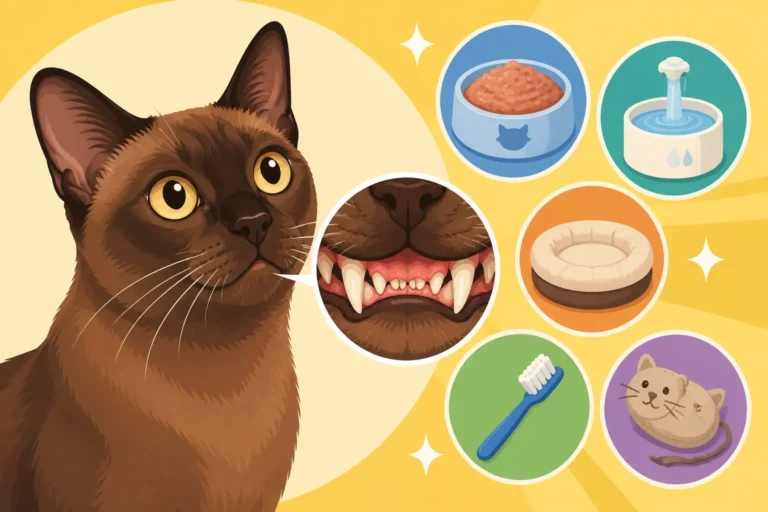
One of the primary reasons Burmese cats face dental challenges lies in their unique facial structure. While adored for their distinctive "smushed" or brachycephalic appearance (though not as extreme as some other brachycephalic breeds), this can lead to crowded teeth within a shorter jaw. Think of it like trying to fit too many books onto a small shelf – they get jammed together. This crowding creates more nooks and crannies where food particles and bacteria can easily get trapped. These hidden pockets become breeding grounds for plaque and tartar, which are the precursors to serious gum inflammation and disease.
Furthermore, the alignment of their teeth might not be as perfect as a cat with a more elongated muzzle. This imperfect bite can mean that some teeth don't wear down naturally through chewing, allowing tartar to build up more quickly on certain surfaces. It's not about poor hygiene on the cat's part, but a structural setup that demands a more proactive approach from us, their caregivers. This structural reality means that Why a Burmese Is Prone to Gum Disease isn't just a random occurrence, but something rooted in their very physiology.
Genetic Factors and Inherited Tendencies
Beyond their facial structure, there's growing evidence to suggest a genetic component to dental disease in Burmese cats. While not as widely discussed as other breed-specific genetic conditions, some lines may simply be predisposed to developing gingivitis and periodontitis at a younger age or with greater severity. It’s not just about a bad diet or lack of brushing; sometimes, the dice are just loaded differently for certain individuals within the breed.
Breeders, through careful selection and observation, are becoming more aware of these tendencies, but it's not always a clear-cut genetic test like with some other diseases. This makes it even more important for owners to be vigilant and start dental care early. If your Burmese seems to develop issues despite your best efforts, it could be an inherited trait, making their journey with dental health a lifelong management task rather than an occasional concern. This predisposition explains why many Burmese owners find themselves asking How Often a Burmese Needs a Dental.
How Diet Impacts Burmese Dental Health
It might seem obvious, but diet plays a monumental role in the development and progression of gum disease in any cat, and especially in a predisposed breed like the Burmese. The wrong diet can accelerate plaque formation and inflammation, making anesthetic dental procedures a much more frequent necessity. Highly processed dry kibble, especially those laden with carbohydrates, can leave starchy residues that cling to teeth and fuel bacterial growth. While many believe dry food cleans teeth, often the small kibble pieces shatter rather than scrubbing, leaving a sticky film.
Conversely, a diet rich in moisture and appropriate protein, with minimal carbohydrates, is often recommended. Wet food, in particular, can help keep cats hydrated and reduce the amount of residue left on teeth. Think about it: a wet, meaty diet is closer to what a cat's ancestors would have eaten. Some owners explore specialized dental diets, or even fresh food options, which can be easier on their gums and potentially reduce tartar buildup. The decision about what goes into your Burmese's bowl is truly a Feeding a Burmese Is a Medical Decision, Not a Preference, influencing their overall health and the frequency of needing a dental cleaning.
Recognizing the Red Flags: When Dental Intervention Is Needed
It's easy to assume our cats are fine, especially when they're as affectionate and attention-seeking as a Burmese. However, cats are masters at hiding pain, and dental issues are no exception. Knowing what to look for can help you intervene before a problem escalates to the point of requiring extensive surgery under anesthesia.
Subtle Signs Your Burmese Might Be Hiding Pain
Because Burmese cats are so devoted to their people and often 'act brave,' they can mask discomfort remarkably well. You might not see obvious signs like crying or refusing to eat until the problem is quite advanced. Instead, look for subtle changes in behavior. Is your normally ravenous Burmese suddenly taking longer to finish their meal, or approaching their food bowl with hesitation? Perhaps they are favoring one side of their mouth when chewing, or dropping bits of food. You might also notice a change in their grooming habits, as painful mouths can make self-grooming difficult, leading to a duller coat.
Bad breath, or halitosis, is another tell-tale sign that should never be ignored. While "cat breath" isn't generally pleasant, a truly foul odor suggests bacterial overgrowth and infection. Other indicators could include pawing at their mouth, excessive drooling, or a reluctance to have their head touched. Don't wait for your cat to be screaming in pain; by then, the situation is likely severe. Being attuned to these slight shifts in their daily routine is critical.
How Gum Disease Progresses in a Burmese
Gum disease doesn't happen overnight; it's a gradual process that begins with plaque, hardens into tartar, and, if left unchecked, leads to inflammation and infection. For a Burmese, this progression can sometimes be faster due to their breed predispositions. Initially, you might notice red, swollen gums (gingivitis), particularly along the gum line where the tooth meets the gum. This stage is reversible with proper care.
However, without intervention, gingivitis advances to periodontitis. This is where things get serious. The inflammation spreads deeper, affecting the ligaments and bone supporting the teeth. Gums begin to recede, exposing the roots of the teeth. Pockets form between the gums and teeth, filling with bacteria and pus. This stage is painful and irreversible; the damage to the bone and supporting structures cannot be undone. Eventually, teeth can loosen and fall out, or become so infected they need to be extracted. It’s a downhill slide that, for a Burmese, often means repeated anesthetic procedures to manage. You can learn more about this journey in How Gum Disease Progresses in a Burmese.
The Importance of Regular Vet Checks
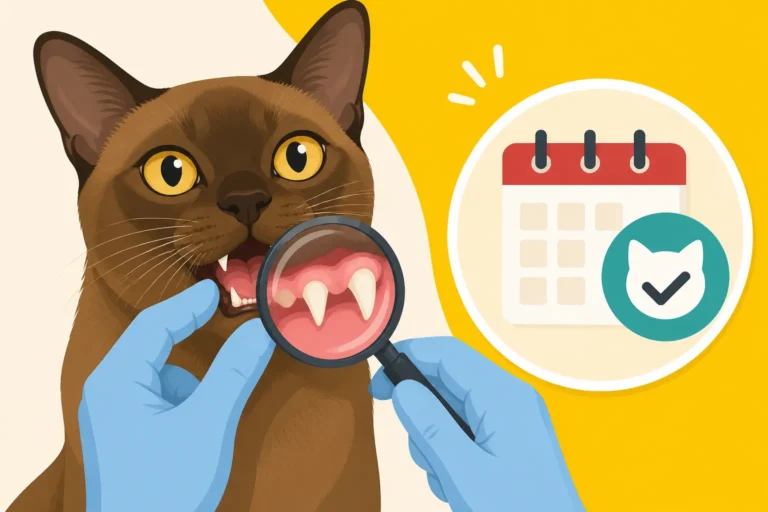
Given the Burmese's vulnerability, regular veterinary check-ups are non-negotiable. Your vet can perform an oral examination during routine visits, often spotting issues before they become severe enough to cause obvious pain to your cat. They can assess the level of tartar buildup, check for gingivitis, and identify any signs of more advanced periodontal disease.
These regular examinations are crucial for early detection and intervention, potentially saving your cat from more complex and costly procedures down the line. It's often during these routine checks that a vet will recommend a professional dental cleaning, even if you haven't noticed severe symptoms. Think of it as preventative maintenance for their mouth, much like we have our own dental check-ups. The goal is to catch issues when they are still manageable with a simple cleaning, rather than waiting until extractions are the only option. How Often a Healthy Adult Burmese Needs Checking typically includes these vital oral health assessments.
Proactive Strategies to Reduce Anesthetic Frequency
The idea of your beloved Burmese going under anesthesia repeatedly is a stressful thought for any owner. The good news is there are many proactive steps you can take at home to significantly reduce the frequency of professional dental cleanings and the associated anesthetic risk.
Daily Home Dental Care Routines
This might sound daunting, but daily home dental care is the single most effective way to combat gum disease in a Burmese. And yes, it is possible to brush a cat's teeth! Starting young, ideally when they are kittens, makes it much easier. Begin by gently massaging their gums, then introduce a finger brush or a soft cat-specific toothbrush. Use a pet-safe toothpaste (never human toothpaste, which contains xylitol and fluoride that are toxic to cats).
Consistency is key. Even a minute or two of gentle brushing daily can make a world of difference in preventing plaque from hardening into tartar. Many Burmese, being the affectionate "Velcro cats" they are, can be trained to accept this routine, especially if positive reinforcement (like a tiny, low-carb treat) is involved. Products are readily available on platforms like Chewy or Amazon, from specialized brushes to appealing toothpaste flavors. If you want to know more about getting started, check out Brushing a Burmese's Teeth From Twelve Weeks and Whether a Burmese Can Be Brushed at Home. This daily ritual can be an incredibly bonding experience and a lifesaver for their oral health.
Nutritional Choices and Dental-Specific Foods
Beyond brushing, your Burmese's diet is a powerful tool in your fight against gum disease. As mentioned, a low-carbohydrate, high-protein wet food diet is generally preferable. Look for wet foods that list meat as the first ingredient and avoid those with excessive fillers or grains. Some premium wet food formulations, designed with overall feline health in mind, can indirectly support dental hygiene by reducing fermentable carbohydrates that contribute to plaque.
There are also specialized dental diets available, often formulated with unique kibble shapes or textures designed to provide a mild abrasive action as the cat chews, helping to scrape off plaque. Some also contain ingredients that help prevent tartar from adhering to the tooth surface. However, always discuss these options with your vet, especially considering the Burmese's predisposition to diabetes, as some dental kibbles can still be high in carbohydrates. Small, low-calorie dental treats designed to fight plaque can also be a helpful adjunct, but should be given sparingly and carefully chosen to ensure they fit within your cat's dietary needs.
The Role of Professional Cleanings Without Sedation
While not always suitable for every cat or every level of dental disease, some veterinary clinics offer non-anesthetic dental cleanings for very cooperative cats with mild plaque buildup. This typically involves scaling the teeth by hand or with ultrasonic tools without sedating the cat. The advantages are obvious: no anesthetic risk and potentially lower cost.
However, there are significant limitations. Without anesthesia, a thorough examination of every tooth surface, below the gum line (where most disease occurs), and X-rays are impossible. It's often a cosmetic cleaning, removing visible tartar but not addressing underlying issues. For a breed like the Burmese, with a predisposition to deeper gum issues, a non-anesthetic cleaning might miss crucial problems. Your vet will advise if this is a suitable option for your Burmese, or if a full anesthetic procedure is necessary to properly assess and treat their mouth. Often, if there are signs of Why a Burmese's Gums Recede Early, a full anesthetic dental is needed to truly address the root cause.
| Stage of Gum Disease | Clinical Signs in Burmese | Recommended Action | Risk of Anesthesia for Dental Work |
|---|---|---|---|
| Gingivitis (Early) | Red, swollen gums; mild bad breath; slight pain on touch | Increased home care, professional cleaning advised | Low to Moderate |
| Periodontitis (Moderate) | Receding gums, visible tartar, persistent bad breath, eating discomfort, drooling | Professional scaling and root planing, possibly extractions | Moderate |
| Advanced Periodontitis | Severe gum recession, loose teeth, bone loss, appetite loss, infection, severe pain | Extensive extractions, advanced pain management, antibiotics | Higher |
What to Expect: The Anesthetic Dental Procedure
Despite your best efforts with home care, your Burmese will likely need professional dental cleanings under anesthesia at some point. This is a common and necessary procedure to maintain their oral health and prevent more serious systemic issues. Knowing what to expect can help ease your worries.
Pre-Anesthetic Protocols and Safety
The thought of your cat going under anesthesia is naturally anxiety-inducing. However, modern veterinary anesthesia is incredibly safe, especially with proper pre-anesthetic protocols. Before any procedure, your vet will recommend a thorough physical examination and pre-anesthetic bloodwork. This bloodwork screens for any underlying health issues, particularly kidney and liver function, which are crucial for metabolizing anesthetic drugs. Whether a Burmese Needs Pre Anesthetic Bloodwork is a resounding yes for ensuring the safest possible procedure.
Depending on your cat's age and health status, further diagnostics like urinalysis or an electrocardiogram (ECG) might be recommended. These steps help the veterinary team tailor the anesthetic protocol specifically for your Burmese, choosing the safest drugs and dosages. On the day of the procedure, your cat will need to fast to prevent aspiration (inhaling vomit) during anesthesia. Your vet will typically place an intravenous (IV) catheter to administer fluids and medications, maintaining hydration and blood pressure throughout the procedure.
The Cleaning and Examination Process
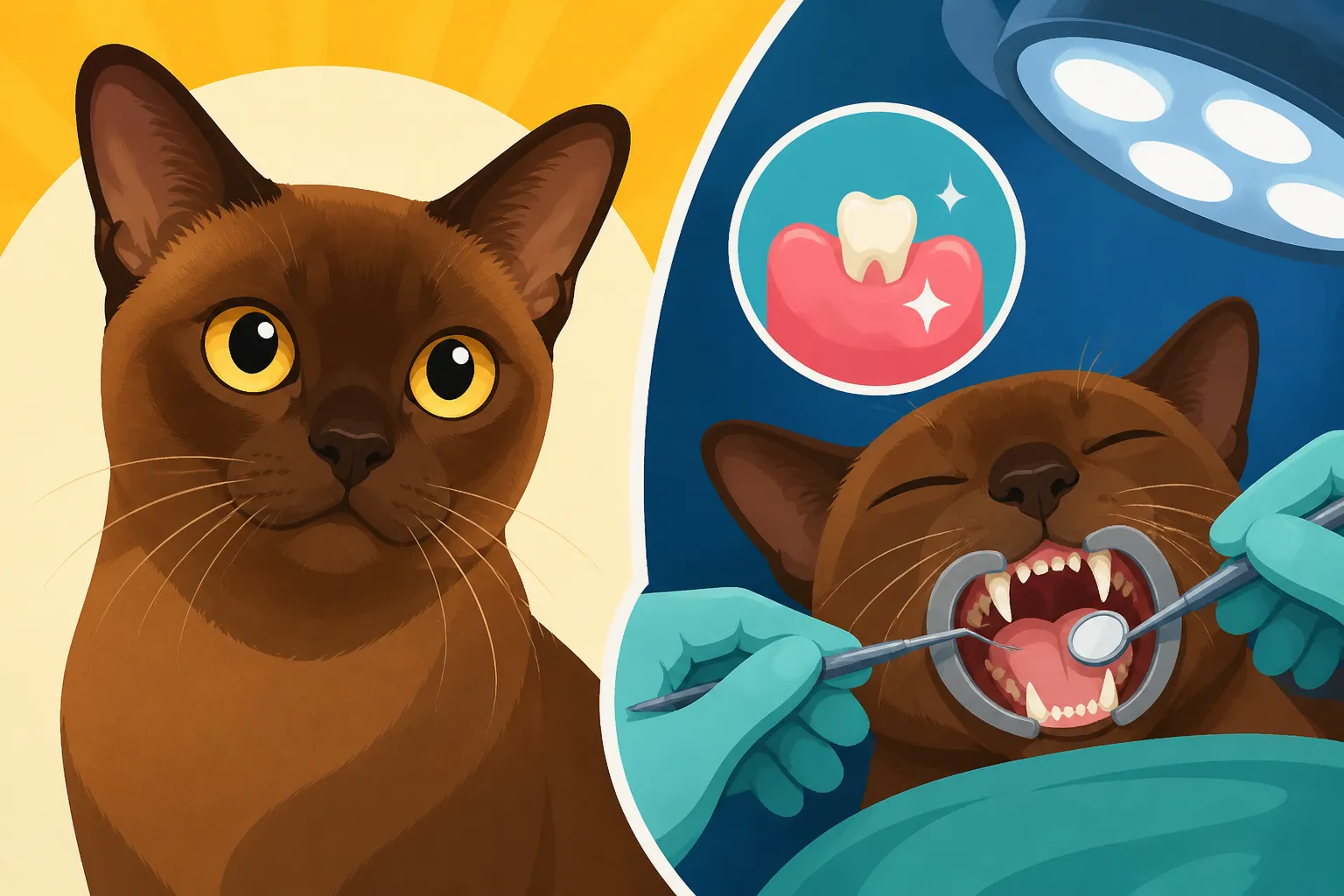
Once safely under anesthesia, the real work begins. This is where the veterinary team can thoroughly examine every tooth, probe for gum pockets, and take dental X-rays. These X-rays are vital because much of the disease in a cat's mouth occurs below the gum line, invisible to the naked eye. They can reveal bone loss, abscesses, or un-erupted teeth that could be causing pain.
After the examination, specialized ultrasonic scalers and hand instruments are used to meticulously remove plaque and tartar from above and below the gum line. Each tooth surface is cleaned, and then polished to smooth out any microscopic etches that could allow plaque to adhere more easily in the future. If any diseased teeth are found, extractions will be performed. This can include anything from removing a single problematic tooth to more complex oral surgery if the disease is extensive. The goal is always to eliminate pain and infection.
Post-Procedure Care and Recovery
Once the dental procedure is complete, your Burmese will be carefully monitored as they recover from anesthesia. They will be kept warm and comfortable, and any pain medication will be administered. It's not uncommon for cats to be a bit groggy or disoriented for the first 12-24 hours after anesthesia. They might have a slightly decreased appetite.
If extractions were performed, your vet will send you home with specific instructions, which often include pain medication, antibiotics, and guidance on feeding soft food for a period. It's crucial to follow these instructions diligently to ensure a smooth recovery and prevent complications. You might find a cozy, warm spot or a heated bed (easily found on Amazon) helps them settle in after returning home. Within a few days, your Burmese should be back to their normal, affectionate self, but with a much healthier, pain-free mouth.
Long-Term Management and Senior Burmese Dental Health
Managing a Burmese's dental health is a lifelong commitment, and this becomes even more critical as they age. Their predisposition to gum disease means vigilance and adaptable care are essential to ensure comfort and minimize anesthetic frequency throughout their golden years.
Adapting Care for Aging Gums and Teeth
As your Burmese enters their senior years, typically around When a Burmese Counts as Senior, their gums and teeth can become more vulnerable. Years of wear and tear, coupled with any existing predisposition to periodontal disease, can lead to increased sensitivity, gum recession, and even tooth loss. This means your home care routine might need adjustments. Brushing might need to be even gentler, or you might rely more on dental rinses, water additives, or specialized dental chews if brushing becomes too uncomfortable.
Their diet might also need to adapt. If they've had multiple extractions, or if their remaining teeth are sensitive, transitioning to a softer, easily chewable wet food becomes crucial. This ensures they continue to get adequate nutrition without experiencing pain while eating. Regular vet checks might become even more frequent, focusing heavily on oral health, to catch any new issues before they become severe. The goal is to keep them as comfortable and pain-free as possible, ensuring they can enjoy their food and their golden years.
Balancing Risk and Benefit with Repeated Anesthesia
One of the biggest concerns for owners of a dental-prone Burmese is the cumulative effect of repeated anesthetics over their lifespan. While anesthesia is generally safe, there is always a minimal risk, and this risk can increase slightly in older cats or those with underlying health conditions. This is why excellent home care and proactive measures are so important – they extend the time between necessary anesthetic dental procedures.
When your vet recommends another dental cleaning, especially for an older Burmese, it’s a discussion about balancing the risks of anesthesia against the very real risks of untreated dental disease. Untreated dental infections can lead to pain, loss of appetite, and even spread bacteria to other organs like the heart, kidneys, and liver. Often, the health benefits of a clean, pain-free mouth far outweigh the anesthetic risk, especially with modern protocols and pre-anesthetic screening. Your vet will work with you to make the best decision for your individual cat, always prioritizing their comfort and well-being.
Financial Considerations and Insurance for Dental Care
The reality of frequent dental procedures, particularly those involving anesthesia and potentially multiple extractions, is that they can be expensive. Many owners are surprised by the cost of veterinary dental care, which can include diagnostics, anesthesia, the cleaning itself, extractions, medications, and follow-up care. It’s a significant financial commitment over a cat’s lifetime, especially for a breed like the Burmese.
This is where planning ahead can make a huge difference. Pet insurance, if acquired early in your Burmese's life, can help mitigate these costs. However, it's important to understand what dental coverage your policy offers, as some may not cover routine cleanings or may have exclusions for pre-existing conditions if gum disease has already manifested. Discussing a dental plan with your insurance provider is a good idea to understand Whether a Dental Plan Pays for Itself on a Burmese. Setting aside a dedicated savings fund for veterinary care is another practical approach. Proactive home care, as challenging as it can be, ultimately saves money in the long run by reducing the frequency and complexity of professional dental interventions. It's an investment in your Burmese's health, happiness, and your peace of mind.
Disclaimer
This article is for general informational purposes only and does not constitute professional advice. Laws, prices and regulations vary by location and change over time. Consult a qualified professional for guidance on your specific situation.