What an Old Burmese Needs Once Its Gums Recede
One of the hardest parts of having a beloved Burmese cat reach their senior years is watching them slow down and face new health challenges. Among these, receding gums and dental disease often rank high on the list of worries, making meal times painful and impacting their overall well-being. This guide aims to help you navigate the specific needs of your older Burmese once their gums start receding, offering practical advice and empathetic support to ensure their comfort and quality of life.
Understanding Gum Recession in Senior Burmese Cats
It’s a heart-wrenching reality that as our beloved Burmese age, their bodies, including their mouths, start to show the wear and tear of time. Gum recession, a common issue in senior felines, can be particularly challenging for Burmese cats, affecting not just their ability to eat but their general comfort and zest for life. Understanding why this happens and what to look for is the first step in providing the best care.
Why Burmese Are Prone to Gum Disease
Burmese cats, for all their affectionate charm and striking looks, are unfortunately predisposed to certain health conditions, and dental issues are definitely among them. Their genetic makeup and unique oral structure can make them more susceptible to gum disease and subsequent recession than some other breeds. It’s not just bad luck; it’s often a combination of inherited traits and the natural aging process. From a young age, many Burmese can show signs of gingivitis, which, if left unmanaged, progresses to periodontitis, leading to bone loss and, eventually, gum recession.
Think about it: their compact, rounded heads and slightly shorter muzzles, while giving them that adorable "brick wrapped in silk" appearance, can sometimes mean their teeth are a bit more crowded. This crowding creates nooks and crannies where plaque and tartar can accumulate more easily, making effective cleaning a constant battle. This predisposition isn't something that suddenly appears in old age; it often begins much earlier in life, subtly progressing over the years. By the time they're seniors, years of plaque buildup, even with diligent care, can lead to significant gum damage. It's a sad truth, but understanding this inherent vulnerability helps us prepare and be proactive from the start. This is why Why a Burmese's Gums Recede Early is such an important topic for owners to understand.
Recognizing the Signs of Receding Gums
Spotting gum recession in its early stages can be tricky because cats are masters at hiding discomfort. They're hardwired to conceal weakness, so you might not see overt signs until the problem is quite advanced. However, there are subtle clues if you know what to look for. Beyond the notoriously unpleasant "kitty breath," which is often a major indicator of dental disease, you might notice changes in their eating habits. Are they approaching their food bowl with hesitation, or perhaps chewing only on one side of their mouth? Maybe they're dropping bits of food, or only licking up wet food and leaving the chunks.
Visually, if your Burmese allows you to gently lift their lip, you might see that the gum line appears lower on some teeth, exposing more of the tooth root. The gums themselves might look inflamed, red, or even bleeding, especially near the affected areas. Sometimes, you'll see a distinct dark line where the gum has pulled away from the tooth. They might also start drooling more than usual, or pawing at their mouth. Any of these signs warrant a vet visit, as early intervention can make a huge difference in managing their comfort and preventing further progression. Pay close attention to these cues, as they are your cat's way of telling you they're in pain, even if they're trying to be stoic. If you notice them Why a Burmese That Drops Food Needs Its Mouth Checked, don't delay a trip to the vet.
Nutritional Adjustments for Sensitive Mouths
Once those gums start to recede, eating can become genuinely painful for your senior Burmese. What was once a joyous, enthusiastic mealtime can turn into a source of stress and discomfort. Adapting their diet isn't just about making food easier to chew; it's about ensuring they continue to get all the vital nutrients they need to thrive, especially as they enter their golden years.
The Switch to Softer Foods
The most immediate and impactful change you can make for a Burmese with receding gums is transitioning them to an exclusively wet food diet. Dry kibble, even small pieces, can be incredibly painful to crunch down on when teeth are sensitive and gums are exposed. Imagine trying to eat hard crackers with a toothache—it's just not going to happen comfortably. Wet food, particularly pâté-style or finely minced varieties, requires far less chewing, reducing the strain on their painful gums and teeth. This switch can be a game-changer for their comfort level, and you might see an almost immediate improvement in their willingness to eat.
When making this transition, do it gradually if your cat is resistant. Mix a small amount of the new wet food with their current kibble, slowly increasing the wet food portion over several days to a week. Some Burmese can be finicky, so offering different textures (pâté, shreds, chunks in gravy) might be necessary to find what they prefer. Fresh, human-grade food can be very palatable and easy to eat, and a wide variety of other excellent options is available. The goal is to make every meal as pain-free and appealing as possible. Beyond comfort, wet food also significantly increases their hydration, which is a huge bonus for senior cats who are often prone to kidney issues. This extra moisture helps support their overall health, making the switch to softer foods a win-win situation.
Ensuring Adequate Calorie and Nutrient Intake
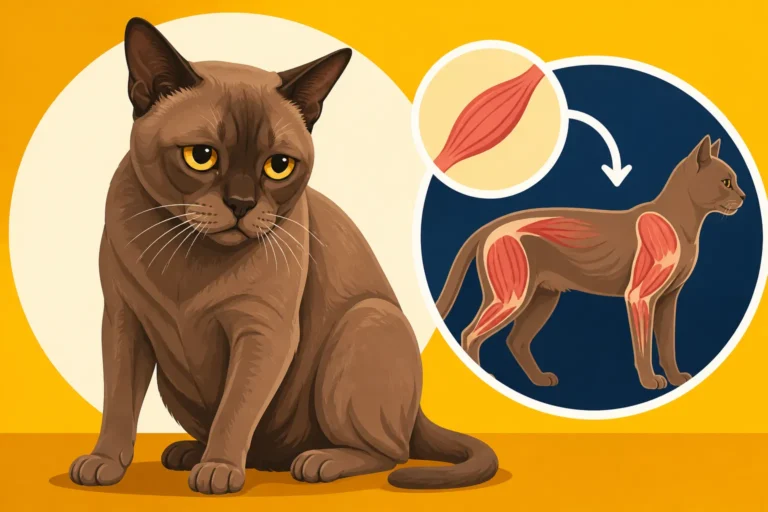
While soft food makes eating easier, we still need to be vigilant about ensuring our senior Burmese is getting enough calories and the right nutrients. Pain can suppress appetite, and even with softer food, they might not eat as much as they need, leading to unwelcome weight loss. This is particularly concerning because older cats, especially Burmese, already tend to lose muscle mass as they age. Why an Old Burmese Loses Its Muscle First is a serious concern, as muscle wasting can weaken them further and impact their recovery from any other health issues. Therefore, the focus should be on nutrient-dense, high-quality wet foods.
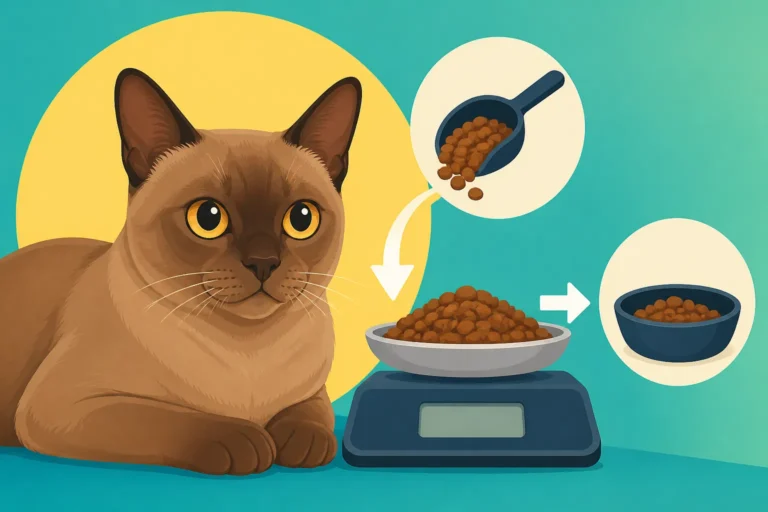
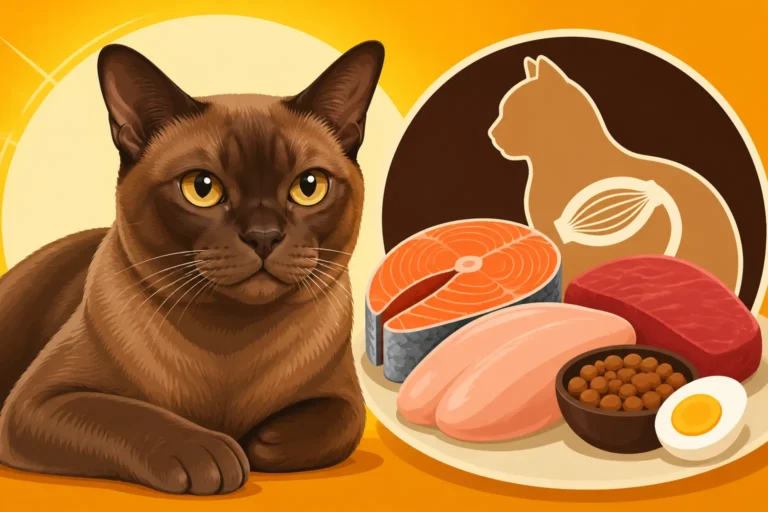
Look for foods with high protein content to help maintain muscle mass. If your vet agrees, you might consider offering smaller, more frequent meals throughout the day instead of just two large ones. This can be less daunting for a cat struggling with discomfort and ensures a steady intake of nutrients. Monitoring their weight weekly at home using a kitchen scale is crucial. A slight dip can be an early warning sign that they're not eating enough. If appetite remains low, your vet might suggest appetite stimulants or specific supplements to boost their intake. Some owners find that warming the wet food slightly can enhance its aroma and make it more enticing. Remember, every calorie counts for an older cat, and maintaining good body condition is paramount for their quality of life.
Hydration and Water Intake Strategies
Proper hydration is always important for cats, but it becomes absolutely critical for senior Burmese, especially those with dental problems. If they're moving away from dry kibble (which provides very little moisture) to wet food, that's a good start. However, some older cats may still not drink enough water, and discomfort in their mouth can make drinking even less appealing. Dehydration can exacerbate kidney problems, which are sadly common in older felines, so actively encouraging water intake is a key part of their care. How Much Water a Healthy Burmese Should Get Through is a good baseline to understand.
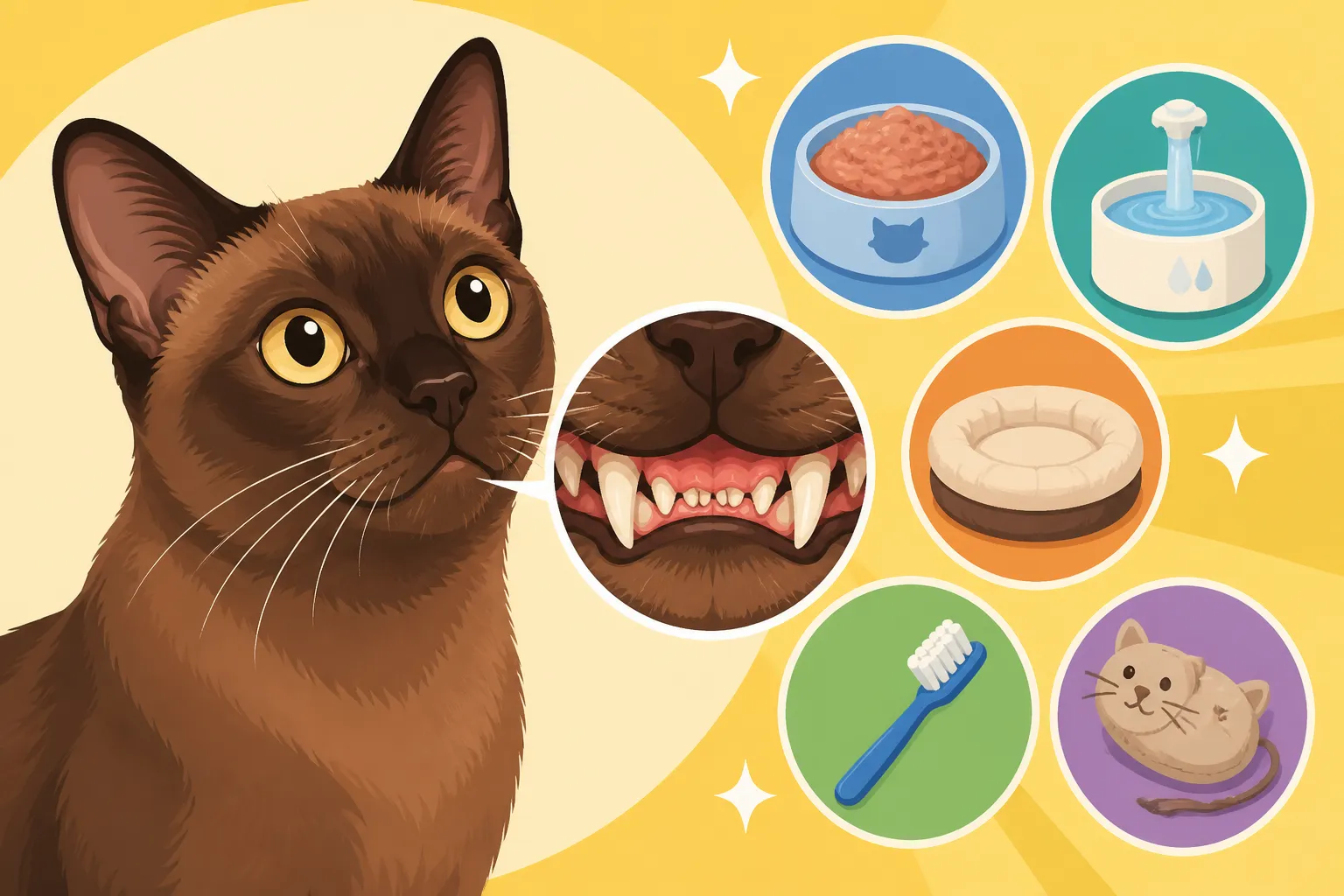
Beyond switching to wet food, consider introducing a cat water fountain. Many cats are drawn to the flowing water, finding it more appealing than stagnant water in a bowl. Offer multiple water bowls in different locations around the house, ensuring they are wide, shallow, and made of non-plastic materials (like ceramic or stainless steel) that don't impart any strange tastes. You can also try adding a small amount of low-sodium chicken broth (without onions or garlic, which are toxic to cats) or tuna juice to their water to encourage them to drink more. Another effective trick is to add extra water directly to their wet food, creating a soupy consistency. This ensures they get a good amount of liquid with every meal. Closely monitor their urine output and general energy levels. If you suspect dehydration (e.g., lethargy, sunken eyes, skin tenting), contact your vet immediately.
Pain Management and Veterinary Interventions
Dealing with gum recession in a senior Burmese is not just about changing their diet; it's fundamentally about managing pain. Dental disease is incredibly painful, and our cats often suffer in silence. Professional veterinary care is essential to accurately diagnose the extent of the problem, alleviate their discomfort, and prevent further deterioration. Don't underestimate the profound impact dental pain has on their overall well-being.
Veterinary Dental Check-ups and Cleanings
Regular veterinary dental check-ups are non-negotiable for a senior Burmese, especially if you suspect receding gums. Your veterinarian is the only one who can properly assess the extent of the dental disease through a thorough oral examination, often requiring sedation or anesthesia for a complete picture. This isn't just a quick peek; it involves probing the gum line, taking dental X-rays to assess bone loss below the gum line (which you can't see with the naked eye), and looking for other painful issues like tooth resorption. Even if your cat seems to be coping, the hidden pain can be immense.
While the idea of anesthesia for an older cat can be scary, modern veterinary medicine has made it much safer. Vets will perform pre-anesthetic bloodwork to assess organ function and ensure your cat is a good candidate. Whether a Burmese Needs Pre Anesthetic Bloodwork is a definite 'yes' for any senior cat. They'll monitor your cat closely throughout the procedure. A professional dental cleaning involves scaling above and below the gum line to remove plaque and tartar, polishing the teeth, and addressing any painful extractions. Many owners are astonished by the improvement in their cat's mood and appetite after a painful tooth is removed. It's truly a gift of relief. Your vet can advise How Often a Burmese Needs a Dental based on their individual needs.
Exploring Pain Relief Options
Living with the chronic pain of receding gums and dental disease takes a severe toll on a cat's quality of life. Once a vet has diagnosed the issue, discussion about pain management becomes paramount. If a full dental cleaning and extractions aren't immediately possible, or if there's residual pain from other oral issues, your vet can prescribe appropriate pain relief. This isn't about masking the problem, but about making your cat comfortable enough to eat, interact, and simply enjoy their senior years.
Your vet might consider non-steroidal anti-inflammatory drugs (NSAIDs) specifically formulated for cats, or other pain medications. These need to be prescribed and carefully monitored by a vet, as improper use can lead to serious side effects, especially in older cats with potential kidney or liver issues. They'll guide you on the correct dosage and frequency, and likely schedule follow-up appointments to check how your cat is responding and monitor for any adverse reactions. Administering these medications can sometimes be a challenge, but many come in palatable liquids or small pills that can be hidden in wet food. The goal is to reduce inflammation and alleviate the gnawing ache, allowing your Burmese to eat more comfortably and regain some of their sparkle. What Pain Relief an Old Burmese Can Take should always be discussed thoroughly with your veterinarian.
Surgical Options and Tooth Extractions
Sometimes, gum recession is so severe, or a tooth is so damaged by advanced periodontal disease or resorption, that extraction becomes the only viable option to alleviate pain and prevent further infection. This can sound daunting, especially for an older cat, but often, it's the kindest thing you can do. A rotten or loose tooth is a constant source of agony, like having a persistent toothache that never goes away. Removing it, despite the perceived invasiveness, offers immense and lasting relief.
The procedure will be done under general anesthesia, with the same careful monitoring and pre-anesthetic bloodwork as a dental cleaning. Post-extraction, your cat will likely receive pain medication and antibiotics to aid recovery. The healing period is usually swift, and cats adapt remarkably well to missing teeth. In fact, most cats eat much better once the source of pain is gone, regardless of how many teeth they have left. A diet of soft food will be essential during recovery and likely for the rest of their lives. Many owners report a renewed energy and improved appetite in their senior Burmese after problematic teeth are removed, as they are finally free from chronic pain. It's a testament to how much better they feel once the surgical intervention has addressed the root cause of their discomfort.
Home Care and Comfort Measures
Beyond veterinary interventions, there’s so much you can do at home to support your senior Burmese with receding gums. Your daily care and attention to detail can make a tremendous difference in their comfort, appetite, and overall happiness. It’s about creating an environment that minimizes pain and maximizes their quality of life.
Gentle Oral Hygiene at Home
While professional dental cleanings are crucial, maintaining some form of home oral hygiene can help slow the progression of gum disease and keep the mouth as clean as possible between vet visits, even with receding gums. The key here is gentle and non-painful. You don't want to cause more discomfort. If your Burmese is already in pain, aggressive brushing is out of the question. Instead, focus on softer methods.
A very soft, small-headed toothbrush (like a kitten toothbrush or even a finger brush) can be used with a vet-approved enzymatic cat toothpaste, which helps break down plaque. Don't scrub; just gently massage the outer surfaces of the teeth and gums. If even this is too much, dental wipes or a piece of gauze wrapped around your finger can be used to gently wipe the teeth. Some vets recommend specific oral rinses or gels that have antiseptic properties to reduce bacteria in the mouth. The goal isn't to reverse the recession, but to prevent further plaque buildup that could lead to new infections or worsen existing inflammation. Start slowly, make it a positive experience with treats, and always stop if your cat shows signs of discomfort. Consistency, even with minimal effort, can still provide some benefit. Introducing a Toothbrush to a Burmese at Twelve Weeks can set them up for a lifetime of easier dental care, but for older cats, it's about adaptation.
Creating a Stress-Free Eating Environment
Eating can be a real struggle for a senior Burmese with receding gums, and anything that adds stress to mealtime will only make things worse. Creating a calm, comfortable, and easy-to-access eating environment is crucial. Think about what might be causing them anxiety or making it harder to reach their food.
Firstly, consider their bowl. Wide, shallow ceramic or stainless steel bowls are often preferred by cats, as they don't cause "whisker fatigue" and are easy to clean. You might also want to try an elevated feeding bowl. For an older cat who might have arthritis (a common ailment in seniors, even active Burmese), bending down to eat can be uncomfortable. An elevated bowl brings the food closer to their mouth, requiring less strain on their neck and joints. If you have other pets, ensure your senior Burmese has a quiet, separate space where they can eat undisturbed, without feeling rushed or threatened. This allows them to take their time, focusing on their meal rather than potential competition. Consistency in feeding times can also bring a sense of security and routine. The simpler, calmer, and more accessible you make mealtime, the more likely your Burmese is to eat the full amount they need.
Monitoring and Adapting to Changes
Caring for an older Burmese with receding gums is an ongoing journey of observation and adaptation. Their needs can change quickly, so constant monitoring is essential. You are their best advocate, and your keen eye will pick up on subtle cues that a vet might only see during a scheduled check-up.
Keep a mental (or even a physical) log of their eating habits. How much are they eating each day? Are they finishing their meals? Are they still dropping food or chewing on one side? Any changes in appetite, refusal of certain foods, or increased drooling should be noted. Also, observe their overall demeanor. Is their activity level dropping? Are they withdrawing more? Cats in pain often become more lethargic or reclusive. This continuous observation allows you to catch problems early and communicate specific changes to your vet. Don't hesitate to contact your vet if you notice a significant shift. What worked last month might not work this month, so be prepared to adjust food types, feeding schedules, or even the type of bowl as their condition evolves. This proactive approach ensures your Burmese remains as comfortable and healthy as possible throughout their senior years.
The Broader Picture of Senior Burmese Health
It’s easy to focus solely on the immediate issue of receding gums, but it’s vital to remember that dental problems in senior Burmese cats rarely occur in isolation. As our beloved felines age, their bodies face a multitude of challenges, and dental health is often intertwined with their overall systemic well-being. A holistic approach to their care will always yield the best results, ensuring all aspects of their health are considered.
General Health Considerations in Old Age
As a Burmese cat enters its senior years (typically around 10-12 years old), their body undergoes various changes, making them more susceptible to a range of health issues beyond just dental disease. It's like a cascade effect; one problem can influence another. Conditions like arthritis, kidney disease, and hyperthyroidism are unfortunately common in older felines, and they can all impact, or be impacted by, oral health. For example, a cat with painful arthritis might struggle to reach their food bowl, making dental pain even more disruptive to their appetite. How Kidney Disease Arrives in an Old Burmese and Why Hyperthyroidism Catches an Older Burmese are important for owners to be aware of, as these can easily mask or complicate dental issues.
Chronic pain from dental issues can also stress the body, potentially worsening other underlying conditions. Therefore, when your vet examines your senior Burmese for dental problems, they will likely perform a full physical exam and recommend blood and urine tests to check for these other age-related diseases. Managing conditions like kidney disease or hyperthyroidism often involves specific dietary changes or medications, which must be carefully balanced with any dental care plans. The goal is always integrated care: treating the teeth while supporting kidney function, managing thyroid levels, and alleviating joint pain. It's a complex puzzle, but a comprehensive vet team will help you piece it together for your cat's optimal health.
The Importance of Weight Management
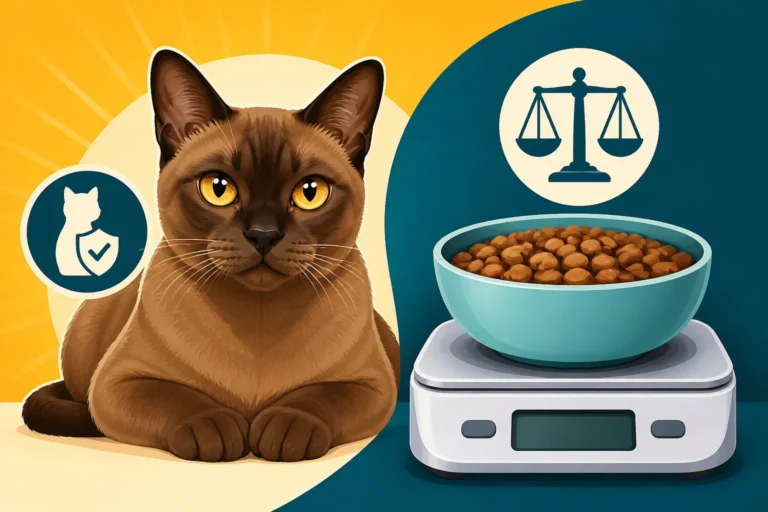
Weight management is a delicate balance for any senior cat, and it becomes even more crucial for a Burmese experiencing receding gums. On one hand, obesity can exacerbate health issues like diabetes (which Burmese are already prone to) and arthritis, making movement harder and putting more strain on their systems. On the other hand, dental pain often leads to a decrease in appetite, which can result in unhealthy weight loss and muscle wasting. It's a tightrope walk to ensure they maintain an ideal body condition.
If your senior Burmese is struggling to eat due to mouth pain, monitoring their weight becomes paramount. Rapid, unexplained weight loss can be a sign of significant underlying disease or severe dental pain. It's not just about aesthetics; maintaining good muscle mass is vital for their strength, mobility, and immune system function. How to Reweigh an Old Burmese's Rations might involve adjusting calorie density in their food or using appetite stimulants under vet guidance. If they are overweight and also have dental issues, the priority will typically be to address the oral pain first to get them eating comfortably, then slowly work on weight reduction with a carefully managed, low-carbohydrate wet diet. A healthy weight supports better overall health and resilience, helping your Burmese cope with the challenges of aging.
Comparing Wet Food Options for Senior Burmese Cats with Receding Gums
Choosing the right food for a senior Burmese with receding gums can feel overwhelming with all the options out there. Here's a table comparing different types of wet foods that are generally suitable, focusing on texture, nutrient profile, and common availability. Always consult your vet for personalized dietary recommendations.
| Food Type | Texture | Pros | Cons | Brands (examples, check current options) |
|---|---|---|---|---|
| Pâté/Loaf | Smooth, uniform, easily licked | Easiest to eat with severe dental pain, high moisture, can be mixed with water for extra hydration. | Some cats dislike the texture; can be higher in fats and carbohydrates if not chosen carefully. | Purina Pro Plan, Fancy Feast, Wellness |
| Flaked/Shredded in Gravy | Small, soft pieces in a liquid broth | Appealing texture for many cats, good moisture content, easy to mash further if needed. | Pieces might still require some chewing; gravy can sometimes be high in thickeners or less nutritionally dense than solid food. | Tiki Cat, Weruva, Blue Buffalo |
| Minced/Chopped | Finely chopped meat, often in gravy/broth | Good balance of texture and ease of eating, more "real" meat feel than pâté for some cats. | May still require minimal chewing; quality varies between brands regarding actual meat content. | Natural Balance, Merrick, Sheba |
| Fresh/Human-Grade | Varies (often minced or lightly cooked) | Highly palatable, easily digestible, high moisture, no artificial ingredients, tailored nutrition. | Often more expensive; requires careful storage; not always available in all areas. | Fresh food delivery services |
| Prescription Dental Diet | Available in pâté or small kibble (wet) | Specifically formulated to address dental health or other concurrent senior issues (e.g., kidney disease), vet-approved. | Only available through a vet; may not be as palatable for all cats; can be more expensive than commercial options. | Hill's Prescription Diet, Royal Canin |
This article is for general informational purposes only and does not constitute professional advice. Laws, prices and regulations vary by location and change over time. Consult a qualified professional for guidance on your specific situation.