Where a Burmese Sleeps to Stay Warm
It can be quite a surprise for new Burmese cat parents to discover that their seemingly robust, muscular feline, despite its sturdy build, can actually be quite sensitive to the cold! You might find your usually gregarious companion shivering even indoors, or perhaps constantly seeking out the warmest, snuggliest, and sometimes most inconvenient spots in your home. This isn't just a quirky habit; it's a genuine need stemming from their unique physical traits. This comprehensive guide will delve into why your Burmese feels the chill more than many other breeds and, more importantly, how you can create the coziest, warmest environment for your beloved furry family member, ensuring they are always comfortable and content.
The Burmese Coat: A Built-In Thermostat Challenge
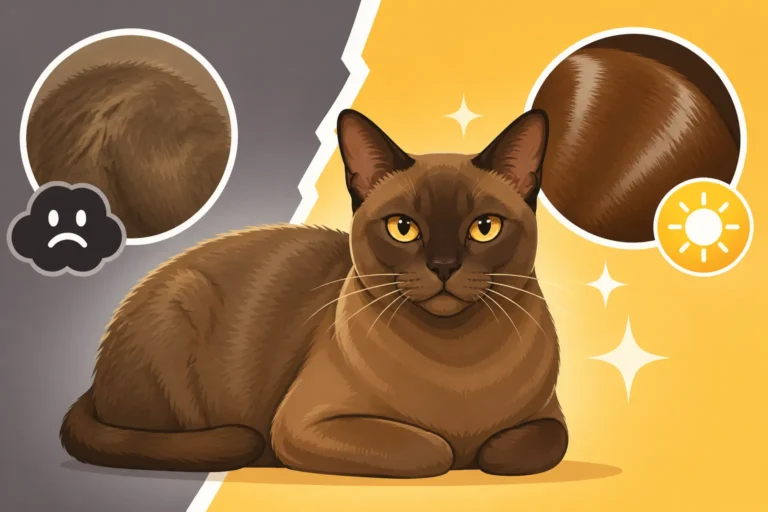
The Burmese coat is undeniably one of its most striking features, often described as "satin" or "silk-wrapped brick" – beautiful, yes, but not exactly designed for insulation. This luxurious, close-lying fur, while stunning to look at and incredibly soft to the touch, simply doesn't offer the same thermal protection as the coats of other breeds. Understanding its unique characteristics is the first step in appreciating why your Burmese is always looking for a warm snuggle spot.
Why the Satin Coat Offers Little Insulation
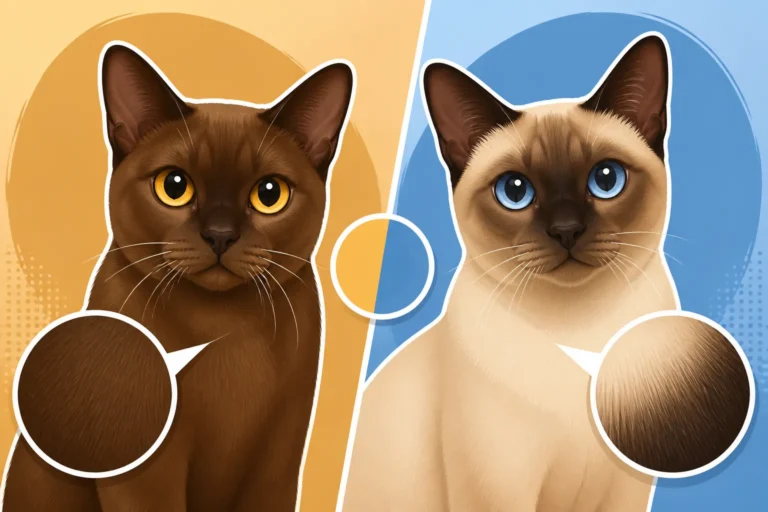
Unlike many other cat breeds that boast dense, multi-layered coats, the Burmese possesses a single, very short, fine coat that lies incredibly close to its body. Imagine trying to stay warm with just a thin silk scarf in winter; that's a bit like what your Burmese's coat is up against. The individual hairs are sleek and smooth, lacking the texture that would allow them to trap a significant layer of insulating air against the skin. This structure means heat dissipates from their body relatively quickly into the surrounding environment. It’s a coat designed for elegance and minimal shedding, not for warding off a chill. This distinctive quality is part of why they often feel heavier than they look, as their dense musculature is barely hidden by their short fur, making the lack of warmth even more apparent. You can read more about How Short a Burmese's Coat Actually Is to get a better visual.
How the Lack of Undercoat Affects Warmth
To further complicate their natural insulation, Burmese cats famously have almost no undercoat. Most cats, especially those from colder climates, have a soft, fluffy undercoat that acts like a thermal layer, trapping air close to the body and providing crucial warmth. Think of it like wearing a down jacket: the loft and layers are what keep you warm, not just the outer shell. Without this vital underlayer, the Burmese is essentially missing its natural "winter coat." This means that even a slight drop in room temperature can feel much more profound to a Burmese than to, say, a Maine Coon or even a domestic shorthair with a more typical double coat. The absence of this undercoat is a key factor in why Why a Short Coated Burmese Seeks Body Heat so readily from you, other pets, or any available warm surface.
Recognizing When Your Burmese is Cold
Your Burmese can't tell you in words that they're cold, but they certainly communicate it through their actions. The most obvious sign, of course, is shivering. While a vigorous play session can sometimes lead to a bit of a shake, persistent shivering when resting or in a seemingly comfortable environment is a clear indicator that they're struggling to maintain their body temperature. You might also notice them curling into a very tight ball, tucking their paws and tail in, trying to minimize their exposed surface area. Another tell-tale sign is their relentless pursuit of warmth: they'll burrow under blankets, squeeze into small, enclosed spaces, or constantly try to get on your lap or under your arm. They might also become less active, conserving energy rather than expending it on play. If you find your Burmese abandoning their usual sleeping spots for a sunny patch on the floor, on top of electronics, or pressed against a radiator, they're signaling a need for more warmth.
Prime Spots for a Toasty Burmese
Given their propensity to feel the cold, it’s no surprise that Burmese cats are masters at finding or creating their own warm havens. As their human companions, we can facilitate this by understanding their preferences and strategically setting up inviting warm spots throughout the home. Their intelligence and affectionate nature mean these spots often involve you, other pets, or clever use of the house’s natural warmth.
The Power of Body Heat: Snuggling with Humans and Other Pets
There's a reason Burmese cats are often called "Velcro cats" – they absolutely adore human contact, and a big part of that adoration is the shared warmth. Your lap, your chest, under your arm, or even tucked right up against your back in bed, are all prime real estate for a chilly Burmese. When a Burmese nestles in, they're not just seeking affection; they're efficiently using your body heat to stay toasty. This instinct extends to other pets in the household. If you have another cat or a dog, don't be surprised to find your Burmese spooning up to them. It's a mutually beneficial arrangement for warmth and companionship. This is a big reason Why a Burmese Sleeps Against Another Cat is such a common sight in multi-cat Burmese homes. They seek out warmth instinctively, and a furry friend is an excellent source.
Harnessing Natural Heat Sources
Beyond the living, breathing heat sources, Burmese cats are incredibly adept at finding passive warmth around the house. Sunny windowsills are highly coveted spots, especially in the cooler months, transforming into natural tanning beds where they can soak up warmth. If your home has radiators or floor vents, these will become instant magnets for your Burmese. You'll often see them draped elegantly (or sometimes awkwardly) across a radiator cover, basking in the rising heat. Why a Burmese Sleeps on the Radiator is a question many owners ask, and the answer is simple: it's a consistent, glorious heat source perfectly suited to their needs. Fireplaces, even when not actively burning, retain residual warmth, and the hearth can be another favored spot. Even the top of a warm television or computer can become a chosen napping place, so long as it's safe. It's important to ensure these spots are safe and don't pose burn risks, especially for older or very young cats who might not move quickly enough.
Elevated and Enclosed Spaces: A Sense of Security and Warmth
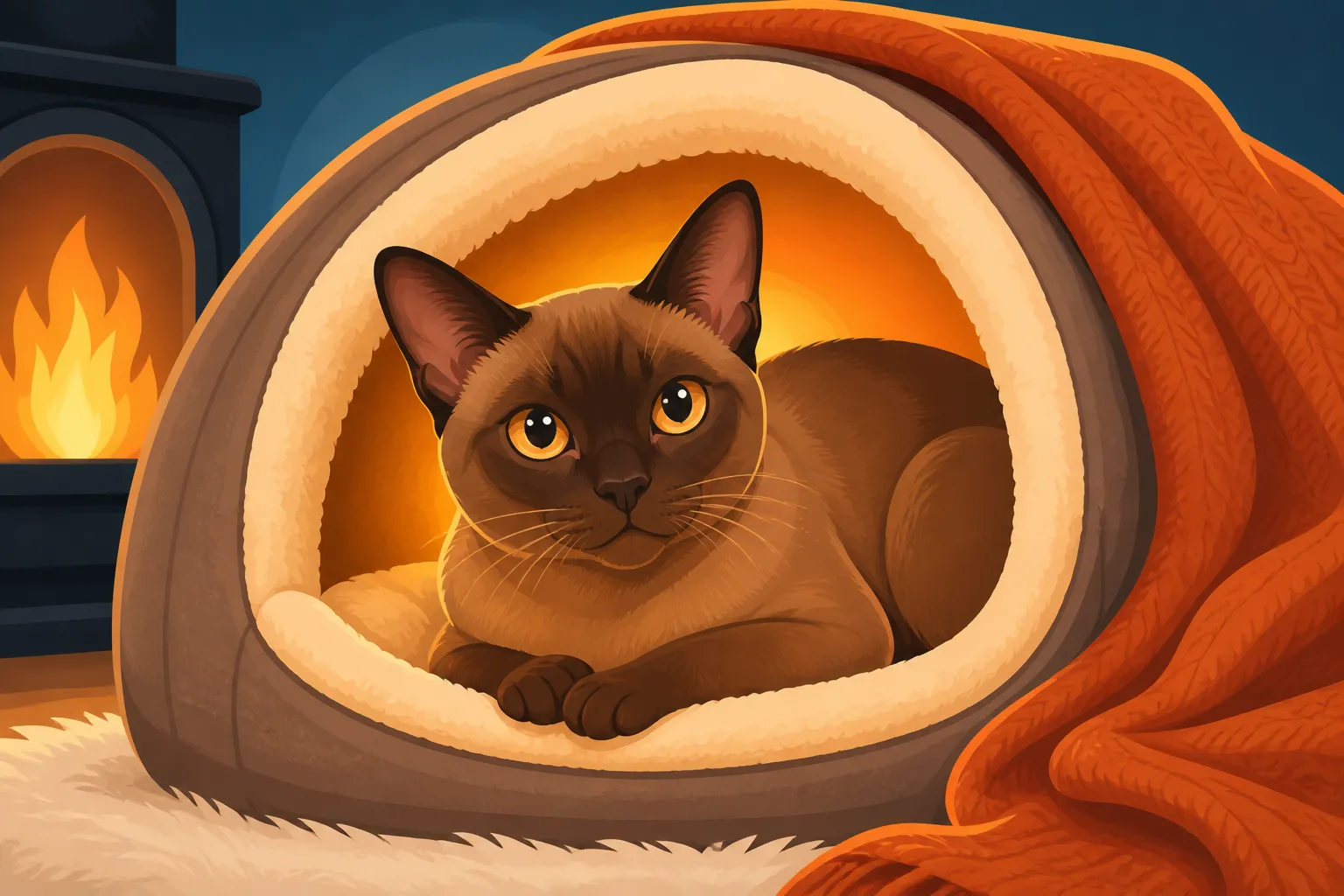
Burmese cats also instinctively gravitate towards elevated and enclosed spaces, which offer both security and a surprising degree of warmth. A cat tree with a cozy, fabric-lined cubby provides a snug hideaway where warm air can accumulate. High shelves or the top of wardrobes also get warmer air, as heat rises. Think about those times you've noticed your cat squeezed into a cardboard box or under a blanket fort – these aren't just games; they're instinctive responses to wanting to feel safe and warm. These enclosed spaces mimic dens, offering a sense of protection from perceived threats and retaining body heat more effectively than open areas. Even an unused drawer or a basket lined with a soft blanket can become a cherished warm retreat for your clever Burmese.
Artificial Aids for Optimal Warmth
While natural heat sources and snuggle buddies go a long way, sometimes a little technological assistance is needed to keep your Burmese genuinely warm and comfortable, especially during colder seasons or in drafty homes. Thankfully, there's a range of products specifically designed to provide that extra layer of warmth your satin-coated companion craves.
The Benefits of Heated Beds and Pads
Heated pet beds are absolute game-changers for Burmese owners. These aren't just luxurious items; for a breed with such poor natural insulation, they can be a medical necessity, preventing your cat from constantly expending energy trying to stay warm. A heated bed provides consistent, gentle warmth that penetrates their short fur and soothes them to the core. You'll find two main types: self-warming mats, which use thermal reflective material to bounce your cat's own body heat back to them, and electric heated beds, which plug in and provide a controlled heat source. When choosing an electric bed, always opt for models with safety features like low voltage and auto-shutoff to prevent overheating. Brands like K&H Pet Products are well-known for their safety and quality. Many pet supply retailers, such as Chewy, offer a wide array of heated pet beds, from simple pads to more luxurious enclosed options, ensuring you can find one that fits your home and your Burmese's preferences. A quick search on Amazon will also reveal numerous highly-rated options.
Strategic Placement of Pet Beds
Once you have these wonderful warming aids, where you place them makes all the difference. Think like your Burmese: where do they naturally seek warmth? Near a window that gets afternoon sun, but away from drafty doorways. In a quiet corner of a room where they won't be constantly disturbed, yet still close enough to feel like part of the family. Placing a heated bed in their favorite napping spot, or even in a high-traffic area like the living room where they can be near you, can encourage its use. Consider placing one inside a cat tree cubby or on a lower shelf in a bookcase for that added sense of security and warmth. For older Burmese, placing a heated bed in an easily accessible spot, perhaps on the floor next to your bed or sofa, can provide comfort for aching joints while keeping them warm.
Cozy Blankets and Fabric Options
Never underestimate the power of a good blanket for a Burmese. Their instinct to burrow is strong, and a soft, warm blanket allows them to create their own personal cocoon of warmth. Fleece, faux fur, or even an old wool sweater can become an instant favorite. Drape blankets over the back of the sofa, at the foot of your bed, or inside any cat beds or carriers you have. A stack of blankets in a basket can also become a self-made nest for them to dive into. You'll often find your Burmese kneading furiously at a soft blanket before settling down, a clear sign of contentment and comfort. A soft fleece blanket, readily available from retailers like Amazon, can make a huge difference in their daily comfort. This simple addition caters directly to their need to Why a Burmese Gets Under the Duvet and snuggle into warmth, turning any spot into a cozy retreat.
| Warming Solution | Pros | Cons | Ideal for… |
|---|---|---|---|
| Human/Pet Body Heat | Free, affectionate, provides companionship | Inconsistent, not always available, limits human movement | Highly social Burmese, multi-pet households |
| Sunny Windowsill | Free, natural, visually stimulating | Only works when sun is out, can get too hot | Day-time napping, sunny rooms |
| Radiator/Vent Access | Consistent ambient heat, passive | Can be too hot if direct contact, limited locations | Living areas with central heating, supervised use |
| Heated Pet Beds | Consistent, controlled warmth, dedicated spot | Initial cost, electricity usage, needs supervision | Cold climates, older/sick Burmese, general comfort |
| Cozy Blankets | Inexpensive, versatile, easy to move | Requires cat to burrow, can get dislodged | All Burmese, adding warmth to existing beds/spaces |
| Enclosed Cat Tree/Box | Provides security and warmth retention | Takes up space, may not be warm enough on its own | Anxious Burmese, adding warmth with blankets/pads |
Environmental Adjustments for Year-Round Comfort
Beyond specific sleeping spots and accessories, the overall environment of your home plays a crucial role in your Burmese's comfort. Making a few mindful adjustments to your home's temperature and managing drafts can significantly improve their quality of life, ensuring they're never left feeling the chill.
Maintaining a Comfortable Indoor Temperature
While you might prefer a cooler indoor temperature, your Burmese likely has different ideas. Because of their minimal coat, they thrive in warmer environments. Aim for a consistent indoor temperature that is comfortable for you in light clothing, perhaps a few degrees warmer than you might typically keep it for other cat breeds. This doesn't mean cranking the heat up to tropical levels, but being mindful that a house cooled down to 68°F (20°C) might feel pleasant to you but quite chilly to your Burmese, especially when they're resting. Consistency is key; sudden drops in temperature can be particularly jarring for them. If you work away from home, consider a programmable thermostat to ensure the house is warm for them throughout the day, rather than letting it get too cold while you're out. Remember, this isn't about coddling; it's about providing an environment suited to their physiological needs.
Managing Drafts and Cold Spots
Drafts are the silent enemy of a chilly Burmese. Even if the overall room temperature is adequate, a persistent draft can make a cat feel uncomfortable and cold. Walk around your home and identify any drafty windows or doors, especially near their favorite lounging areas. Simple solutions like draft stoppers for doorways, or heavier curtains for windows, can make a significant difference. Consider window film for single-pane windows during the colder months. Pay attention to areas near exterior walls or uninsulated floors, which can be significantly colder than the center of a room. Your Burmese will naturally avoid these cold spots, but by minimizing them, you open up more comfortable areas for them to relax. This is also why Why a Burmese Refuses to Go Out in Cold Weather is such a common observation; their short coat offers no protection against biting winds or low temperatures outside.
Dressing Your Burmese for Extreme Cold
While most Burmese cats are indoor-only, if you live in an exceptionally cold climate and need to take your Burmese outside for short, supervised excursions (e.g., to a vet appointment or in a secure catio), a pet sweater or coat can be a practical consideration. This is a topic that sometimes raises eyebrows, but for a cat with virtually no insulating undercoat, a little extra fabric can provide much-needed warmth. However, it's crucial that any clothing is comfortable, non-restrictive, and introduced gradually to avoid stress. Not all cats tolerate clothing, and if your Burmese shows signs of distress, it's not worth forcing the issue. Focus on ensuring their indoor environment is sufficiently warm and draft-free first. In most cases, for an indoor Burmese, environmental warmth is more effective and less stressful than clothing.
Special Considerations for Burmese Kittens and Seniors
While all Burmese cats benefit from a warm environment, kittens and seniors have particular vulnerabilities that require extra attention and tailored care to ensure they stay perfectly toasty and healthy. Their ability to regulate body temperature is either still developing or diminishing, making warmth even more critical.
Extra Warmth for Growing Kittens
Burmese kittens, like all young mammals, are less efficient at regulating their body temperature than adult cats. Their smaller body mass means they lose heat more quickly, and their thermoregulatory systems are still maturing. When bringing home a new Burmese kitten, it's absolutely vital to provide ample warmth. This means a cozy, enclosed bed with soft blankets, possibly a snuggling plush toy, and ideally a low-voltage heated pet pad, especially during their first few weeks. Make sure their sleeping area is in a draft-free, consistently warm room. Even if they're snuggling with their littermates or a parent, ensuring the ambient temperature is comfortable is key to their healthy growth and development. They rely heavily on external heat sources until they are a few months old.
Addressing the Vulnerabilities of Older Burmese
As Burmese cats age, their ability to regulate their body temperature can diminish. They might become more susceptible to the cold, even in environments that previously felt comfortable. Older cats also tend to have less muscle mass and may suffer from arthritis or other joint pain, which can be exacerbated by cold and damp conditions. For a senior Burmese, a consistently warm environment is not just about comfort; it's about health and mobility. Providing multiple easily accessible heated beds around the house, ensuring their favorite spots are extra cushioned and warm, and minimizing stairs if they're painful, are all crucial. You might also notice that When an Old Burmese Stops Keeping Its Coat Glossy, it's a sign that they're perhaps feeling the strain more, making external warmth even more necessary.
Medical Conditions and Temperature Sensitivity
Certain medical conditions can also make a Burmese more sensitive to cold, regardless of age. Cats with chronic illnesses, particularly those affecting metabolism or circulation, may struggle more to maintain their body temperature. Diabetes, which is unfortunately more common in Burmese cats, can sometimes impact circulation, making extremity regulation challenging. Likewise, cats recovering from surgery or illness will have compromised immune systems and will benefit immensely from consistent warmth to aid in their recovery. If your Burmese has a medical condition, consult your vet about optimal environmental temperatures and any specific warming aids they recommend. Providing a safe, warm space is a fundamental part of supportive care for a sick or recovering Burmese, ensuring their energy is used for healing rather than shivering.
Disclaimer
This article is for general informational purposes only and does not constitute professional advice. Laws, prices and regulations vary by location and change over time. Consult a qualified professional for guidance on your specific situation.