Why a Satin Coated Burmese Feels the Cold
Many Burmese cat owners, especially those new to the breed, often find themselves scratching their heads wondering why their seemingly robust, muscular feline companion is constantly burrowing under blankets or seeking out the warmest spots in the house. It's a common misconception that a short-coated cat, particularly one as famously sturdy as the Burmese, would be perfectly fine in cooler temperatures. However, the reality is quite different: your satin-coated Burmese does feel the cold more acutely than many other breeds, and understanding why is key to keeping them happy and healthy. This guide will delve into the unique characteristics of the Burmese coat, their physiology, and the behavioral cues they give, offering practical advice to ensure your beloved companion stays warm and comfortable year-round.
The Unique Nature of the Burmese Coat
When you run your hand over a Burmese cat, you immediately notice something special about their fur. It’s not just short; it has an incredible, almost liquid-like satin texture. This isn't merely a luxurious aesthetic; it's a key factor in why they're so susceptible to the cold.
More Than Just "Short Hair"
Unlike many other short-haired breeds, the Burmese possesses a distinctly fine, close-lying coat with minimal to no undercoat. Think about it: most animals with thick fur, whether a fluffy Persian or even a domestic shorthair, have a dense layer of softer, insulating undercoat beneath their coarser guard hairs. This undercoat traps air, creating a natural thermal barrier that helps keep them warm in winter and cool in summer. It’s like wearing a base layer beneath your jacket.
The Burmese, on the other hand, lacks this crucial insulating layer. Their coat is essentially a single layer of very fine, sleek hairs that lie incredibly flat against their body. While this gives them that stunning "satin" feel and gorgeous sheen, it also means there's very little air trapped within the fur itself. This absence of trapped air drastically reduces their natural insulation, making them less equipped to withstand chilly environments. It's like comparing a sleek silk scarf to a chunky wool sweater – both might be worn for warmth, but one offers significantly more protection. This unique coat structure means that while they might feel warm and substantial in your arms due to their muscle, that warmth dissipates quickly once they're not actively generating it.
How the Coat's Structure Affects Temperature Regulation
The way a Burmese cat's coat is structured has a profound impact on its ability to regulate body temperature. Imagine trying to stay warm outdoors wearing only a thin, smooth windbreaker compared to a thick, insulated puffer coat. The windbreaker might stop some direct cold, but it won't trap much body heat. That's essentially the challenge for a Burmese. Their smooth, close-lying coat simply doesn't create the necessary air pockets that are vital for insulation. Air is a poor conductor of heat, so trapping it close to the body is how animals (and humans, with our layered clothing) maintain warmth.
For a Burmese, this means their body heat can escape quite easily into the surrounding environment. In a warm house, this isn't an issue; in fact, it helps them stay comfortable. But as soon as temperatures drop, they don't have that built-in thermal protection. You'll often find them actively seeking out warmth, not because they're being overly dramatic, but because their physiology genuinely makes them vulnerable to heat loss. This isn't a fault in the breed; it's simply a characteristic of their unique and beautiful coat, which is truly "the shortest in the cat fancy." How Short a Burmese's Coat Actually Is Understanding this fundamental difference is the first step in providing the right kind of care for your beloved companion, especially when the seasons change or the thermostat dips.
The Burmese Metabolism and Body Heat
Beyond their distinctive coat, a Burmese cat's overall physiology, including their metabolism and body composition, plays a significant role in how they perceive and react to cold. It's a fascinating interplay of their "brick wrapped in silk" physique and internal processes.
A Compact, Muscular Build
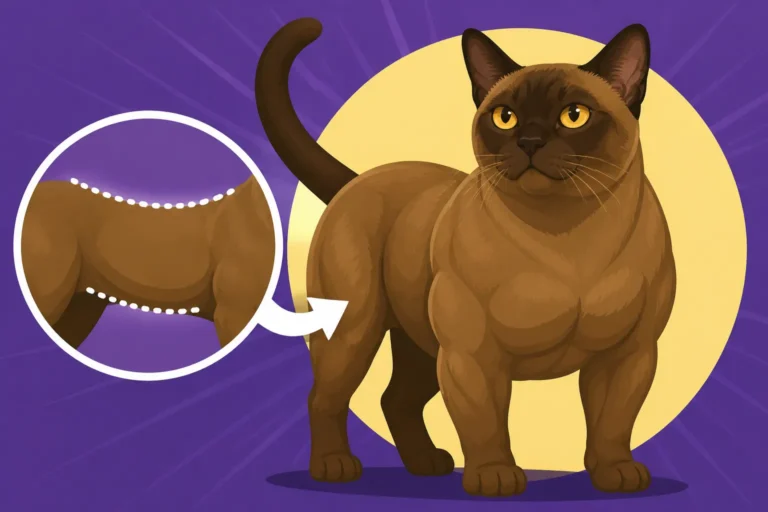
The Burmese is famously described as a "brick wrapped in silk" – a testament to their surprising density and muscular build beneath that sleek coat. They are stocky, compact, and often feel much heavier than they look when you pick them up. This muscularity is fantastic for their playful, active nature, and muscles do generate heat through metabolic processes and activity. A very active Burmese will naturally generate more body heat than one lounging lazily.
However, even with their solid musculature, they still have a relatively large surface area to volume ratio compared to, say, a fluffier cat of similar weight, which would appear much larger. This means that despite their internal heat production, that heat can still be lost efficiently from the surface of their body due to the lack of insulation from their coat. Think of a well-built athlete: they might generate a lot of heat when exercising, but if they're wearing minimal clothing in cold weather, they'll still feel the chill because their heat escapes quickly. Their dense muscle mass is a powerhouse, but it's not a self-contained heating unit in a chilly environment without adequate external protection or ambient warmth.
Internal Thermoregulation Challenges
While Burmese cats are known for their lively and energetic personalities, suggesting an active metabolism, this doesn't always translate into superior internal thermoregulation in colder conditions. A high metabolism helps generate heat, but without effective insulation, that heat is quickly radiated away. Moreover, Burmese cats, being generally lean and muscular, tend to have a lower percentage of body fat compared to some other breeds. Body fat, while often a concern for health if in excess, does provide an additional layer of insulation.
Therefore, a Burmese might be actively producing heat, but they're also losing it at a faster rate than a cat with a dense undercoat or a thicker layer of subcutaneous fat. This means they are more dependent on their external environment to maintain a comfortable body temperature. You might notice them feeling very warm to the touch when they've been curled up on your lap or under a blanket, but that warmth can disappear surprisingly quickly once they move to a cooler spot. This dependence on external warmth underscores the importance of providing a consistent, comfortable indoor temperature for them, rather than relying solely on their internal heat generation. Their system is efficient at shedding heat when necessary, but less so at conserving it when external temperatures drop, making them highly sensitive to drafts and cold floors.
Behavioral Indicators of Feeling Cold
Your Burmese will definitely let you know when they're feeling chilly, though sometimes their cues are more subtle than a shiver. Learning to recognize these behaviors is crucial for their comfort and well-being.
Seeking Warmth: Obvious and Subtle Cues
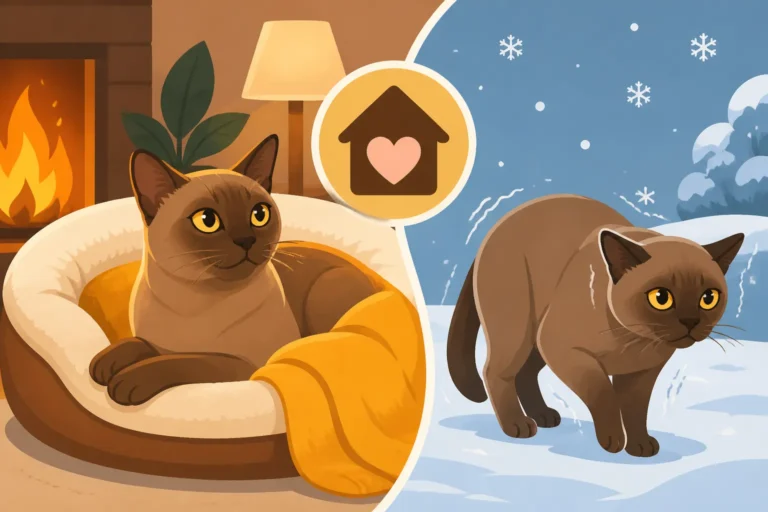
The most obvious sign that your Burmese is feeling the cold is their active pursuit of warmth. You'll see them gravitating towards radiators, fireplaces (at a safe distance, of course!), sunny windowsills, or even the warm exhaust from your laptop. They might spend more time curled tightly into a ball, tucking their paws and tail close to their body to minimize exposed surface area. This tight curl is a classic self-preservation posture for many animals trying to conserve body heat.
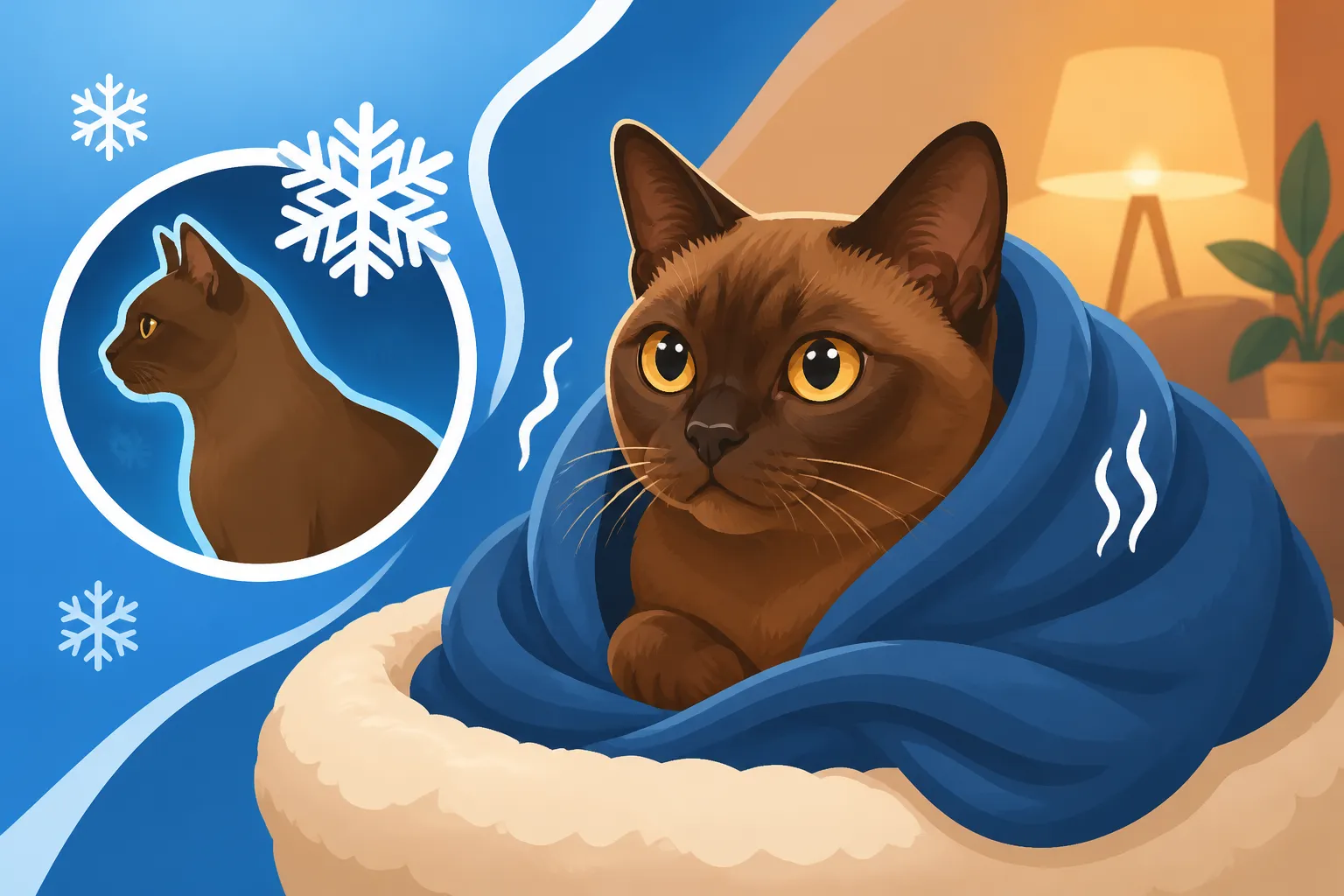
Beyond these overt actions, there are more subtle cues. A Burmese might become even more "velcro" than usual, insisting on being on your lap, under your arm, or snuggled close under the covers. Why a Burmese Gets Under the Duvet This isn't just a sign of their incredible affection; it's often a pragmatic move to share your body heat. If your normally independent cat suddenly becomes your shadow, seeking constant physical contact, it's worth checking the room temperature. They might also choose higher perches, not just for observation, but because heat rises, making elevated spots slightly warmer than the floor. You might also notice them resting on soft blankets or cushions more frequently, using them as an insulating layer against cold surfaces.
Impact on Daily Activity and Comfort
Feeling cold isn't just about mild discomfort for a Burmese; it can genuinely impact their overall activity levels and zest for life. A cat that's constantly cold might appear less playful, more lethargic, and generally less engaged with their surroundings. Instead of chasing a toy mouse with their usual vigor, they might just bat at it half-heartedly from a warm bed. Their characteristic "kittenish" energy, which lasts well into their senior years, might dim prematurely if they're perpetually trying to stay warm.
Imagine how you feel when you're slightly underdressed in a cool room – you might hunch your shoulders, feel less motivated, and just want to curl up with a hot drink. Your Burmese experiences something similar. Prolonged exposure to cold, even if not extreme, can lead to stress, compromise their immune system, and make them generally less resilient. It’s also worth noting that if they're spending all their energy trying to keep warm, they have less left for digestion, play, and interaction. Ensuring a consistently warm environment isn't just about coddling them; it's about supporting their natural vivacity and helping them thrive. Why a Burmese Refuses to Go Out in Cold Weather Their comfort directly translates to their overall happiness and health.
Creating a Warm and Cozy Environment
Knowing that your Burmese feels the cold is one thing; actually doing something about it is another. Luckily, there are many simple and effective ways to ensure your companion stays perfectly toasty.
Strategic Placement of Beds and Resting Spots
Where you place your Burmese's bed and favorite resting spots can make all the difference. Avoid placing beds directly on cold tile or hardwood floors, especially near drafty windows or exterior doors. Instead, opt for elevated beds or thick, insulating mats that raise them off the cold floor. Look for spots that naturally retain warmth, such as corners of rooms away from drafts, or areas that receive direct sunlight during the day. A cat tree placed in a sunny spot can become a highly coveted warm perch.
Heated beds or self-warming pads are absolute game-changers for a cold-sensitive Burmese. These can be particularly beneficial at night or during colder months. Electric heated beds, available from retailers like Chewy or Amazon, often have low-wattage heaters that provide a gentle, consistent warmth. Self-warming pads, which use reflective materials to bounce the cat's own body heat back to them, are another excellent, safer option if you're concerned about electricity. Just make sure any electric product is specifically designed for pets and used according to manufacturer instructions. Even an extra thick, plush blanket in their favorite nap spot can provide significant insulation and comfort.
Managing Household Temperature for Your Burmese
While you don't need to turn your home into a tropical paradise, maintaining a comfortable ambient temperature is paramount. Aim for a consistent indoor temperature, avoiding drastic fluctuations. If you're someone who likes to keep your home cooler to save on energy bills, consider designating a specific room or area as the "Burmese warm zone" where the temperature is kept consistently cozy. This might involve a space heater (used responsibly and never unsupervised) or simply ensuring that room's heating vent is unobstructed.
Be mindful of drafts. Even small cracks around windows or doors can let in cold air that will make your Burmese uncomfortable. Consider draft stoppers or weather stripping. When opening windows for ventilation, try to do so strategically, perhaps only in warmer parts of the day or in rooms where your cat isn't currently resting. At night, ensure their sleeping area is adequately warm. A common mistake is assuming that a cat will just "tough it out" because they have fur. For a Burmese, a consistently comfortable ambient temperature throughout the house, or at least in their primary living and sleeping areas, is essential. Why a Burmese Seeks Out the Warmest Spot
The Role of Diet in Maintaining Body Temperature
It might not be the first thing you think of, but a well-balanced, high-quality diet plays a vital role in supporting your Burmese's metabolism, which in turn helps generate body heat. A cat that isn't receiving adequate nutrition or sufficient calories for its activity level might struggle more to maintain its core body temperature. This isn't about overfeeding to "bulk them up" – which can lead to obesity and a whole host of other health problems, particularly for a breed prone to diabetes – but about ensuring they have the right fuel.
Focus on a diet rich in animal protein and healthy fats, which are essential for feline health and energy production. High-quality wet food is often recommended, as it provides excellent nutrition and hydration without excessive carbohydrates. Fresh, human-grade foods or premium wet food options can be excellent choices. Remember, feeding a Burmese is a medical decision, not just a preference. Feeding a Burmese Is a Medical Decision, Not a Preference Consult with your vet to determine the appropriate calorie intake for your individual cat based on their age, weight, and activity level. A healthy metabolism, fueled by good nutrition, provides a consistent internal warmth that complements their external environment, giving them the best chance to stay warm without resorting to excessive behavioral adjustments.
Special Considerations for Burmese in Different Life Stages
While all Burmese cats are prone to feeling the cold, certain life stages make them even more vulnerable and require extra attention and care to ensure their warmth and comfort.
Kittens and Senior Burmese
Just like with humans, the very young and the very old in the feline world are often the most susceptible to temperature extremes. Burmese kittens, with their smaller body mass and still-developing thermoregulation systems, lose heat much more rapidly than adult cats. They also tend to sleep more, which means less active heat generation. If you have Burmese kittens, it's crucial to provide them with a constantly warm nesting area, ideally a bed with high sides to trap warmth, and plenty of soft blankets to snuggle into. A safe, low-wattage heated pad underneath their bedding can be invaluable for ensuring they don't get chilled.
Conversely, senior Burmese cats also face increased challenges in staying warm. As cats age, their metabolism can slow down, they may become less active, and their ability to regulate body temperature can diminish. Older cats might also have thinner skin or reduced muscle mass, further reducing their natural insulation. For a senior Burmese, who still loves to be on your lap and seeking contact Why an Old Burmese Still Wants a Lap, ensuring their main resting spots are consistently warm is paramount. They might benefit significantly from a heated bed, extra blankets, or even a cozy cat sweater if they tolerate it. Their comfort directly impacts their quality of life in their golden years, and a little extra warmth can go a long way in supporting their aging bodies. Caring for a Burmese Past Twelve
Post-Surgical or Ill Burmese
When a Burmese cat is recovering from surgery or battling an illness, their need for warmth becomes even more critical. Anesthesia can significantly lower a cat's body temperature, and the body expends a lot of energy on healing, leaving less for thermoregulation. During recovery, a cat might be weak, unable to move much, or have a suppressed appetite, all of which contribute to their vulnerability to cold. Your vet will typically keep them warm at the clinic, but this need continues once they're home.
Similarly, a Burmese that is unwell – whether battling a fever, an infection, or a chronic condition like diabetes – will have a compromised immune system and energy reserves. Their body might be struggling just to fight off illness, making it harder to stay warm. In these situations, providing a consistently warm, draft-free environment is not just about comfort; it's a vital part of their recovery and ongoing care. Speak directly with your veterinarian about specific temperature recommendations for your cat's condition. They might advise a heated pad, extra blankets, or keeping the room temperature a few degrees higher than usual. The goal is to remove any additional stress on their system, allowing all their energy to be directed towards healing and regaining their strength.
Common Misconceptions and What to Avoid
Despite their popularity, there are still some common misunderstandings about Burmese cats and their needs, particularly concerning temperature. Clearing these up can prevent unnecessary discomfort for your feline friend.
Don't Assume Short Hair Equals Toughness
This is perhaps the biggest misconception out there. Many people, when they see a short-haired cat like a Burmese, automatically assume they are "tougher" or more resilient to cold weather than long-haired breeds. The logic often goes: "less fur means less to manage, and they must be built for practicality." However, as we've already explored, the Burmese coat is not merely "short" – it's uniquely thin, close-lying, and lacks the insulating undercoat found in many other short-haired cats.
This means that while a domestic shorthair with a dense, plush coat might fare reasonably well in cooler indoor temperatures, a Burmese will feel the chill much more readily. Their sleek, satin-like fur provides minimal thermal barrier, making them highly susceptible to heat loss. It's crucial for owners not to project human ideas of what "short hair" means onto their cats. A Burmese doesn't have a thick, protective outer layer; their coat is more akin to a fine garment, offering elegance but little insulation. Therefore, treating them as if they are impervious to cold due to their short fur is a disservice to their actual physiological needs and will lead to an uncomfortable cat constantly seeking out hidden warmth.
Overheating vs. Keeping Warm
While the emphasis for a Burmese is often on keeping them warm, it's equally important to strike a balance and avoid accidental overheating. Just as they struggle to retain heat in cold environments, they can also become overheated if their environment is too warm or they don't have access to cooler spots. A cat's normal body temperature is higher than a human's (around 100.5 to 102.5 degrees Fahrenheit), but they can still suffer from heatstroke.
Signs that your Burmese might be too hot include panting (which is uncommon in cats unless they are very stressed or overheated), lethargy, rapid breathing, hot paw pads, or seeking out cool, hard surfaces like tile floors. If you use a heated bed, ensure it's not excessively hot and that your cat can easily move off it if they wish. If your home gets very warm in summer, ensure they have access to shade, fresh water, and good air circulation. Never leave a cat in a car on a warm day. The goal is to provide a consistently comfortable environment, not a perpetually sweltering one. Understanding this balance is key to responsible pet ownership, ensuring your Burmese is cozy without being at risk of hyperthermia.
Here's a comparison to illustrate the unique properties of the Burmese coat:
| Feature | Burmese Coat (Satin) | Typical Domestic Shorthair Coat | Long-Haired Breeds (e.g., Persian) |
|---|---|---|---|
| Length | Very Short | Short to Medium | Long and Profuse |
| Texture | Fine, Sleek, Satin-like | Varied, often slightly coarse | Silky, Cottony, or Woolly |
| Undercoat | Minimal to Absent | Present, providing insulation | Dense, thick, highly insulating |
| Insulation Capacity | Low (poor at trapping air) | Moderate (good air trapping) | High (excellent air trapping) |
| Shedding | Low to Moderate, fine hairs | Moderate to High | Moderate to High, can matt |
| Sensitivity to Cold | High | Moderate | Low (well-protected) |
| Grooming Needs | Very Low (wiping with chamois) | Low to Moderate | High (daily brushing essential) |
| Heat Loss Rate | Fast | Moderate | Slow |
Disclaimer
This article is for general informational purposes only and does not constitute professional advice. Laws, prices and regulations vary by location and change over time. Consult a qualified professional for guidance on your specific situation.