How Often a Healthy Adult Burmese Needs Checking
It's easy to assume that a cat who seems fine is fine, but for us Burmese owners, that assumption can be a real pitfall. Our beloved companions are notorious for their stoic nature, often hiding discomfort until it's quite advanced. If you've ever worried you're missing something, or wondered exactly how often a healthy adult Burmese needs checking, you're not alone. This guide is here to walk you through a comprehensive schedule, from routine vet visits to crucial daily home observations, ensuring your cherished feline friend stays as vibrant and healthy as possible for years to come.
Annual Veterinary Check-ups: The Gold Standard
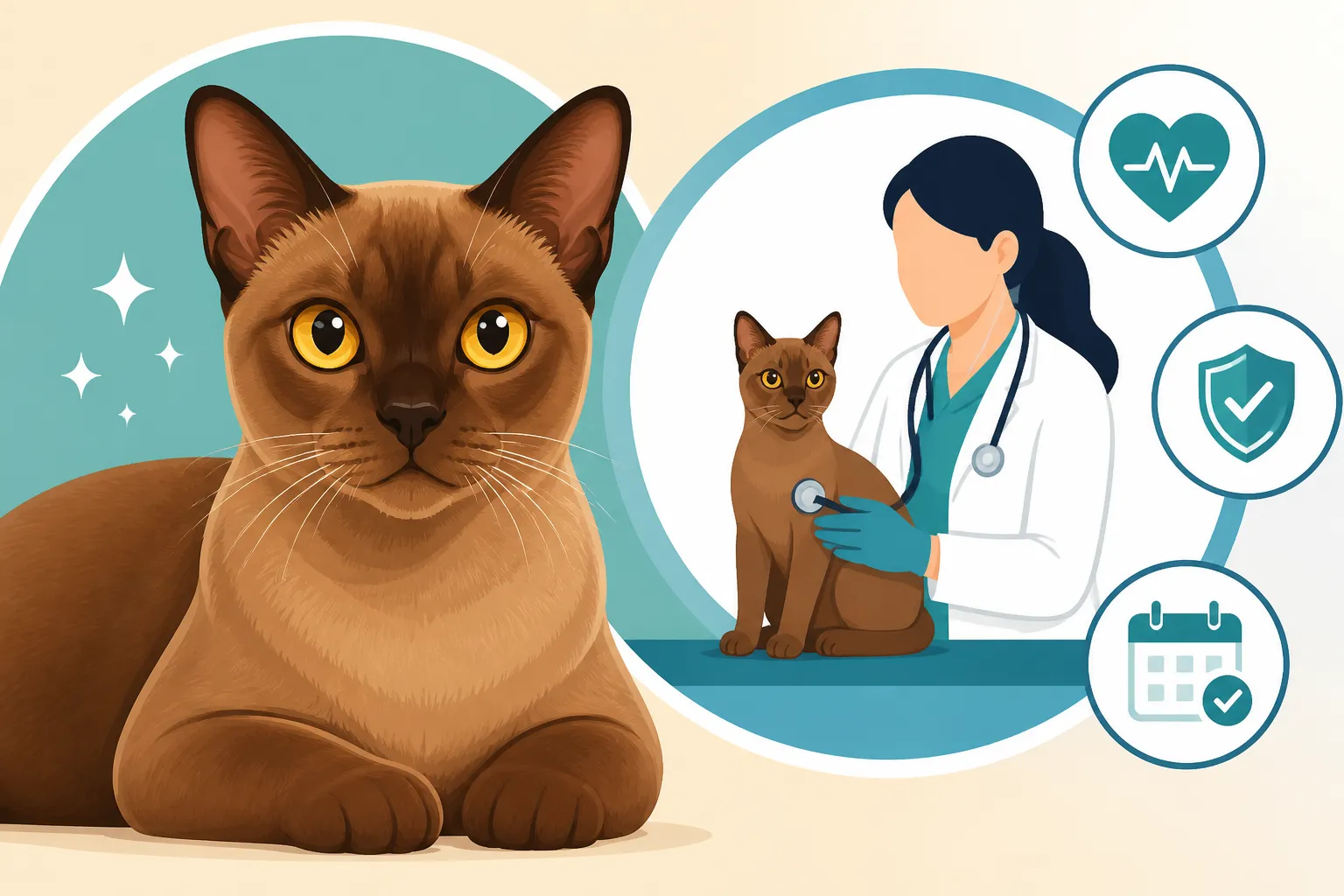
Even when your Burmese is romping around, purring up a storm, and showing no outward signs of illness, that annual visit to the vet is absolutely non-negotiable. Think of it as their yearly physical, just like we have ours. It’s a foundational piece of their preventative healthcare, designed to catch subtle changes that even the most attentive owner might miss. This consistency builds a vital health baseline for your cat, making it easier for your veterinarian to spot deviations over time.
What to Expect at the Yearly Exam
During an annual check-up, your vet isn't just giving your Burmese a quick once-over; they're performing a thorough head-to-tail examination. This includes checking their eyes, ears, and nose for any discharge or abnormalities, listening to their heart and lungs for murmurs or unusual sounds, and palpating their abdomen to feel for any organ enlargement or discomfort. One area that gets particular attention for Burmese cats is their mouth. These sweet-faced felines are unfortunately prone to dental issues, so your vet will meticulously examine their teeth and gums for signs of plaque, tartar, gingivitis, or even tooth resorption. This can make a huge difference in preventing painful problems down the line, especially given Why a Burmese's Gums Recede Early
Beyond the physical exam, this appointment is your chance to discuss any behavioral changes, dietary questions, or concerns you might have noticed. Your input is invaluable, as you spend the most time with your cat. Don't hesitate to mention even seemingly minor shifts in their routine or personality; sometimes these are the earliest indicators of an underlying issue. Your vet will record their weight, body condition score, and overall demeanor, establishing a reference point for future visits.
Beyond the Physical: Essential Diagnostic Tests
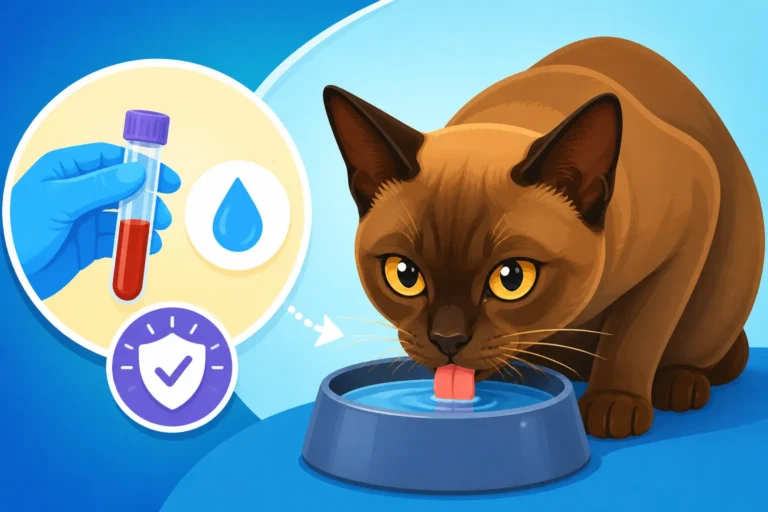
While a physical exam is crucial, many health problems, particularly in a breed like the Burmese, lurk beneath the surface. That's why your veterinarian will often recommend a blood panel and urinalysis as part of their annual workup, especially as your cat approaches middle age. These diagnostic tests provide a snapshot of their internal organ function, revealing insights into kidney and liver health, blood cell counts, and electrolyte balance. Catching early signs of conditions like How Kidney Disease Arrives in an Old Burmese can significantly improve outcomes through early intervention and management.
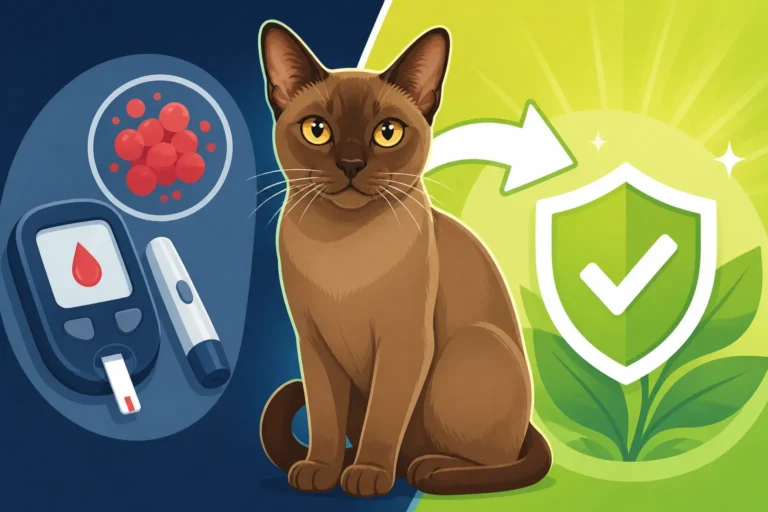
For Burmese cats specifically, blood work includes a close look at glucose levels. It’s widely known that Why a Burmese Is Four Times More Likely to Become Diabetic, and catching elevated glucose early can make all the difference. Many vets will suggest that Why a Burmese's Glucose Should Be Checked From Seven, but with their known predisposition, some may start earlier. Sometimes a fructosamine test, which gives an average blood glucose over a longer period, is recommended to get a more accurate picture, especially if a cat is stressed at the vet and showing transient high glucose.
Vaccinations and Preventative Care
Your annual vet visit also covers essential preventative care, including vaccinations and parasite control. Your vet will discuss which vaccines are appropriate for your Burmese based on their lifestyle, whether they are strictly indoor, or if they have any outdoor access or exposure to other animals. Typically, core vaccines like rabies and FVRCP (Feline Viral Rhinotracheitis, Calicivirus, and Panleukopenia) are recommended.
Beyond vaccines, this is the time to ensure your Burmese is protected against common parasites. Flea, tick, and heartworm prevention are vital, even for indoor cats, as parasites can hitch a ride into your home on other pets or even on your shoes. Your vet can recommend the most effective and safest products for your specific situation. This proactive approach helps keep your Burmese healthy and comfortable, preventing infestations and the illnesses they can carry.
Daily and Weekly Home Health Checks for Your Burmese
While annual vet visits are fundamental, the truth is, you are your Burmese’s first and most constant line of defense. Their affectionate, interactive nature means you spend a lot of time with them, giving you a unique opportunity to notice subtle changes long before they become serious. Integrating quick, loving health checks into your daily and weekly routine isn't just about vigilance; it's another way to bond with your beloved companion.
Observing Daily Behavior and Appetite
Your Burmese is a creature of habit, and their routine offers crucial clues about their well-being. Pay attention to their appetite: are they eating with their usual gusto, or are they leaving food behind? Any noticeable increase or decrease in thirst should be a huge red flag; Why a Burmese Drinking More Needs Testing That Week, as it's one of the earliest signs of diabetes. Keep an eye on their litter box habits too. Changes in frequency, volume, or consistency of urine and stool can indicate urinary tract infections, kidney issues, or digestive problems.
Beyond food and bathroom habits, observe their general demeanor. Is your playful Burmese still engaging in their usual antics, or are they more withdrawn? Are they greeting you at the door with their customary enthusiasm, or do they seem subdued? Because Why a Burmese Hides Illness Behind Its Affection, you need to be particularly attuned to even minor shifts. A cat that normally rides on your shoulder might suddenly prefer to stay on the couch, or one that's usually vocal might become unusually quiet. These small observations, when taken seriously, can prompt timely veterinary attention and potentially avert a crisis.
Regular Weight Monitoring and Body Condition Scoring
Perhaps one of the most critical home health checks for a Burmese, given their breed predispositions, is consistent weight monitoring and body condition scoring. These cats are muscular and compact, often described as a "brick wrapped in silk," which means it can be incredibly difficult to tell if they’ve put on a few extra pounds just by looking at them. Yet, even a small amount of excess weight significantly increases their risk for diabetes, a condition that Burmese cats are already genetically prone to. This is Why a Burmese's Weight Should Be Recorded Monthly.
Making weekly weight checks a routine can literally add years to your cat's life. Don't just guess; invest in a small digital pet scale for accuracy. It might sound like a lot, but it takes minutes. If you're unsure how to get a precise reading, there are great guides on How to Weigh a Burmese Accurately at Home. Beyond the number on the scale, learn to assess your cat's body condition score. This involves gently feeling their ribs (which should be easily palpable but not visible), observing their waistline from above, and checking for an abdominal tuck. Maintaining an ideal body condition is the single most powerful lever you have as an owner to prevent diabetes and ensure long-term health.
Inspecting Coat, Eyes, Ears, and Gums
Regular hands-on inspections, even brief ones, offer another layer of insight into your Burmese's health. While you're petting them (which, let's be honest, you're doing constantly anyway), take a moment to run your hands over their entire body. Feel for any lumps, bumps, or tender spots that weren't there before. Check their coat for excessive shedding, dryness, or greasy patches, which can sometimes indicate nutritional deficiencies or underlying health issues. Their famously satin-like coat should feel smooth and luxurious.
A quick peek at their eyes and ears is also beneficial. Their eyes should be clear and bright, free of excessive tearing or discharge. Any redness, squinting, or cloudiness warrants veterinary attention. Ears should be clean and odorless, without redness, excessive wax, or debris. A common trouble spot for Burmese cats, as mentioned, is their dental health. Gently lift their lips to check their gums; they should be a healthy pink, not red or swollen. Note any bad breath, which is often a sign of dental disease. Incorporating this into your petting routine makes it a positive experience for your cat and helps you stay ahead of potential problems. Knowing How Often a Burmese Needs a Dental, your at-home checks reinforce the need for professional care.
Understanding the Burmese's Unique Health Considerations
Owning a Burmese is a joy, but it also comes with the responsibility of understanding their unique genetic predispositions. This breed, despite its robust appearance and playful demeanor, is more susceptible to certain health conditions than many other cat breeds. Being aware of these specific vulnerabilities empowers you to be proactive and work closely with your vet to mitigate risks and ensure the longest, healthiest life possible for your beloved companion.
The Ever-Present Shadow of Diabetes
For Burmese owners, diabetes is not just a general feline illness; it's a specific and significant concern. This breed has a notoriously high incidence of type 2 diabetes, often developing in middle to older age. This predisposition is largely genetic, making prevention and early detection paramount. It’s crucial to understand What Diabetes Looks Like in a Burmese, as symptoms can be subtle at first and progress quickly if ignored. Increased thirst (polydipsia), increased urination (polyuria), and a ravenous appetite paired with weight loss are classic signs.
Managing this risk starts with diet and weight. A low-carbohydrate, high-protein wet food diet is often recommended, and strict portion control is key. Free-feeding, where food is left out all day, is a recipe for disaster for a Burmese. Regular exercise and mental stimulation also contribute to a healthy metabolism. If you notice any of those tell-tale signs, don't delay; a vet visit is essential to confirm a diagnosis with tests like a blood glucose curve or fructosamine. Early intervention can even lead to diabetic remission in some cases, highlighting the power of proactive care.
Managing Predispositions: Hypokalemia and Dental Disease
Beyond diabetes, there are other conditions unique to the Burmese that owners should be aware of. Familial hypokalemia, for instance, is a genetic disorder affecting potassium levels. While responsible breeders screen for this condition, it’s good to know the signs, which often include episodic muscle weakness, a stiff gait, or an inability to hold their head up during episodes. Thankfully, there’s a DNA test available, so reputable breeders will provide proof that their breeding cats are clear or only carriers, which is why Hypokalemia Is the Burmese Disease With a DNA Test. This genetic testing significantly reduces the risk of affected kittens.
Another significant health concern for Burmese cats is dental disease. As we touched on earlier, they seem to be more prone to developing tartar, gingivitis, and periodontitis at a younger age compared to many other breeds. This isn’t just about bad breath; severe dental disease can lead to painful tooth loss, infections, and can even contribute to other systemic health issues if bacteria from the mouth enter the bloodstream. Regular home brushing (if your cat tolerates it), dental chews, and professional dental cleanings as recommended by your vet are crucial throughout their life. Many Burmese will need professional cleanings more frequently than other cats to maintain optimal oral health.
Navigating Aging and Senior Care
As your Burmese transitions into their senior years, their healthcare needs will naturally evolve. While they might still be playful and interactive, typically maintaining their kittenish charm well into old age, their bodies will start to show the signs of time. Cats are generally considered senior around 7-10 years old, and by Caring for a Burmese Past Twelve, you'll be actively managing age-related changes. This phase of life often brings a higher risk of conditions like kidney disease, hyperthyroidism, and arthritis.
Your vet might recommend more frequent check-ups, perhaps twice a year instead of annually, to monitor for these conditions. Bloodwork and urinalysis become even more vital, as they can reveal subtle changes in organ function before outward symptoms become apparent. Keeping an eye on their mobility, ensuring they can still access their favorite spots, and providing comfortable, warm resting places become important aspects of their daily care. Adjusting their diet to support aging kidneys or maintain muscle mass is also common. The goal is to keep them comfortable, engaged, and minimize the impact of age-related health challenges.
Why Early Detection Matters for Burmese Lifespan
We all want our beloved Burmese cats to live long, happy, and healthy lives. For a breed with known genetic predispositions and a penchant for hiding illness, early detection isn't just a good idea—it's absolutely critical. Proactive healthcare can be the difference between a minor concern and a major crisis, directly impacting both their quality of life and your peace of mind.
The Burmese's Stoic Nature: Hiding Illness
It's one of the most endearing and, at the same time, most frustrating traits of a cat: their remarkable ability to mask pain or illness. Unlike dogs who might whine or limp overtly, cats are masters of disguise, a survival instinct from their wild ancestors. The Burmese, with their constant desire for companionship and engagement, can be particularly adept at this. They might still come for cuddles, purr in your lap, and even play, all while silently battling an internal struggle. This stoic nature means that by the time overt symptoms appear, a condition might be quite advanced. This is why paying close attention to the subtle behavioral cues we discussed earlier is so incredibly important; they're trying their best to tell you something, even when they seem "fine."
Financial Implications of Delayed Care
Delaying veterinary attention because symptoms seemed minor can have significant financial consequences down the line. What might have been a relatively simple, less expensive treatment for an early-stage condition can escalate into complex, costly interventions if the illness is allowed to progress. For instance, managing advanced diabetes in a Burmese, including insulin, frequent vet visits, and specialized diets, can quickly become a substantial financial burden. In fact, What Diabetes Costs a Burmese Owner a Year, can be a sobering reality check.
This is precisely where planning ahead with pet insurance can make a world of difference. Investing in a good pet insurance policy, like those offered by Healthy Paws, can really alleviate the stress of unexpected veterinary bills, especially for chronic conditions common in Burmese cats. Healthy Paws, or similar providers, can help cover a significant portion of diagnostic tests, medications, and ongoing treatments, allowing you to focus on getting your cat the best possible care without compromising your financial stability. Thinking about this proactively, while your Burmese is still healthy, is a smart move for any owner.
The Peace of Mind of Proactive Health Management
Ultimately, being vigilant and proactive about your Burmese's health isn't just about avoiding problems; it's about fostering a deeper bond and ensuring they live their best life. Knowing that you're doing everything you can to monitor their health, sticking to a regular vet schedule, and being educated about their breed-specific needs brings an invaluable sense of peace. You can enjoy their playful antics and loving companionship without constantly worrying if you're missing something crucial.
A proactive approach means that you're not reacting to emergencies, but rather maintaining a steady course of wellness. This leads to a higher quality of life for your cat, with conditions managed early, discomfort minimized, and their overall vitality preserved. It's a testament to your love and commitment, allowing your Burmese to truly thrive and enjoy all the How Many Years a Well Bred Burmese Lives, which can be quite a long time when they're well cared for.
Disclaimer
The information provided in this article is for general informational purposes only and is not intended as a substitute for professional veterinary advice, diagnosis, or treatment. Always seek the advice of your veterinarian or other qualified animal health provider with any questions you may have regarding a medical condition.