Why the WNK4 Gene Matters in a Burmese
It can be incredibly daunting when you first start looking into the specific health concerns of a beloved breed like the Burmese. Terms like "WNK4 gene" sound intimidatingly scientific, leaving you wondering what it actually means for your furry family member or a kitten you're hoping to bring home. This guide is here to unravel the mystery of the WNK4 gene, explain its vital connection to a serious condition called hypokalemia, and help you understand how to navigate this genetic factor for the health and happiness of your beautiful Burmese.
Understanding the WNK4 Gene and Hypokalemia in Burmese Cats
When we talk about the health of our Burmese cats, it's easy to get lost in complex scientific jargon. But at its heart, understanding the WNK4 gene is about understanding a specific, inherited predisposition that can affect these wonderful felines. It's a prime example of why knowing your cat's genetic background is so incredibly important.
What is the WNK4 Gene?
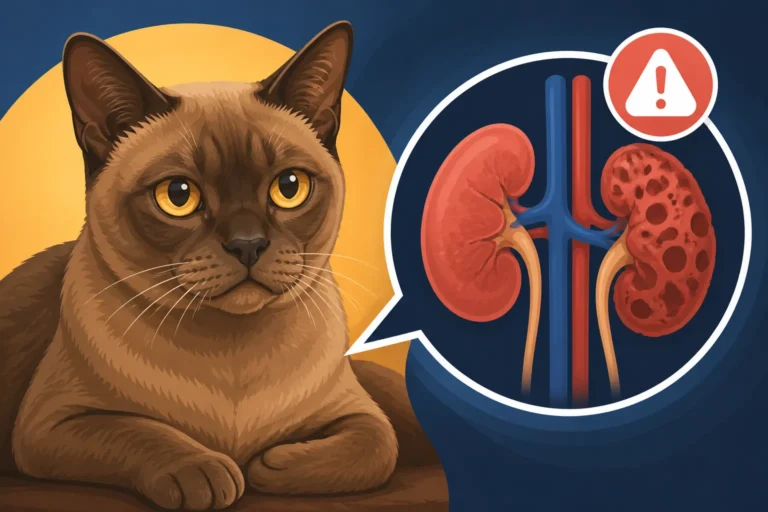
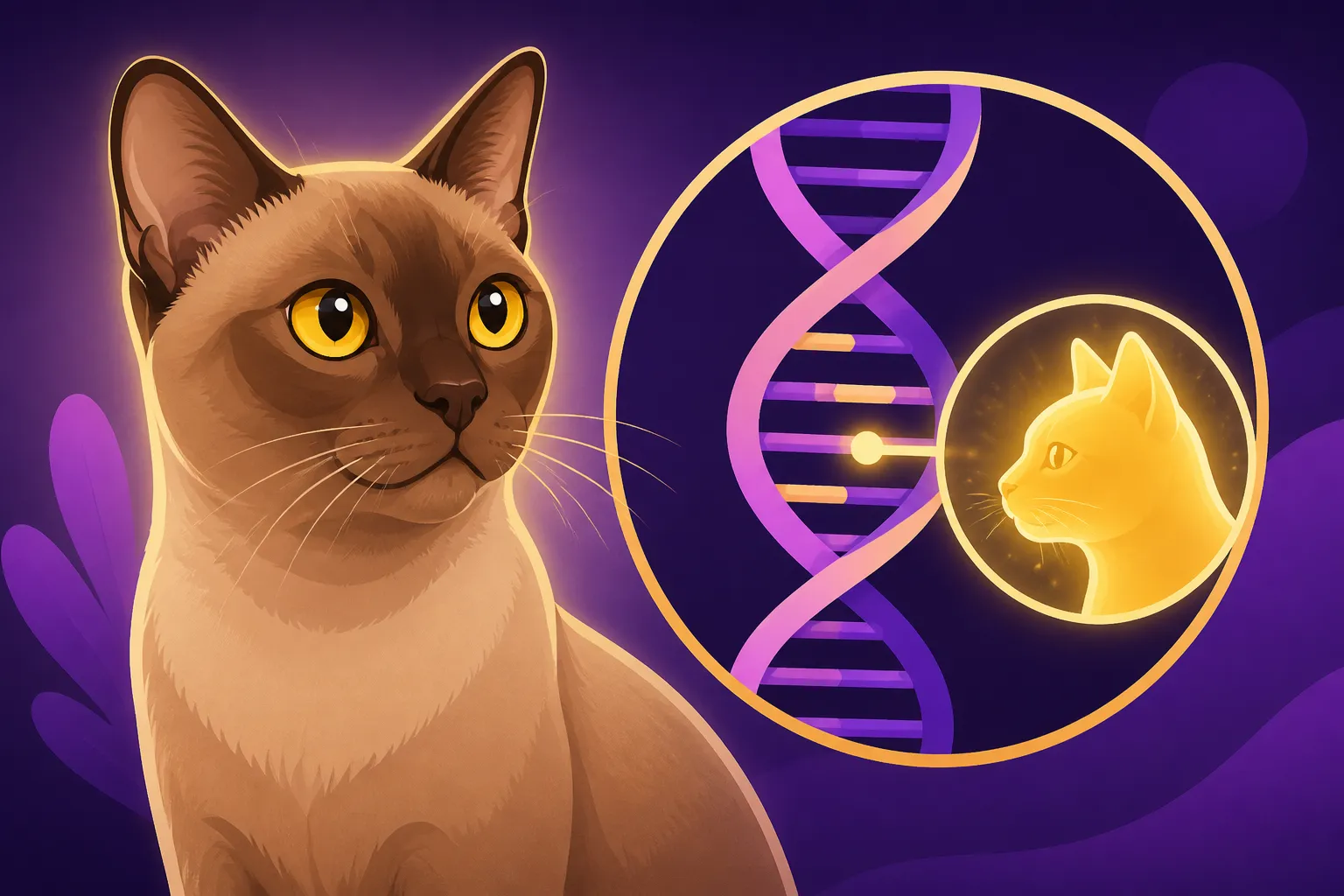
At the most basic level, genes are like instruction manuals within every cell of an animal's body. They tell the body how to grow, how to function, and even what color their coat will be. The WNK4 gene is one of these instruction manuals, and specifically, it plays a crucial role in regulating electrolytes, particularly potassium, within the body. Think of it as a tiny, highly specialized thermostat for potassium levels. It helps the kidneys decide how much potassium to keep and how much to excrete.
In healthy cats, the WNK4 gene works silently in the background, ensuring everything runs smoothly. However, in some Burmese cats, there's a specific mutation in this gene. This isn't a fault of the cat or the owner, but a genetic quirk that has been identified within the breed. This mutation essentially gives the kidneys incorrect instructions, leading to a cascade of problems related to potassium balance. It's not something you can see or feel externally in a healthy cat, but it's a hidden blueprint that carries significant implications.
The Direct Link to Hypokalemia
The reason the WNK4 gene matters so much to Burmese owners is its direct and undeniable link to a condition called familial episodic hypokalemic polymyopathy, often shortened to hypokalemia. "Hypokalemia" simply means low potassium in the blood, and "familial episodic" indicates it's inherited and happens in episodes. The mutation in the WNK4 gene causes the kidneys to excrete too much potassium from the body, rather than holding onto the necessary amounts.
Imagine your cat's body is a finely tuned machine, and potassium is a critical component, especially for muscle and nerve function. When the WNK4 gene isn't working correctly, this vital component leaks out, leading to a deficit. Without enough potassium, muscles can't function properly. This directly manifests as the classic symptoms of hypokalemia, where your energetic Burmese might suddenly become weak, unable to lift their head, or move normally. It’s a profound impact from a tiny genetic misstep, and it’s why understanding this gene is so crucial for the breed's well-being.
Recognizing and Treating Hypokalemic Episodes in Your Burmese
Living with a Burmese means embracing their playful, affectionate nature, but it also means being vigilant about their health, especially if they carry the WNK4 mutation. Recognizing the signs of a hypokalemic episode early can make all the difference in managing the condition and ensuring your cat receives prompt veterinary care.
Signs and Symptoms of a Hypokalemic Episode
A hypokalemic episode can strike quite suddenly, often triggered by stress, excitement, or even strenuous exercise. One of the most distinctive and alarming signs is severe muscle weakness. Your typically agile Burmese might struggle to stand, walk stiffly, or even collapse. A tell-tale sign that many owners report and veterinarians recognize is the "meerkat neck," where the cat cannot lift its head and it hangs limply, or they might hold it at an odd angle, resembling a meerkat standing upright. It's heartbreaking to see, especially in such an active breed.
Beyond the head and neck, you might notice generalized weakness, muscle tremors, or an unwillingness to move. Some cats might appear to be in pain when handled, or you might see them struggling with tasks that are usually effortless, like jumping onto a favorite perch or even using the litter box. These episodes are, by their nature, transient, meaning they come and go. A cat might be perfectly fine one day and then experience severe weakness the next, only to recover partially or fully within hours or days. This episodic nature can make it tricky to catch without a watchful eye. If you ever see your kitten struggling in this way, it could be a sign of How Hypokalemia First Shows in a Burmese Kitten, and immediate veterinary attention is advised. It's also worth noting that stress can be a significant trigger for these episodes, so a calm environment is always beneficial.
Diagnosis and Treatment Options
If you suspect your Burmese is experiencing a hypokalemic episode, the very first step is to get them to the vet immediately. Your veterinarian will typically start with a physical examination and will likely want to run blood tests, specifically looking at electrolyte levels, with a keen eye on potassium. A low potassium reading during an episode is a strong indicator. Beyond the immediate crisis, genetic testing is the definitive way to confirm if the WNK4 mutation is the cause. This usually involves a simple cheek swab sent to a specialized lab, confirming the genetic status (clear, carrier, or affected). You can learn more about this by reading Which Lab Runs the Burmese Hypokalemia Test.
Treatment during an acute episode typically involves administering potassium supplementation, often intravenously, to quickly stabilize your cat's condition. Once stable, long-term management usually involves oral potassium supplements, commonly potassium gluconate, given daily to maintain appropriate potassium levels and prevent future episodes. Your vet will work with you to find the right dosage and frequency. It's important to understand that while it's a chronic condition, many Burmese cats with WNK4-related hypokalemia can live full and happy lives with diligent management. Regular check-ups and consistent medication are key. For more in-depth information on treatment, consider checking out How a Vet Treats a Burmese Hypokalemic Episode.
The Critical Role of Genetic Testing in Burmese Breeding
When it comes to the future health and vitality of the Burmese breed, genetic testing for conditions like WNK4-related hypokalemia isn't just a suggestion; it's an ethical imperative. Responsible breeders play a pivotal role in ensuring that future generations of these wonderful cats are as healthy as possible.
The Importance of Genetic Testing for Breeders
The WNK4 mutation that causes hypokalemia in Burmese cats is inherited in an autosomal recessive pattern. What this means in plain language is that a cat needs to inherit two copies of the mutated gene (one from each parent) to actually develop the disease. Cats that inherit only one copy of the mutated gene are considered "carriers." They don't typically show symptoms of hypokalemia themselves, but they can pass the mutated gene on to their offspring. This is why testing both breeding parents is absolutely critical.
A responsible breeder will screen all their breeding cats for the WNK4 mutation before any mating takes place. This allows them to make informed decisions and avoid inadvertently producing kittens that will suffer from hypokalemia. Imagine the heartbreak of a kitten developing severe muscle weakness at a young age, knowing it could have been prevented. Breeders should proudly share the results of these genetic tests, providing certificates for their breeding cats. Knowing What a Burmese Breeder Must Test Before Any Mating is a fundamental part of selecting a healthy kitten.
Breeding Protocols for WNK4 Carriers
So, what happens if a breeder discovers they have a carrier cat? It doesn't necessarily mean that cat can never be bred. Ethical breeding protocols dictate that a carrier cat can still be bred, but only if they are mated with a cat that has tested completely clear of the WNK4 mutation. This pairing ensures that no kitten will inherit two copies of the mutated gene, meaning no kitten will develop hypokalemia. All kittens from such a pairing will either be clear or carriers themselves, but none will be affected.
The critical rule, therefore, is this: Why Two Burmese Carriers Must Never Be Bred. If two carrier cats are bred together, there's a 25% chance with each kitten born that it will inherit two copies of the mutated gene and thus be affected by hypokalemia. This is an unacceptable risk for any responsible breeder. Genetic testing, therefore, empowers breeders to maintain genetic diversity within the breed while actively working to reduce the incidence of this debilitating condition. Understanding How the Burmese Hypokalemia Test Is Read is also crucial for interpreting results.
Living a Full Life with a Burmese Prone to Hypokalemia: Care and Planning
Receiving a diagnosis of WNK4-related hypokalemia for your beloved Burmese can feel overwhelming, but it's important to remember that this is a manageable condition. With dedicated care and proactive planning, many affected Burmese cats can continue to enjoy happy, fulfilling lives.
Long-Term Management and Lifestyle Adjustments
For a Burmese diagnosed with WNK4-related hypokalemia, long-term management revolves primarily around consistent potassium supplementation. This typically means administering oral potassium gluconate daily, as prescribed by your veterinarian. The dosage might need adjustment over time, so regular follow-up appointments and blood tests to monitor potassium levels are essential. It's a bit like managing a chronic human condition; it requires vigilance, but it becomes part of the routine.
Beyond medication, lifestyle adjustments can play a significant role. Reducing stress in your cat's environment is important, as stress can sometimes trigger episodes. Providing a calm, predictable routine, ensuring comfortable resting spots, and monitoring for any signs of an impending episode are all part of daily care. While they are still playful cats, avoiding overly strenuous or prolonged exercise, especially during periods of higher risk, might be advised by your vet. The good news is that with proper management, many cats with this condition can truly live a normal lifespan and maintain a good quality of life. For more detailed insights, you might find solace in exploring Whether a Hypokalemic Burmese Lives a Normal Life.
Financial Planning for Potential Health Issues
It's a reality that managing a chronic health condition for any pet can come with significant financial implications. The cost of daily medication, regular veterinary check-ups, follow-up blood work, and potential emergency care during an acute episode can certainly add up over time. It’s a frustration many pet owners face – wanting to provide the best care but worrying about the budget. This is where proactive financial planning becomes incredibly important for Burmese owners, especially if you know your cat is a carrier or affected.
One of the most effective ways to mitigate unexpected veterinary bills is through pet insurance. Companies like Healthy Paws offer comprehensive plans that can cover a significant portion of the costs associated with chronic conditions, though it's crucial to check policy details regarding pre-existing conditions. Enrolling your Burmese in a pet insurance plan early, before any symptoms or diagnoses arise, generally provides the best coverage. Even without insurance, setting aside a dedicated emergency fund for pet health can offer immense peace of mind. Knowing What Potassium Supplementation Does for a Burmese and its ongoing costs can help you plan your budget effectively.
Preventing WNK4-Related Hypokalemia and Supporting the Breed
The journey of understanding and addressing genetic health issues in beloved breeds is ongoing. For the Burmese, the discovery of the WNK4 gene's role in hypokalemia represents a significant leap forward in preventative care, empowering both breeders and owners to protect these wonderful cats.
Reducing Risk Through Responsible Breeding
The single most impactful way to prevent WNK4-related hypokalemia is through widespread, responsible genetic testing in breeding programs. When breeders meticulously test their cats and make informed decisions about pairings, they effectively stop the transmission of two copies of the mutated gene, thus preventing affected kittens from being born. This isn't just about avoiding a problem; it's about actively improving the overall health of the entire Burmese breed for generations to come.
As a prospective kitten owner, don't hesitate to ask breeders about their genetic testing protocols. A transparent and ethical breeder will be happy to show you the WNK4 test results for both parents of any kitten you're considering. This transparency is a hallmark of good practice and demonstrates a true commitment to the health of their lines. By supporting breeders who prioritize these tests, you are directly contributing to the breed's future well-being and helping to reduce the prevalence of this condition. It's truly amazing how a simple cheek swab can prevent so much potential suffering. You might be surprised to learn How Many Burmese Carry the Hypokalemia Mutation and why widespread testing is so important.
Financial Preparedness for a Healthy Life
While responsible breeding significantly reduces the risk of affected kittens, even carrier cats (who don't typically show symptoms) can have related considerations, and all cats can face unexpected health challenges. It's a hard truth, but vet bills can be substantial, especially for chronic conditions or emergencies. Being financially prepared is just as important as knowing their genetic background.
Consider the ongoing costs: annual check-ups, vaccinations, dental care, and potential treatments for unforeseen illnesses. Pet insurance from providers like Healthy Paws can be a real lifesaver, covering accidents, illnesses, and even hereditary conditions like hypokalemia if the policy is in place before diagnosis. It's worth comparing plans and understanding what they cover and what they exclude. Investing in pet insurance early on, when your Burmese is a healthy kitten, can ensure you have robust coverage should any health issues, WNK4-related or otherwise, emerge later in life. Thinking through these financial aspects from the start makes you a more resilient and prepared pet parent. It can also be insightful to consider Whether a Burmese Policy Is Worth It Once Diabetes Is Excluded as you plan for comprehensive coverage.
Genetic Status and Breeding Implications
To help clarify the implications of WNK4 genetic testing, here's a simple breakdown of the possible results and what they mean for a Burmese cat and for breeding purposes:
| Genetic Status | WNK4 Gene Copies | Symptoms of Hypokalemia | Breeding Implications |
|---|---|---|---|
| Clear | Two normal copies | No | Can be bred with any cat, will not pass on mutation. |
| Carrier | One normal, one mutated copy | No (typically) | Can be bred only with a "Clear" cat to avoid affected offspring. |
| Affected | Two mutated copies | Yes, will develop episodic hypokalemia | Should not be used for breeding. Requires lifelong management. |
Disclaimer
Please remember that this article is intended for informational purposes only and should not replace professional veterinary advice. Always consult with a qualified veterinarian for any health concerns or before making any decisions regarding your cat's care or treatment.