How Many Burmese Carry the Hypokalemia Mutation
It's a scary moment for any cat parent: you notice your beloved Burmese acting strangely, perhaps struggling to hold their head up, or showing unusual weakness. Your heart races, wondering what on earth could be happening. For many Burmese owners, this fear often leads them to learn about feline hypokalemia, a genetic condition that can be incredibly distressing. This guide will dive deep into understanding how prevalent the mutation for this condition is within the Burmese cat population, and what that means for you and your furry family member.
Understanding Hypokalemia and Its Impact on Burmese Cats
Hypokalemia, at its heart, is a condition characterized by abnormally low levels of potassium in the blood. Potassium is a vital electrolyte, crucial for everything from nerve impulses and muscle contractions to maintaining fluid balance and heart function. When potassium levels drop too low, it can lead to a range of debilitating symptoms, primarily affecting the muscles.
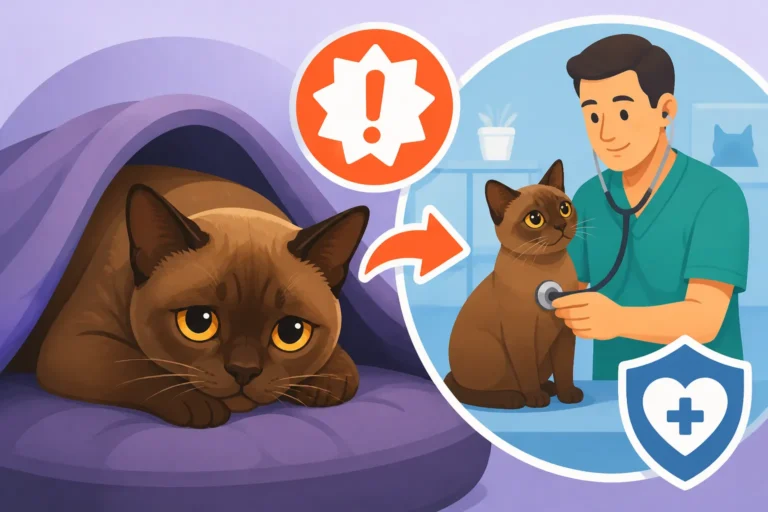
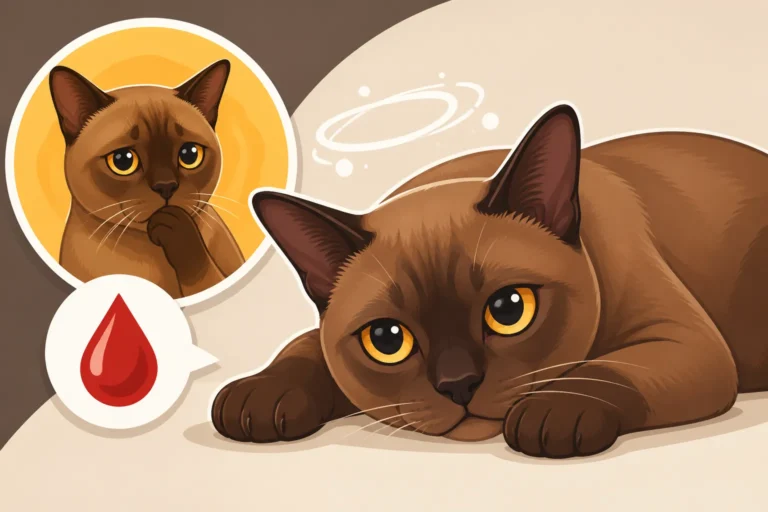
For Burmese cats, this isn't just a random dietary deficiency; it's often linked to a specific genetic mutation. This mutation causes episodes where their bodies struggle to maintain adequate potassium levels. Imagine a switch suddenly flicking off the power to your cat's legs and neck – that's often what it feels like for them. During a hypokalemic episode, a Burmese might display a classic "meerkat neck," where they can't lift their head properly and it often lolls forward. They might struggle to walk, showing a stiff, painful gait, or even collapse entirely. It’s an incredibly worrying sight for an owner, transforming an otherwise lively, affectionate cat into a fragile shadow of themselves. These episodes can be triggered by stress, excitement, or even strenuous exercise, which means even a playful afternoon could turn into a medical emergency. You can learn more about how the condition manifests by reading about How Hypokalemia First Shows in a Burmese Kitten and The Meerkat Neck That Tells You a Burmese Has Hypokalemia.
The Genetic Basis of Burmese Hypokalemia
The specific mutation responsible for this episodic weakness in Burmese cats is located in the WNK4 gene. This gene plays a crucial role in regulating kidney function, particularly in how the body handles potassium. When this gene is mutated, it disrupts the normal balance, leading to the episodes of low potassium. This condition is inherited in an autosomal recessive pattern. What this means, in plain language, is that a cat needs to inherit two copies of the faulty gene – one from each parent – to actually suffer from the disease. If a cat inherits only one copy, they won't typically show any symptoms themselves; they'll be what we call a "carrier." However, a carrier can pass that single faulty gene on to their offspring, which is where the prevalence of the mutation becomes a really big deal for breeders and potential owners alike. For a deeper dive into the specific gene, check out What the WNK4 Mutation Does in a Burmese.
The Prevalence of the Hypokalemia Mutation Among Burmese Cats
Now, to the heart of the matter: how many Burmese cats are actually carrying this insidious mutation? This is where the numbers can be quite eye-opening and underscore the critical importance of genetic testing. Research, particularly in certain geographical lines, has shown that the prevalence of the hypokalemia carrier gene can be surprisingly high.
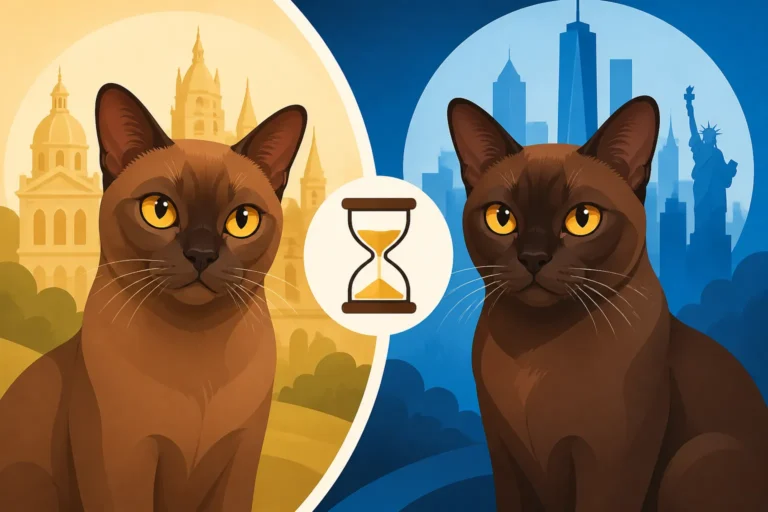
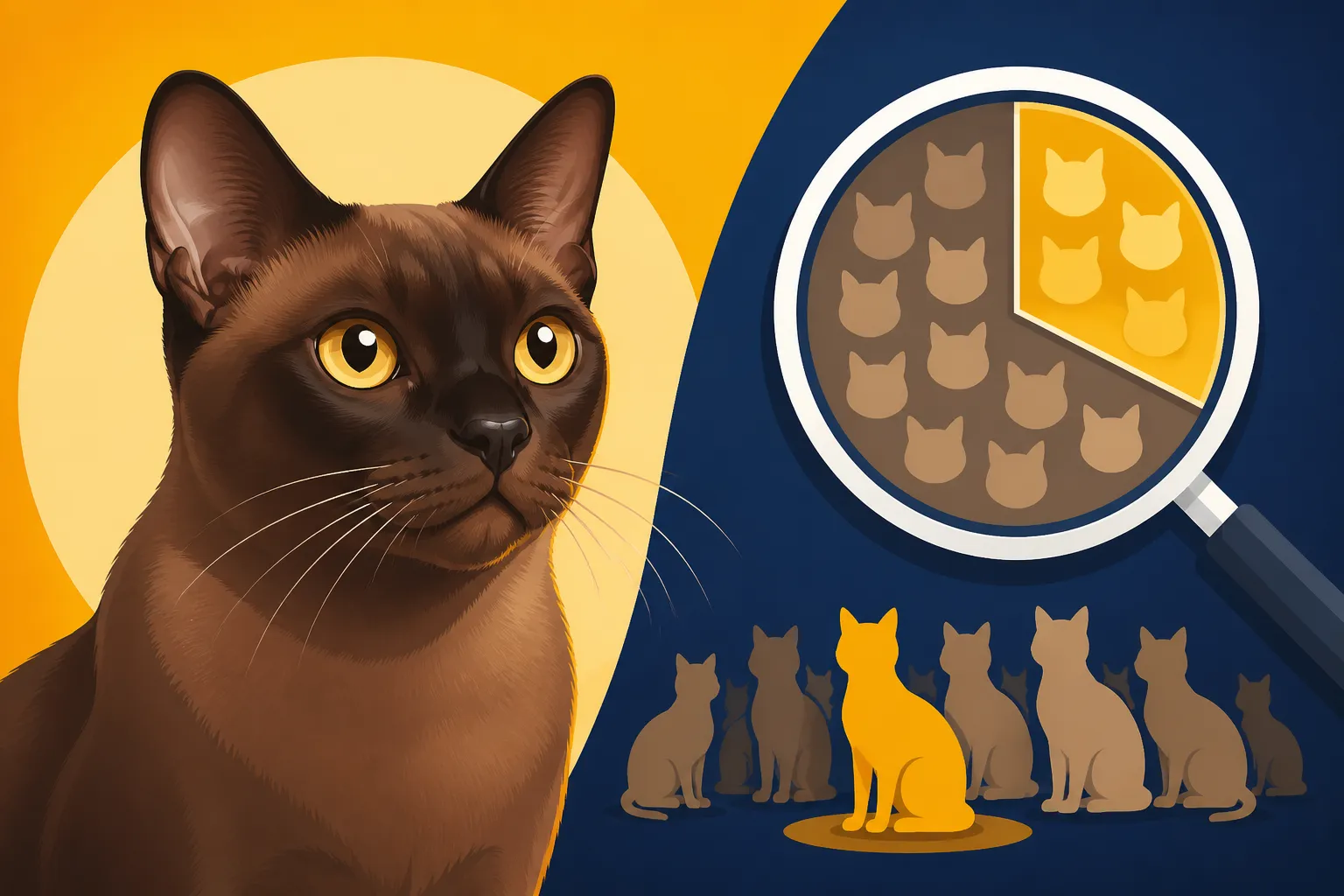
Studies have indicated that in some populations, particularly within the Australian and European Burmese lines, the percentage of carriers can be significant, sometimes estimated to be as high as 10-20% or even more in specific breeding lines that haven't been rigorously tested. This isn't a small, isolated issue; it’s a widespread concern that impacts a substantial portion of the breed's gene pool. The reason these numbers might seem high is due to what's known as the "founder effect" and historical breeding practices. When a breed originates from a small number of founding cats, any genetic mutations present in those original cats can become much more common as the breed develops. For the Burmese, as the breed gained popularity, the carrier gene, if present in founding lines, could have spread extensively before genetic testing became widely available.
It's crucial to understand that these numbers can vary wildly depending on the specific bloodlines, the continent, and how diligently breeders in a given area have worked to screen their cats. For example, some regions might have successfully reduced carrier rates through careful testing and selective breeding, while others might still have higher percentages if testing hasn't been consistently adopted. This variation means that while a general estimate can be given, it’s always about the individual cat and its specific lineage.
To put this into perspective, if 15% of Burmese cats are carriers, and you breed two carriers together (even if they appear perfectly healthy), there's a 25% chance that each kitten in that litter will inherit two copies of the faulty gene and thus be affected by hypokalemia. There's also a 50% chance each kitten will be a carrier, and only a 25% chance they will be completely clear. This highlights the severe responsibility breeders have and why knowing these statistics is so vital.
The Importance of Genetic Testing and Responsible Breeding
Given the prevalence of the hypokalemia mutation, genetic testing isn't just a recommendation; it's an absolute necessity for anyone involved with Burmese cats, whether you're a breeder, a rescue organization, or an individual considering purchasing a kitten. Genetic testing has revolutionized our ability to identify carriers before they are bred, preventing the heartbreaking outcome of affected kittens.
The test itself is remarkably simple and non-invasive, typically involving a quick cheek swab taken by a vet or directly by the breeder. This sample is then sent to a specialized laboratory, such as those that process results for genetic health panels, and the results will clearly indicate if a cat is "clear" (no mutation), a "carrier" (one copy of the mutation), or "affected" (two copies of the mutation). You can find more detailed information on How the Burmese Hypokalemia Test Is Read and even Why a Burmese Cheek Swab Is Enough. Understanding these results is paramount. A "carrier" cat is healthy and will never show symptoms of hypokalemia, but they can pass the gene to their offspring. This is why it's a golden rule in responsible breeding that Why Two Burmese Carriers Must Never Be Bred. Carriers should only ever be bred with "clear" cats to ensure no affected kittens are produced. This thoughtful approach ensures the continued health and wellbeing of the breed while maintaining genetic diversity.
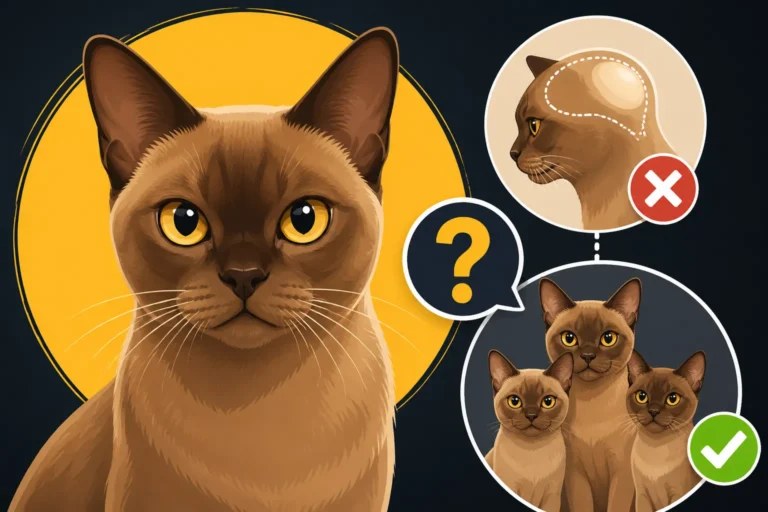
For a responsible breeder, genetic testing for hypokalemia, along with other known Burmese conditions like GM2 Gangliosidosis and Burmese Head Defect, should be a standard part of their screening protocol before any mating takes place. This information should be readily available and transparent to prospective buyers. Don't be shy about asking your breeder to show you the official test results for both parent cats. It’s part of the extensive due diligence a good breeder undertakes. For more on what to look for, explore What a Burmese Breeder Must Test Before Any Mating. If you're considering adopting a rescue Burmese, it's still a good idea to have them tested, especially if their background is unknown, as outlined in Why a Rescue Burmese Should Still Be Tested. While some pet insurance providers like Healthy Paws may cover treatments for genetic conditions if they develop, preventative testing helps avoid the situation entirely.
| Burmese Hypokalemia Genetic Status | Genetic Makeup | Symptoms Displayed? | Breeding Recommendation |
|---|---|---|---|
| Clear | NN | No | Can be bred with Clear or Carrier |
| Carrier | N/WNK4 | No (generally) | Only bred with Clear cats |
| Affected | WNK4/WNK4 | Yes | Should not be bred |
Living with a Hypokalemia Carrier or Affected Cat
If your Burmese cat is identified as a hypokalemia carrier, there's no need for alarm. These cats are generally healthy and live full, normal lives without ever experiencing symptoms of the disease. The carrier status is purely relevant for breeding purposes. Your focus as an owner of a carrier should simply be to ensure they are never bred, to prevent passing on the mutation. If you have any doubts about handling a carrier in a multi-cat household or with an intact cat of the opposite sex, speak to your vet about spaying or neutering.
For the rare and unfortunate event that you find yourself with an affected Burmese, management is key. While the condition can be serious, it is often treatable. The primary treatment involves potassium supplementation, usually given orally. This helps to stabilize their potassium levels and prevent or reduce the severity of hypokalemic episodes. It's a condition that requires careful monitoring and a close working relationship with your veterinarian. They might need regular blood tests to ensure potassium levels are within a healthy range. With consistent care and appropriate supplementation, many affected Burmese cats can go on to live a remarkably good quality of life, as highlighted in Whether a Hypokalemic Burmese Lives a Normal Life. Managing a chronic condition like this can be an ongoing expense, and having pet insurance from a provider like Healthy Paws could offer peace of mind by helping to cover the costs of vet visits, medications, and diagnostic tests.
Understanding the prevalence of the hypokalemia mutation within the Burmese breed empowers both breeders and owners to make informed decisions that prioritize the health and happiness of these wonderful companions. By embracing genetic testing and responsible breeding practices, we can continue to cherish the Burmese cat while actively working to reduce the incidence of this challenging condition.
Disclaimer
This article is intended for informational purposes only and does not constitute veterinary advice. Always consult with a qualified veterinarian for any health concerns or before making any decisions about your pet's health or treatment.