Why a Withdrawn Burmese Should See a Vet That Day
It’s a truly frightening experience when your usually boisterous, shadow-following Burmese suddenly starts to withdraw, finding quiet corners and refusing to engage. This sudden shift from their typical "Velcro cat" personality isn't just a mood swing; it's often a critical alarm bell signaling an underlying health issue that demands immediate veterinary attention. This guide will walk you through understanding why a withdrawn Burmese is such a serious concern and what steps you need to take right away.
Understanding the Burmese Nature
Burmese cats are truly unique, aren't they? They aren't just pets; they're family members who embed themselves deeply into your daily life. When that vibrant personality dims, it's not only heartbreaking but a strong indicator that something is amiss.
The Unmistakable Social Butterfly
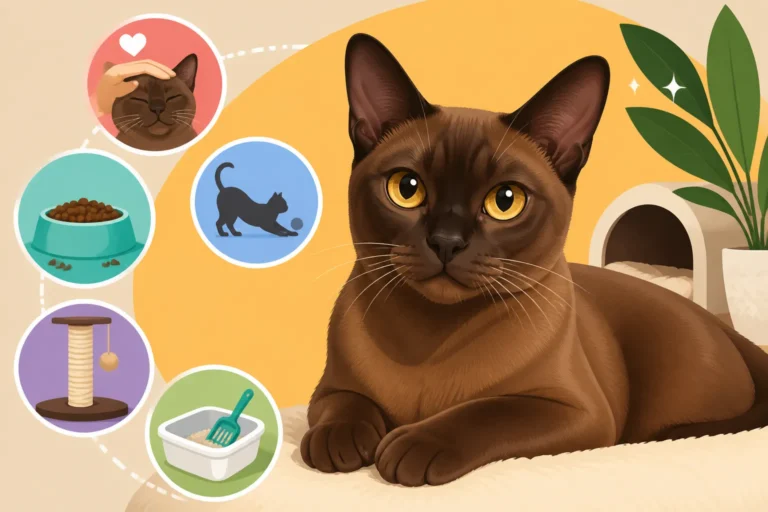
If you live with a Burmese, you know exactly what I mean by a "Velcro cat." They are renowned for their intensely affectionate, people-oriented nature. They're often described as having a dog-like devotion, following you from room to room, sitting on your shoulder, and insisting on being part of whatever you're doing. This isn't just a breed trait; it's a fundamental part of their being. A happy Burmese thrives on interaction, purrs through your conversations, and will quite literally sit on your reading material if it means getting your attention. This constant presence, their characteristic The Burmese Is the Velcro Cat of the Cat Fancy, is what makes their sudden withdrawal so jarring. They're not aloof by nature; they're designed for companionship.
Why a Burmese Hides Illness Behind Its Affection
Here's the tricky part, and honestly, it's one of the most challenging aspects of being a Burmese owner: these cats are masters of disguise when it comes to illness. They possess an incredible instinct to hide pain or discomfort, a leftover trait from their wild ancestors who couldn't afford to show weakness. A Burmese might be feeling profoundly unwell, yet still seek out your lap or offer a purr, almost as if trying to reassure you (and themselves) that everything is fine. This can make it incredibly difficult to spot when they're truly suffering. The problem arises when even this strong drive for affection falters. If a cat known for its relentless pursuit of cuddles suddenly opts for solitude, it means the discomfort or illness has reached a level they can no longer mask, overriding their very core nature. It’s why a deep understanding of Why a Burmese Hides Illness Behind Its Affection is so crucial.
Signs of a Happy, Engaged Burmese
To truly understand withdrawal, we first need to recall what a healthy, engaged Burmese looks like. Imagine your typical day: your Burmese greets you at the door, perhaps with a soft rumble. They likely Why a Burmese Rides on Your Shoulder or drapes themselves across the back of your chair, always within touching distance. Playtime is enthusiastic, often involving games of fetch where they actually bring the toy back to you. Their appetite is usually robust, and they'll never hesitate to remind you it's mealtime, perhaps with their distinctive The Rasping Rumble a Burmese Uses Instead of a Meow. They're curious, exploring new bags or visitors with a friendly, outgoing demeanor. A truly content Burmese will often sleep against you or another pet, seeking warmth and closeness. These are the behaviors that, when absent, truly signal a deviation from their normal, happy self.
The Alarming Shift: What Withdrawal Looks Like
When your Burmese, a creature of habit and intense attachment, starts to deviate from these norms, it's a profound signal. This isn't just "being quiet"; it's a fundamental change in their interaction with their world and with you.
Subtle Changes You Might Miss
Sometimes, the initial signs of withdrawal can be incredibly subtle, easily dismissed as a cat just having a lazy day. You might notice your Burmese isn't quite as quick to greet you at the door. Perhaps they still jump on your lap, but they don't settle in with the same intense purr or nuzzle their head into your hand like they usually do. Their appetite might not disappear entirely, but you might notice they're Why a Burmese Never Stops Asking for Food with less urgency, or even leave a few bites in the bowl. Maybe they're still playing, but for shorter bursts, and they don't seem as invested in the chase. You might find them sleeping in slightly more secluded spots than usual, perhaps under a bed or in a closet, rather than sprawled out in the middle of the living room or on your pillow. Their grooming habits might also change; an unwell cat might groom less, leading to a duller coat, or conversely, over-groom certain painful areas. These small shifts, especially if persistent for more than a day, are the quiet whispers before the shout.
Overt Signs Demanding Immediate Attention
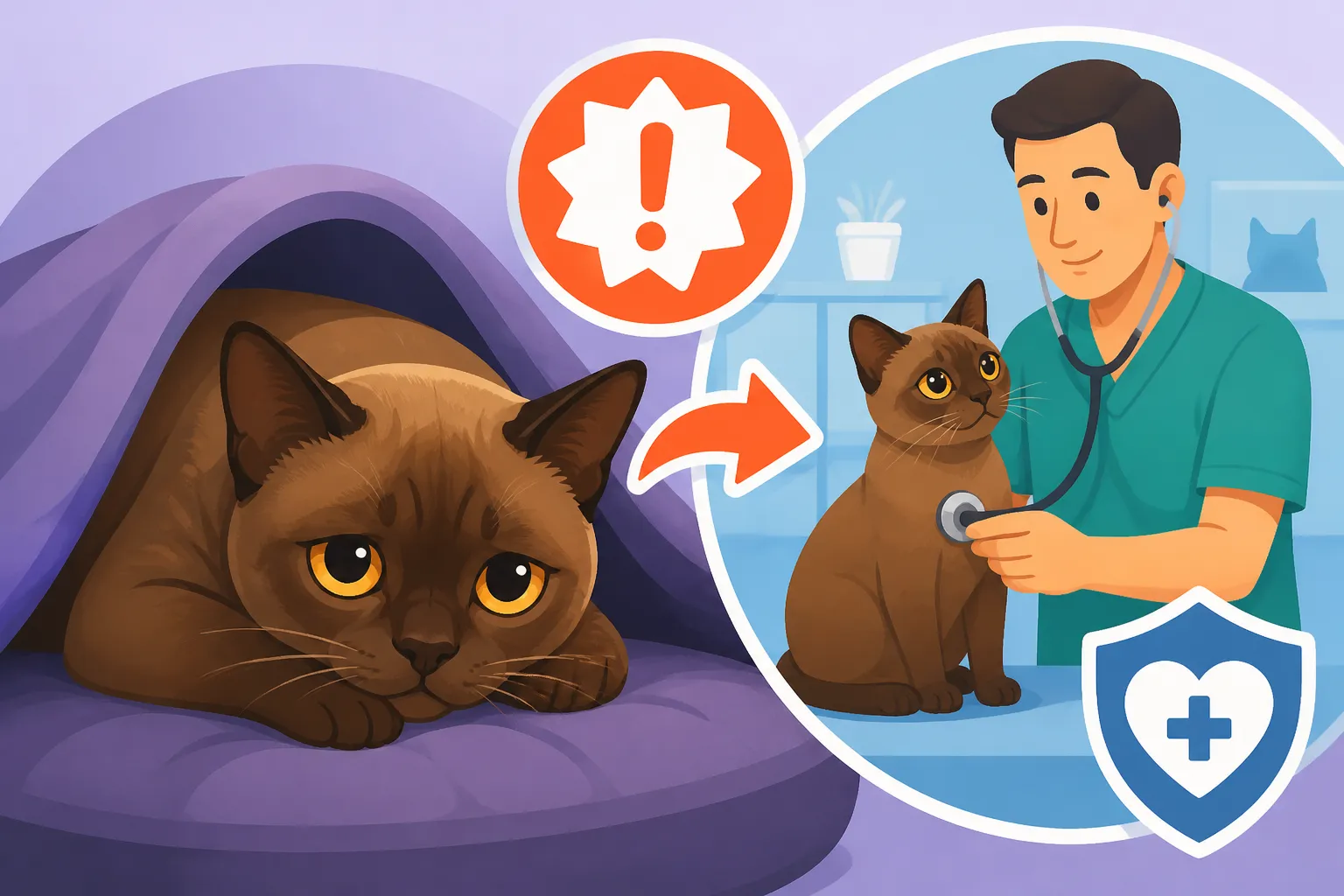
While subtle changes are important to note, some signs of withdrawal are blatant distress signals that scream "vet visit now!" If your Burmese is actively avoiding you, not even coming for food when called, or refusing their favorite treats, that's a huge red flag. A cat that stops following you, particularly a Burmese known for being your shadow, indicates a serious issue. Why a Burmese That Stops Following You Is Unwell is a sign that their basic drive for companionship is overridden by discomfort. Extreme lethargy, where they're barely moving, seem unresponsive, or take a long time to react to your presence, is another critical sign. Hiding for prolonged periods, especially in dark, inaccessible places, means they are actively trying to self-preserve and hide their distress from you, signaling profound discomfort or pain. Vomiting, diarrhea, straining to urinate, or difficulty breathing, alongside withdrawal, are veterinary emergencies. Any vocalization that isn't their normal rumble, such as persistent meowing in an unusual tone, hissing, or growling when touched, could indicate pain. Pay close attention to their water intake; Why a Burmese's Water Intake Is a Diabetes Warning, and increased thirst combined with withdrawal could point to serious conditions like diabetes or kidney issues.
Differentiating Normal Napping from Concerning Lethargy
Cats, in general, are champion nappers, and Burmese are no exception. They love their naps! So, how do you tell if your beloved companion is just enjoying a siesta or genuinely lethargic and unwell? The key lies in their responsiveness and the context of their sleep. A healthy Burmese, even when deeply asleep, will usually rouse easily if you call their name, crinkle a treat bag, or enter the room. They might stretch, yawn, and then either come to greet you or settle back down after acknowledging your presence. They'll shift positions comfortably, perhaps seeking out a sunny spot or your lap.
Lethargy, on the other hand, is a different beast. A lethargic Burmese will appear unusually sleepy, even sluggish. They might take longer to respond to your voice or touch, or barely stir at all. When they do move, their movements might be slow, stiff, or uncoordinated. They won't seem interested in engaging in normal activities like play, eating, or grooming, even if you try to entice them. They might remain in the same position for extended periods, or seek out unusual, isolated spots to rest. It's not just "sleeping more"; it's a marked decrease in their energy, their alertness, and their usual vibrant engagement with their environment. If you notice this kind of deep, unresponsive sleep combined with other signs of withdrawal, it's time to act.
Here’s a quick comparison to help you distinguish:
| Characteristic | Normal Napping | Concerning Lethargy |
|---|---|---|
| Responsiveness | Wakes easily to sound/touch, acknowledges you. | Slow to respond, barely stirs, seems disoriented. |
| Position | Comfortable, often in a social or sunny spot. | Unchanging, may be in an unusual, hidden, or tense position. |
| Engagement | Will play/eat after waking, normal appetite. | No interest in food, play, or interaction. |
| Movement | Smooth, stretches, jumps easily. | Slow, stiff, hesitant, possibly unbalanced. |
| Overall Demeanor | Relaxed, purrs when approached, content. | Withdrawn, uninterested, may hide or avoid contact. |
The Urgent Need for Veterinary Intervention
When a Burmese starts to withdraw, it’s not a situation for "waiting it out." Their natural tendency to hide illness means that by the time you see clear signs, the underlying condition could be advanced.
Why "Wait and See" Is Dangerous for a Burmese
I cannot stress this enough: waiting is detrimental when a Burmese shows signs of withdrawal. Their instinct to mask illness means that what appears as a minor change to us could be a significant problem internally. A common scenario I hear is owners saying, "I thought he was just grumpy" or "She seemed a bit quiet, but then she purred, so I figured she was fine." Unfortunately, that purr or brief moment of affection could be their last attempt to cling to normalcy while their body is struggling. Conditions like What Diabetes Looks Like in a Burmese, kidney disease, or even something as acute as How Hypokalemia First Shows in a Burmese Kitten can progress rapidly. The sooner a diagnosis is made, the better the prognosis and the less invasive the treatment often needs to be. Delaying a vet visit by even a day or two can turn a manageable condition into a critical one. This is why for a Burmese, especially, an immediate vet consultation is non-negotiable when withdrawal is observed.
Common, Serious Conditions Behind Withdrawal
A myriad of health issues can cause a Burmese to withdraw. Since they can't tell us what's wrong, we have to consider the possibilities and let the vet investigate.
- Diabetes: As a breed, Burmese cats have a significantly higher risk of developing diabetes. If your Burmese is withdrawn, drinking more, urinating more, and losing weight despite eating, it could be a classic sign of diabetes. Early diagnosis and management are crucial, and a brand like Healthy Paws, which offers pet insurance, can help manage the long-term costs associated with chronic conditions like this, though it's always best to check their policy details regarding pre-existing conditions.
- Kidney Disease: This is common in older cats, but can affect any age. A cat with How Kidney Disease Arrives in an Old Burmese might become withdrawn, drink more water, have a poor appetite, and experience nausea.
- Hyperthyroidism: Often seen in senior Burmese cats, an overactive thyroid can lead to weight loss despite a ravenous appetite, but can also cause lethargy, weakness, and withdrawal, especially in later stages. Why Hyperthyroidism Catches an Older Burmese usually after the age of seven.
- Hypokalemia: This is a genetic condition unique to the Burmese breed, causing episodes of low potassium that lead to muscle weakness. A cat experiencing a hypokalemic episode might be withdrawn, struggle to hold its head up (the "Meerkat neck"), or walk stiffly.
- Pain: Whether from an injury, arthritis (How Arthritis Shows in a Burmese That Still Plays), dental issues (Why a Burmese's Gums Recede Early), or an internal ailment, pain is a major cause of withdrawal. A cat in pain will often try to hide and avoid being touched.
- Infections: Bacterial or viral infections can cause fever, lethargy, loss of appetite, and withdrawal.
- Gastrointestinal Upset: Severe vomiting or diarrhea can cause dehydration and profound lethargy, leading to withdrawal.
- Heart Disease: Though less common in Burmese than some other breeds, heart conditions can lead to lethargy, difficulty breathing, and a general lack of energy. Whether the Burmese Gets HCM is a question many owners ask.
- Cancer: Unfortunately, like all living creatures, Burmese can develop cancer, which can manifest as weight loss, lethargy, and withdrawal.
This isn't an exhaustive list, but it highlights why professional medical assessment is essential.
Preparing for Your Emergency Vet Visit
When you notice your Burmese withdrawing, it's natural to feel anxious, but taking swift action is the best thing you can do.
- Call Ahead: As soon as you suspect something is seriously wrong, call your vet's office. Tell them you have a Burmese cat that is withdrawn and describe any other symptoms you've observed. This allows them to prepare for your arrival and potentially triage your cat as an emergency.
- Gather Information: The more details you can provide, the better. When did the withdrawal start? What other symptoms have you seen (vomiting, diarrhea, changes in drinking/eating, hiding, vocalizing)? Has there been any recent changes in their diet, environment, or routine? When was their last How Often a Healthy Adult Burmese Needs Checking? Mention any chronic conditions they have or medications they are on.
- Transport Safely: Use a secure carrier to transport your cat. For a withdrawn cat, minimizing stress is key. You might want to cover the carrier with a towel to create a darker, quieter space. If your cat is unusually weak, you might need help gently coaxing them into the carrier.
- Consider Your Financials: Emergency vet visits can be costly, and it’s a burden no one wants to think about when their pet is ill. This is where pet insurance, like a plan from Healthy Paws, can be invaluable. While it won't cover pre-existing conditions, having a policy in place for unexpected emergencies or new diagnoses can provide immense peace of mind. It’s always a good idea to research options before an emergency hits, to understand what is covered.
- Be Patient and Honest: During the examination, be completely honest with your vet about everything you've observed, no matter how small or insignificant it may seem. Your vet will perform a thorough physical exam and likely recommend diagnostic tests, such as bloodwork (Which Blood Panel a Burmese Should Have Yearly), urinalysis, or imaging, to get to the root of the problem. Trust their expertise; they are working to help your beloved Burmese.
Remember, your Burmese relies on you to be their advocate. When they withdraw, they are telling you, in the most profound way they can, that they need your help. Acting quickly can make all the difference in their recovery and longevity.
Disclaimer
This article is for general informational purposes only and does not constitute professional advice. Laws, prices and regulations vary by location and change over time. Consult a qualified professional for guidance on your specific situation.