Whether the Burmese Carries PKD
One of the biggest worries for any devoted cat parent is the thought of their beloved feline companion falling ill, especially with a silent, progressive disease. When you bring a specific breed like the Burmese into your home, it's only natural to wonder if they come with any unique health predispositions. Many people fret about Polycystic Kidney Disease, or PKD, wondering if their playful, affectionate Burmese might be at risk. This guide will walk you through what PKD is, whether it's genuinely a concern for the Burmese cat breed, and how you can best safeguard your furry friend's kidney health throughout their long, happy life.
Understanding Polycystic Kidney Disease in Cats
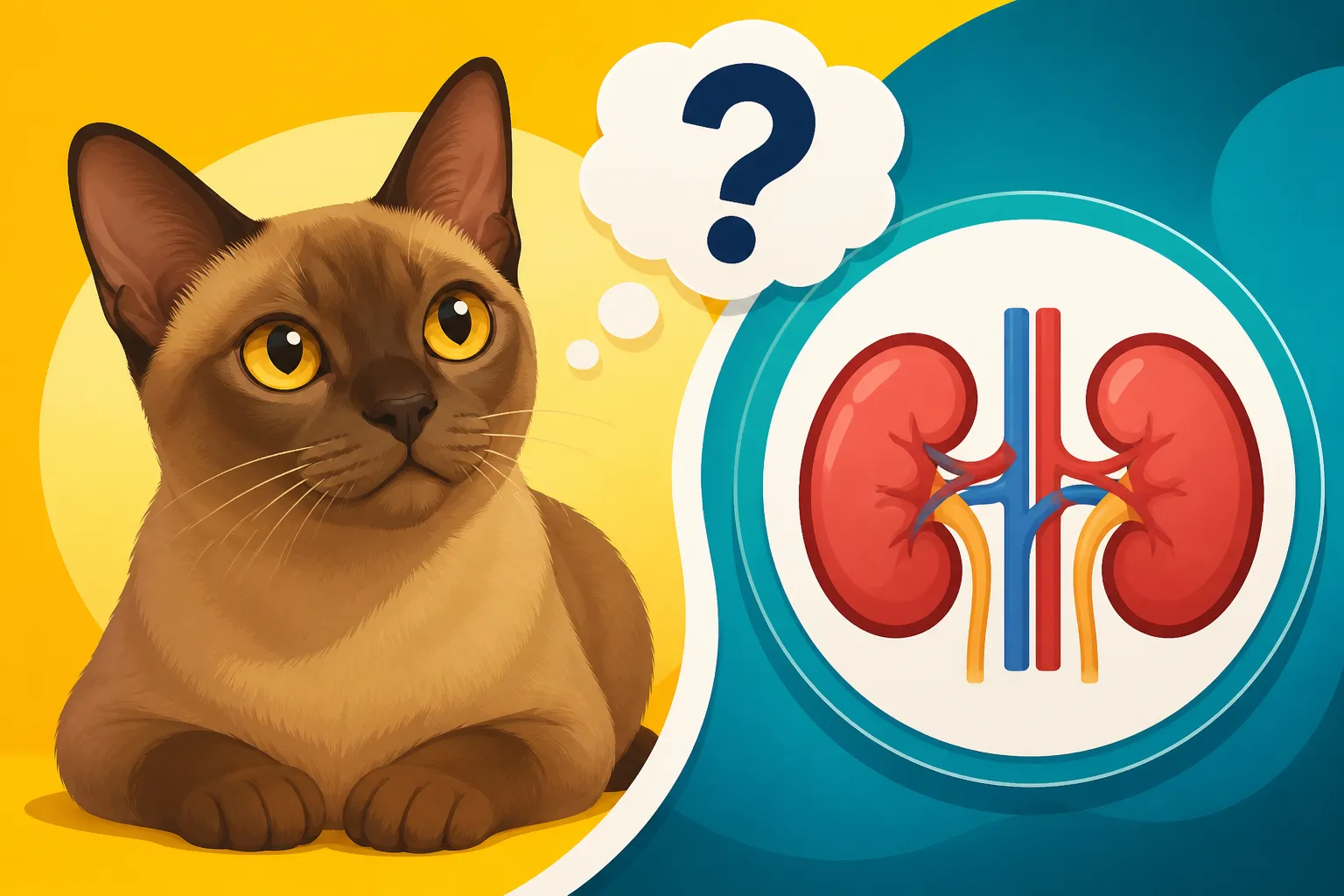
Let's start by demystifying Polycystic Kidney Disease, or PKD. This isn't just a vague term; it's a specific, inherited genetic disorder that primarily affects certain cat breeds. In simple terms, PKD causes fluid-filled cysts to form and grow within the kidneys. These aren't just harmless little bubbles; over time, these cysts multiply and enlarge, gradually crowding out healthy kidney tissue. As the healthy tissue is replaced by cysts, the kidneys become less and less able to do their vital job of filtering waste products from the blood, ultimately leading to kidney failure.
How PKD Develops and Progresses
The development of PKD is a slow, insidious process. Kittens are born with tiny, microscopic cysts, but these cysts typically grow in size and number as the cat ages. For a long time, the cat might show no outward signs of illness at all, making it a truly 'silent' disease in its early stages. This is often where the anxiety for owners comes in, as you might not know there's a problem until it's quite advanced. The rate at which the disease progresses can vary wildly between individual cats, even within the same breed. Some cats might live many years with only a few small cysts, never experiencing significant kidney impairment, while others might develop severe kidney disease at a much younger age. It's a cruel lottery.
The symptoms, when they do appear, are usually those of chronic kidney disease, which can include increased thirst and urination, loss of appetite, weight loss, lethargy, and vomiting. Imagine your once energetic cat becoming withdrawn and less interested in food; it’s heartbreaking. Because these signs are non-specific and can indicate many different health issues, diagnosing PKD accurately requires specific testing, often including ultrasound imaging to visualize the cysts, and genetic testing to confirm the presence of the responsible gene mutation.
Breeds Predisposed to PKD
Now, here's where we get to the crux of your concern regarding the Burmese. When we talk about genetic PKD, we are almost exclusively referring to Autosomal Dominant Polycystic Kidney Disease (AD-PKD), which is caused by a specific mutation in the PKD1 gene. This particular mutation is overwhelmingly found in Persian cats and breeds derived from Persians, such as Himalayans, Exotic Shorthairs, British Shorthairs, and Scottish Folds. For these breeds, the prevalence can be quite high if breeders aren't diligently testing. It's truly a tragedy for the cats and their owners when this isn't properly managed through responsible breeding.
The Burmese and Polycystic Kidney Disease
So, does the Burmese cat carry this specific PKD1 gene mutation that causes AD-PKD? This is the most important question for any prospective or current Burmese owner. The good news is that, based on extensive research and genetic studies, the Burmese breed is generally not known to be predisposed to the specific genetic form of Polycystic Kidney Disease (AD-PKD) caused by the PKD1 mutation. This particular genetic defect is simply not part of the Burmese genetic lineage.
Breed-Specific Genetic Health Considerations
While it’s a huge relief to know that AD-PKD isn't a Burmese concern, it's crucial to understand that every breed has its own unique set of genetic predispositions. For the Burmese, other genetic health issues are more pertinent, such as hypokalemia or even a higher propensity for certain conditions like diabetes. This is why a reputable breeder will always provide information on tests specific to their breed. You should always ask a breeder, "What a Burmese breeder must test before any mating?" to ensure they're being thorough.
This distinction is vital because sometimes the term "kidney disease" can be used broadly. While a Burmese cat can certainly develop chronic kidney disease (CKD) as they age, just like any other cat breed or even humans, this is typically not the genetic, cystic form. CKD in older cats is more commonly a result of aging, wear and tear, or other underlying health issues, rather than the specific inherited disorder known as PKD. It’s important to understand this difference so you’re focusing your worries and your preventative care efforts on the right things. Thinking about the long haul, you'll find plenty of resources on Caring for a Burmese Past Twelve as they approach their senior years, where general kidney health often becomes a more significant factor.
Genetic Testing for the Burmese
Because AD-PKD is not a recognized issue for the Burmese, specific genetic testing for the PKD1 gene mutation is generally not performed or recommended for this breed. There's simply no need to test for something that isn't present in the breed's gene pool. This saves breeders and owners from unnecessary worry and expense.
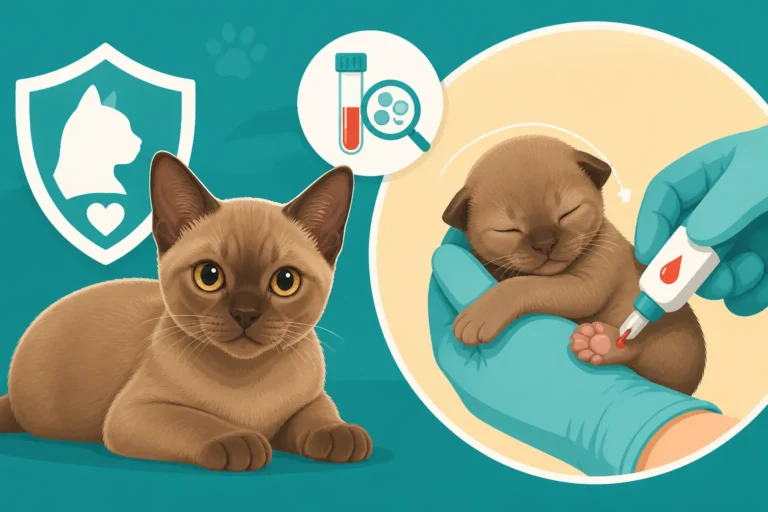
However, this doesn't mean genetic testing is irrelevant for Burmese cats. Reputable breeders will still conduct a full Burmese DNA panel for other inherited conditions. For instance, How much a full Burmese DNA panel costs can vary, but it's a worthwhile investment to screen for known Burmese genetic health concerns. These tests help ensure that the breeding lines are clear of issues that do affect the breed, promoting the health and longevity of future generations. If you’re ever curious about specific results, remember that Why a Burmese cheek swab is enough for most DNA testing, making the process simple and stress-free for your cat.
General Kidney Health for Your Burmese Cat
Even without the threat of genetic PKD, ensuring your Burmese cat's kidney health is paramount. Just like humans, a cat's kidneys are vital organs that can be impacted by age, diet, hydration, and other medical conditions. Proactive care is truly the best defense.
The Role of Diet and Hydration
One of the most significant things you can do for your Burmese's kidney health is to provide an optimal diet, rich in moisture. Cats are naturally designed to get most of their hydration from their food. Unfortunately, many commercial dry kibbles are very low in moisture, forcing cats to drink more to compensate – and many cats simply don't drink enough. This chronic, mild dehydration can put extra strain on the kidneys over years.
This is why feeding a high-quality, high-protein, low-carbohydrate wet food is often recommended for Burmese cats. Not only does it help keep them hydrated, but it also supports their muscular physique and can help manage weight, which is another crucial factor for overall health. A proper diet is so important that Feeding a Burmese is a medical decision, not a preference is a statement many experienced owners and vets stand by. For a breed that already has a Why a Burmese is four times more likely to become diabetic, managing their diet is doubly critical. Ensure fresh water is always available in multiple locations, perhaps even trying a cat fountain to encourage drinking. Any significant change in their water intake, like suddenly drinking more, should prompt a visit to the vet, as Why a Burmese drinking more needs testing that week could be a sign of underlying issues.
Regular Veterinary Check-ups and Monitoring
Regular veterinary check-ups are non-negotiable for maintaining good kidney health. For younger Burmese cats, these annual visits establish a baseline of health. As your Burmese ages, typically around seven years old, your vet might recommend starting to include routine bloodwork that specifically monitors kidney function. This usually involves checking creatinine and BUN levels, as well as urine specific gravity. These tests can catch subtle changes in kidney function long before your cat shows any outward symptoms.
It's also worth noting that the Burmese cat is incredibly adept at hiding illness, often purring and demanding attention even when they're not feeling well. This unique trait means you, as their dedicated owner, need to be extra vigilant. Learn to recognize Why a Burmese hides illness behind its affection so you can catch issues early. When a Burmese counts as senior, usually around 10-12 years, your vet appointments may become more frequent, often bi-annually, to keep a close eye on all their vital systems, especially their kidneys. This proactive approach can make a world of difference in your cat's quality of life and longevity.
Here's a quick comparison of genetic PKD and general Chronic Kidney Disease (CKD) in cats:
| Feature | Polycystic Kidney Disease (PKD) | Chronic Kidney Disease (CKD) |
|---|---|---|
| Cause | Inherited genetic mutation (PKD1 gene) | Multifactorial: aging, genetics, injury, infection, toxins, other diseases |
| Primary Affected Breeds | Persians and Persian-derived breeds (Himalayans, Exotic Shorthairs) | All cat breeds, especially senior cats |
| Pathology | Cysts form and grow in kidneys, replacing healthy tissue | Progressive loss of kidney function due to damage, scarring, or inflammation |
| Onset of Symptoms | Can be late-onset, even though cysts are present from birth | Gradual onset, often in older cats (7+ years) |
| Diagnostic Methods | Ultrasound for cysts, genetic test (PKD1 mutation) | Blood tests (BUN, creatinine, phosphorus), urine tests (specific gravity, protein) |
| Preventative Breeding | Genetic screening for PKD1 mutation is crucial in at-risk breeds | Not specifically preventable through genetic screening for CKD itself; focus on general health |
| Burmese Relevance | NOT a primary concern; Burmese are not genetically predisposed | Can affect Burmese, especially as they age; common age-related condition |
Managing Kidney Health Costs
Let's be realistic – managing any chronic health condition, including kidney disease, can be expensive. From prescription diets to regular vet visits, blood tests, and potentially medications, the costs can add up quickly. This is where comprehensive pet insurance can be a real lifesaver. Companies like Healthy Paws offer policies that can help cover these expenses, allowing you to make medical decisions based on what's best for your cat, not just your wallet.
While the Burmese is generally a robust breed and How long a Burmese lives can be sixteen to eighteen years, unforeseen medical issues can arise. Having a plan in place, like a good insurance policy from a provider such as Healthy Paws, can provide immense peace of mind. It’s always a good idea to consider pet insurance when your cat is young and healthy, before any pre-existing conditions develop. This ensures the broadest possible coverage should issues like How kidney disease arrives in an old Burmese become a reality. A thorough annual blood panel, which your vet can discuss with you, is a good way to monitor overall health. You can discuss the Which blood panel a Burmese should have yearly with your vet, including tests for kidney markers, to keep ahead of any potential problems. Healthy Paws, and similar providers, can help offset the costs of these routine screenings and any necessary treatments.
The Bigger Picture: A Lifetime of Health
Ultimately, while the specific concern of genetic PKD can be confidently put to rest for your Burmese, the broader commitment to their kidney health remains. This breed is known for its incredible affection and resilience, but they rely entirely on us for their well-being. By focusing on excellent nutrition, encouraging hydration, maintaining a healthy weight through Why portion control is medical care in a Burmese, and ensuring regular veterinary care, you are setting your Burmese up for the best possible chance at a long, healthy life.
Remember, early detection of any health issue is always key. If you notice subtle changes in your Burmese's behavior, appetite, or litter box habits, don't hesitate to consult your veterinarian. They are your best partner in ensuring your cherished companion stays vibrant and healthy for many years to come.
Disclaimer
This article is intended for informational purposes only and does not constitute veterinary advice. Always consult with a qualified veterinarian for any health concerns or before making any decisions about your pet's medical care.