How the Burmese Hypokalemia Test Is Read
It's incredibly unsettling when you first hear about a genetic condition like hypokalemia that can affect your beloved Burmese cat. The worry, the confusion, and the sheer number of medical terms can feel overwhelming, leaving you wondering how to even begin understanding it all. This guide is here to cut through the jargon, clearly explaining exactly what the Burmese hypokalemia test is, how it's performed, and most importantly, how to interpret those vital results so you can make informed decisions for your furry family member.
Understanding Hypokalemia in Burmese Cats
First, let's talk about what hypokalemia actually is in a Burmese cat. It's not just a general low potassium issue; it's a specific, inherited condition known as hypokalemic polymyopathy. Imagine your cat's muscles suddenly feeling weak, almost like they can't quite hold themselves up. That's the hallmark of an episode. It's a truly heartbreaking sight for any owner, watching their vibrant, active cat struggle with something so fundamental as movement.
The Impact of Low Potassium on Muscles
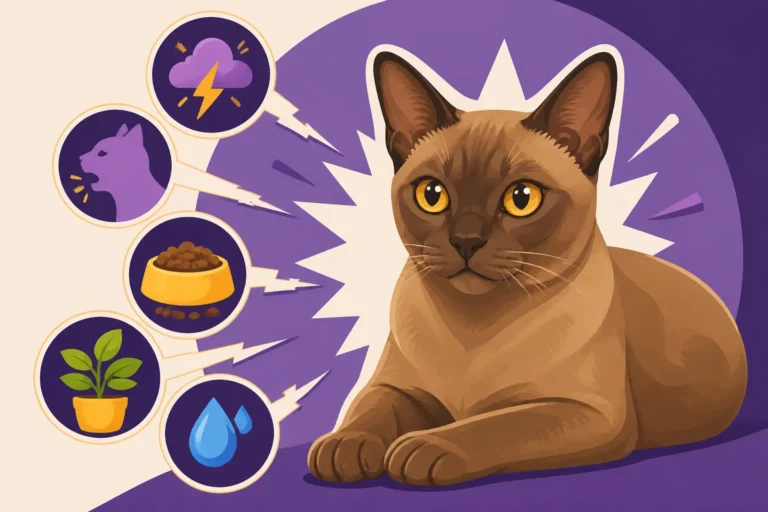
The core problem in hypokalemia is a dangerously low level of potassium in the blood. Potassium is absolutely essential for proper muscle and nerve function. When levels drop too low, especially during periods of stress, illness, or even intense play, the muscles simply can't function as they should. This isn't just about feeling tired; it can manifest in very visible, distressing ways. We're talking about profound muscle weakness that can affect the entire body, making simple tasks like walking or even holding their head up incredibly difficult.
It's one of those silent threats that can sneak up on you. You might notice your cat moving a bit stiffly, or maybe not jumping as high as usual. Then, during a more severe episode, you might see them struggling to even lift their head, a classic sign often referred to as a "The Meerkat Neck That Tells You a Burmese Has Hypokalemia". This weakness is generalized, meaning it can affect all skeletal muscles, which is why it's so debilitating. The muscle cells aren't getting the necessary electrical signals to contract and relax properly, leading to that profound flaccidity and distress.
Why the Burmese Is Susceptible
Now, you might be wondering why this particular breed seems to be more prone to such a specific condition. It boils down to genetics. The Burmese cat carries a specific mutation in a gene called WNK4. This gene is crucial for regulating potassium levels within the body. When a cat inherits two copies of this faulty gene, their body struggles to maintain normal potassium balance, making them highly susceptible to hypokalemia. It's not something they can catch or something you can prevent purely through diet; it's hardwired into their DNA.
The good news is that because we understand the genetic basis of this condition, there's a specific test to identify it. This allows breeders to make responsible decisions and owners to be prepared, even for "How Hypokalemia First Shows in a Burmese Kitten". Knowing your cat's genetic status is a powerful tool in preventing suffering and ensuring the best possible quality of life for your beloved companion. This inherited predisposition highlights why genetic testing isn't just a suggestion for Burmese owners, but a vital part of responsible care and breeding.
The Science Behind the Hypokalemia Test
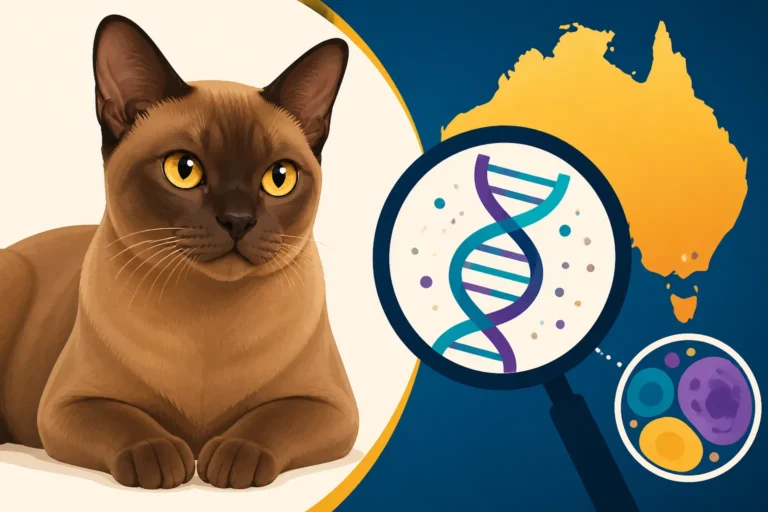
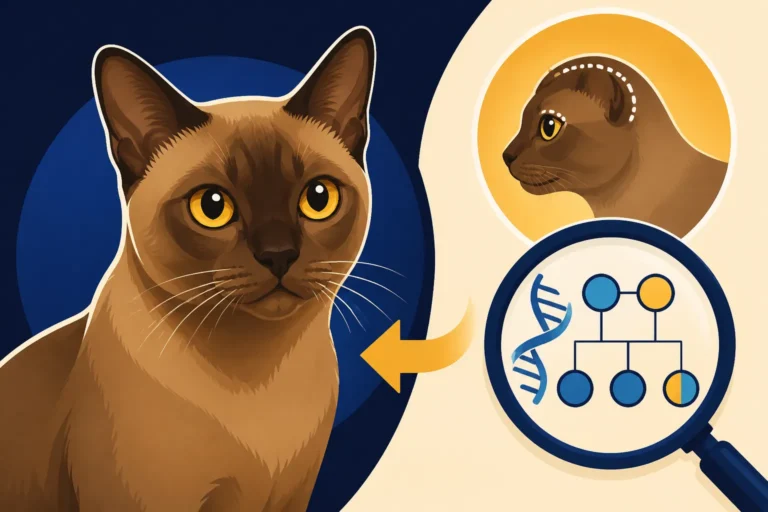
The hypokalemia test for Burmese cats isn't just a general blood test measuring potassium levels, though those are important during an actual episode. This is a specific DNA test, designed to look directly at your cat's genetic code for the presence of the known mutation. It’s like searching for a single misspelled word in a very long book – incredibly precise and telling.
The WNK4 Gene and Its Mutation
At the heart of this test is the WNK4 gene. In healthy cats, the WNK4 gene plays a critical role in how the kidneys regulate electrolytes, including potassium. Think of it as a finely tuned thermostat for potassium levels. However, in Burmese cats susceptible to hypokalemia, there's a specific mutation within this gene. This mutation disrupts the normal function of the WNK4 protein, leading to the body's inability to properly reabsorb potassium from the kidneys, resulting in excessive potassium loss and, consequently, low blood potassium levels.
This particular mutation is well-documented, and scientists have isolated the exact genetic marker. This is why the test is so accurate; it's not looking for symptoms, but for the direct cause within the cat's blueprint. Understanding "What the WNK4 Mutation Does in a Burmese " truly underlines the importance of this genetic test. It's a recessive gene, meaning a cat needs two copies of the mutated gene to actually show symptoms of the disease. However, even one copy can make a cat a "carrier," which has significant implications for breeding.
Why a DNA Test is Essential
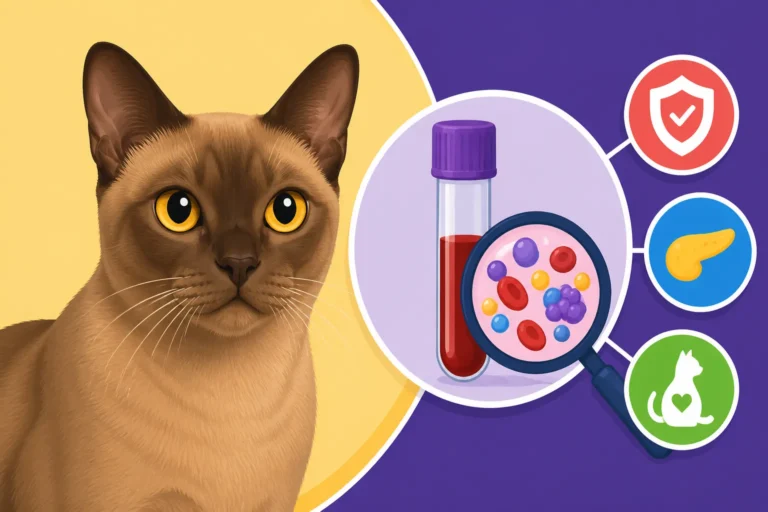
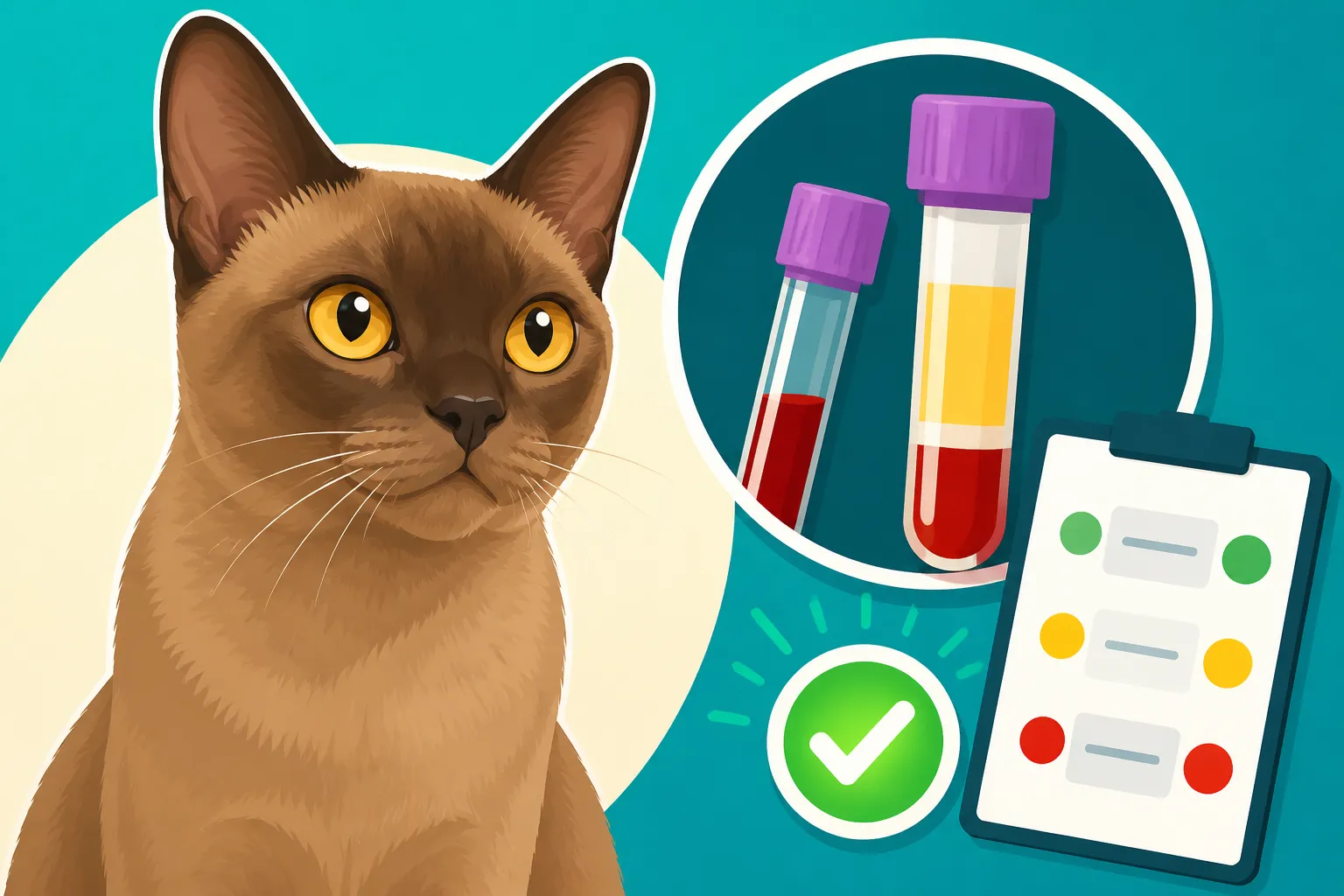
Because hypokalemia is an inherited genetic disorder, a simple DNA test is the most definitive way to determine a Burmese cat's genetic status regarding the condition. Unlike a blood test that measures current potassium levels (which can fluctuate and may only be low during an active episode), the DNA test tells you if the potential for the disease is present in the cat's genes, regardless of whether they are currently showing symptoms. This is incredibly powerful for both proactive health management and responsible breeding programs.
For breeders, the DNA test is an indispensable tool for preventing future generations from suffering. It allows them to identify carriers and make informed mating decisions to avoid producing affected kittens. For pet owners, knowing their cat's genetic status provides peace of mind or, conversely, allows them to be extra vigilant for symptoms and work proactively with their veterinarian on a management plan, including appropriate supplementation. It takes the guesswork out of a potentially life-threatening condition and enables targeted, preventative care. It’s truly the cornerstone of managing "Hypokalemia Is the Burmese Disease With a DNA Test".
Collecting the Sample for Testing
One of the great reliefs for cat owners, particularly those with a sensitive or anxious feline, is how straightforward the sample collection process for the Burmese hypokalemia test really is. There’s no need for blood draws or invasive procedures that might stress your cat out. It's remarkably simple and can often be done right in your own home or by your local veterinarian with minimal fuss.
The Non-Invasive Cheek Swab
The standard method for collecting a DNA sample for the hypokalemia test is a buccal swab, more commonly known as a cheek swab. This involves gently rubbing a sterile brush or swab along the inside of your cat's cheek and gums for about 30 seconds. The goal is to collect cells from the lining of their mouth, which contain their DNA. Most cats tolerate this extremely well, especially if you make it a calm, positive experience with a few treats and plenty of petting afterwards. It’s certainly a lot less stressful than a trip to the vet for a blood draw, though your vet can also perform it if you prefer.
The simplicity of this method means that even "Why a Burmese Cheek Swab Is Enough " to get a clear genetic picture. It's also why many breeders test their entire litters before kittens even go to their new homes. The non-invasive nature means you can collect a sample from even a tiny kitten or a rescue cat that might be wary of handling. Just be sure not to feed your cat for about an hour before collecting the sample to minimize food contamination, which could interfere with the lab's ability to extract DNA.
Sending the Sample to the Lab
Once the sample is collected, it needs to be properly packaged and sent to a specialized genetic testing laboratory. Several reputable labs offer the Burmese hypokalemia test. In the US, for example, laboratories like UC Davis Veterinary Genetics Lab are well-known for their comprehensive feline genetic testing services. In the UK, Animal DNA Diagnostics (ADDL) or Langford Vets at the University of Bristol also provide this crucial test. These labs are equipped with the sophisticated technology needed to analyze the DNA and pinpoint the specific WNK4 mutation.
The instructions for packaging and shipping are typically provided in the testing kit from the lab. It's essential to follow these carefully to ensure the sample remains viable and arrives at the lab in good condition. Most labs provide pre-paid shipping labels or clear instructions on how to send the sample. Once received, the lab processes the sample, extracts the DNA, and performs the genetic analysis, usually delivering results within a few weeks. This waiting period can feel like an eternity, but the information you receive is invaluable for your cat's future health.
Interpreting Your Burmese's Test Results
Receiving your cat's genetic test results can be a mix of anticipation and anxiety. But understanding what those terms—Clear, Carrier, and Affected—actually mean is crucial for moving forward. This is where the science translates directly into actionable information for you as an owner or breeder.
Clear: The Best News
A "Clear" result is the best possible outcome. It means your Burmese cat does not carry the WNK4 gene mutation associated with hypokalemia. They have two normal copies of the gene. This is fantastic news because it means your cat will not develop hypokalemia due to this specific genetic defect, and they cannot pass the mutation on to any offspring. You can breathe a sigh of relief knowing that this particular inherited condition is not a threat to your beloved companion.
For breeders, a clear result is highly desirable. It indicates a genetically healthy cat that can be confidently included in a breeding program without the risk of producing affected kittens, provided they are mated with another clear cat. Even if mated with a carrier, they will only produce carriers, not affected individuals. This understanding is key to eradicating the disease from breeding lines and improving the overall health of the Burmese breed.
Carrier: A Mixed Bag for Breeders
A "Carrier" result means your Burmese cat has inherited one copy of the normal WNK4 gene and one copy of the mutated WNK4 gene. Because hypokalemia is a recessive disorder, cats with only one copy of the mutation generally do not show any symptoms of the disease themselves. They live perfectly healthy, normal lives, indistinguishable from a clear cat. However, the term "carrier" implies they carry the gene and can pass it on. This is where "How to Read a Burmese Hypokalemia Carrier Result " becomes incredibly important for breeders.
| Result | Genetic Status | Clinical Symptoms | Breeding Implications (with another carrier) |
|---|---|---|---|
| Clear | Two normal genes | Will not develop Hypokalemia | 100% Clear kittens |
| Carrier | One normal, one mutated gene | Typically no symptoms | 25% Clear, 50% Carrier, 25% Affected kittens |
| Affected | Two mutated genes | Will develop Hypokalemia | 100% Affected kittens |
For breeders, identifying a carrier is vital. While a carrier cat is healthy, breeding two carriers together carries a 25% risk of producing kittens that are "Affected" with hypokalemia (i.e., inheriting two copies of the mutated gene). Therefore, ethical breeders will never breed two carriers together, following the guideline of "Why Two Burmese Carriers Must Never Be Bred". Carriers can, however, be safely bred with "Clear" cats, as this will only produce clear or carrier kittens, effectively diluting the presence of the mutation in the gene pool over time. It's a careful balancing act that requires diligent testing and record-keeping.
Affected: Requires Proactive Management
An "Affected" result indicates that your Burmese cat has inherited two copies of the mutated WNK4 gene. This means they are genetically predisposed to develop hypokalemia and are highly likely to experience episodes of muscle weakness dueemia throughout their life. While the severity and frequency of episodes can vary, an affected cat will show symptoms at some point. These symptoms can be triggered by stress, illness, or even normal activity, making their lives unpredictable and often requiring ongoing management. "Why a Hypokalemic Burmese Cannot Hold Its Head Up " is a distressing but common manifestation of this status.
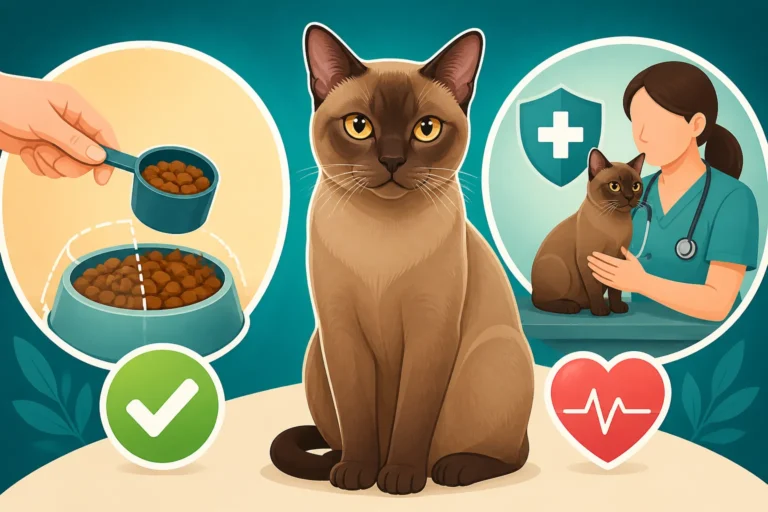
If your cat tests as affected, it's crucial to work closely with your veterinarian to develop a management plan. This typically involves dietary adjustments and, most commonly, lifelong potassium supplementation. Monitoring for symptoms and having a plan for "How a Vet Treats a Burmese Hypokalemic Episode " is paramount. While it's a challenging diagnosis, with proper care, many affected Burmese cats can still live relatively happy and comfortable lives, although they will always require extra attention and proactive health monitoring. Fortunately, there are options for managing the condition, including "What Potassium Supplementation Does for a Burmese". For breeding purposes, an affected cat should never be bred, as they would pass two copies of the mutated gene to all their offspring, making all kittens affected.
Living with Your Burmese's Hypokalemia Results
Getting the results of your Burmese's hypokalemia test is a pivotal moment. Whether it's good news, a call for careful breeding, or a need for proactive health management, understanding the implications for your daily life with your cat is the next step. This information empowers you to provide the best care possible and contribute to the overall health of the breed.
Managing an Affected Burmese
If your Burmese receives an "Affected" diagnosis, it’s natural to feel a wave of concern. However, it's important to remember that this diagnosis is a roadmap for proactive care, not a death sentence. The primary goal will be to manage their potassium levels and prevent or mitigate hypokalemic episodes. This typically involves daily oral potassium supplementation, carefully dosed by your veterinarian. You'll need to learn to administer this medication consistently, often disguised in a tasty treat or mixed with wet food.
Beyond medication, close observation is key. You'll become finely attuned to any changes in your cat's gait, energy levels, or ability to hold its head. Keeping a journal of their behavior, appetite, and any mild symptoms can be incredibly helpful for your vet. Regular veterinary check-ups, potentially including blood tests to monitor potassium levels, will become part of your routine. Stress can sometimes trigger episodes, so maintaining a calm, predictable home environment is also beneficial. While challenging, many affected Burmese cats, with dedicated care and consistent supplementation, can lead fulfilling lives, demonstrating that "Whether a Hypokalemic Burmese Lives a Normal Life " is often possible with diligent management. When considering the costs of ongoing care and medication for an affected cat, exploring pet insurance options, like those offered by Healthy Paws, earlier rather than later can be a wise financial decision, although existing conditions are typically excluded.
Responsible Breeding for Carriers
For breeders, a "Carrier" result comes with a significant responsibility. These cats are perfectly healthy themselves, but they hold the potential to pass on the mutated gene. The golden rule is clear: never breed two carriers together. Doing so risks producing affected kittens, leading to unnecessary suffering and perpetuating the disease in the breed. Instead, carriers should only be bred with "Clear" cats. This mating strategy ensures that no affected kittens will be born, although 50% of the litter will likely still be carriers.
The strategy then becomes about gradually reducing the frequency of the carrier gene in the population over generations. Removing all carriers from the gene pool immediately can severely limit genetic diversity, especially in breeds with smaller populations, which isn't always healthy for the breed long-term. Therefore, careful, informed breeding of carriers with clear cats is a responsible approach. It's vital that all kittens from such matings are also tested to accurately identify their genetic status before they are sold or considered for future breeding. Transparent communication with potential kitten buyers about carrier status and the importance of testing their future offspring is also crucial.
Testing for All Burmese Cats
Ultimately, the most powerful tool we have against hypokalemia in Burmese cats is widespread genetic testing. Every Burmese cat, whether a beloved pet or a potential breeding animal, should ideally be tested. This simple cheek swab can provide invaluable information. For pet owners of an untested Burmese, especially "Why a Rescue Burmese Should Still Be Tested ", it's crucial to know their genetic predisposition. Knowledge is power, allowing owners to be prepared for any potential health issues and to discuss appropriate preventative measures with their vet.
This proactive approach ensures that any cat carrying the mutation can be identified, and breeding decisions can be made responsibly to progressively reduce the incidence of this distressing condition. It's a commitment to the long-term health and well-being of the entire Burmese breed, ensuring that future generations of these wonderful cats can live free from the threat of hypokalemia. Understanding "What Triggers a Burmese Hypokalemic Episode " can also help owners of unknown status cats be more vigilant. And while pet insurance, such as through Healthy Paws, may not cover pre-existing conditions if a diagnosis occurs before enrollment, having a policy in place for an untested cat could provide coverage for future potential health concerns.
Disclaimer
This article is intended for informational purposes only and does not constitute veterinary advice. Always consult with a qualified veterinarian for any health concerns or before making any decisions about your pet's health or treatment plan. Genetic testing results should be interpreted in conjunction with professional veterinary guidance.