Why a Hypokalemic Burmese Cannot Hold Its Head Up
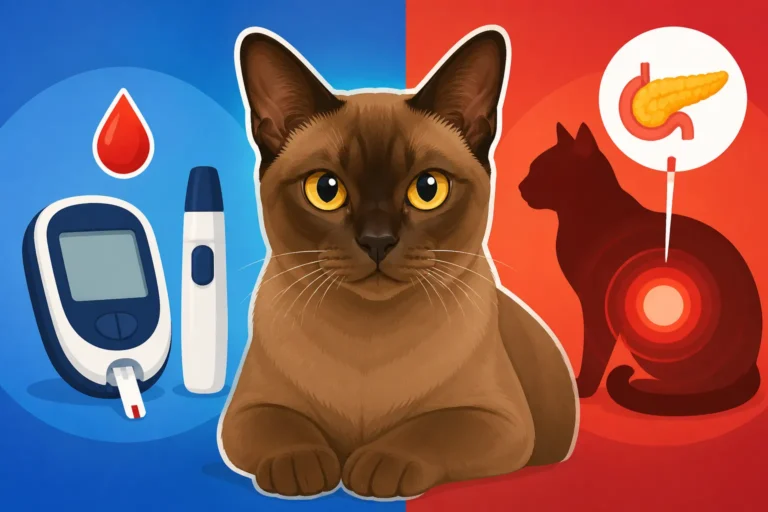
It's incredibly distressing to see your normally vivacious Burmese suddenly unable to lift their head, appearing weak and uncomfortable, almost like their neck muscles have given up. This sudden collapse of strength, particularly in the neck, is a classic and worrying sign that many Burmese owners unfortunately encounter when their beloved cat is suffering from hypokalemia. This guide will walk you through exactly why this happens, how to recognize it, and what you can do to manage this challenging genetic condition.
Understanding Hypokalemia in Burmese Cats
Hypokalemia isn't just a fancy vet word; it's a very real and sometimes frightening condition characterized by abnormally low levels of potassium in a cat's blood. For Burmese cats, this isn't just a random occurrence; it's often a direct result of their unique genetic makeup, making them particularly susceptible. Understanding this underlying cause is the first step in protecting your furry family member.
What Exactly is Hypokalemia?
At its core, hypokalemia simply means "low potassium." Potassium is one of the most vital electrolytes in the body, playing a critical role in almost every cellular function. Think of it as the tiny, unsung hero responsible for maintaining proper nerve impulses, allowing muscles to contract and relax, and even ensuring a steady heart rhythm. When potassium levels drop too low, these essential functions can go haywire, leading to a cascade of problems.
For Burmese cats, the story is a bit more specific. Their predisposition to hypokalemia stems from a genetic mutation that affects how their kidneys handle potassium. Instead of reabsorbing enough of this crucial mineral, their kidneys tend to excrete too much, leading to a chronic deficit that can suddenly manifest as an acute crisis. It's a frustrating situation because it's not something owners can typically prevent through diet alone if the genetic predisposition is present.
The Genetic Link: Why Burmese Are Different
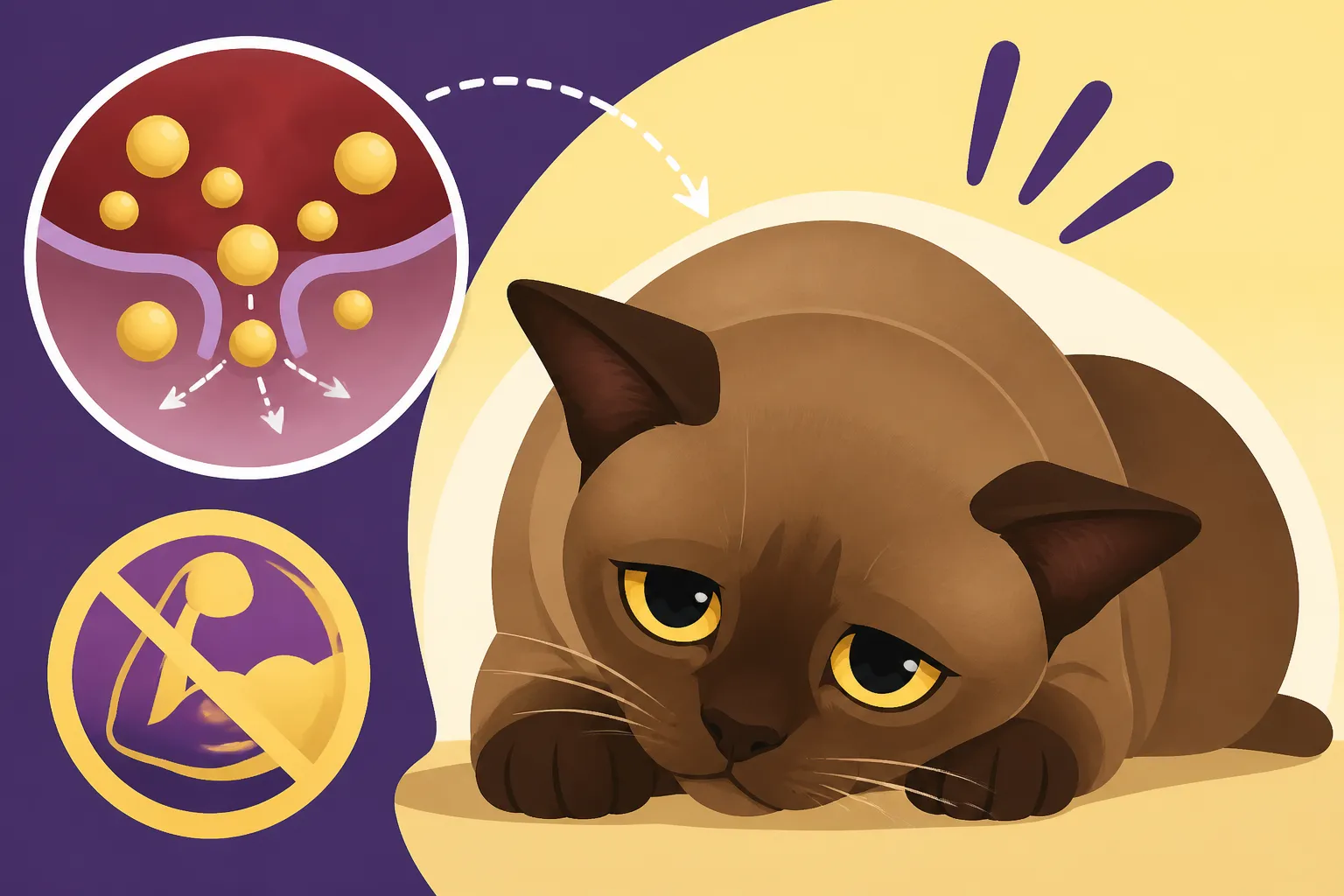
The reason Burmese cats are prone to this frustrating condition lies deep within their DNA. Specifically, it's tied to an inherited mutation in the WNK4 gene. This gene is responsible for regulating electrolyte balance, particularly how the kidneys manage potassium reabsorption. When this gene is mutated, the kidneys effectively "leak" potassium, even when the body desperately needs to hold onto it. It's like having a leaky bucket trying to hold water; no matter how much you put in, some is always escaping.
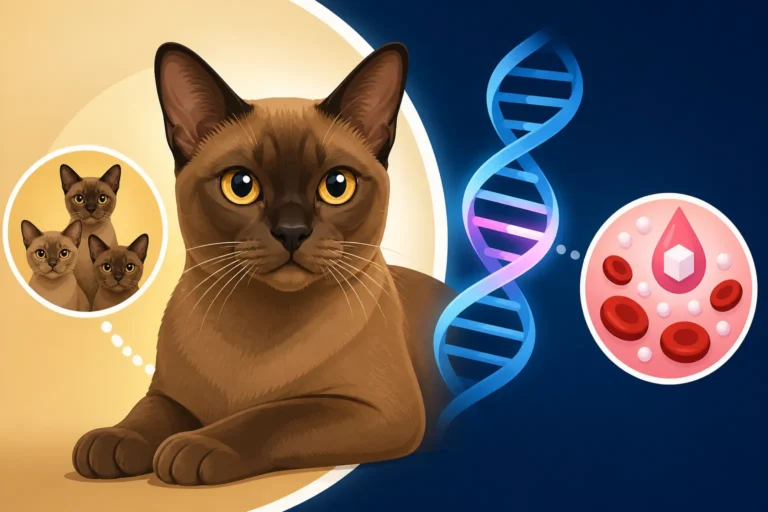
This condition is inherited in an autosomal recessive manner. This means a cat needs to inherit two copies of the mutated gene (one from each parent) to actually develop the disease. Cats with only one copy are considered carriers; they don't typically show symptoms themselves but can pass the faulty gene on to their kittens. This is why responsible breeding practices, including genetic testing, are absolutely crucial. Without testing, a breeder could unknowingly mate two carrier cats, leading to a litter where some kittens are affected. To dive deeper into the specifics, you might find our article on What the WNK4 Mutation Does in a Burmese incredibly insightful. Understanding Why the WNK4 Gene Matters in a Burmese can truly empower owners and breeders alike.
The Tell-Tale Signs: Why the Head Drops
The most heartbreaking and often the first symptom that alerts owners to an episode of hypokalemia is the dramatic muscle weakness, particularly in the neck. Seeing your typically active and curious Burmese suddenly unable to hold their head up is alarming, and it's a direct consequence of those plummeting potassium levels impacting their delicate muscle function.
The Mechanics of Muscle Weakness
When potassium levels in the blood fall, the delicate balance of electrolytes inside and outside muscle cells is disrupted. Muscle contraction relies on electrical signals, and potassium is a key player in generating these signals and allowing muscles to relax afterwards. Without sufficient potassium, muscle cells struggle to function properly, leading to a state of profound weakness and sometimes even paralysis.
The cervical muscles, those that support the head and neck, are particularly vulnerable. Think about it: a cat's head isn't light, and these muscles are constantly working against gravity to keep it upright. When they lose their ability to contract effectively, the head simply sags, often resting on the chest or the ground. This gives the cat a very characteristic posture, often described as a "meerkat neck" due to the way they might try to prop their head up, straining to look around. If you've ever seen your Burmese in this state, it's truly unforgettable and distressing. Our article, The Meerkat Neck That Tells You a Burmese Has Hypokalemia, offers more visual context for this striking symptom.
Beyond the Dropped Head: Other Symptoms
While the dropped head is often the most dramatic symptom, it's rarely the only one. Cats experiencing a hypokalemic episode will typically show more generalized signs of lethargy and weakness. They might be reluctant to move, struggle to jump onto furniture they normally scale with ease, or appear to walk with a stiff, stilted gait, almost like their limbs are heavy. Some cats may even show pain or discomfort if you gently try to palpate their neck or shoulder muscles.
In addition to physical weakness, owners might notice a loss of appetite or a significant increase in thirst, also known as polydipsia. These episodes aren't always constant; they can be intermittent and triggered by various factors, including stress, strenuous exercise, or even certain dietary changes. It's a cruel condition because your cat can seem perfectly fine one moment and then suddenly collapse. Pay close attention to subtle changes, as our guide How Hypokalemia First Shows in a Burmese Kitten can help you catch early signs. Also, it’s beneficial to know What Triggers a Burmese Hypokalemic Episode to try and mitigate these occurrences.
Diagnosing and Confirming Hypokalemia
Recognizing the signs is one thing, but getting a definitive diagnosis of hypokalemia requires veterinary intervention. It's crucial to seek professional help quickly because symptoms can sometimes mimic other serious conditions, and prompt treatment can make a significant difference in your cat's recovery and long-term well-being.
The Initial Vet Visit and Physical Exam
When you bring your Burmese in with a dropped head or generalized weakness, your vet will perform a thorough physical examination. They'll be looking for signs of muscle weakness, assessing the rigidity or flaccidity of the neck muscles, and checking for any pain response. Your detailed history of the cat's symptoms—when they started, how long they last, if they come and go, and any potential triggers—is invaluable. It's especially important to mention that your cat is a Burmese, as this immediately raises the suspicion of hypokalemia due to the breed's known predisposition.
The vet will also consider other possibilities that could cause similar symptoms, such as neck injuries, neurological disorders, or other systemic illnesses. This differentiation is critical to ensure the correct treatment plan is initiated. If you're concerned about distinguishing hypokalemia from other potential problems, you might want to read How a Vet Distinguishes Burmese Hypokalemia From Injury for more insights.
Blood Tests and Genetic Screening
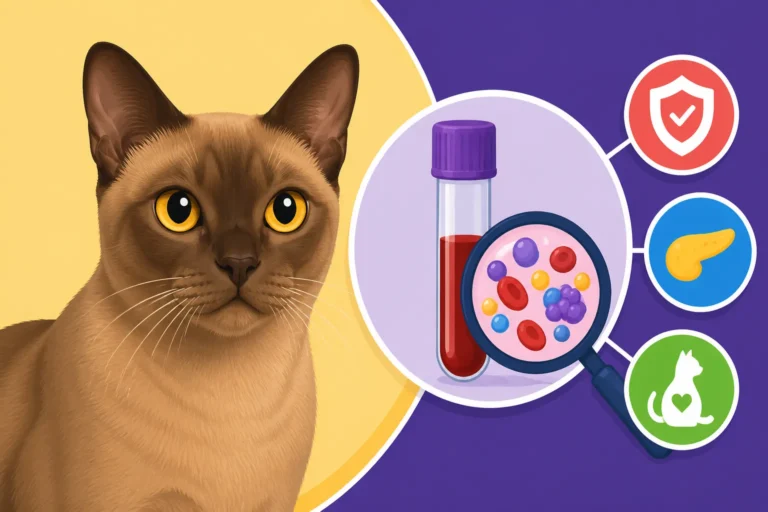
The definitive diagnosis of hypokalemia relies on a simple blood test to measure serum potassium levels. If these levels are found to be low, it confirms the condition. However, because potassium levels can fluctuate, your vet might recommend repeat tests or an extended monitoring period. It's important to remember that a single normal reading doesn't always rule out the genetic predisposition if clinical signs have been observed.
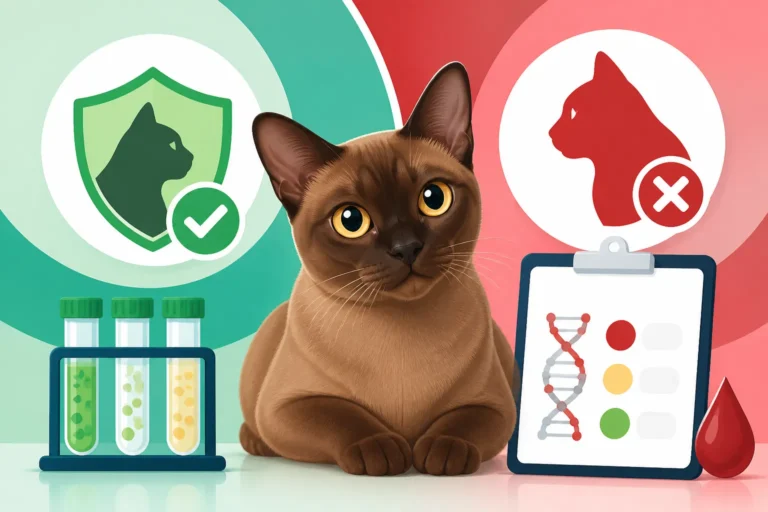
For a conclusive diagnosis and to understand the genetic implications, particularly for breeding animals, genetic testing is paramount. This is typically done via a simple cheek swab and can confirm if your Burmese carries one or two copies of the mutated WNK4 gene. Several reputable laboratories offer this test. For instance, UC Davis Veterinary Genetics Laboratory in the U.S. and Langford Vets in the UK are well-known for their comprehensive genetic testing panels. Knowing Which Lab Runs the Burmese Hypokalemia Test can help you get started. Such testing is also vital for breeders; knowing How to Read a Burmese Hypokalemia Carrier Result is key to responsible breeding. Pet insurance providers like Healthy Paws often cover diagnostic testing if a policy is in place before any symptoms are noted, which can be a huge relief for owners facing these initial investigations. Early screening of all breeding cats is a proactive measure that prevents the heartache of affected kittens. In fact, Why Two Burmese Carriers Must Never Be Bred is a foundational principle of ethical Burmese breeding.
Managing Hypokalemic Episodes and Long-Term Care
Once hypokalemia is diagnosed, the focus shifts to immediate treatment during an episode and establishing a long-term management plan to minimize future occurrences and maintain your Burmese's quality of life. This is a commitment, but one that dedicated Burmese owners readily embrace.
Emergency Treatment During an Episode
If your Burmese is experiencing a severe hypokalemic episode, immediate veterinary intervention is critical. The primary goal is to rapidly restore potassium levels to normal. This often involves potassium supplementation, either orally for milder cases or intravenously for more severe presentations where the cat is extremely weak or unable to swallow. Intravenous potassium is administered carefully in a hospital setting, allowing for close monitoring of heart rhythm and electrolyte levels to prevent complications.
Hospitalization might be necessary until the cat is stable, alert, and able to maintain normal potassium levels on oral medication. Prompt treatment is vital not just for comfort, but also to prevent more serious complications such as cardiac arrhythmias (irregular heartbeats) or respiratory muscle weakness, which can be life-threatening. Our guide How a Vet Treats a Burmese Hypokalemic Episode offers a deeper dive into these crucial immediate steps.
Long-Term Management and Prevention
For Burmese cats with genetically confirmed hypokalemia, long-term management typically involves ongoing daily oral potassium supplementation. This is usually a flavored powder or liquid given with food, and the dosage will be carefully determined by your vet based on your cat's weight and regular blood test results. It's a lifelong commitment, and consistency is key to preventing further episodes. You might be interested in knowing What Potassium Supplementation Does for a Burmese to understand its benefits.
Dietary considerations also play a role. While diet alone can't fix a genetic potassium leak, a diet low in sodium and high in potassium can be beneficial. Wet food is often preferred over dry kibble due to its higher moisture content and generally lower carbohydrate load, which can sometimes influence electrolyte balance. Beyond medication and diet, stress reduction is important, as stress can sometimes trigger episodes. Regular vet check-ups, including periodic blood potassium monitoring, are essential to ensure the management plan remains effective and adjustments can be made as needed. For new or existing policies, Healthy Paws can be an invaluable partner in managing the ongoing costs of medication and veterinary visits for a chronic condition like hypokalemia, helping to make long-term care more accessible.
Living with a Hypokalemic Burmese
Living with a cat that has a chronic condition like hypokalemia can certainly feel overwhelming at times, but with consistent care and a supportive home environment, your Burmese can absolutely continue to thrive and bring joy to your life. Their affectionate nature makes every effort worthwhile.
Creating a Supportive Environment
Part of long-term care involves making simple adjustments to your home to support your cat's needs. If they experience muscle weakness, even between episodes, consider providing ramps or steps to help them access favorite perching spots, beds, or litter boxes without straining themselves. Comfortable, warm sleeping areas are also beneficial, as warmth can help soothe muscles and maintain overall comfort, especially for a short-coated breed like the Burmese.
Consistent, gentle interaction is important. Your Burmese will still crave your company and affection, perhaps even more so when they're feeling a bit under the weather. Maintaining a routine and keeping detailed records of their medication, any observed symptoms, and the timing of any mild episodes can be incredibly helpful for both you and your vet in fine-tuning their care plan. This proactive approach ensures you're always one step ahead.
Outlook and Quality of Life
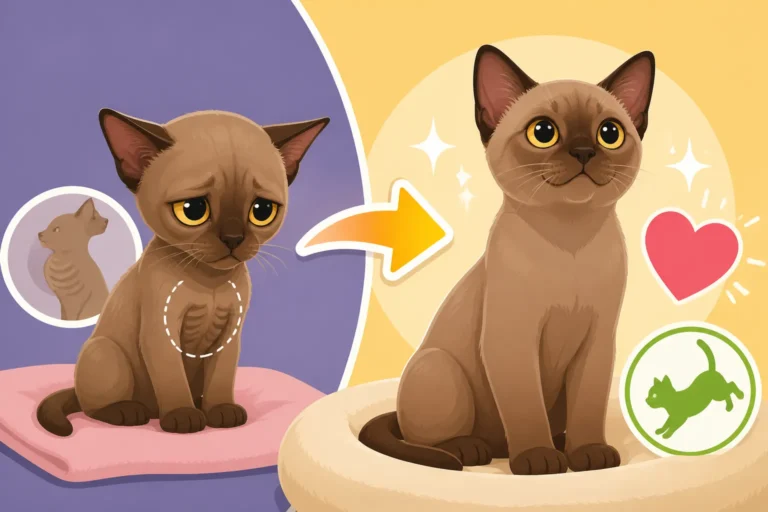
The good news is that with dedicated management, many Burmese cats with hypokalemia can live a normal lifespan and enjoy a good quality of life. It requires a commitment to daily medication, vigilant observation for any signs of weakness, and regular veterinary check-ups, but the effort is rewarded tenfold by their continued companionship. The challenges are real – the worry of an episode, the discipline of daily medication – and it's perfectly normal for owners to feel the emotional toll. However, the deep bond and incredibly affectionate nature of the Burmese often make these efforts feel like a small price to pay for their continued presence in your home.
It's wise to consider pet insurance, like Healthy Paws, early in your cat's life. While pre-existing conditions are typically excluded, having a policy in place before any symptoms of hypokalemia arise could significantly mitigate the financial stress associated with ongoing diagnostics, medications, and potential emergency care. Ultimately, the goal is to keep your beautiful Burmese comfortable, happy, and playing for as long as possible. For more reassurance, explore Whether a Hypokalemic Burmese Lives a Normal Life, which shares hopeful insights into managing this condition effectively.
Common Hypokalemia Questions
| Question | Answer |
|---|---|
| What is hypokalemia? | A condition in which a cat has abnormally low levels of potassium in its blood, crucial for muscle, nerve, and heart function. |
| Why are Burmese prone? | They have a genetic mutation (WNK4 gene) that causes their kidneys to excrete too much potassium, an autosomal recessive trait. |
| What does "dropped head" mean? | The most visible symptom where the cervical (neck) muscles weaken due to low potassium, making the cat unable to hold its head upright. |
| How is it diagnosed? | Via blood tests to measure serum potassium levels, and genetic testing (cheek swab) to confirm the WNK4 mutation. |
| Is it treatable? | Yes, with potassium supplementation (oral or IV), and lifelong management. Prompt treatment is crucial during episodes. |
| Can it be prevented? | The genetic condition cannot be prevented, but episodes can be managed with lifelong potassium supplementation and avoiding triggers. Responsible breeding involves genetic screening to avoid breeding two carriers. |
| What is the prognosis? | With proper diagnosis and consistent, lifelong management, most Burmese cats with hypokalemia can live a normal lifespan and maintain a good quality of life. |
Disclaimer
The information provided in this article is for general informational purposes only and does not constitute veterinary advice. Always consult with a qualified veterinarian for any health concerns or before making any decisions related to your pet's health and treatment.