How a Vet Distinguishes Burmese Hypokalemia From Injury
It's absolutely heartbreaking to see your usually vibrant Burmese cat suddenly acting weak, stiff, or even unable to lift their head. Your mind races through all the possibilities – did they fall, get into something, or is it something more serious? For Burmese owners, this isn't just a hypothetical fear; it's a real and terrifying scenario that often leads to a tricky diagnostic puzzle for veterinarians: is it an injury, or is it hypokalemia, a condition particularly prevalent in our beloved breed? This guide will walk you through how vets meticulously distinguish between these two distressing possibilities, helping you understand the signs and tests involved.
Recognizing the Confusing Symptoms of Burmese Hypokalemia
One of the most frustrating things about caring for a Burmese with hypokalemia is how its symptoms can so closely mimic a physical injury or even a neurological event. Owners often rush their cats to the emergency vet, convinced they've had a terrible fall, only to find the situation is far more nuanced. It’s a real emotional rollercoaster, especially when your cat is normally so robust and active.
The Sudden Weakness That Mimics Trauma
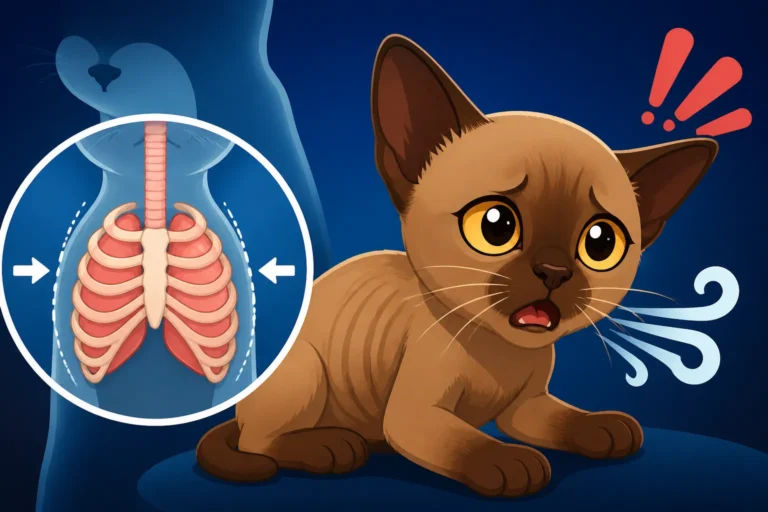
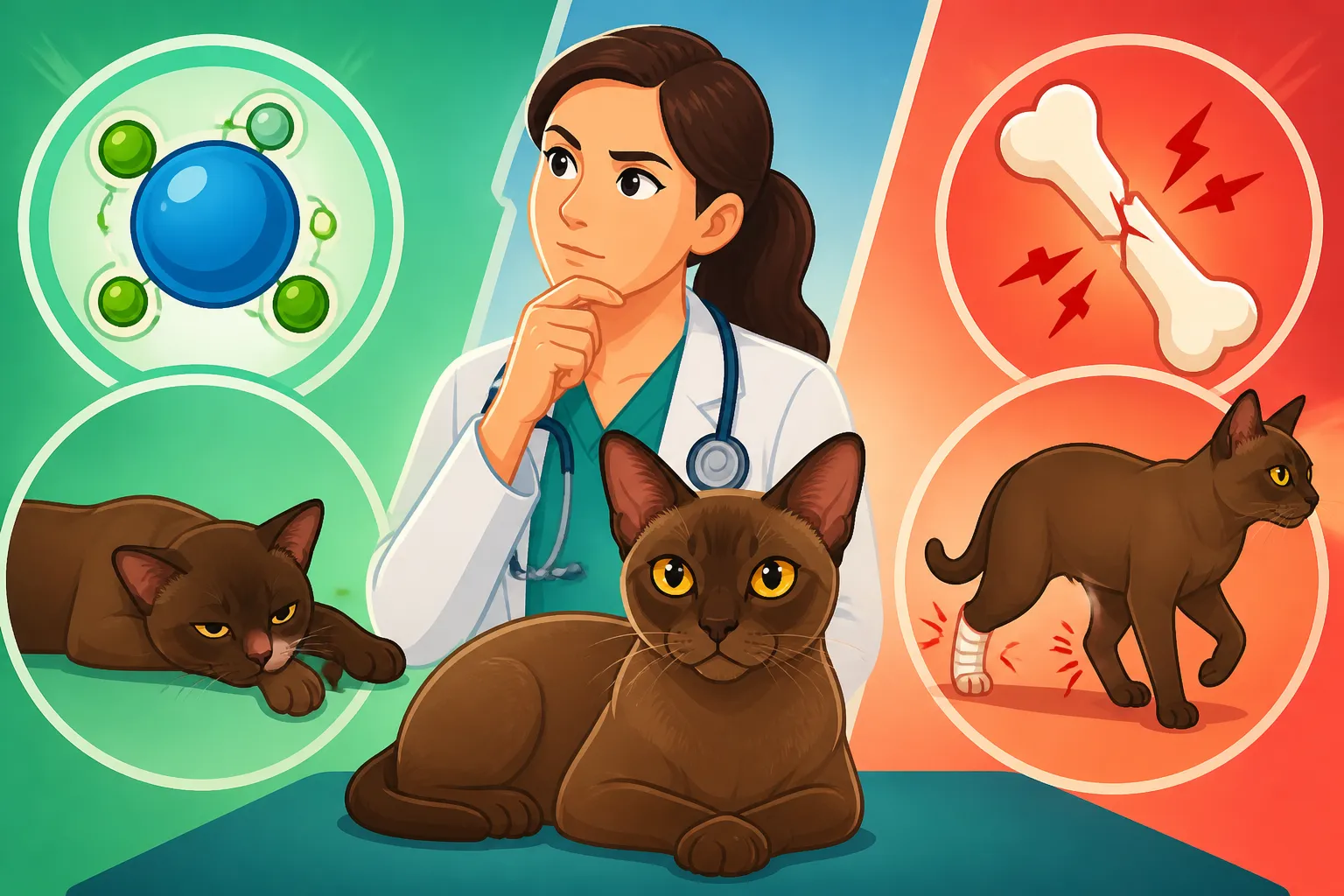
Imagine coming home to find your usually agile Burmese looking wobbly, struggling to stand, or even unable to use their hind legs properly. Your immediate thought might be a sprain, a broken bone, or a disc issue – especially if they've been zooming around the house just hours before. The sudden onset of this weakness can be incredibly alarming. Your cat might walk with a stiff, painful gait, similar to an animal with an orthopedic injury. They might even collapse suddenly, leading you to believe they’ve suffered blunt force trauma. This isn't just typical lethargy; it's a profound muscle weakness that can genuinely mimic the aftermath of an accident, making early differentiation a critical challenge for vets and owners alike. It can feel like your cat has aged ten years in a single afternoon, leaving you panicked and searching for answers.
When the Head Drops: A Unique Burmese Sign
While general weakness can be misleading, there's a more specific symptom that, while still alarming, offers a stronger clue towards hypokalemia: the inability to hold their head up. This condition is often referred to as "meerkat neck" by owners because the cat struggles to support its head, which may hang low or bob uncontrollably if they try to move. You might see your Burmese with their chin resting heavily on their chest or struggling to lift it to eat or drink. While a severe neck injury could also cause such a posture, the distinct "meerkat neck" presentation, combined with generalized muscle weakness, is a strong indicator of hypokalemia. This specific symptom is often one of the more heartbreaking signs to witness, as it so dramatically impacts their ability to interact and move naturally, truly living up to the description of The Meerkat Neck That Tells You a Burmese Has Hypokalemia.
Intermittent Nature: Why It's Not Always Obvious
Perhaps the most perplexing aspect of Burmese hypokalemia, and a key factor in distinguishing it from an injury, is its intermittent nature. An injury, generally speaking, tends to cause consistent pain and lameness until it heals. With hypokalemia, however, your cat might have a severe episode of weakness and head dropping one day, and then appear completely normal, or significantly improved, a few hours or a day later. This waxing and waning of symptoms can make diagnosis incredibly difficult, both for you and your vet. You might observe your cat looking completely fine in the morning, only to find them profoundly weak by evening, or they might recover before you even get to the vet. This inconsistency is a hallmark of How Hypokalemia First Shows in a Burmese Kitten or an adult cat, and it's a critical piece of information that helps rule out a persistent injury. The frustration of seeing your cat improve only to relapse is profound, making accurate diagnosis even more urgent.
A Vet's Approach: Unraveling the Mystery
When you present your Burmese to the vet with symptoms of weakness or a dropped head, their diagnostic process becomes a detective mission. They have to carefully consider the breed's predispositions while systematically ruling out other potential causes. It's a testament to veterinary medicine that they have the tools and knowledge to differentiate these complex conditions.
The Power of a Comprehensive Blood Test
The very first and most crucial step in diagnosing hypokalemia is a blood test, specifically a chemistry panel that includes electrolyte levels. Hypokalemia, by definition, means low potassium in the blood. If your cat is presenting with the symptoms described, a vet will immediately want to check these levels. A significantly low potassium reading is often a definitive indicator of a hypokalemic episode. This test is relatively quick and can provide vital information almost immediately, steering the diagnostic path away from injury and towards this metabolic disorder. In many cases, it's the quick turnaround of these blood results that gives the first clear answer. For a definitive diagnosis of the underlying genetic predisposition, particularly if a cat has recurring episodes, a specific DNA test is available. This test confirms the presence of the WNK4 mutation, which is responsible for the condition, and is crucial for breeders to screen their cats, as discussed in What the WNK4 Mutation Does in a Burmese. Knowing Which Lab Runs the Burmese Hypokalemia Test can also be helpful for owners looking for diagnostic certainty.
Physical Examination: Palpation and Neurological Checks
While blood work is paramount for hypokalemia, a thorough physical examination is still vital to rule out injury. Your vet will meticulously palpate your cat's body, feeling for signs of pain, swelling, fractures, or instability in joints and bones. They'll check the range of motion in limbs and neck, looking for any resistance or discomfort that would point towards a sprain, dislocation, or break. Neurological checks are also crucial. The vet will assess reflexes, gait, and coordination. Cats with hypokalemia might show generalized weakness but often have intact reflexes, whereas a severe spinal injury might result in absent reflexes or paralysis in specific areas. This hands-on assessment helps the vet piece together the puzzle, understanding how the cat is moving, or failing to move, and where the weakness truly originates.
Imaging and Advanced Diagnostics for Injury Exclusion
If the blood work comes back normal, or if the physical exam still strongly suggests a localized injury despite the possibility of hypokalemia, your vet might recommend imaging. X-rays are commonly used to check for fractures, dislocations, or severe arthritis. For more subtle soft tissue injuries, muscle tears, or certain spinal issues, an ultrasound or even an MRI might be considered. These advanced diagnostics allow the vet to visualize the internal structures of your cat's body, providing concrete evidence of physical trauma if it exists. However, if hypokalemia is confirmed by blood tests, these imaging techniques are often unnecessary, saving you time, stress, and expense. It's about taking a systematic approach to pinpoint the exact problem without over-diagnosing, and ensuring your furry friend gets the right care, whether it's managing a chronic condition or healing from an acute injury.
Your Role as an Owner: The Key to a Correct Diagnosis
As a Burmese owner, you are truly the first line of defense and an indispensable part of your cat's diagnostic team. Your observations, often mundane to an outsider, can be critical clues for your vet, especially when dealing with a condition as elusive as hypokalemia. Don't ever underestimate the value of what you see day-to-day.
Documenting Episodes: The Diary Is Your Best Friend
Because hypokalemia often presents intermittently, a detailed symptom diary is incredibly helpful. This is where you become the primary data collector. Note down:
- Date and Time: When did the symptoms start and stop?
- Specific Symptoms: Was it just weakness, or did their head drop? Did they walk stiffly? Could they still eat and drink? Did they show signs like Why a Hypokalemic Burmese Cannot Hold Its Head Up?
- Duration: How long did the episode last? Did it resolve completely? Whether a Hypokalemic Burmese Recovers Between Episodes is a key indicator.
- Potential Triggers: Was there anything unusual before the episode? Stress, a sudden change in temperature, intense play, or a particular food? Understanding What Triggers a Burmese Hypokalemic Episode can be vital for prevention.
- Severity: Rate the severity on a scale of 1-5.
- Recovery: How long did it take for them to seem "normal" again?
This meticulous record-keeping provides your vet with a pattern of illness that a single snapshot at the clinic simply cannot. It helps them differentiate between an acute, one-off injury and a recurring systemic issue, giving them invaluable context for the blood test results.
Communicating Distinctive Burmese Traits to Your Vet
It's also crucial to openly discuss the specific breed predisposition with your vet, even if they're generally familiar with Burmese cats. Many general practitioners might not regularly encounter a breed-specific condition like hypokalemia. Politely mention that the Burmese breed is known for a genetic predisposition to hypokalemia. You can explain how your cat’s symptoms align with what you've read or learned about the condition. This isn't about second-guessing your vet; it's about providing them with all the relevant information, including breed-specific insights that can accelerate diagnosis. Being an advocate for your cat means ensuring your vet considers all angles, especially those unique to the Burmese. Having this conversation can sometimes prompt them to prioritize a blood panel for potassium levels sooner, potentially saving your cat from unnecessary tests or treatments for a suspected injury.
Long-Term Outlook and Proactive Management
Receiving a diagnosis of hypokalemia can feel overwhelming, but understanding the condition and having a proactive management plan can make all the difference for your Burmese's quality of life. The approach is distinctly different from recovering from an injury.
Tailored Treatment: Addressing Hypokalemia vs. Injury
If your vet confirms hypokalemia, the treatment path diverges significantly from that of an injury. Instead of pain medication, rest, or even surgery for an injury, the primary treatment for an acute hypokalemic episode is potassium supplementation. This might involve intravenous fluids with potassium in an emergency setting, followed by oral potassium supplements for ongoing management. The goal is to quickly raise and maintain healthy potassium levels in the blood. Your vet will guide you on the specific type and dosage of potassium and explain What Potassium Supplementation Does for a Burmese. This might need to be a long-term part of your cat's routine, highlighting the chronic nature of the condition. For injuries, treatment would focus on pain management, anti-inflammatories, restricted activity, and potentially physical therapy or surgery. The contrast in treatment strategies underscores the importance of an accurate diagnosis.
Financial Preparedness for a Chronic Condition
Living with a cat predisposed to a chronic condition like hypokalemia, or even one that has suffered a significant injury, can bring unexpected financial burdens. While an injury might have a clear, finite treatment period, a chronic condition like hypokalemia often requires ongoing medication, regular vet check-ups, and repeat blood tests to monitor potassium levels. You might be asking Whether a Hypokalemic Burmese Lives a Normal Life, and with proper management, many do, but it requires diligent care. This ongoing commitment can add up.
Many owners find immense peace of mind in having robust pet insurance. A comprehensive policy can help cover the costs of diagnostic tests, emergency treatments, and ongoing medication for chronic conditions. When considering options, looking into providers like Healthy Paws can be a sensible step. They offer plans that might cover these unexpected—or expected, in the case of a predisposed breed—veterinary expenses, allowing you to focus on your cat's health rather than worrying about the bill. Given that How Many Burmese Carry the Hypokalemia Mutation is not insignificant, understanding the potential for this condition and preparing financially is a responsible part of Burmese ownership.
| Feature | Burmese Hypokalemia | General Injury (e.g., sprain, fracture) |
|---|---|---|
| Onset | Often sudden; can be intermittent. | Usually sudden due to a specific event. |
| Primary Symptom | Muscle weakness, head bobbing, inability to lift head. | Lameness, pain, swelling, visible wound, altered gait. |
| Duration | Episodes can last hours to days, often intermittent. | Consistent pain/lameness until healed. |
| Pain Level | Weakness is primary, not always overt pain. | Usually localized pain, often intense. |
| Key Diagnostic | Blood test (low potassium). | Physical exam, X-rays, possibly MRI/ultrasound. |
| Treatment Focus | Potassium supplementation. | Pain relief, anti-inflammatories, rest, immobilization. |
| Genetic Link | Yes, often due to a specific genetic mutation. | No, typically an environmental accident. |
Disclaimer
This article is for general informational purposes only and does not constitute professional advice. Laws, prices and regulations vary by location and change over time. Consult a qualified professional for guidance on your specific situation.