Whether a Flat Chested Burmese Kitten Recovers
It’s utterly heart-wrenching to discover a tiny, vulnerable kitten struggling, especially when it’s something as alarming as a flattened chest. The fear that rushes over you, the questions about what this means for their future, and the desperate hope for recovery are all completely valid. This guide is here to walk you through understanding flat-chested kitten syndrome in Burmese cats, what recovery might look like, and how you can best support these fragile little fighters.
Understanding Flat-Chested Kitten Syndrome in Burmese Cats
Flat-Chested Kitten Syndrome (FCKS) is one of those conditions that can send a wave of panic through even the most experienced breeder or cat owner. It's a developmental anomaly that primarily affects newborn kittens, where their rib cage becomes noticeably flattened, often appearing as though it’s been compressed from above. While it can occur in any breed, certain lines and breeds, including our beloved Burmese, seem to show a predisposition, making it a critical concern for those devoted to these affectionate felines.
What is Flat-Chested Kitten Syndrome?
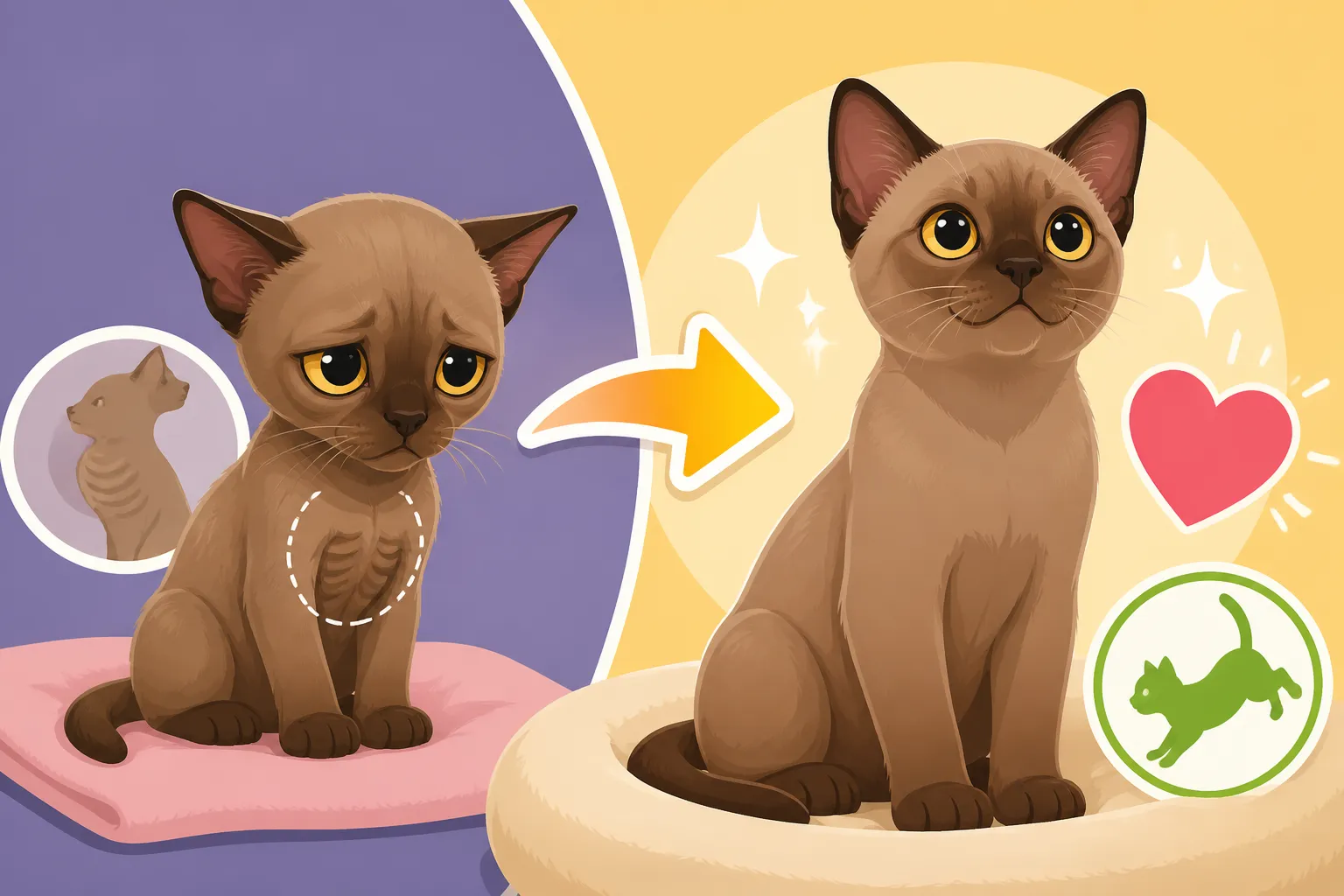
At its core, FCKS involves an abnormal flattening of the rib cage, which can range from mild and temporary to severe and life-threatening. Instead of the naturally rounded or oval shape of a healthy kitten's chest, you might observe a distinct indentation or a wide, flattened appearance. This isn't just a cosmetic issue; it directly impacts the kitten's ability to breathe and thrive. Imagine trying to expand your lungs fully when your chest cavity can't move properly – that's the struggle these kittens face. The condition often becomes apparent within the first few days of life, sometimes even at birth, and can worsen over the initial weeks. The severity dictates the prognosis, with deeply concave or widely splayed chests indicating a much graver situation. When you gently run your hand over a kitten's chest, you might expect a smooth, gentle curve, but with FCKS, it can feel surprisingly rigid or caved in. It's a stark difference from the typical sturdy build of a healthy Burmese kitten, making it even more jarring to encounter. For a closer look at these physical differences, you might find more information in our post on What a Flat Chested Burmese Kitten Feels Like.
Why Burmese Kittens Are Susceptible
While the exact cause of FCKS remains a bit of a mystery, with no single definitive gene identified, there are several theories as to why certain breeds, like the Burmese, might be more susceptible. Some researchers suggest it could be a polygenic condition, meaning multiple genes are involved, or a combination of genetic and environmental factors. Rapid growth rates in kittens, which Burmese are known for, might play a role, as the skeletal system is developing so quickly. It's also been theorized that certain postural habits in the womb or during early nursing could contribute, though this is less substantiated. What we do know is that a higher incidence tends to be observed in some lines, suggesting a hereditary component that isn't fully understood yet. This predisposition means that breeders often remain vigilant, checking new litters very carefully. Ensuring that every Burmese Kitten's Chest Should Be Checked at Birth is a crucial step in early detection and potentially better outcomes. This isn't just a random occurrence; it points to a delicate balance in their early development that can sometimes go awry.
Recognizing the Signs and Severity
Early recognition of flat-chested kitten syndrome is paramount for any chance of recovery. Missing the subtle initial signs can mean losing precious time when intervention might make a difference. These tiny lives are so fragile, and their well-being often hinges on our careful observation and quick response.
Early Detection and Physical Symptoms
The initial days of a kitten's life are a period of rapid development and vulnerability. For flat-chested kittens, the signs can be present from birth or develop within the first week. Beyond the obvious visual flattening of the chest, there are several other critical indicators. You might notice the kitten struggling more than its siblings to compete for a nipple during nursing, sometimes becoming easily fatigued. Their front legs might splay outwards, making movement awkward, and they may seem less active overall. On closer examination, you might feel a distinct firmness or rigidity in the chest wall, rather than the gentle give of healthy ribs. Some kittens might also exhibit a slight kink in their tail or other minor skeletal anomalies, though these aren't always present. Any kitten that seems weaker, less competitive, or unusually quiet compared to its littermates warrants a thorough physical inspection, paying close attention to the chest and breathing patterns.
Assessing Respiratory Distress
The most serious and immediate threat posed by FCKS is respiratory distress. When the rib cage is flattened, the lungs simply don't have enough space to expand properly, leading to inadequate oxygen intake. This can manifest in several alarming ways. A kitten might breathe much faster than its siblings, sometimes with an open mouth, which is a significant red flag in felines. You might also observe "flank breathing," where their abdomen moves more dramatically than their chest with each breath, indicating they're working harder to pull air in. In severe cases, you might even see the skin between their ribs pulling inwards with each inhale, a sign known as intercostal retraction. The most critical sign of severe oxygen deprivation is cyanosis, where the kitten's gums or tongue appear bluish or purplish, indicating a lack of oxygen in their blood. If you see any of these signs, particularly cyanosis, it's an emergency, and immediate veterinary attention is crucial. Understanding Why a Flat Chested Burmese Kitten Struggles to Breathe helps underscore the urgency of these symptoms and why prompt action is so vital. This isn't a condition that improves on its own when breathing is compromised.
Management and Care for a Flat-Chested Burmese Kitten
Discovering a kitten with FCKS can feel overwhelming, but dedicated care and a proactive approach can sometimes make all the difference. While the road to recovery can be challenging, providing the right environment and support is crucial.
Supportive Care and Environment
The first step in managing a flat-chested kitten is to provide a warm, stable, and secure environment. These kittens are often weaker and more susceptible to chilling. A warm, draft-free nesting area with consistent temperature is essential. Some breeders use incubators or heating pads (always on a low setting and with a blanket barrier to prevent burns) to maintain their body temperature. Hydration and nutrition are equally vital. If the kitten is struggling to nurse effectively from the queen due to its compromised breathing or position, supplemental feeding via syringe or even tube feeding might be necessary. This ensures they receive adequate calories and fluids, which are critical for growth and fighting off any secondary infections. Keeping them slightly separated from the boisterous activities of their healthier siblings can prevent accidental crushing, giving them the space and calm they need to conserve energy. Close monitoring of their weight gain, hydration status, and breathing is a round-the-clock commitment in these early days.
Physical Interventions and Monitoring
Beyond general supportive care, specific physical interventions can sometimes aid in the recovery of flat-chested kittens. Gentle, regular massage of the chest area, performed several times a day, can sometimes help to encourage the ribs to expand and remodel. This must be done with extreme care, using very light pressure. Some vets and breeders have experimented with soft, flexible splints or bandages wrapped around the chest to gently encourage a more rounded shape, though the effectiveness and safety of this approach can vary and must always be done under veterinary guidance to avoid hindering breathing further. Positional management is also important; ensuring the kitten lies on its side rather than its back or stomach can sometimes provide more space for lung expansion.
Constant monitoring is non-negotiable. This includes daily weight checks, observation of breathing patterns, and general activity levels. Any decline in appetite, increased labored breathing, or lethargy warrants immediate veterinary consultation. Because the journey can be costly, involving specialized vet visits, oxygen therapy, and potential emergency care, it’s worth considering pet insurance plans like those offered by Healthy Paws. Having comprehensive coverage can provide immense peace of mind, allowing you to focus on your kitten's care without the added stress of unforeseen medical bills. They understand that when a kitten needs help, you shouldn't have to think twice about providing it. For a deeper dive into the practical aspects of daily interventions, our article How a Flat Chested Burmese Kitten Is Managed offers additional insights.
Prognosis and Long-Term Outlook for Recovery
The question on every owner's mind when faced with a flat-chested kitten is, "Will they recover?" Unfortunately, there's no simple yes or no answer. The prognosis for a kitten with Flat-Chested Kitten Syndrome is highly variable and depends on a multitude of factors, making each case a unique journey.
Factors Influencing Recovery
Several key elements determine whether a flat-chested kitten has a good chance of recovery. The most significant is the severity of the chest flattening. Kittens with only a mild flattening, where the chest indentation is shallow and doesn't severely impede breathing, tend to have a much better prognosis. These mild cases often resolve on their own as the kitten grows, and its skeletal structure matures and strengthens, typically by 6-8 weeks of age. Early and consistent supportive care also plays a massive role. Kittens that receive immediate attention, are kept warm, fed well, and monitored closely, are far more likely to overcome the initial challenges.
Another crucial factor is the presence and degree of respiratory distress. Kittens that can breathe relatively easily, even with a flattened chest, have a better outlook than those showing severe labored breathing, cyanosis, or oxygen dependency. The absence of other congenital abnormalities also improves the chances of survival and full recovery. Ultimately, it’s a race against time and a test of resilience. Some kittens are simply born with a greater capacity to adapt and grow past the condition, while others, despite all efforts, may succumb.
Potential Long-Term Complications
Even for kittens that appear to "recover" from FCKS, there can be potential long-term complications. While many mild cases go on to live perfectly normal lives, some may experience residual effects. A slight deformity of the rib cage might persist, which, while not always impacting their health, can be a permanent physical reminder. More concerning are subtle lung issues or increased susceptibility to respiratory infections throughout their lives, especially if their lungs were significantly compromised during early development. These cats might not be as robust as their littermates, potentially showing reduced exercise tolerance or getting winded more easily during vigorous play.
It's also important to consider the overall quality of life. A kitten that struggled severely but survived might have ongoing health needs, requiring more frequent veterinary check-ups or specialized care. This is where pet insurance can truly be a lifesaver. For conditions that might lead to chronic issues, a provider like Healthy Paws can help manage the long-term financial burden of veterinary care, ensuring your beloved Burmese receives the best possible ongoing treatment without breaking the bank. They offer coverage for accidents and illnesses, which can be invaluable when dealing with a condition that could have lasting impacts. You want your kitten to have the best shot at a full and happy life, which means being prepared for potential continued care, even after initial recovery. This commitment to their well-being ensures they can enjoy as many years as possible, aiming for The Sixteen to Eighteen Years a Well Bred Burmese Gets.
The Breeder's Role and Ethical Considerations
For any responsible breeder, the health and well-being of their kittens are paramount. Flat-Chested Kitten Syndrome presents a unique set of challenges, demanding vigilance, careful management, and sometimes, difficult ethical decisions.
Screening and Breeding Practices
Since FCKS doesn't have a clear genetic test, screening for it in breeding lines is primarily observational. Responsible Burmese breeders pay meticulous attention to the health of their litters, especially during the first few weeks, precisely because conditions like FCKS can appear. They keep detailed records of previous litters, noting any instances of flat chests, the severity, and the outcomes. If a particular pairing consistently produces kittens with FCKS, a responsible breeder will re-evaluate that pairing and potentially remove one or both parents from their breeding program, even if the exact genetic link isn't yet identified. This proactive approach helps to minimize the chances of passing on a predisposition, ensuring healthier future generations.
Transparency is also key. A good breeder will openly discuss any history of FCKS in their lines with prospective owners, explaining the risks and what measures they take. They will ensure that kittens are thoroughly vet-checked before going to new homes, and this includes a careful examination of their chest. While there isn't a specific genetic test for FCKS like there is for, say, Hypokalemia, breeders are still very conscious of health history. When considering a kitten, it's wise to ask about the health history of the parents and previous litters, especially regarding any congenital conditions. After all, a reputable breeder's goal is to produce healthy, robust kittens, and they should be able to discuss their approach to common health issues openly.
Making Difficult Decisions
Sometimes, despite all efforts, a flat-chested kitten's condition may be too severe to overcome. The respiratory distress can be profound, and the kitten may fail to thrive, indicating a very poor quality of life. In these heartbreaking situations, the breeder, in consultation with a trusted veterinarian, often faces the agonizing decision of euthanasia. This isn't a decision taken lightly; it's made out of compassion to prevent prolonged suffering. It’s a testament to the ethical responsibilities that breeders carry – to prioritize the animal's welfare above all else, even when it means making the toughest call imaginable.
For owners who may adopt a kitten that later develops complications, or for breeders committed to intensive care, the financial aspect can be overwhelming. Diagnostic tests, specialized equipment like oxygen chambers, medications, and round-the-clock nursing care can quickly accumulate substantial veterinary bills. This is yet another area where having pet insurance from a reliable provider like Healthy Paws can offer crucial support. Their coverage for illness and accidents, including diagnostic tests and treatments, can alleviate the financial strain during these incredibly stressful times, empowering owners to make decisions based purely on the kitten's best interest rather than cost. Whether it's covering the costs of extensive medical intervention or providing peace of mind during end-of-life decisions, having a good insurance plan is a valuable part of responsible pet ownership.
| Severity of FCKS | Key Indicators | Potential Outcome | Management Strategies |
|---|---|---|---|
| Mild Flattening | Slight indentation, no immediate respiratory distress, normal activity. | Often resolves with growth, good prognosis. | Warm environment, careful monitoring, adequate nutrition, gentle chest massage. |
| Moderate Flattening | Noticeable chest indentation, occasional mild respiratory effort, slight lethargy. | Variable outcome; can recover with intensive care, may have long-term minor issues. | All of the above, plus supplemental feeding, positional support, closer vet monitoring. |
| Severe Flattening | Deeply concave chest, constant labored breathing, splayed limbs, blue gums (cyanosis). | Poor prognosis, high mortality rate. If survives, likely severe long-term complications. | Immediate veterinary intervention, oxygen therapy, tube feeding, intensive nursing care, difficult ethical decisions may be necessary. |
Disclaimer
This article is for general informational purposes only and does not constitute professional advice. Laws, prices and regulations vary by location and change over time. Consult a qualified professional for guidance on your specific situation.