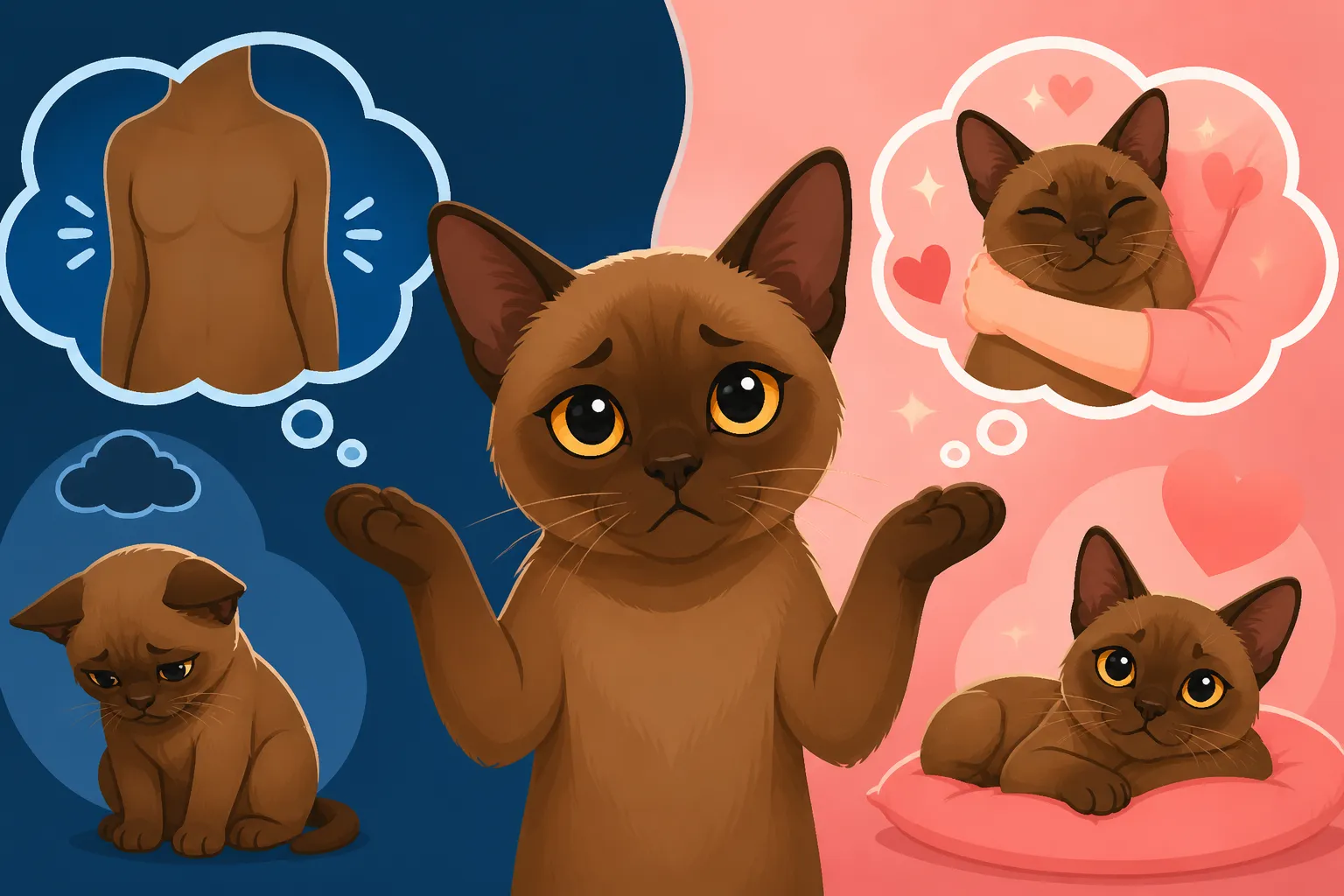
What a Flat Chested Burmese Kitten Feels Like
Bringing home a tiny Burmese kitten is usually a whirlwind of joy and purrs, but sometimes, as you cuddle that little bundle, you might notice something feels a little…different. A subtle oddity in their tiny chest can spark immediate worry, and for good reason. If you've felt a peculiar flattening or a rigidity that doesn't seem quite right, you're likely grappling with concerns about Flat Chested Kitten Syndrome (FCKS). This comprehensive guide will walk you through exactly what a flat-chested Burmese kitten feels like, how to recognize the signs, understand the potential health impacts, and explore the best ways to provide them with the loving care they deserve.
Understanding Flat Chested Kitten Syndrome (FCKS)
When you first bring home a new kitten, especially a Burmese with their famously robust and muscular build, you expect a certain feel to their tiny body. You expect a rounded, flexible rib cage that expands and contracts easily with each breath. Discovering anything less than this ideal can be incredibly alarming. Flat Chested Kitten Syndrome, or FCKS, is a condition that affects the development of a kitten's rib cage, causing it to flatten inward, sometimes severely. It's not just a cosmetic issue; this structural anomaly can have profound implications for a kitten's breathing and overall health.
What Exactly is FCKS?
At its core, Flat Chested Kitten Syndrome describes a deformity where the chest wall, rather than maintaining its natural rounded shape, becomes flattened or even concave. Think of it less like a soft, pliable basket of ribs and more like a rigid, sometimes board-like, structure. This can be present from birth or develop within the first few days or weeks of life. It’s important to understand that FCKS isn't a single, uniform condition; its severity can vary dramatically. Some kittens might have a very mild flattening that barely impacts them, while others present with a severe collapse of the chest, creating significant pressure on their internal organs. There's also a phenomenon sometimes described as "flapping" where the chest wall moves paradoxically during breathing – sinking in rather than expanding – which is a serious indicator of respiratory distress. While separate, it often gets confused with or occurs alongside a more profound version of FCKS.
This condition isn't unique to the Burmese, but it is one of the breeds where FCKS is observed with some regularity. For breeders and owners, it's a constant concern, particularly because the exact causes aren't always clear-cut. Knowing what to look and feel for is the first step in addressing it, and early detection can be absolutely crucial for a kitten's survival and long-term well-being.
Why Burmese Kittens May Be Prone
The exact etiology of Flat Chested Kitten Syndrome remains a bit of a mystery, but research and anecdotal evidence point to several contributing factors, some of which might explain why certain breeds, like the Burmese, seem to experience it more often. While the direct inheritance of FCKS isn't as straightforward as a simple recessive or dominant gene, there's a strong suspicion of a genetic predisposition. Some experts believe a polygenic inheritance pattern is at play, meaning multiple genes, possibly interacting with environmental factors, contribute to the likelihood of a kitten developing the condition. This complex genetic interplay can make it frustrating for breeders trying to eliminate it from their lines, as it doesn't follow predictable Mendelian inheritance patterns. For more on the genetic aspects, you might explore "Whether Flat Chest Is Inherited in the Burmese."
Beyond genetics, some theories propose environmental factors during gestation or early neonatal life could contribute. For instance, restrictive uterine positioning or even deficiencies in the queen's diet during pregnancy have been hypothesized, although robust scientific evidence for these environmental triggers is generally lacking. However, careful management of a pregnant queen's health and nutrition is always paramount for overall kitten health. It's also worth considering the Burmese breed's specific physical characteristics. They are known for their compact, muscular bodies, and some speculate that a predisposition to a specific growth pattern, or perhaps even the sheer robustness of their skeletal development, might inadvertently create a susceptibility to this particular rib cage malformation. While this remains an area of ongoing study, understanding these possibilities helps us approach the condition with greater awareness.
How to Identify FCKS in Your Burmese Kitten
The moment you pick up a new Burmese kitten, you’re often greeted by a soft, warm bundle of purrs and wriggles. But sometimes, when you gently run your hands over their chest, you might feel something that makes you pause. Identifying Flat Chested Kitten Syndrome often starts with this tactile exploration, followed by observing their overall behavior and breathing patterns. Early detection is absolutely vital, as it can significantly influence the outcome for the affected kitten.
The Distinctive Feel of the Chest
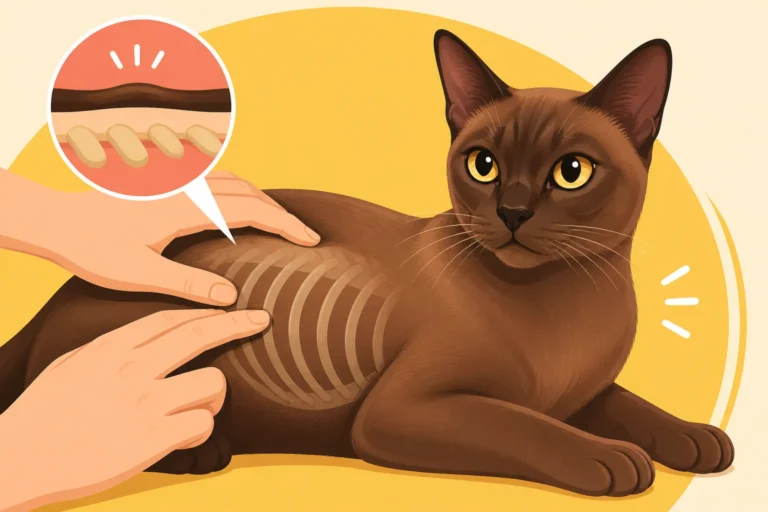
The most immediate and telling sign of FCKS is the way the kitten's chest feels to the touch. A healthy Burmese kitten's rib cage should feel rounded and supple, easily yielding slightly to gentle pressure. When you hold them, their chest should have a barrel-like curve. In contrast, a kitten with FCKS will present with a distinctively different sensation. Instead of a gentle curve, you might feel a noticeable flattening, almost as if the sternum (breastbone) has been pressed inward towards the spine, making the chest feel wide but shallow. Sometimes, it feels rigid and unyielding, like a small, flat board under your fingertips, rather than the flexible structure it should be. In more severe cases, you might even feel a concave depression.
To properly assess, gently cup the kitten in your hand, with your thumbs on either side of their rib cage. Move your thumbs from their shoulders down towards their abdomen, feeling the contour. Compare this sensation to their littermates if possible. You should be feeling for any unusual rigidity, flatness, or indentation. This physical palpation is often the first, most reliable indicator, even before visual signs become obvious. It's a subtle but critical difference that once recognized, is hard to un-feel.
Visual Cues and Behavioral Changes
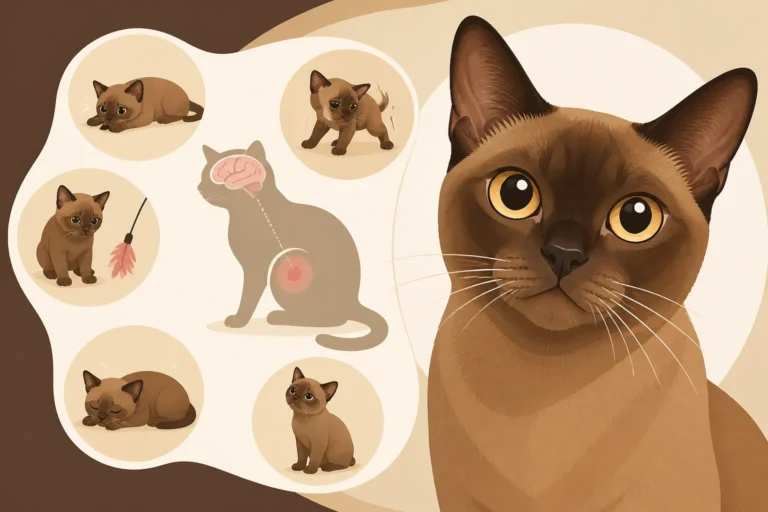
While the feel of the chest is primary, visual cues and changes in behavior are equally important in identifying FCKS. When observing a kitten with FCKS, especially if they are lying on their side, you might notice the flattened appearance of their chest wall. Their front legs might splay out more than usual due to the altered chest shape. More critically, watch their breathing. Healthy kittens breathe smoothly and effortlessly. A kitten with FCKS, however, might exhibit rapid, shallow breaths, or even visibly labored breathing where their sides are sucking in with each inhalation. Sometimes, they might resort to open-mouth breathing or have a "heaving" motion in their abdomen as they struggle for air. You can learn more about this by reading "Why a Flat Chested Burmese Kitten Struggles to Breathe."
Beyond breathing, pay close attention to their overall activity levels. A typical Burmese kitten is a ball of boundless energy, playful and eager to nurse. A kitten with FCKS, particularly in moderate to severe cases, might be lethargic, less active than their siblings, and struggle to compete for a nipple during feeding times. They might fail to gain weight at the same rate as their littermates, leading to a noticeable difference in size and vigor. These kittens often appear weaker, less robust, and might spend more time sleeping or trying to conserve energy. Any deviation from the normal energetic, thriving behavior of a kitten should prompt a closer look and a feel of their chest.
When Immediate Veterinary Attention is Critical
If you suspect FCKS, or if you notice any of the visual or behavioral signs, seeking veterinary attention quickly is non-negotiable. While some mild cases may resolve on their own, a professional diagnosis is essential to rule out other conditions and determine the severity of the FCKS. Don't delay, as early intervention can be a game-changer for these little ones. Urgent signs that warrant an immediate trip to the emergency vet include blue or pale gums, severe and persistent labored breathing, complete refusal to eat, or signs of extreme weakness and coldness. These are indicators of a severe respiratory crisis that could quickly become life-threatening.
Even for less severe but suspected cases, a vet visit is crucial. During a kitten’s first exam, which is paramount for all Burmese kittens, your vet will perform a thorough physical assessment, including careful palpation of the chest. This is often part of "What a Burmese Kitten's First Exam Should Cover." They might recommend X-rays to accurately assess the degree of chest flattening, examine the lungs for any signs of compression or secondary infection, and check the heart's position. This diagnostic imaging can provide invaluable information on how severely the internal organs are impacted. The sooner you get a clear picture of what's happening internally, the better equipped you and your vet will be to formulate a supportive care plan.
The Health Implications of FCKS for Burmese Kittens
Finding out your adorable Burmese kitten has Flat Chested Kitten Syndrome can be heartbreaking, especially as you begin to understand the potential health challenges they might face. This condition isn't just about an unusual chest shape; it has profound impacts on their internal systems, primarily affecting their ability to breathe and grow normally. Understanding these implications is crucial for providing the best possible care and having realistic expectations about their journey.
Impact on Respiration and Organ Function
The most direct and significant impact of FCKS is on a kitten's respiratory system. The flattened or concave chest restricts the natural expansion of the lungs, making it difficult for the kitten to take full, deep breaths. This limited lung capacity can lead to reduced oxygen intake, meaning less oxygen circulating throughout their tiny body. You might see signs like rapid, shallow breathing, or even open-mouth breathing when they are really struggling. This constant effort to breathe puts enormous strain on their delicate systems.
In more severe cases, the deformity of the rib cage can actually displace the heart, pushing it out of its normal anatomical position. This displacement can affect the heart's efficiency, making it work harder to pump blood, which can lead to further complications down the line. Moreover, kittens with compromised respiratory systems are at a much higher risk of developing secondary infections, such as pneumonia, because their lungs are already under stress and may not be clearing properly. It’s a vicious cycle where the initial structural issue leads to a cascade of internal problems. Imagine a kitten constantly fighting for every breath, their little body under immense pressure just to survive. This is the reality for many kittens with significant FCKS.
Growth and Development Challenges
Beyond the immediate respiratory and cardiac issues, FCKS can severely impede a kitten's overall growth and development. The constant struggle to breathe means their little bodies are expending an enormous amount of energy just to stay oxygenated. This energy diversion, coupled with potential difficulty nursing due to respiratory distress, often leads to a failure to thrive. Affected kittens may not gain weight at the expected rate, lagging significantly behind their littermates. While it's generally important to consider "Why a Burmese's Weight Should Be Recorded Monthly" for adult cats, for kittens, weekly or even daily checks are paramount.
Their stunted growth isn't just about weight; it can impact their entire physical development. They might appear smaller, weaker, and less robust. Milestones that healthy kittens reach effortlessly – like vigorous play, exploring their surroundings, and strong coordination – might be delayed or never fully achieved. Feeding becomes a chore, and they may be too weak or out of breath to suckle effectively, leading to malnourishment even if food is available. It’s a disheartening sight to see a kitten, meant to be thriving and growing rapidly, struggling so profoundly with the basics of existence.
Long-Term Prognosis and Quality of Life
The long-term prognosis for a Burmese kitten with FCKS is incredibly variable and depends heavily on the severity of the condition and the quality of supportive care provided. It's not a one-size-fits-all diagnosis. Some kittens, particularly those with very mild flattening and no significant breathing difficulties, can recover fully and go on to live a normal, healthy life. Their chest might even round out as they grow and mature. You can find more specific information on this in "Whether a Flat Chested Burmese Kitten Recovers."
However, kittens with moderate to severe FCKS often face chronic health issues. These can include lifelong respiratory problems, such as susceptibility to infections, persistent shallow breathing, or exercise intolerance. Heart conditions may develop secondary to the chronic strain. While dedicated care can improve their quality of life, they may require ongoing veterinary management and adjustments to their lifestyle. Sadly, for the most severe cases, the condition can be lethal, leading to early mortality despite best efforts. It’s a tough reality, but facing these possibilities allows owners to make informed decisions about care and to cherish every moment with their resilient little companions.
Caring for a Burmese Kitten with FCKS
Caring for a Burmese kitten diagnosed with Flat Chested Kitten Syndrome is a journey that requires immense dedication, patience, and often, significant financial resources. It's a testament to the powerful bond between pet and owner, and understanding the best approaches to care can make all the difference in their quality of life and potential for recovery.
Supportive Care and Management at Home
At home, your primary role is to provide a nurturing, stable environment that minimizes stress and maximizes comfort for your FCKS kitten. First and foremost, keeping the kitten warm is crucial, especially for a short-coated breed like the Burmese. Use heating pads on a low setting (always with a towel barrier), snuggles, or warm blankets. A quiet environment free from sudden loud noises or drafts will help reduce any stress that could worsen respiratory efforts. Frequent, small feedings are essential, as these kittens may struggle with prolonged nursing sessions. Sometimes, syringe feeding small amounts of kitten formula may be necessary to ensure adequate nutrition and hydration.
Gentle massage and specific positioning might be advised by your vet. Some believe that placing the kitten on their back for short periods or gently massaging the chest can encourage the ribs to expand, though this should only be done under veterinary guidance to avoid causing further distress. Never attempt aggressive manipulation. Daily monitoring is paramount: track their weight diligently (often multiple times a day initially, then daily or weekly). While "Why a Burmese's Weight Should Be Recorded Monthly" applies to adults, kittens need much more frequent monitoring. Observe their breathing rate and effort, appetite, and overall activity levels. Any decline warrants immediate veterinary consultation. This kind of intensive care can be emotionally and financially draining, so having a robust pet insurance plan in place, like one from Healthy Paws, can be an invaluable lifeline, covering a significant portion of unexpected vet bills.
Veterinary Treatments and Interventions
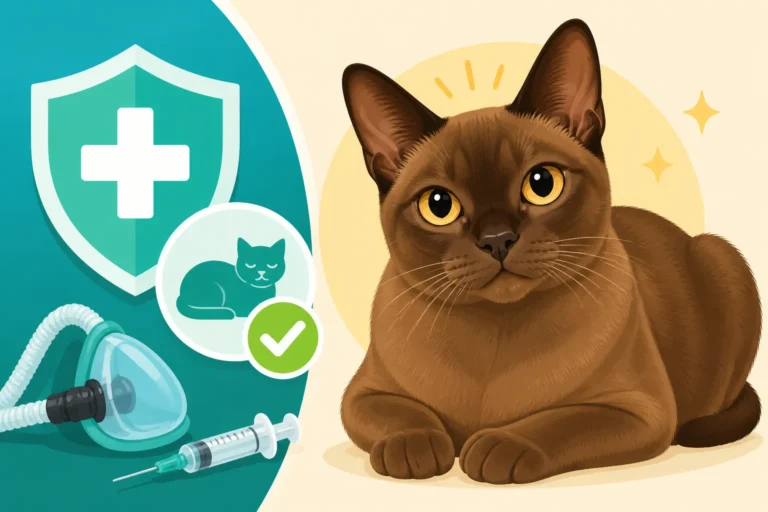
Beyond home care, veterinary intervention is critical for managing FCKS. The specific treatments will depend entirely on the severity of the condition. For kittens with mild to moderate respiratory compromise, non-invasive supportive care often includes oxygen therapy in an incubator to aid breathing, and possibly medications such as bronchodilators to open airways or antibiotics if a secondary infection is suspected. Nutritional supplements may also be prescribed to ensure they receive all the necessary nutrients for growth.
In severe cases where the chest flattening is significantly impacting organ function and breathing, surgical intervention might be considered. This typically involves placing an external splint or custom-made brace across the kitten's chest to gently pull the sternum outward, allowing the chest cavity to expand. This procedure is complex and carries risks, but it can be life-saving for some kittens. Your vet will discuss the pros and cons, success rates, and potential complications specific to your kitten's situation. They will also provide a realistic prognosis and guide you through every step. The cost of such specialized veterinary care, from diagnostics to ongoing treatments or even surgery, can quickly add up. This is where comprehensive pet insurance from a provider like Healthy Paws truly shines, offering peace of mind and allowing you to focus on your kitten's recovery rather than overwhelming medical bills.
Emotional Support for Kitten and Owner
Caring for an FCKS kitten isn't just about medical treatments; it's also about providing immense emotional support to both the kitten and yourself. These little fighters often require an extraordinary amount of dedication and patience. There will be days of worry, sleepless nights, and moments of doubt, but your unwavering love and commitment are profoundly important. Despite their physical challenges, these kittens are often incredibly affectionate, forming deep bonds with their caregivers.
Embrace the journey with an open heart. Celebrate every small victory – a healthy weight gain, a slightly easier breath, a moment of playful energy. It’s important to acknowledge the emotional toll this kind of intensive care can take on you. Don't hesitate to reach out to experienced Burmese breeders, online support groups, or your veterinary team for advice and empathy. Sharing your experiences and learning from others can provide invaluable comfort and practical tips. Knowing you have the financial backing for their veterinary care through a comprehensive plan like those offered by Healthy Paws can lift a huge burden, allowing you to pour all your emotional energy into nurturing your beloved Burmese kitten through this challenging time. It’s a remarkable journey, often filled with heartbreak, but also with incredible resilience and profound love.
Disclaimer
This article is intended for informational purposes only and does not constitute veterinary advice. Always consult with a qualified veterinarian for any health concerns or before making any decisions about your pet's medical care.