Why a Burmese’s Insulin Dose Changes as It Loses Weight
It's incredibly frustrating when you're doing everything right for your diabetic Burmese, carefully managing their diet and insulin, only to find that their needs seem to be a moving target. Many owners, myself included, have been there, watching our beloved cats lose weight and wondering if their insulin dose, which was so painstakingly established, is now too high. This guide is here to walk you through exactly why your Burmese's insulin dose will change as they lose weight, what that means for their ongoing care, and how you can work with your vet to keep them healthy.
The Delicate Balance: Why Weight Loss Impacts Burmese Insulin Needs
When your Burmese cat is diagnosed with diabetes, especially Type 2, excess weight is often a significant contributing factor. It's not just about the numbers on the scale; it's about how that extra body fat fundamentally alters their metabolism and their body's ability to respond to insulin. Understanding this connection is the first step in appreciating why weight loss is such a powerful tool in managing their condition.
Understanding Insulin Resistance in Overweight Burmese
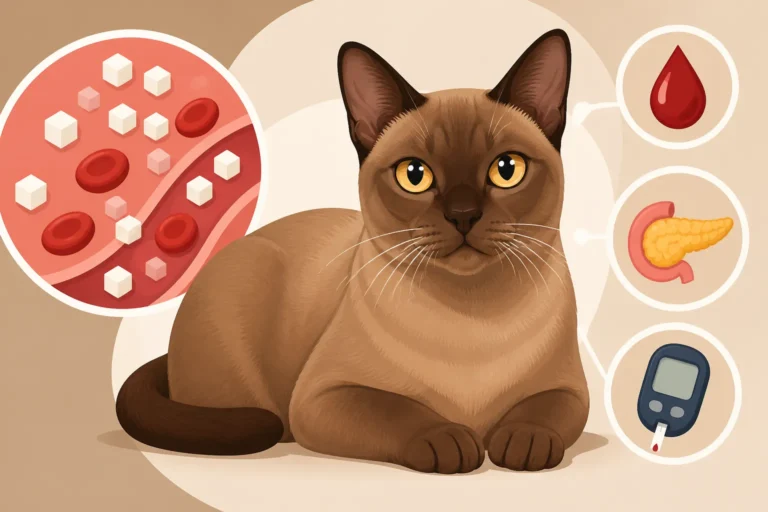
Think of your cat's body as a complex system of locks and keys. Insulin is the key that unlocks cells, allowing glucose (sugar) from their food to enter and be used for energy. When a Burmese is overweight, particularly if they are significantly heavier than their ideal body condition, those locks become rusty or even blocked. This phenomenon is called insulin resistance. The fat cells themselves aren't just inert storage; they actively release inflammatory chemicals and hormones that interfere with insulin's job. This means that even if the pancreas is producing enough insulin, or you're injecting insulin, the cells aren't responding effectively. It's like trying to open a door with the right key, but the lock is stubbornly refusing to turn.
Given that Why a Burmese Is Four Times More Likely to Become Diabetic, this breed is already predisposed to developing insulin resistance. Adding extra weight compounds this genetic vulnerability, putting immense strain on their pancreas. Over time, the pancreas, working overtime to produce more and more insulin to overcome this resistance, can become exhausted, leading to a decline in its ability to produce insulin at all. This vicious cycle is why early intervention with weight management is so crucial for their long-term health. The fat tissue isn't just a physical burden; it's a metabolic one, actively disrupting the delicate balance of blood sugar control.
The Goal: Remission or Better Glucose Control
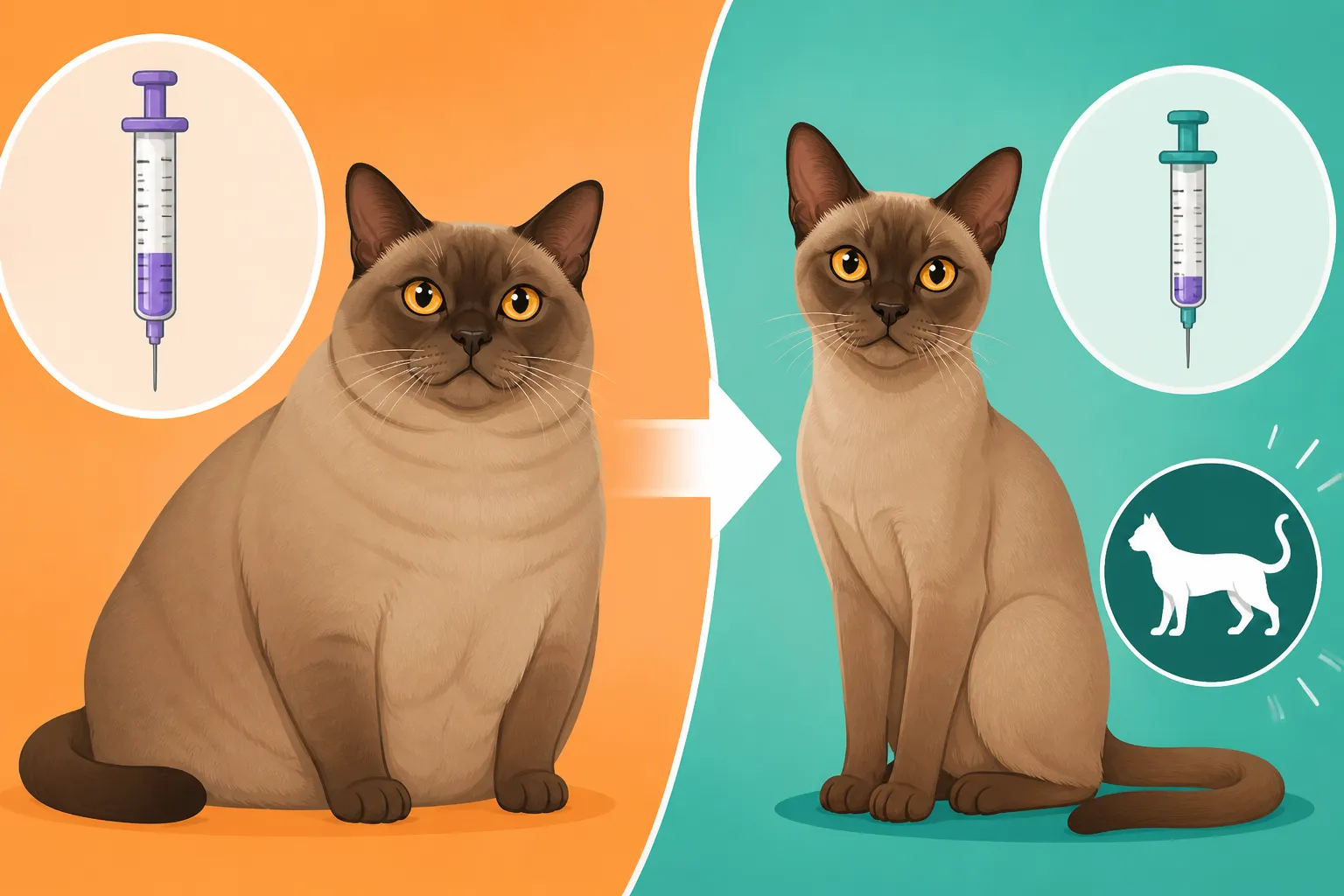
The beautiful thing about addressing weight in a diabetic Burmese is that it's one of the most effective levers we have. Weight loss isn't just about making your cat look svelter or fit into their old carrier more easily; it's a profound medical intervention. As your Burmese sheds those extra pounds, especially the fat around their internal organs, their cells start to become more sensitive to insulin again. Those rusty locks begin to loosen up, and the keys can turn more easily. This means their body can either produce more effective insulin on its own, or the injected insulin you're giving them starts to work much more efficiently.
For some incredibly lucky Burmese, significant weight loss, combined with a proper diet, can even lead to diabetic remission. This isn't a cure, as the underlying predisposition remains, but it means their body might be able to manage its blood sugar without daily insulin injections. Even if full remission isn't achieved, better glucose control is almost always a direct result of healthy weight loss. This translates to fewer symptoms, a more stable energy level, and a significantly improved quality of life. It lessens the burden on their pancreas, reduces the risk of long-term complications, and quite simply, gives them a better chance at a long and happy life. It's a testament to how proactive care truly makes a difference.
Navigating the Numbers: Monitoring and Adjusting Insulin
Once your Burmese is on the path to weight loss, the management of their diabetes becomes an active, collaborative process between you and your vet. It's not a set-it-and-forget-it situation, especially as their body chemistry changes. Regular monitoring and expert guidance are absolutely essential to ensure their insulin dose matches their improving metabolic state.
The Critical Role of Home Glucose Monitoring
While your vet will conduct periodic blood tests, the real-time insights come from home glucose monitoring. This might sound daunting at first, but with a little practice and a cooperative Burmese (which, let's be honest, they usually are when food is involved!), it becomes part of the routine. You're looking for patterns, not just individual readings. As your Burmese loses weight, their cells become more responsive to insulin, meaning the same dose that was once appropriate might now be too much, leading to dangerously low blood sugar levels. Learning How a Burmese Is Monitored on Insulin at Home gives you crucial data.
Consistent home checks allow you to see if blood sugar levels are dipping too low at certain points after injection or before the next meal. These spikes and drops are your early warning system. For example, if your cat's pre-insulin glucose readings are consistently lower than they used to be, or if you notice values dropping significantly faster than before, it's a strong indicator that their insulin needs are decreasing. Keeping a detailed log of these readings, along with their food intake and any behavioral changes, provides an invaluable resource for your veterinarian when discussing dosage adjustments. It's all about being proactive and data-driven in their care.
Working Closely with Your Veterinarian
Let me be absolutely clear on this: never adjust your cat's insulin dose without direct instruction from your veterinarian. While home monitoring is crucial for gathering data, interpreting that data and making dosage changes requires professional expertise. Your vet will take into account multiple factors, including your cat's overall health, appetite, energy levels, and the results from more comprehensive tests like fructosamine levels and glucose curves. A fructosamine test, for instance, gives an average blood glucose level over the past one to two weeks, which is a great indicator of overall control.
Regular check-ups are non-negotiable during a weight loss and diabetes management program. Your vet will likely recommend a recheck within a few weeks of starting a weight loss regimen or once significant weight loss has occurred. They might perform another glucose curve in the clinic, or review your home monitoring logs to identify trends. This collaborative approach ensures that any insulin adjustments are made safely and effectively, preventing both hyperglycemia (blood sugar that's too high) and the far more dangerous hypoglycemia (blood sugar that's too low). Navigating the costs of these essential vet visits and ongoing care can be a concern for many. It's worth researching options like Healthy Paws pet insurance, as many pet parents find they can help manage the financial aspect of chronic conditions. Even if a policy might Whether a Burmese Policy Is Worth It Once Diabetes Is Excluded, having coverage for other potential health issues can still be a huge relief.
The Dietary Corner: Fueling Healthy Weight Loss
Diet is, without a doubt, the cornerstone of managing diabetes and promoting healthy weight loss in a Burmese cat. You can administer all the insulin in the world, but if their diet isn't supporting their metabolic needs, you'll be fighting an uphill battle. For our beloved Burmese, who are already genetically predisposed to diabetes, their food choices become a critical part of their medical care.
Why Low Carbohydrate is Key for Diabetic Burmese
The digestive system of a cat, as obligate carnivores, is designed to process protein and fat, not a lot of carbohydrates. When a cat consumes a high-carbohydrate diet, especially those often found in dry kibble, it leads to rapid spikes in blood sugar. This forces the pancreas to pump out large amounts of insulin, contributing to insulin resistance over time. For a diabetic Burmese, this roller coaster of blood sugar makes managing their condition incredibly difficult, even with insulin injections. This is precisely Why Low Carbohydrate Food Matters for a Burmese.
A high-protein, low-carbohydrate wet food diet is often recommended for diabetic cats aiming for weight loss. This type of diet mimics what a cat would naturally eat, promoting stable blood sugar levels throughout the day. When glucose spikes are minimized, the body's cells are less overwhelmed, and the existing insulin can work more effectively. This not only aids in fat loss by encouraging the body to burn fat for energy instead of relying on rapidly available carbohydrates, but it also reduces the overall demand on the pancreas. It helps break the cycle of insulin resistance and gives your Burmese the best chance at better glucose control or even remission.
Portion Control and Consistent Feeding Schedules
Simply switching to a low-carb diet isn't enough; how much and when you feed your Burmese is equally vital. Free-feeding, leaving a bowl of food out all day, is a definite no-go for a diabetic cat. This unpredictable intake makes it nearly impossible to time insulin injections correctly and can lead to erratic blood sugar levels. Instead, strict portion control and consistent feeding schedules are paramount. Learning Why Portion Control Is Medical Care in a Burmese is a game changer.
This means precisely weighing your Burmese's food at each meal. Invest in a good digital kitchen scale – it's going to be your best friend. A scoop is simply not accurate enough when you're dealing with sensitive calorie requirements and insulin timing. Your veterinarian will help you determine the appropriate daily caloric intake for gradual, healthy weight loss. This amount is then divided into two or three meals, timed carefully around their insulin injections. For instance, many vets recommend feeding just before or immediately after an insulin shot to ensure there's glucose available for the insulin to act upon. Consistent feeding times help establish a predictable rhythm for their metabolism and blood sugar, making insulin management much more effective.
Recognizing the Signs: What to Watch for During Weight Loss
As your Burmese cat successfully loses weight and their insulin sensitivity improves, their body's needs will change. This is a positive development, but it also means you need to be vigilant for signs that their insulin dose might now be too high. Recognizing these subtle cues quickly can prevent serious complications and ensure their journey to better health is smooth and safe.
Signs of Too Much Insulin (Hypoglycemia)
When a diabetic cat receives too much insulin relative to their current needs, their blood sugar can drop dangerously low, a condition known as hypoglycemia. This is a medical emergency and requires immediate attention. As your Burmese loses weight, their body becomes more efficient at using insulin, meaning the old dose could suddenly become excessive. It’s crucial to know What a Hypoglycemic Burmese Looks Like so you can act fast.
Symptoms can appear rapidly and include:
- Weakness or lethargy: Your usually energetic Burmese might seem unusually tired, listless, or unwilling to play.
- Stumbling or incoordination: They might walk as if they're drunk, swaying or bumping into furniture.
- Tremors or twitching: You might observe muscle tremors, particularly in their head or limbs.
- Disorientation: They may seem confused, stare blankly, or hide in unusual places.
- Vomiting: While not always present, it can occur.
- Seizures or collapse: In severe cases, your cat may have seizures or collapse into unconsciousness.
If you suspect hypoglycemia, immediately rub a small amount of corn syrup or honey onto their gums. Do not try to force them to eat solid food if they are weak or disoriented, as they could choke. Contact your vet immediately, even if they seem to recover, as rebound hypoglycemia can occur. This is why consistent home glucose monitoring is so vital; it helps you catch these dips before they become severe.
Signs of Insufficient Insulin (or Positive Changes in Glucose Control)
While hypoglycemia is the immediate concern during weight loss and insulin dose adjustments, it’s also important to understand what improved glucose control looks like. If their weight loss journey is successful and their insulin dose is appropriately adjusted downwards, you'll see a reduction in the classic signs of untreated diabetes. These positive changes are a wonderful indicator that your hard work is paying off.
You might notice that your Burmese is no longer constantly thirsty, and their water bowl isn't emptying as rapidly. The frantic trips to the litter box will likely decrease significantly, as their kidneys are no longer trying to flush out excess sugar. Remember, Why a Burmese Drinking More Needs Testing That Week, so seeing that reverse is excellent. Their appetite, which might have been voracious and insatiable due to their cells starving for glucose, should also start to normalize. They'll have more stable energy levels, returning to their playful, affectionate selves, even if they are still A Burmese Is Still Playing at Fifteen. It's a joy to see them bounce back!
It's less common for insulin to be insufficient during a period of successful weight loss and dose adjustments, unless the dose hasn't been lowered enough to match their improving sensitivity. In such cases, you might still see persistent thirst, frequent urination, or a lack of energy, indicating that their blood sugar levels are still too high. This just reinforces the need for ongoing veterinary consultation and diligent home monitoring. Every Burmese is an individual, and their journey to optimal diabetic management will be unique.
| Symptom Category | Signs of High Blood Sugar (Before/Early Treatment) | Signs of Low Blood Sugar (Hypoglycemia – Potential During Weight Loss/Insulin Adjustment) |
|---|---|---|
| Thirst/Urination | Increased thirst (polydipsia), frequent/large volume urination (polyuria) | Normal or decreased thirst/urination (if improving) |
| Appetite/Weight | Increased appetite (polyphagia) despite weight loss, poor body condition | Normal appetite or sudden disinterest in food, rapid weight loss if not managed |
| Energy/Behavior | Lethargy, weakness, reduced playfulness, withdrawn | Sudden weakness, stumbling, disorientation, tremors, seizures, collapse (emergency) |
| Vomiting/Diarrhea | Can occur, sometimes with diabetic ketoacidosis (DKA) | Can occur, but often accompanied by neurological signs |
| Coat Condition | Dull, unkempt coat due to poor health | Normal to improving coat quality |
| Mouth/Breath | Sweet-smelling breath (DKA), dental issues | Normal breath |
Caring for Your Burmese Through Diabetic Management and Weight Loss
Taking care of a diabetic Burmese, especially one on a weight loss journey, requires dedication, consistency, and a whole lot of love. It’s a marathon, not a sprint, and there will be good days and challenging ones. But seeing your beloved cat regain their health and vitality makes every effort worthwhile. Remember, your Burmese thrives on routine and affection, and these elements will be just as important as their medical care.
One of the most valuable things you can do is to maintain an incredibly consistent daily schedule. This means feeding them at the exact same times each day and administering their insulin injections as prescribed. Cats are creatures of habit, and this predictability helps stabilize their blood sugar and makes the routine less stressful for everyone involved. For example, if you feed at 7 AM and 7 PM, try to stick to those times within a 15-minute window every single day. This consistency is a huge factor in managing their diabetes effectively and helps you to observe any subtle changes more easily.
Beyond the immediate medical care, remember the emotional support your Burmese needs. They are incredibly people-oriented cats, often described as "Velcro cats" because of their desire to be constantly near you. This means that while you're meticulously weighing their food and giving injections, you're also providing comfort and reassurance. Make sure they still get plenty of playtime, even if it's gentle games that don't involve a lot of running. Engage them with wand toys or retrieve games that they often enjoy. Consistent positive interaction helps reduce stress, which can also influence blood sugar levels. A happy, less stressed cat is often a healthier cat. If you are ever worried about their overall well-being and whether they might be hiding something, remember Why a Burmese Hides Illness Behind Its Affection, and always err on the side of caution with a vet visit.
Disclaimer
This article is for general informational purposes only and does not constitute professional advice. Laws, prices and regulations vary by location and change over time. Consult a qualified professional for guidance on your specific situation.