What GM2 Gangliosidosis Does to a Burmese
It’s truly devastating when you discover your beloved Burmese, a cat known for its vibrant personality and close companionship, might be suffering from a severe genetic disorder. The confusion, the fear, and the helplessness can be overwhelming as you try to understand what's happening to your cherished feline friend. This comprehensive guide is here to shed light on GM2 Gangliosidosis in Burmese cats, explaining what it is, how it's inherited, what signs to look for, and how both breeders and owners can navigate this challenging condition.
Understanding GM2 Gangliosidosis in Your Burmese
GM2 Gangliosidosis is one of those deeply unsettling words no pet owner ever wants to hear. It's a rare, but incredibly serious, inherited neurological disorder that primarily affects certain cat breeds, including our beautiful Burmese. This isn't just a minor ailment; it's a progressive and ultimately fatal condition that impacts the cat's nervous system profoundly. When a genetic disease like this enters a beloved breed's lineage, it creates significant challenges for both the cats themselves and the devoted humans who care for them.
What is GM2 Gangliosidosis?
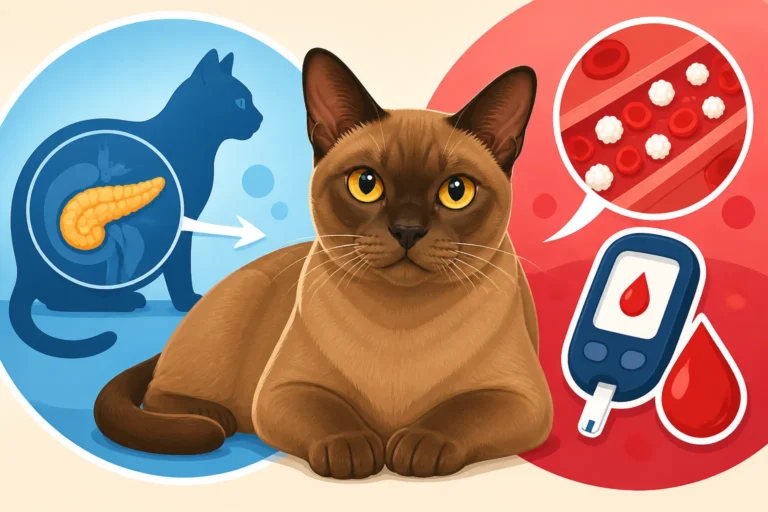
At its core, GM2 Gangliosidosis is a lysosomal storage disease. Now, that's a mouthful, but let me break it down in a way that makes sense. Imagine every cell in your cat's body has tiny recycling centers called lysosomes. Their job is to break down waste products and old cell parts, keeping everything clean and functioning efficiently. In cats with GM2 Gangliosidosis, there's a specific enzyme missing or deficient within these lysosomes – an enzyme called beta-hexosaminidase. This particular enzyme is crucial for breaking down a fatty substance known as GM2 ganglioside.
Without this enzyme, the GM2 ganglioside doesn't get properly recycled. Instead, it starts to accumulate and build up, primarily in the nerve cells of the brain and spinal cord. Think of it like a clogged drain; eventually, the waste backs up, causing serious problems. This accumulation is toxic to the nerve cells, leading to their progressive damage and dysfunction. The effects are widespread, impacting everything from movement and coordination to sight and hearing, manifesting as a severe neurological decline that progresses over time.
The Genetic Basis: How it's Inherited
Understanding how GM2 Gangliosidosis is passed down through generations is absolutely vital, especially for breeders and anyone considering adding a Burmese to their family. This disease is inherited in an autosomal recessive manner. What does "autosomal recessive" mean for us laypeople? It means that a kitten needs to inherit two copies of the defective gene—one from its mother and one from its father—to actually develop the disease.
If a kitten inherits only one copy of the defective gene and one normal copy, it won't show any symptoms of the disease. Instead, it will be a "carrier." These carriers are completely healthy cats themselves, often living long, normal lives, but they carry the potential to pass the defective gene on to their offspring. The real problem arises when two carriers are bred together. In such a pairing, statistically, 25% of the kittens will be unaffected and not carriers, 50% will be healthy carriers (like their parents), and tragically, 25% will inherit two copies of the defective gene and develop GM2 Gangliosidosis. This is why proper What a Burmese Breeder Must Test Before Any Mating is so incredibly important to safeguard the health of the breed.
Recognizing the Heartbreaking Signs in Your Burmese Kitten
One of the most agonizing aspects of GM2 Gangliosidosis is that it typically strikes when kittens are young and should be at their most playful and energetic. Watching a vibrant kitten slowly succumb to a debilitating neurological condition is a profound sorrow for any owner. The signs can be subtle at first, easily mistaken for normal kitten clumsiness or slow development, which makes early identification all the more challenging.
Early Onset Symptoms in Kittens
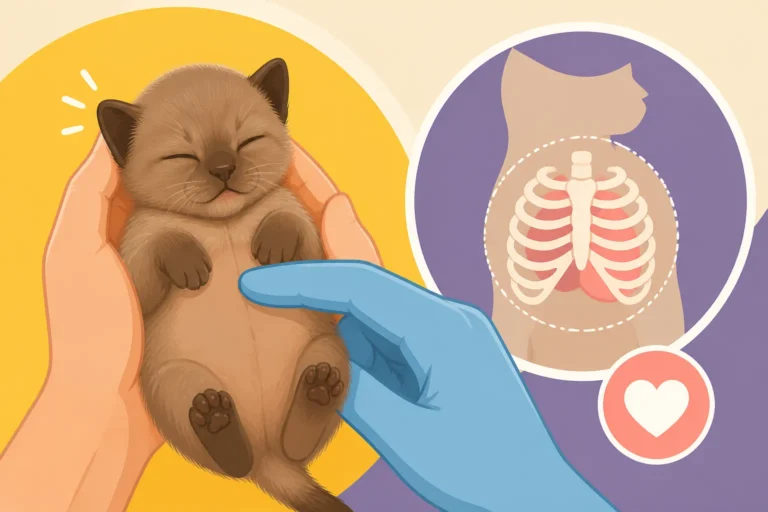
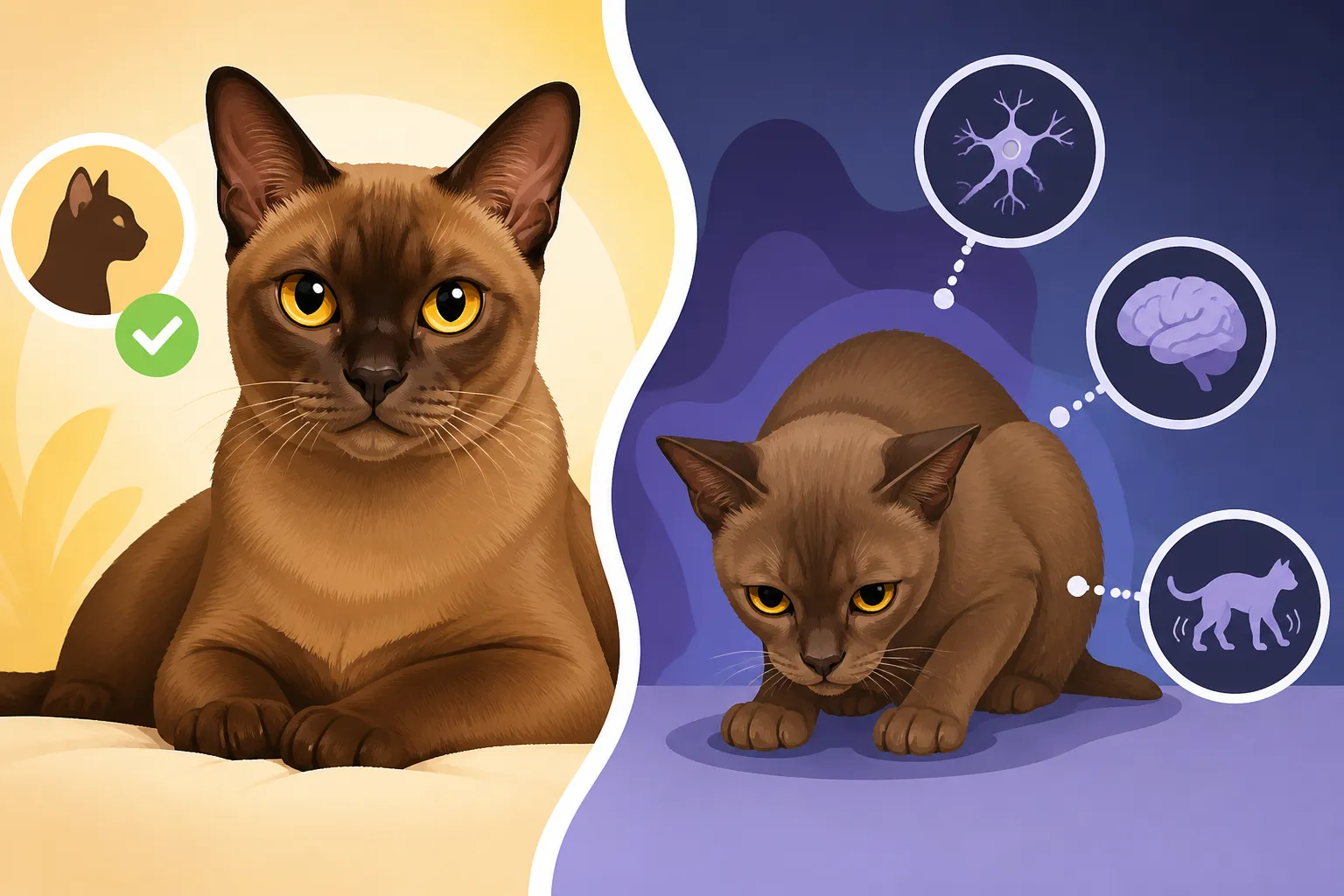
The heartbreaking reality of GM2 Gangliosidosis is that its symptoms usually begin to appear in Burmese kittens between four and six months of age, though sometimes it can be slightly earlier or later. You might notice your kitten, which was once coordinated and full of boundless energy, starting to exhibit some odd behaviors. One of the first and most common signs is ataxia, which is essentially a lack of coordination. Your kitten might stumble, walk with a wide-legged gait, or struggle to jump gracefully. Imagine a tiny drunk sailor trying to walk a straight line; that's the kind of imbalance you might observe.
Beyond just clumsiness, you could start to see fine tremors, particularly when the kitten is trying to focus on something or is excited. Their head might bob slightly, or their legs might shake. They might also develop an unusual, high-stepping walk (hypermetria) as they try to compensate for their lack of proprioception – the sense of where their body parts are in space. Over time, their vision and hearing can also begin to deteriorate, making them less responsive to their environment. This progressive decline can be confusing for owners, who might initially think their kitten is just a bit awkward or perhaps has a nutritional deficiency. It highlights why understanding How early GM2 shows in a Burmese is crucial for concerned owners.
Progression of the Disease
Once these initial signs appear, the sad truth is that GM2 Gangliosidosis is a progressive disease, meaning it only gets worse over time. The neurological damage continues as the GM2 gangliosides build up relentlessly in the nerve cells. Over the next few months, a kitten's condition will typically deteriorate steadily. The ataxia becomes more pronounced, the tremors more constant, and eventually, they may struggle with basic motor functions like eating, drinking, and using the litter box.
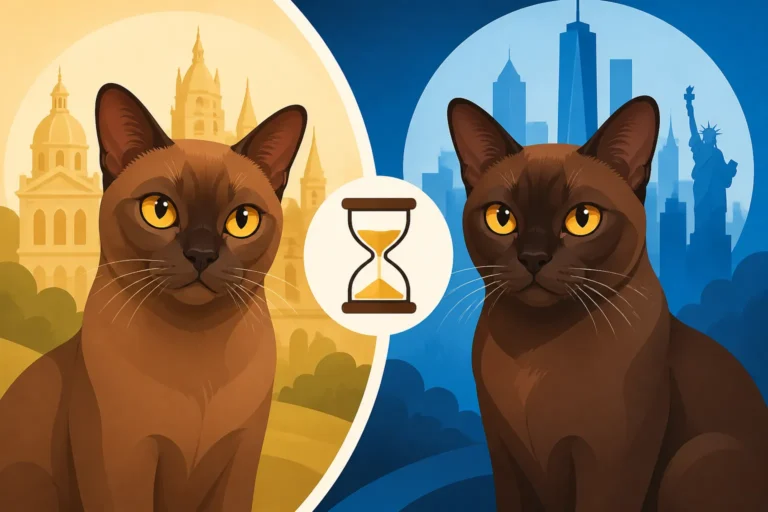
The impact on their quality of life is profound. They lose their ability to play, explore, and interact with the world around them in the way a healthy kitten should. Sadly, because the disease is so debilitating and progressive, most affected kittens do not live beyond one to two years of age. This stands in stark contrast to the robust The Sixteen to Eighteen Years a Well Bred Burmese Gets in a healthy cat. Owners are faced with incredibly difficult decisions about their pet's comfort and dignity, as there is currently no cure for GM2 Gangliosidosis, only supportive care. The emotional toll of watching such a young, innocent life fade away due to a genetic lottery is immense.
Navigating Diagnosis and Confirming GM2 Gangliosidosis
When you see a kitten struggling with neurological symptoms, it’s a race against time to get answers. The insidious nature of GM2 Gangliosidosis means that early diagnosis is critical, not just for the affected kitten's care, but also for preventing future cases within the breed. The good news is that we have reliable tools today that can confirm or rule out this devastating condition.
The Importance of Genetic Testing
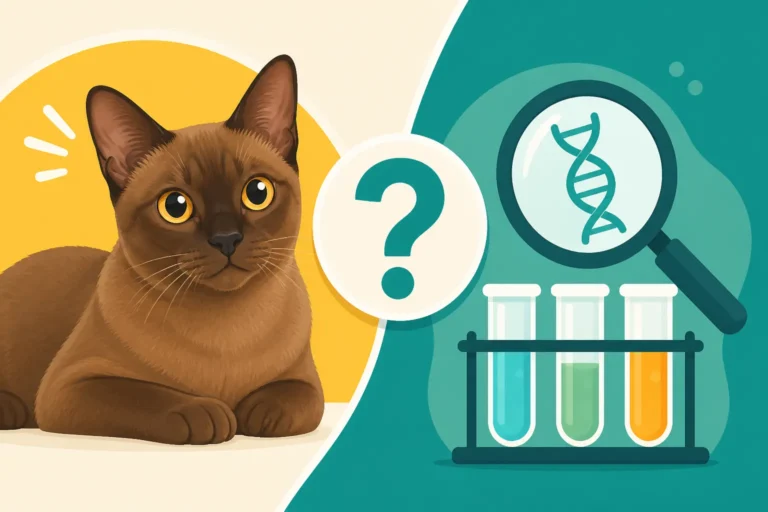
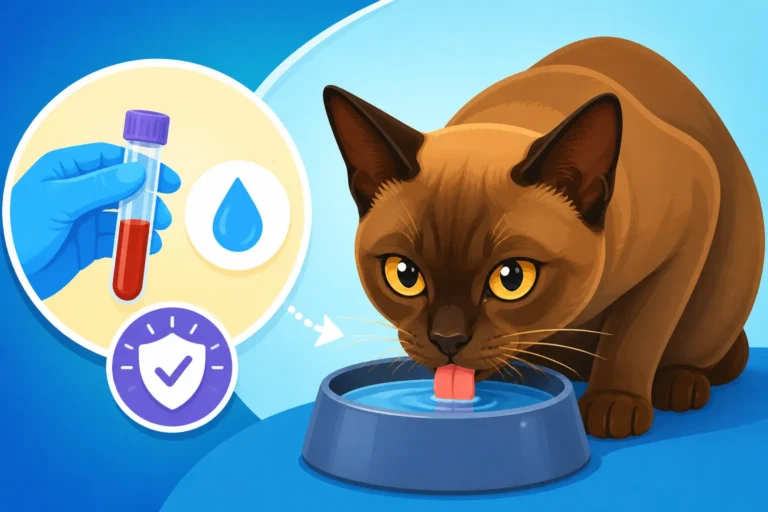
For any serious breeder or conscientious owner, genetic testing is the cornerstone of preventing and diagnosing GM2 Gangliosidosis. The best part? Whether a GM2 test exists for the Burmese – and the answer is yes! Specific DNA tests are available that can accurately identify whether a cat is clear of the mutation, a carrier, or affected by the disease. These tests typically involve a simple cheek swab, making them non-invasive and easy to perform. Knowing this information is empowering for breeders, allowing them to make informed decisions about mating pairs to avoid producing affected kittens.
Reputable breeders will always perform these genetic tests on their breeding stock as part of a comprehensive health screening. This should be a non-negotiable step, alongside other important screens detailed in articles like Which Tests Belong on a Burmese DNA Panel. For a prospective owner, asking to see the genetic test results for both parents of a kitten is not just reasonable; it's absolutely essential. It provides peace of mind that you're not unknowingly bringing a genetically predisposed kitten into your home, or contributing to the spread of a preventable disease. These tests are the best defense we have against genetic diseases, offering a clear pathway to responsible breeding practices and healthier cats. You may be surprised to learn What a Full Burmese Genetic Panel Costs but it's a small price for such important information.
Clinical Diagnosis and Differential Diagnoses
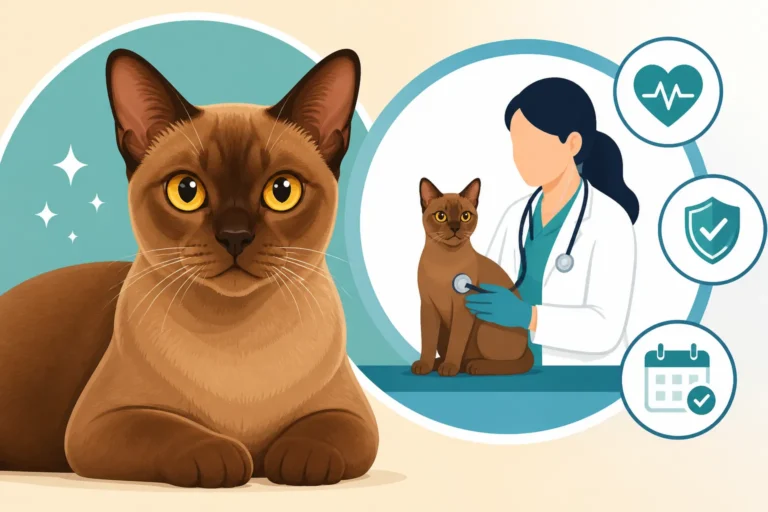
While genetic testing is definitive for confirming GM2 Gangliosidosis, the diagnostic journey often begins in a veterinarian's office, prompted by an owner's concerns about their kitten's symptoms. Your vet will perform a thorough physical and neurological examination, looking for signs like ataxia, tremors, vision impairment, and changes in reflexes. However, these symptoms can unfortunately overlap with several other neurological conditions that can affect young cats. Therefore, your vet will need to consider and rule out other possibilities, a process known as differential diagnosis.
Other conditions that might mimic GM2 Gangliosidosis include certain viral infections, nutritional deficiencies, toxic exposures, or even other genetic disorders. Diagnostic steps might include blood tests, urinalysis, X-rays, or even advanced imaging like an MRI to look for structural abnormalities in the brain. In some cases, a vet might recommend an enzyme assay, which measures the level of beta-hexosaminidase activity in the cat's blood or tissue. A significantly reduced or absent level of this enzyme would strongly suggest GM2 Gangliosidosis. It's a complex process, but a dedicated vet will work diligently to narrow down the possibilities and arrive at an accurate diagnosis, understanding that Why a Burmese Hides Illness Behind Its Affection can make early detection tricky with many conditions.
Caring for a Burmese Affected by GM2 Gangliosidosis
Receiving a diagnosis of GM2 Gangliosidosis for your Burmese kitten is devastating. There's no sugarcoating it – it's an incredibly difficult journey. While a cure isn't currently available, focusing on providing comfort, dignity, and the best possible quality of life for the time your kitten has left becomes the utmost priority. This stage of care is less about treatment and more about compassionate support.
Supportive Care and Management
Since there's no specific treatment to halt or reverse GM2 Gangliosidosis, supportive care is all about managing symptoms and ensuring your kitten is as comfortable and happy as possible. This means working closely with your veterinarian to address each symptom as it arises. For instance, if your kitten is struggling with mobility, you might need to make environmental adjustments. Think about non-slip mats on floors, low-sided litter boxes that are easy to access, and food and water bowls placed where they don't have to navigate stairs or tricky terrain. Soft bedding and easy-to-reach resting spots become crucial.
Your vet might also suggest medications to help manage secondary symptoms, such as muscle tremors or anxiety, although these won't stop the progression of the disease itself. Nutritional support is also vital, as affected kittens might have difficulty eating or drinking. High-calorie, palatable wet food or even assisted feeding might become necessary. For families considering how to manage the significant vet costs that can accrue with such a condition, researching pet insurance options from providers like Healthy Paws, even knowing that genetic conditions can have waiting periods or exclusions, can be a part of long-term financial planning for cat ownership. Every intervention is aimed at maintaining comfort and maximizing your kitten's remaining days, allowing them to feel loved and secure.
The Emotional Toll on Owners
Perhaps one of the most overlooked aspects of dealing with a pet diagnosed with a terminal genetic illness like GM2 Gangliosidosis is the profound emotional toll it takes on the owner. You brought this tiny, innocent creature into your home, envisioning years of purrs, playful antics, and cuddles. To then face the reality of a progressively debilitating and fatal condition is heartbreaking. The grief can be intense, a complex mix of sadness, frustration, anger, and often, guilt – even if there's nothing you could have done differently.
Owners often grapple with making incredibly difficult decisions, particularly concerning euthanasia. Knowing when to say goodbye, when the quality of life has diminished to a point where suffering outweighs joy, is one of the hardest choices any pet parent can face. It's okay to seek support during this time, whether from a sympathetic veterinarian, a pet bereavement counselor, or a supportive community of other pet owners. Remembering that you are providing love and comfort to your cat throughout its short life, and making the compassionate choice when the time comes, is the ultimate act of kindness. Whether a Burmese Kitten Can Be Screened for GM2 at Birth means that some of these emotional struggles can be mitigated, but for those facing an affected cat, the journey is tough.
Ethical Breeding: Preventing GM2 Gangliosidosis in Future Generations
The existence of genetic diseases like GM2 Gangliosidosis in beloved breeds underscores the immense responsibility of breeders. While no one wants to see a kitten suffer, preventing these conditions requires diligent, ethical practices that prioritize health above all else. For the Burmese cat community, this means making conscious choices that protect the breed's future.
Breeder Screening Protocols
The most powerful tool we have against GM2 Gangliosidosis is responsible breeding, and that starts with comprehensive genetic screening protocols. Every Burmese cat intended for breeding, regardless of whether it shows symptoms (remember, carriers are asymptomatic!), must undergo DNA testing for GM2 Gangliosidosis. There's simply no excuse to skip this step today. Ethical breeders invest in these tests, not just for the immediate health of their kittens, but for the long-term health of the entire breed line. This includes regular testing and updating their records.
When a breeder receives test results, they use this information to carefully plan matings. The golden rule is simple: never breed two carriers together. If a cat is identified as a carrier, it can still be bred, but only to a cat that has tested clear for the GM2 mutation. This ensures that no kitten from that pairing will inherit two copies of the defective gene and develop the disease. A breeder who truly cares about the future of the breed will be transparent with these results and prioritize genetic health over convenience or perceived beauty, understanding that Which Tests Belong on a Burmese DNA Panel are not optional extras.
What Prospective Owners Should Ask
As a prospective Burmese cat owner, you have a vital role to play in promoting ethical breeding practices and ensuring you bring home a healthy kitten. You absolutely have the right—and the responsibility—to ask detailed questions about the health of the parents and the litter. Do not hesitate to inquire about GM2 Gangliosidosis testing specifically. Ask to see actual copies of the genetic test results for both the dam (mother) and sire (father) of the kitten you are considering. These documents should clearly state that both parents are either "clear" or that one parent is a "carrier" and the other is "clear." If a breeder hesitates, makes excuses, or claims they "don't believe in testing," consider it a significant red flag and walk away.
Beyond genetic tests, a good breeder will offer a health guarantee for their kittens. They should also be transparent about the health history of their lines, willing to discuss any past health issues encountered in previous litters. A responsible breeder will ask you plenty of questions too, ensuring their kitten is going to a loving and suitable home. This two-way conversation builds trust and ensures that you are adopting from someone committed to the breed's well-being. It's also wise to consider options like pet insurance from companies such as Healthy Paws to help cover unexpected health issues, understanding that even the most responsibly bred cats can face unforeseen veterinary needs over their How Many Years a Well Bred Burmese Lives.
Disclaimer
This article is intended for informational purposes only and does not constitute veterinary advice. If you suspect your Burmese cat is exhibiting symptoms of GM2 Gangliosidosis or any other health condition, please consult with a qualified veterinarian immediately. Only a veterinary professional can accurately diagnose and recommend appropriate treatment for your pet.