The Burmese Has the Highest Diabetes Rate of Any Cat Breed
The initial shock of learning your cherished Burmese cat has diabetes can be truly overwhelming. Many of us adopt these wonderful, affectionate felines, drawn to their playful nature and striking good looks, without fully realizing their breed-specific health vulnerabilities. It’s a harsh reality that Burmese cats, sadly, statistically face the highest diabetes rate among all cat breeds, often leaving owners feeling unprepared and frightened. This guide is here to walk you through why this is the case, what signs to look for, how to navigate a diagnosis, and most importantly, how to give your beloved Burmese the best possible chance at a long, healthy, and happy life, even with this challenging condition.
The Unique Vulnerability of the Burmese to Diabetes
When you bring a Burmese into your home, you're not just getting a cat; you're welcoming a tiny, muscular bundle of energy with a huge personality. But beneath that sleek, satin coat lies a genetic predisposition that makes them uniquely susceptible to certain health issues, with diabetes mellitus being at the top of the list. It's a sobering truth that sets the Burmese apart and requires a heightened level of awareness and proactive care from their human companions.
Understanding the Alarming Statistics
It’s one thing to hear that a breed has a "higher risk" of a disease, but for Burmese cats, the numbers are truly startling. Research from various veterinary studies, particularly those focusing on populations in Australia and Europe, consistently shows that Burmese cats are significantly more likely to develop diabetes than their counterparts in other breeds. We're not talking about a marginal increase; some studies have indicated that a Burmese can be anywhere from four to ten times more prone to developing diabetes. This elevated risk is a critical piece of information that every Burmese owner, or aspiring owner, needs to be aware of. It means that the casual approach to diet and weight management that might be "okay" for other cats simply isn't an option for our Burmese friends. For a deeper dive into these numbers, you might find our article How Much Higher the Burmese Diabetes Rate Really Is quite enlightening.
Imagine bringing home a vibrant, playful Burmese kitten, full of boundless energy and affectionate purrs. You envision years of joy, cuddles, and games. Then, somewhere around middle age, perhaps just as they’re hitting their prime at seven or eight years old, you notice subtle changes. Suddenly, your cat is diagnosed with diabetes. This isn't just bad luck; it's a stark illustration of the breed's genetic lottery. Owners often feel blindsided, wondering what they did wrong, but the truth is, the dice are already loaded from birth for these beautiful cats.
The Genetic Roots of the Predisposition
So, why are Burmese cats so uniquely susceptible? The answer lies largely in their genetic makeup. While scientists are still working to pinpoint every specific gene involved, it's clear that there's an inherited component that predisposes them to insulin resistance, a key precursor to Type 2 diabetes. This isn't like catching a cold; it's a fundamental difference in how their bodies process glucose and respond to insulin. It’s a complex interplay of genetic factors that affects their pancreatic function and overall metabolic efficiency. This inherited risk means that even a Burmese raised in an ideal environment, fed a perfect diet, and maintained at an optimal weight, can still develop diabetes. This is why it’s so crucial for breeders to be aware of the health history in their lines, even though a specific "diabetes gene" test isn't widely available in the same way some other genetic tests are.
Consider the hypothetical scenario of two Burmese cats from different breeding lines. One line has a history of diabetes appearing in older cats, while another seems to have very few cases. This difference isn't purely coincidental; it strongly suggests a genetic influence being passed down through generations. Researchers have, for instance, undertaken extensive What Genome Studies Found in Australian Burmese populations to try and unravel these genetic puzzles, highlighting specific regions of the feline genome that are associated with the increased risk. This kind of research is vital, as it moves us closer to a day where we might better predict and prevent the disease. For more information on the inherited aspect, explore Why the Burmese Diabetes Risk Is Inherited.
Lifestyle Factors That Increase Burmese Diabetes Risk
While genetics load the gun, lifestyle often pulls the trigger when it comes to diabetes in Burmese cats. Their inherent predisposition means that factors like diet, weight, and even when they’re spayed or neutered can have a disproportionately large impact on whether they develop the disease. Understanding and managing these lifestyle elements is perhaps the most powerful tool an owner has to protect their beloved Burmese.
The Critical Role of Diet and Carbohydrate Intake
In the world of cat nutrition, there's often a lot of conflicting advice, but for a Burmese, the path is surprisingly clear: low-carbohydrate, high-protein is paramount. Cats, by nature, are obligate carnivores, meaning their bodies are designed to thrive on meat-based diets. They don't have a high metabolic requirement for carbohydrates, and in fact, too many carbs can put a significant strain on their pancreas, especially in a breed already predisposed to insulin resistance. Many commercial dry kibbles, even those marketed as "premium," are packed with carbohydrates from grains, potatoes, or peas, far exceeding what a cat needs. This continuous flood of carbohydrates forces the Burmese pancreas to constantly pump out insulin, eventually leading to exhaustion and, ultimately, diabetes.
Imagine a busy week where you're just scooping kibble into your Burmese's bowl, letting them graze throughout the day. This seemingly harmless habit, known as free-feeding, can be a silent killer for a Burmese. Each time they snack on high-carb kibble, their blood sugar spikes, and their pancreas works overtime. Over years, this relentless cycle can wear down the delicate insulin-producing cells, paving the way for diabetes. This is why Why Low Carbohydrate Food Matters for a Burmese isn't just a dietary preference, it's a medical imperative. It's not about being overly restrictive; it's about aligning their diet with their biological needs. Furthermore, adopting Why Portion Control Is Medical Care in a Burmese from the start can make an incredible difference in managing their caloric intake and carbohydrate load.
The Impact of Weight and Activity Levels
For Burmese cats, maintaining an ideal body weight isn't just about aesthetics; it's a cornerstone of diabetes prevention. Obesity is a massive risk factor for diabetes in all cats, but especially in the genetically vulnerable Burmese. Excess fat tissue can increase insulin resistance, making it even harder for their bodies to utilize insulin effectively. What makes this particularly challenging for Burmese owners is their naturally muscular and dense build. A Burmese can weigh more than you expect for its size, leading many owners to mistakenly think their cat is "big-boned" or "stocky," when in fact, they might be carrying too much fat. It's a common misconception that often masks early signs of being overweight.
Think about it: you see your Burmese, who feels solid and heavy, and you might think they're perfectly healthy. But if you can't easily feel their ribs or detect a subtle waist when looking down from above, they are likely overweight. Even a seemingly small amount of excess weight – sometimes as little as two pounds – can significantly increase their diabetes risk. We cover this in detail in How Much Weight Raises a Burmese's Diabetes Risk. This is why consistent, engaging play isn't just for fun; it's a vital part of their health regimen. Burmese cats are renowned for their playful, kitten-like energy that can last well into their senior years. As we explore in A Burmese Is Still Playing at Fifteen, encouraging daily activity helps burn calories, maintain muscle mass, and improve insulin sensitivity.
Age and Neutering as Contributing Factors
While diet and weight are crucial, other factors also play a role in the onset of diabetes in Burmese cats. Age is a significant one. Just like in humans, the risk of diabetes tends to increase as cats get older. The pancreas, after years of operation, might simply become less efficient. For Burmese cats, diabetes often manifests in their middle to senior years, typically starting from around seven years old and continuing into their teens. This period often coincides with a natural slowdown in activity, which can inadvertently contribute to weight gain if dietary intake isn't adjusted.
Moreover, the act of neutering, while incredibly important for population control and preventing certain other health issues, has also been linked to an increased risk of diabetes in male cats, including Burmese. This is primarily thought to be due to hormonal changes and a tendency for neutered males to gain weight more easily. This increased susceptibility is precisely why we delve into Why a Neutered Male Burmese Is Highest Risk. Understanding that diabetes is more prevalent in older, neutered males allows owners and vets to be extra vigilant during routine check-ups. Our article At What Age a Burmese Usually Turns Diabetic provides further insights into this timeline. This is also why proactive screening, such as asking Why a Burmese's Glucose Should Be Checked From Seven, becomes a vital part of their preventative healthcare.
Recognizing the Subtle Signs of Diabetes in Your Burmese
One of the most challenging aspects of cat ownership is recognizing when something is truly wrong. Cats are notoriously good at hiding illness, a survival instinct from their wild ancestors. They might be in pain or feeling unwell, yet still seek out your lap or play with a favorite toy, masking their discomfort. For Burmese cats, whose affectionate and engaging personalities make them even more adept at blending in, recognizing the subtle onset of diabetes requires a keen eye and a deep understanding of their normal behaviors.
Increased Thirst and Urination
These are often the first, most noticeable signs of diabetes, stemming from the body's attempt to cope with excess sugar. When a cat has diabetes, its body can't properly use glucose for energy, leading to high blood sugar levels. The kidneys try to filter out this excess sugar, but they need water to do it, causing the cat to urinate more frequently and in larger volumes. This, in turn, makes them excessively thirsty as they try to replenish lost fluids.
In a home setting, this might look like your Burmese spending an unusual amount of time at the water bowl, often draining it completely. You might find yourself refilling it multiple times a day, a habit you hadn't noticed before. Similarly, the litter box will become a much busier place. You'll be scooping out larger, more saturated clumps of urine, and possibly more frequently than before. What you might initially dismiss as just a "thirsty cat" or a "full bladder" could be a critical indicator. Our guide on Why a Burmese Drinking More Needs Testing That Week stresses the urgency of these observations. These specific indicators are explored in more detail in Which Signs Come First in a Diabetic Burmese, which can help you differentiate normal behavior from a genuine red flag.
Changes in Appetite and Weight
This symptom can be particularly confusing for owners. With diabetes, the body isn't getting the energy it needs from glucose, even if the cat is eating normally. So, the brain registers "starvation," prompting the cat to eat more. This often leads to the paradoxical situation where a diabetic Burmese has an increased appetite but is actually losing weight. They might seem ravenous, begging for food more often, yet still getting thinner. Their muscle mass, which is typically so prominent in a Burmese, can start to diminish.
However, not all diabetic cats will show increased appetite. Some may experience decreased appetite and lethargy, especially if they are feeling unwell or if the disease is more advanced. The key is to notice any unexplained change in appetite coupled with weight fluctuation. Because Burmese are so tactile and often seeking attention, they can easily mask these internal struggles. As we discuss in Why a Burmese Hides Illness Behind Its Affection, their desire to be near you might obscure the underlying illness. You might think, "Oh, they're just getting more cuddly," when in reality, they're not feeling well and seeking comfort.
Behavioral Shifts and Other Physical Clues
Beyond changes in thirst, urination, and appetite, diabetes can manifest through more general shifts in your Burmese’s behavior and physical appearance. One of the most heartbreaking signs for a Burmese owner is a noticeable decrease in their usual boundless energy and playful spirit. Your cat, who once chased feather wands for hours and rode on your shoulder, might become more lethargic, preferring to nap rather than play. They might also appear generally weaker or less coordinated.
Their beautiful, glossy satin coat might also start to look dull, unkempt, or greasy due to poor grooming habits or a general decline in their health. Some cats might even develop skin infections because their immune system is compromised. These subtle changes, unfortunately, are often the ones most easily dismissed as "just getting older" or "having an off day." But for a breed as active and engaged as the Burmese, a significant dip in playfulness should always raise a red flag. For a more comprehensive look at these indicators, refer to What Diabetes Looks Like in a Burmese. Observing your cat closely and taking note of any deviations from their normal energetic, affectionate self is crucial for early detection.
Navigating Diagnosis and Initial Treatment
Receiving a diabetes diagnosis for your beloved Burmese can be a scary and confusing time. The words "insulin injections" and "special diet" can sound daunting. However, it's a condition that, once diagnosed, is often very manageable with consistent care. The key is to work closely with your veterinarian, who will guide you through each step of the diagnostic process and initial treatment plan.
The Diagnostic Process at the Vet
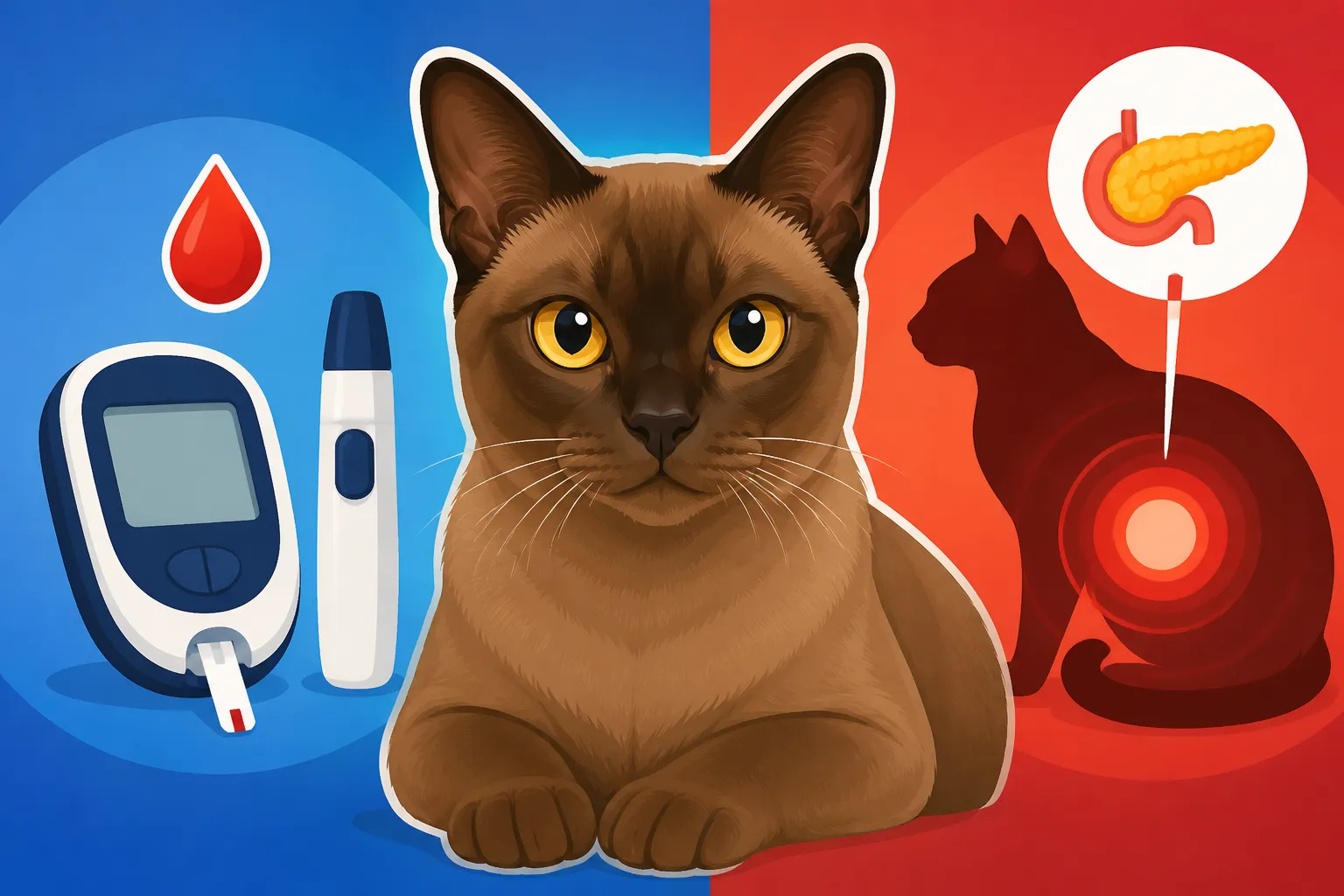
When you bring your Burmese to the vet suspecting diabetes, they’ll start with a thorough physical examination, checking for any obvious signs like weight loss, dehydration, or changes in their coat. But the definitive diagnosis relies on specific tests. The most common initial tests are bloodwork to measure glucose levels and a urinalysis to check for glucose in the urine. High levels of glucose in both blood and urine are strong indicators of diabetes.
However, a single blood glucose reading in a cat can be tricky. Cats are notorious for getting stressed at the vet, and this stress can cause their blood sugar levels to temporarily spike, leading to a false positive. This is where a fructosamine test comes in handy. This blood test measures the average blood glucose levels over the preceding one to two weeks, giving a more accurate picture of your cat’s long-term glucose control and preventing misdiagnosis due to stress. We delve into this in What a Fructosamine Test Shows in a Burmese. Your vet might also recommend other tests to rule out underlying conditions or assess organ function, such as a complete blood count and a biochemical profile. Understanding How a Diabetic Burmese Is Diagnosed will help you feel more prepared for these conversations with your vet.
Starting Insulin Therapy and Dietary Adjustments
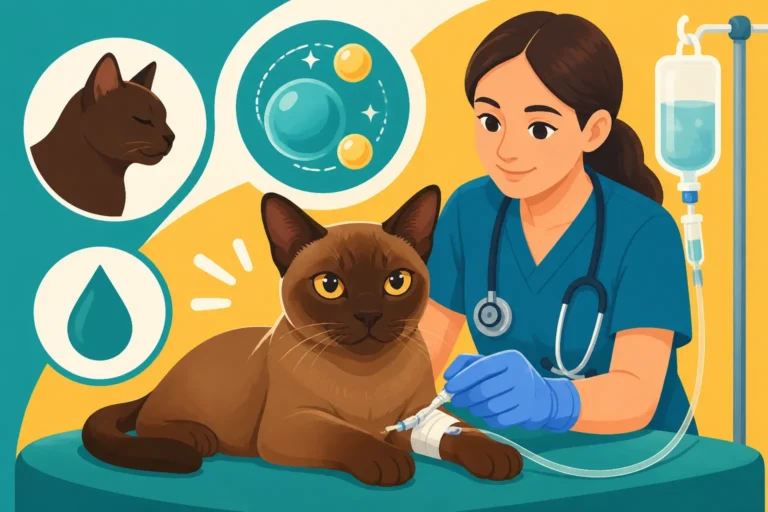
Once diabetes is confirmed, the primary treatment involves insulin injections and a significant overhaul of their diet. It's common for owners to feel overwhelmed at the prospect of giving their cat injections, but your vet team will patiently teach you exactly how to do it. Insulin is typically given twice a day, usually after meals, using very fine needles that most cats tolerate surprisingly well. The goal is to regulate their blood sugar levels and allow their body to start using glucose properly again.
Simultaneously, a strict dietary change is absolutely critical. Your vet will almost certainly recommend switching your Burmese to a prescription veterinary diet that is high in protein and very low in carbohydrates, usually in the form of wet food. This dietary shift helps reduce the demand on the pancreas, stabilizes blood sugar, and is a cornerstone of managing the disease and even achieving remission. Our article on How a Diabetic Burmese Is Started on Insulin provides detailed steps for this initial phase. Additionally, if you're wondering Which Diet Puts a Burmese Into Remission, you'll find that low-carb wet food is consistently recommended as the gold standard.
Home Monitoring and Follow-Up Care
Bringing a diabetic Burmese home means becoming an active participant in their ongoing care. Home monitoring is vital to ensure the insulin dose is correct and to catch any potential complications. Your vet might recommend a home glucose monitoring device, which allows you to test small blood samples (often from the ear) to track blood sugar levels. Learning to recognize the signs of hypoglycemia (low blood sugar), such as weakness, lethargy, disorientation, or even seizures, is also incredibly important. You'll want to keep a high-sugar treat, like corn syrup or honey, on hand for emergencies.
Regular follow-up visits to the vet are essential, especially in the initial weeks and months. Your vet will perform blood glucose curves, where they take multiple blood samples over a day to see how the insulin is working throughout a 24-hour period. This helps them fine-tune the insulin dose to ensure optimal control. This collaborative approach between you and your vet is crucial for your Burmese’s well-being. Knowing How a Burmese Is Monitored on Insulin at Home can give you peace of mind, and understanding What a Hypoglycemic Burmese Looks Like empowers you to act quickly in an emergency.
Living with a Diabetic Burmese and Aiming for Remission
A diabetes diagnosis is a life-altering event for both you and your Burmese, but it's not a death sentence. With dedication and consistent care, many diabetic Burmese cats can lead long, fulfilling lives, and some even achieve diabetic remission, meaning they no longer require insulin injections. This journey requires commitment, but the reward of seeing your beloved cat thrive is immeasurable.
The Promise of Diabetic Remission
One of the most hopeful aspects of feline diabetes, particularly in breeds like the Burmese that are often diagnosed with Type 2 diabetes, is the possibility of remission. If the diabetes is caught early, and the cat is managed aggressively with a strict low-carbohydrate diet and appropriate insulin therapy, the pancreas can sometimes recover enough function that insulin injections are no longer needed. This isn't a cure, as the underlying predisposition remains, but it's a significant improvement in quality of life for both cat and owner.
The success rate for remission varies, but a significant number of cats can achieve it, especially if weight loss is achieved and the diet is strictly controlled. It’s a powerful incentive to stick to the treatment plan, even when it feels challenging. The thought of potentially freeing your cat from daily injections can be a huge motivator. To understand more about this positive outcome, read How a Burmese Goes Into Diabetic Remission. This possibility truly highlights why early detection and diligent management are so vital for Burmese cats.
Ongoing Management and Dietary Compliance
Even if your Burmese goes into remission, the commitment to their health doesn't end. Maintaining remission, or simply managing the disease effectively, requires strict ongoing dietary compliance and weight management. The low-carbohydrate, high-protein diet must continue indefinitely, and portion control becomes a lifelong habit. Any slip-ups, such as sneaking extra treats or returning to a high-carb kibble, can quickly cause a relapse. Regular monitoring of their weight and behavior, along with routine vet checks, is essential to catch any signs of the disease recurring.
Your Burmese will always have that genetic predisposition, so you can't ever truly let your guard down. Think of it as a constant, gentle vigilance. This is why Why Weight Is the Only Lever a Burmese Owner Has when managing their health. You become an expert in feeling their ribs, checking for that subtle waist, and ensuring every meal is meticulously measured and nutritionally appropriate. It’s a journey of continuous learning and adaptation, but one that ensures your Burmese can live its fullest life.
Financial and Emotional Considerations
Managing a chronic condition like diabetes in your Burmese comes with both financial and emotional costs. The ongoing expenses for insulin, syringes, specialized low-carb food, and frequent veterinary check-ups (including blood tests and glucose curves) can add up significantly. It's not uncommon for owners to face bills that average several hundred dollars a month, which can be a considerable strain on household finances. Our article, What Diabetes Costs a Burmese Owner a Year, gives a realistic breakdown of these expenses.
Beyond the money, there's the emotional toll. The worry, the stress of daily injections, and the constant vigilance can be emotionally draining. It's okay to feel overwhelmed sometimes. Remember, you're doing an amazing job for your cat. This is where a good pet insurance policy, if acquired before any symptoms appeared, can be an absolute lifeline. While insurers like Healthy Paws, and indeed most others, typically don't cover pre-existing conditions, having a policy in place can still help with other future, unrelated medical issues, and alleviate some financial stress. It’s definitely worth considering Whether a Diabetic Burmese Can Be Insured early in your cat’s life. Connecting with online support groups for owners of diabetic cats can also provide invaluable emotional support and practical advice.
Prevention and Long-Term Wellness for Your Burmese
While the genetic predisposition for diabetes in Burmese cats is undeniable, proactive prevention and diligent long-term wellness strategies can significantly reduce their risk and contribute to a healthier, happier life. Thinking ahead and establishing good habits from the moment you bring your Burmese home is the best defense against this challenging disease.
Proactive Dietary Strategies from Kittenhood
The foundation of diabetes prevention for a Burmese begins the moment they arrive in your home, often as a curious kitten. Establishing proactive dietary strategies from kittenhood is paramount. This means choosing a high-quality, high-protein, low-carbohydrate wet food right from the start. Avoid the common pitfall of free-feeding dry kibble, which is often laden with unhealthy carbohydrates that can prime a Burmese for insulin resistance later in life. Instead, establish a routine of two to three measured, timed meals per day.
This isn't about deprivation; it's about providing species-appropriate nutrition. Wet food helps ensure adequate hydration and is generally much lower in carbohydrates than dry food. Even treats need careful consideration; opt for freeze-dried meat treats rather than sugary or starchy options. By instilling these habits early, you’re not just feeding your cat; you’re engaging in preventative medicine. While our article What a Burmese Kitten Should Eat offers general advice, the principles of low-carb, high-protein are critical for diabetes prevention. This commitment to proper nutrition is truly a medical decision that will impact their entire lifespan.
Regular Veterinary Check-ups and Monitoring
Consistent veterinary care is another cornerstone of long-term wellness for your Burmese. Annual check-ups are essential, but for a breed with such a high diabetes risk, these visits become even more critical, especially as they approach middle age. During these visits, your vet can monitor their weight, assess their overall body condition, and discuss any changes in appetite or behavior you might have noticed.
Crucially, as your Burmese reaches around seven years of age, talk to your vet about adding routine blood glucose and fructosamine checks to their annual blood panel. Catching elevated blood sugar levels early can make a dramatic difference in the outcome and potentially even lead to remission. Don't wait for obvious symptoms to appear; by then, the disease may be more advanced. Proactive testing is key. Our piece on How Often a Healthy Adult Burmese Needs Checking emphasizes the importance of these regular veterinary assessments in catching subtle changes before they become serious problems.
Maintaining an Active and Stimulating Environment
Burmese cats are renowned for their playful, energetic nature, and encouraging this innate activity is a fantastic way to support their metabolic health. A physically active Burmese is less likely to become overweight and generally has better insulin sensitivity. Dedicate time each day for interactive play sessions with wand toys, laser pointers, or even teaching them to retrieve. These sessions aren't just for bonding; they're vital exercise that helps burn calories and maintain a healthy muscle-to-fat ratio.
Beyond physical activity, a mentally stimulating environment is also important. Puzzle feeders, scratching posts, and safe climbing opportunities can keep them engaged and prevent boredom-induced lethargy. Even as they age, a Burmese will retain a surprising amount of playfulness; as explored in How Much Play a Burmese Still Demands at Ten, their youthful spirit can be a great asset in maintaining their health. A happy, active Burmese is a healthier Burmese, and a home that supports their natural energy levels is one of the best preventative measures against diabetes.
Supporting Your Burmese Through Its Diabetic Journey
Living with a diabetic Burmese is a commitment, no doubt, but it's also an incredible opportunity to deepen your bond and provide exceptional care. Beyond the medical treatments, focusing on their emotional well-being and consistent daily routines can make a world of difference in their overall health and happiness.
Creating a Consistent Daily Routine
Cats are creatures of habit, and for a diabetic Burmese, consistency is more than just comfort – it's crucial for their health. Insulin injections need to be given at the same time each day, usually after their meals, to maintain stable blood glucose levels. This means establishing fixed feeding times and sticking to them. Your cat will quickly learn this schedule, which can help reduce stress and make the process smoother for everyone involved.
Disruptions to routine can cause stress, and stress can impact blood sugar levels, making management more difficult. Try to maintain a predictable environment, especially around feeding and injection times. If you have multiple cats, this might mean separating your diabetic Burmese during meals to ensure they eat their prescribed food and nothing else. A well-established routine creates a sense of security for your cat and makes the complexities of diabetes management feel more like a predictable part of your day, rather than a constant challenge.
Emotional Support and Quality of Life
The Burmese cat is affectionately known as the "velcro cat" for a reason; they thrive on companionship and human interaction. A diabetes diagnosis, while demanding medically, shouldn't diminish the quality of life or the emotional connection you share with your cat. In fact, providing extra emotional support can be incredibly beneficial. Continue to offer plenty of cuddles, lap time, and gentle play. Their need for affection doesn't wane, even when they're not feeling 100%.
Ensure their resting places are comfortable and warm, especially since short-coated Burmese cats can be more sensitive to cold. Monitor their overall demeanor; a Burmese who stops seeking attention or shows signs of withdrawal should always prompt a call to the vet, as it could indicate their diabetes is poorly controlled or another issue is at play. Even an old Burmese will still seek out that familiar, comforting lap, as detailed in Why an Old Burmese Still Wants a Lap. Your love and presence are powerful healers, and maintaining their emotional well-being goes hand-in-hand with their physical care.
Advocacy and Communication with Your Vet Team
You are your Burmese's most important advocate. Managing a chronic condition like diabetes requires an open, collaborative relationship with your veterinary team. Don't hesitate to ask questions, no matter how small they seem. Understand your cat's treatment plan, the purpose of each medication, and what signs to look for that might indicate a problem. Keep a detailed log of their food intake, water consumption, urination, and glucose readings (if you're home monitoring), and share this information diligently with your vet.
If you ever feel unsure about an aspect of their care, speak up. Your veterinary team is there to support you and your cat. They can offer advice on administering insulin, adjusting feeding schedules, or interpreting home glucose results. It’s a journey, and you're not alone. And remember, comprehensive pet insurance like Healthy Paws, if acquired before diagnosis, can significantly ease the financial burden, allowing you to focus on getting the best care. Being proactive and informed is the best way to ensure your diabetic Burmese receives the consistent, high-quality care they need to live a full and happy life.
Diabetes Symptoms and Healthy Burmese Behavior Comparison
| Symptom Category | Diabetic Burmese Signs | Healthy Burmese Behavior |
|---|---|---|
| Thirst | Excessive, constant drinking; you'll notice the water bowl empties much faster than usual, often multiple times a day. | Normal thirst, moderate water consumption; a typical refilling schedule, not constant demand. |
| Urination | Frequent, large volume urination; the litter box quickly becomes soaked with larger, more numerous clumps of urine. | Regular urination frequency and volume; manageable litter box use that doesn't feel excessive. |
| Appetite | Increased hunger despite weight loss, or a sudden, unexplained loss of appetite. Often ravenous but still thinning. | Consistent appetite, maintains a healthy weight; eats enthusiastically but isn't constantly begging or losing condition. |
| Weight | Unexplained weight loss, even with increased eating. Muscle mass may noticeably diminish despite food intake. | Stable weight appropriate for their muscular build; you can feel ribs easily but they aren't bony, and they have a waist. |
| Energy Level | Lethargy, reduced playfulness, increased napping. Your usually boisterous cat becomes unusually subdued. | Energetic, playful, active; loves interactive games, chases toys, and seeks out attention and physical engagement. |
| Coat/Skin | Dull, greasy, or unkempt coat; poor grooming habits; sometimes accompanied by skin infections or dandruff. | Glossy, sleek, satin coat; meticulously self-grooms, keeping their fur pristine and soft to the touch. |
| Breath | A sweet or fruity odor, similar to nail polish remover (a sign of diabetic ketoacidosis, an emergency). | No unusual breath odor; generally fresh, typical cat breath. |
Disclaimer
The information provided in this article is for general educational purposes only and should not be considered as professional veterinary advice. Always consult with a qualified veterinarian for any health concerns or before making any decisions related to your cat's care, diagnosis, or treatment.