Which Signs Come First in a Diabetic Burmese
It's absolutely heartbreaking to think your beloved Burmese, with their boundless energy and constant affection, might be feeling unwell. As a breed so deeply intertwined with our lives, it's easy to dismiss subtle changes as just "being a cat," but for Burmese owners, those nuances can be critical. This guide is here to help you understand the earliest, often sneaky, signs that your sweet companion might be developing diabetes, equipping you with the knowledge to act swiftly and confidently.
The Subtle Shift in Thirst and Urination
One of the earliest and most common indicators of diabetes in a Burmese is a noticeable change in their water consumption and subsequent trips to the litter box. This isn't always a dramatic shift overnight, which is precisely why it often goes unnoticed until the condition has progressed.
Why Increased Thirst is Often Missed at First
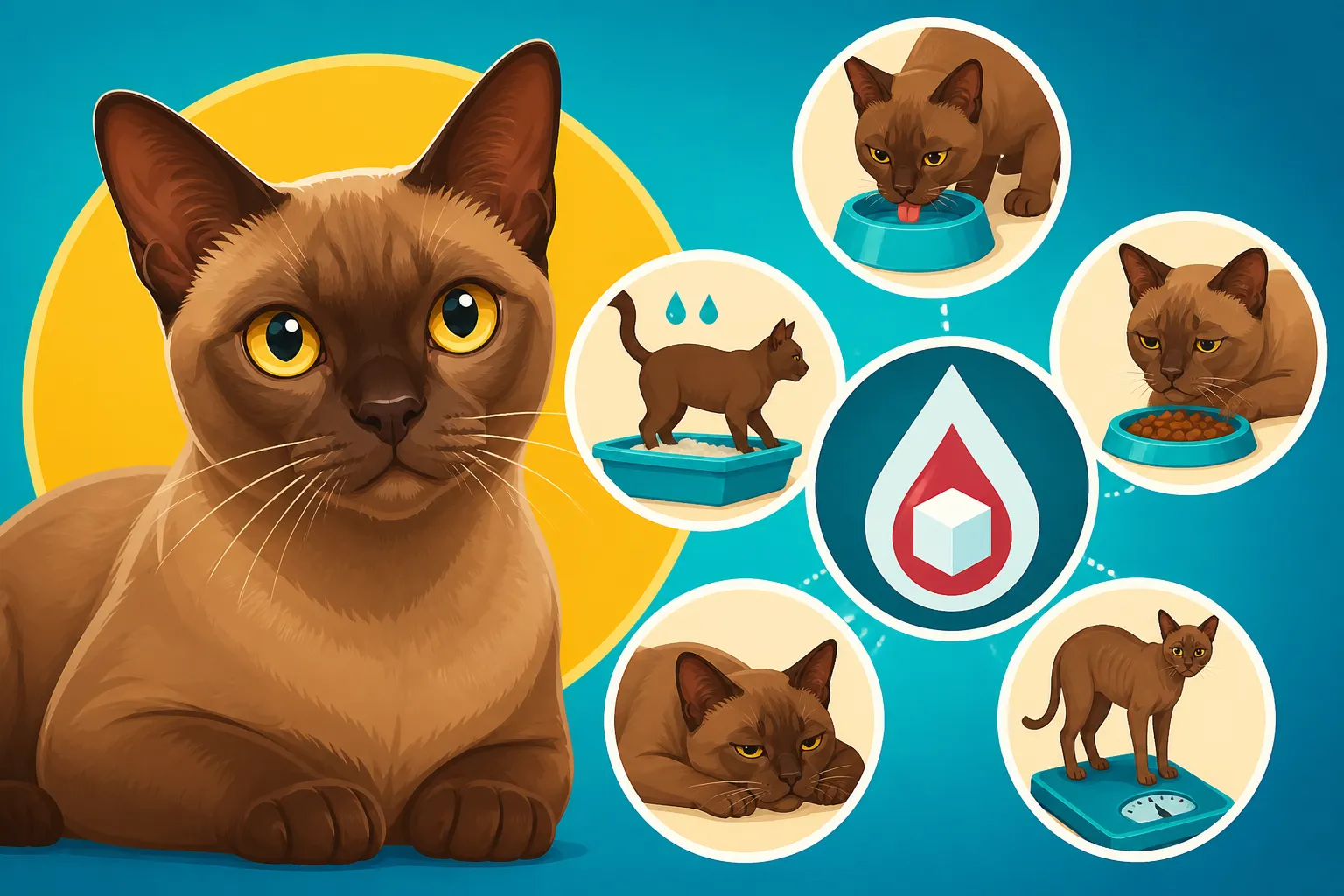
Burmese cats are known for their playful, active personalities. They chase toys, climb, and demand attention, which can make them seem like they're just naturally thirsty, especially after a vigorous play session. You might initially attribute your cat drinking more to warmer weather, increased activity, or even a change in their diet. For a breed that loves to be involved in everything you do, it's easy to overlook a few extra sips from the water bowl. However, a genuinely diabetic Burmese isn't just a bit thirstier; their body is constantly trying to flush out excess sugar through their kidneys, leading to an almost insatiable thirst.
The sheer volume of water they consume might increase gradually, making it hard to pinpoint when it started. Perhaps you find yourself refilling their water bowl more often, or you notice them drinking from unusual places, like a dripping faucet or even the toilet. These seemingly minor observations can be significant. It's why experts stress that if you're wondering, "Why a Burmese drinking more needs testing that week", it's time to pay attention. Even a small but consistent increase in thirst can be an early whisper of trouble.
Noticing the Litter Box Changes
Hand-in-hand with increased thirst comes increased urination. If your Burmese is drinking more, they'll naturally need to empty their bladder more frequently, and in greater quantities. This is known as polyuria, and it’s a direct consequence of their kidneys working overtime to eliminate the glucose that their body can't properly use.
You might notice the litter box looking "fuller" than usual. The clumps might be larger, more numerous, or you might find yourself scooping the box far more often than your usual routine. For example, if you typically scoop once a day and suddenly you're doing it twice or even three times, that's a red flag. Some owners report that the litter seems to saturate faster, or that their cat is having "accidents" outside the box because they can't hold it or aren't making it in time. This is particularly concerning because a Burmese is typically meticulous about their litter habits. Keep an eye on the texture of the litter itself; if it seems consistently wetter, or if the urine has an unusually sweet or fruity smell, these are urgent indicators. This change in output is a primary early sign of what diabetes looks like in a Burmese.
Changes in Appetite and Weight
This is where things can get confusing for many owners, as a diabetic Burmese often presents with a combination of increased hunger and unexpected weight loss. It feels counterintuitive, but it's a critical set of symptoms to understand.
The Paradox of a Hungry Cat Losing Weight
Imagine eating more than usual, feeling perpetually hungry, yet somehow still losing weight. That's precisely what can happen to a diabetic Burmese. Their body isn't processing glucose (sugar) properly due to insufficient insulin, which means the cells aren't getting the energy they need. Even though your cat is consuming food, their body essentially thinks it's starving. This leads to increased hunger, or polyphagia, as their system tries to compensate for the lack of cellular energy.
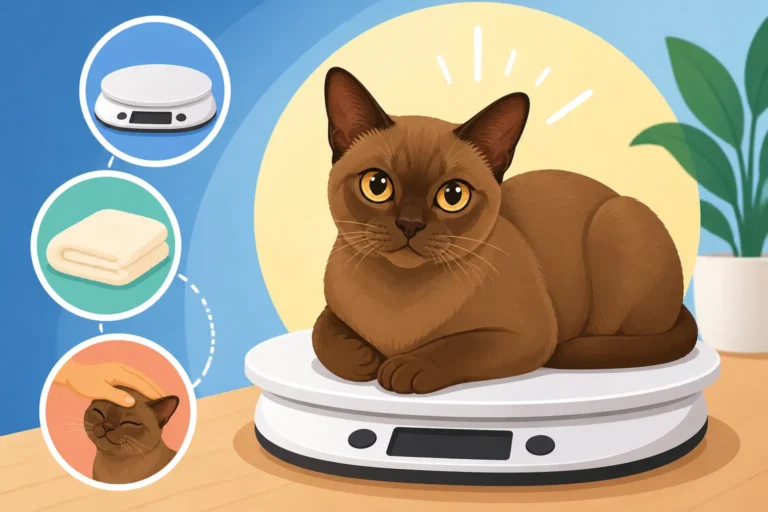
You might notice your Burmese begging for food more intensely, acting as if they haven't eaten in days, even after their regular meal. They might try to steal food from counters or raid the bin – behaviors you might not normally associate with your well-fed companion. This can be incredibly frustrating for owners, who are doing their best to provide for their pet. However, despite this increased intake, the body starts breaking down its own fat and muscle reserves for energy, leading to weight loss. This is often the most alarming sign for owners, especially for a breed like the Burmese, which is naturally quite muscular and solid. Regularly asking "How to weigh a Burmese accurately at home" and actually doing it monthly is crucial because a Burmese is heavier than it looks, making subtle weight changes hard to spot by eye.
Gradual or Sudden Weight Loss
The weight loss in a diabetic Burmese can manifest in different ways. Sometimes it's a slow, insidious decline over weeks or even months, easily dismissed as a result of aging or perhaps just a particularly active phase. For a breed that stays kittenish into old age, this can be even harder to pinpoint. However, a significant or sudden drop in weight, even if your cat seems to be eating well, should be an immediate cause for concern.
Consider recording your Burmese's weight monthly as part of their routine care. Why a Burmese's weight should be recorded monthly is not just for diabetes, but it's particularly important here. For a muscular cat, you might not see prominent bones like ribs or a spine until the weight loss is quite advanced. Instead, you might notice a general loss of "bulk," or that their once-rounded belly feels a bit more tucked up. If you pick them up, they might feel surprisingly lighter than you remember. If you notice this, it’s imperative to consult your vet. This kind of weight loss, coupled with increased thirst and urination, strongly suggests metabolic imbalance and requires immediate veterinary attention.
Energy Levels and Behavioral Nuances
Burmese cats are renowned for their playful, affectionate, and often demanding personalities. They're often described as "dogs in cat suits" due to their loyalty and interactive nature. Any significant deviation from this baseline behavior, especially in their energy levels or their typical social interactions, can be a subtle but important early sign of illness, including diabetes.
A Slowing Down That Isn't Just Age
While all cats slow down eventually, a Burmese is known for their sustained kittenish behavior well into their senior years. They often continue to play with enthusiasm at ten and even at fifteen. If your normally energetic Burmese starts to show a noticeable decrease in their usual zest for life, it's worth investigating. This isn't just about an occasional nap; it's about a consistent reduction in their desire to play, interact, or even explore their environment.
Perhaps they're less enthusiastic about their favorite wand toy, or they're spending more time sleeping in secluded spots rather than on your lap or shoulder. They might still greet you at the door, but without the usual boisterousness. This lethargy stems from their body's inability to efficiently convert food into usable energy, leaving them feeling weak and tired. Don't be too quick to blame it on age, especially if your cat is still relatively young or middle-aged. Early intervention can significantly impact the progression and management of conditions like diabetes, as highlighted in "Caring for a Burmese past twelve".
Increased Affection or Withdrawal
Burmese cats are the definition of "velcro cats"; they thrive on human companionship and are rarely far from their favorite people. Because of this already high baseline of affection, it can be tricky to interpret changes in their social behavior. However, a noticeable shift can be a significant indicator that something is amiss.
Some sick cats, including Burmese, might become more clingy than usual, almost seeking comfort or reassurance from their owners because they're feeling unwell. You might find them trying to get closer to you, under the covers, or constantly nudging for attention. While this might seem like just "being a Burmese," if it's an increase in their already intense need for closeness, it could be a sign they don't feel well. On the other hand, some cats, when they feel truly ill, will become withdrawn. A normally outgoing Burmese who suddenly starts hiding, avoids interaction, or seems disinterested in being petted is sending a clear signal. Why a Burmese hides illness behind its affection is a common challenge for owners. They are stoic creatures, often masking discomfort until it becomes severe. Any marked change in their typical interaction patterns, whether an exaggerated clinginess or an uncharacteristic withdrawal, warrants a vet visit.
Other Less Common But Important Indicators
While changes in thirst, urination, appetite, weight, and energy levels are the primary early warning signs, there are a few other indicators that, while less common in the earliest stages, are still vital to be aware of.
Coat Condition and Overall Appearance
A healthy Burmese boasts a magnificent, short, satin-like coat that is naturally glossy and lies close to their body. They are fastidious groomers, keeping themselves immaculate. When a cat feels unwell, one of the first things to go is their grooming routine. You might notice their coat appears dull, unkempt, or greasy. Sometimes, due to increased urination and potential weakness, they might not be able to properly clean their hindquarters, leading to matted or dirty fur around their bottom.
Furthermore, diabetic cats are more prone to certain secondary issues, such as urinary tract infections (UTIs) due to the glucose-rich urine creating a hospitable environment for bacteria. A UTI might present with further increased urination, straining to urinate, or even urinating in inappropriate places. While not a direct sign of diabetes itself, the presence of a UTI should always prompt a full workup, including a check for underlying metabolic conditions like diabetes. The condition of their coat can be a subtle reflection of their internal health, and a departure from their usual pristine appearance is a reason to monitor closely.
Sweet-Smelling Breath (Ketoacidosis)
This particular sign is less of an early indicator and more of a serious red flag that the diabetes has progressed to a dangerous stage known as diabetic ketoacidosis (DKA). DKA is a life-threatening complication where the body, unable to use glucose for energy, starts breaking down fat at an accelerated rate, producing ketones. High levels of ketones in the blood can make the body's pH dangerously acidic.
The most noticeable sign of DKA is a distinct, sweet, often fruity smell on your cat's breath, similar to overripe fruit or nail polish remover (acetone). This smell is unmistakable once you recognize it. Other symptoms of DKA include severe lethargy, vomiting, loss of appetite, and extreme weakness. If you ever notice a sweet smell on your Burmese's breath, consider it an absolute emergency and seek veterinary attention immediately. DKA requires intensive care and hospitalization, and recognizing this sign quickly can be the difference between life and death for your cat.
Early Signs of Diabetes in Burmese Cats: A Quick Reference
| Symptom Category | Early Diabetic Sign | Normal Burmese Behavior (Contrast) | Urgency Level |
|---|---|---|---|
| Thirst & Urination | Increased drinking (polydipsia) | Drinks adequately, especially after play | High |
| Increased urination (polyuria) | Consistent litter box habits, moderate clump size | High | |
| Larger/more frequent urine clumps in litter | Regular scooping schedule, typical clump amount | High | |
| Appetite & Weight | Increased hunger (polyphagia) | Enthusiastic about mealtimes, then satisfied | Medium-High |
| Unexplained weight loss (despite increased eating) | Consistent weight, muscular build | High | |
| General loss of body mass, feeling lighter | Feels solid and heavy for their size | High | |
| Energy & Behavior | Lethargy, reduced playfulness | Energetic, playful, retains kittenish nature into old age | High |
| Uncharacteristic withdrawal or extreme clinginess | Affectionate, interactive, seeks company | High | |
| Other Indicators | Dull, unkempt, or greasy coat | Glossy, satin-like coat, fastidious groomer | Medium |
| Sweet/fruity breath smell (Acetone) | Neutral breath | EMERGENCY |
Recognizing these signs early is paramount. The Burmese has the highest diabetes rate of any cat breed, making vigilance even more important. Understanding how much higher the Burmese diabetes rate really is should motivate every owner to stay alert. If you suspect your cat is showing these symptoms, don't hesitate. A trip to the vet for a diagnosis is the best course of action. They can perform tests like a blood glucose curve and fructosamine test to confirm the diagnosis. Early detection and management, including a low-carbohydrate diet (Why low carbohydrate food matters for a Burmese) can significantly improve your cat's quality of life and even lead to remission for some. While pet insurance can't cover pre-existing conditions, a policy like those offered by Healthy Paws can be incredibly helpful for managing future, unrelated health issues if your cat is already insured. Remember, catching these signs early is the best gift you can give your cherished Burmese.
Disclaimer
This article is intended for informational purposes only and does not constitute veterinary advice. Always consult with a qualified veterinarian for any health concerns or before making any decisions related to your pet's medical care.