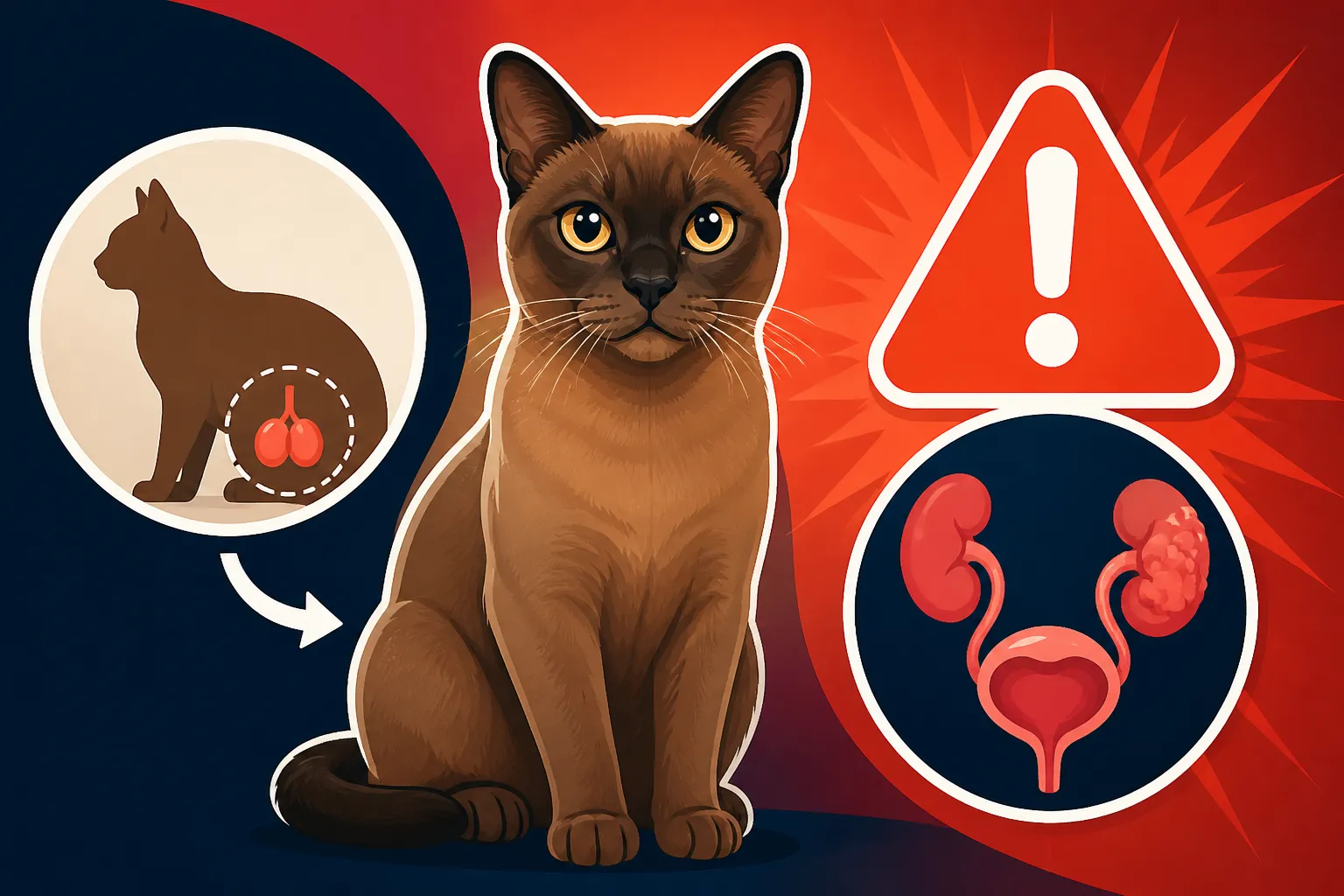
Why a Neutered Male Burmese Is Highest Risk
It's a heartbreaking reality that sometimes the choices we make for our beloved pets, even those made with the best intentions, can inadvertently open the door to health challenges. For anyone who shares their life with a Burmese cat, the news that their neutered male companion might be at the highest risk for certain serious health conditions can be a genuine punch to the gut. This guide isn't here to scare you, but to empower you with detailed, realistic information so you can proactively protect your cherished feline and understand exactly why this particular demographic faces unique vulnerabilities.
The Unspoken Truth About the Burmese Predisposition
Let's face it, when you bring a beautiful, affectionate Burmese into your home, you're not usually thinking about their future medical predispositions. You're thinking about those soulful gold eyes and that incredible, satin-like coat. Yet, the Burmese breed, particularly the male, carries a genetic lottery ticket that, sadly, often comes up "diabetes." It’s not a slight risk; it’s a significant, well-documented predisposition that owners need to be acutely aware of from day one.
Why Burmese Cats Are So Prone to Diabetes
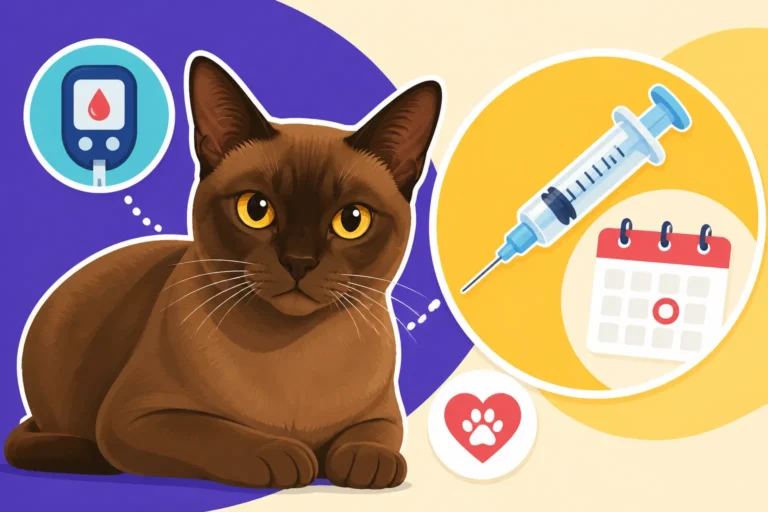
The statistics are pretty stark: the Burmese has the highest diabetes rate of any cat breed, and some studies even suggest a Burmese is four times more likely to become diabetic than the average domestic cat. This isn't just bad luck; it's rooted in their unique genetics and metabolism. Researchers have delved deep, and specific genetic markers, particularly the WNK4 mutation, have been implicated in their predisposition to type 2 diabetes, especially in Australian and European Burmese lines. This isn't just about weight; it's about how their bodies process glucose and insulin. They are simply wired differently. This means that factors that might cause a slight glucose spike in another cat breed can push a Burmese much closer to a full-blown diabetic state. It’s a tightrope walk for their pancreatic function, often from a young age.
The Challenge of Recognizing Weight Gain
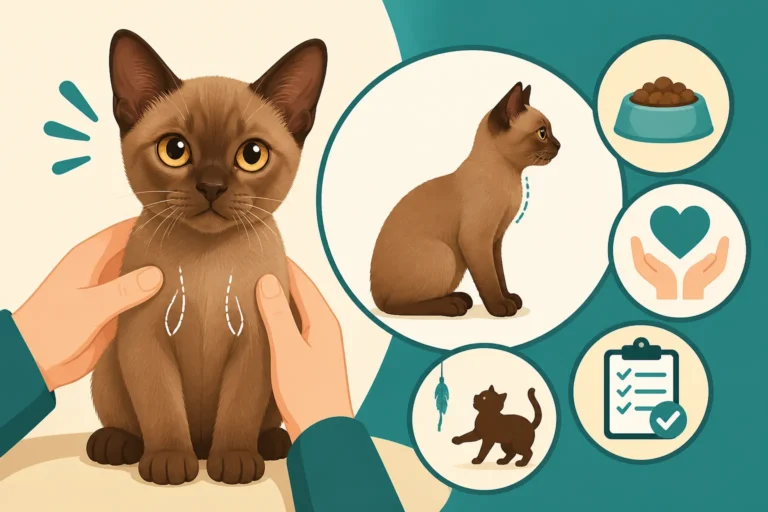
Burmese cats are famously muscular. They're often described as "bricks wrapped in silk" because they are surprisingly heavy for their size. This incredible density and athletic build, while beautiful, can actually hide insidious weight gain. A few extra pounds on a lean domestic shorthair are immediately obvious, but on a stout, compact Burmese, those pounds can blend in, making it difficult for even vigilant owners to spot until the problem is quite advanced. This can lead to owners underestimating their cat's body condition, assuming their cat is just "big-boned" when, in reality, they're carrying unhealthy fat. This hidden weight gain is a major contributor to their diabetes risk, as obesity is a significant trigger for the disease. Learning how to weigh a Burmese accurately at home and regularly feeling for their ribs is paramount.
The Specific Impact of Neutering on Male Burmese
Neutering is a responsible choice for pet ownership, preventing unwanted litters and often leading to calmer, more affectionate pets. However, for male Burmese cats, it comes with its own set of considerations that can significantly amplify their inherent risk factors, particularly when it comes to diabetes.
Hormonal Changes and Metabolism Shifts
When a male cat is neutered, the removal of the testes leads to a dramatic drop in testosterone. While this is beneficial for reducing undesirable behaviors like spraying or roaming, it also fundamentally alters their metabolism. Testosterone plays a role in regulating muscle mass and metabolic rate. Without it, neutered males often experience a decrease in their basal metabolic rate, meaning they burn fewer calories at rest. Simultaneously, many neutered males experience an increase in appetite. This creates a perfect storm: they need fewer calories but often feel hungrier. If their food intake isn't meticulously adjusted, this combination almost inevitably leads to weight gain. For a Burmese already predisposed to diabetes, this metabolic shift can be the tipping point.
Increased Appetite and Sedentary Lifestyles
After neutering, many male Burmese cats become even more relaxed and less prone to adventurous excursions. While this might sound ideal – a cuddly, content cat is wonderful – it often translates into a more sedentary lifestyle. Coupled with their increased appetite, this significantly raises their calorie intake relative to their energy expenditure. It's a double-edged sword: the very traits that make a neutered male Burmese such a devoted companion (less roaming, more lap time) can also contribute to their health risks. Owners often mistake a perpetually hungry cat for one who isn't getting enough, when in reality, it's just a hormonal change driving that incessant plea for more food. Understanding how many calories a neutered adult Burmese burns versus how many they want is critical.
Table: Risk Factor Comparison for Burmese Cats
| Factor | Intact Male Burmese | Neutered Male Burmese | Female Burmese (Intact/Spayed) |
|---|---|---|---|
| Diabetes Risk | High (due to breed genetics) | Highest (genetics + metabolic changes post-neutering) | High (due to breed genetics, but generally lower than males) |
| Appetite | Moderate to high | Often significantly increased | Moderate to high |
| Metabolic Rate | Higher (testosterone-influenced) | Lowered (post-neutering hormonal changes) | Moderate |
| Weight Gain Tendency | Moderate | High, especially if diet isn't adjusted | Moderate |
| Roaming Behavior | High | Reduced | Moderate |
| Aggression/Territoriality | Moderate to high | Reduced | Low to moderate |
| Likelihood of Indoor Lifestyle | Lower (strong urge to roam/mate) | Higher (more content indoors) | Moderate |
Proactive Steps for Mitigating Risks
Understanding the risks is just the first step; the real power comes from taking proactive measures. For a neutered male Burmese, prevention is truly the best medicine, and it largely revolves around diligent management of their diet, weight, and overall lifestyle.
Strict Dietary Management is Non-Negotiable
For a Burmese, especially a neutered male, feeding is a medical decision, not a preference. Free-feeding, where food is left out all day, is an absolute no-go. This breed thrives on carefully portioned, low-carbohydrate meals, typically wet food, fed two to three times a day. You must weigh your Burmese's food on scales; guessing with a scoop just won't cut it. The goal is to keep their carbohydrate intake below a specific percentage, usually under 10%, to prevent blood sugar spikes and reduce the strain on their pancreas. Many commercial wet foods designed for weight management or diabetic cats can be a good starting point, but always check the carbohydrate content. Choosing which wet food suits a diabetes prone Burmese is one of the most important decisions you'll make as an owner. Treats, while tempting to give, must be carefully considered and factored into their daily calorie allowance, or avoided altogether, to prevent undoing all your hard work.
Regular Weight Monitoring and Body Condition Scoring
Given their muscular build, visually assessing a Burmese's weight can be deceiving. Weekly or bi-weekly weighing at home is a habit every Burmese owner should adopt. Invest in a reliable pet scale or a kitchen scale if your cat is small enough. Beyond just the number on the scale, regularly performing a body condition score (BCS) is crucial. You should be able to easily feel their ribs with a thin layer of fat over them, see a discernible waist when viewed from above, and have an abdominal tuck from the side. If you're unsure, your vet can teach you how to properly assess their BCS. Catching even a slight increase in weight early can prevent it from spiraling into a significant health issue. Remember, why weight is the only lever a Burmese owner has against diabetes.
Embracing an Active Lifestyle and Mental Enrichment
While neutered males might be more inclined to lounge, it's vital to encourage regular physical activity. Daily interactive play sessions with wand toys, laser pointers (used responsibly, ending with a physical catch), or even teaching them to retrieve toys can keep them moving. Puzzle feeders are excellent for slowing down their eating and providing mental stimulation, burning a few extra calories in the process. A catio can offer safe outdoor exploration without the risks of unsupervised roaming. Remember, a stimulated, active cat is generally a healthier cat. Even simple games like chasing a thrown treat across the room can make a difference. These moments also strengthen your bond, making preventative care feel less like a chore and more like quality time.
Living a Full Life with a High-Risk Burmese
It’s true that neutered male Burmese cats face higher risks, but this doesn't mean they're destined for a short or difficult life. With awareness and proactive care, they can absolutely live long, happy, and healthy lives, often reaching the sixteen to eighteen years a well bred Burmese gets. The key is vigilance, consistency, and a strong partnership with your veterinarian.
The Importance of Routine Veterinary Care
Regular vet check-ups are paramount, especially as your Burmese enters their middle and senior years. For a neutered male Burmese, annual check-ups should include a thorough physical exam, bloodwork, and crucially, a glucose check. Why a Burmese's glucose should be checked from seven years of age is because diabetes can creep up silently. Early detection means earlier intervention, which can significantly improve outcomes and even lead to diabetic remission in some cases. Your vet can monitor for signs like increased thirst or urination, subtle weight changes, or dullness in their coat – all potential early indicators of issues. Don't hesitate to mention any changes you've observed, no matter how small; your observations are invaluable.
Financial Preparedness and Insurance Considerations
Dealing with a chronic condition like diabetes can be financially demanding. The cost of insulin, syringes, prescription diets, and frequent vet visits can quickly add up. Planning for this possibility is a responsible part of pet ownership. This is where pet insurance, like policies offered by Healthy Paws, can provide a crucial safety net. It's often worth insuring your Burmese before it turns seven, and definitely before any symptoms appear, as many policies exclude pre-existing conditions. While some insurers might write diabetes out of a Burmese policy once diagnosed, having coverage for other potential issues, from dental care to emergency treatment for hypokalemia, can still offer significant peace of mind. Discussing your financial options with your vet and looking into comprehensive plans early on can make a huge difference if a diagnosis ever comes.
Understanding Hypokalemia and Other Concerns
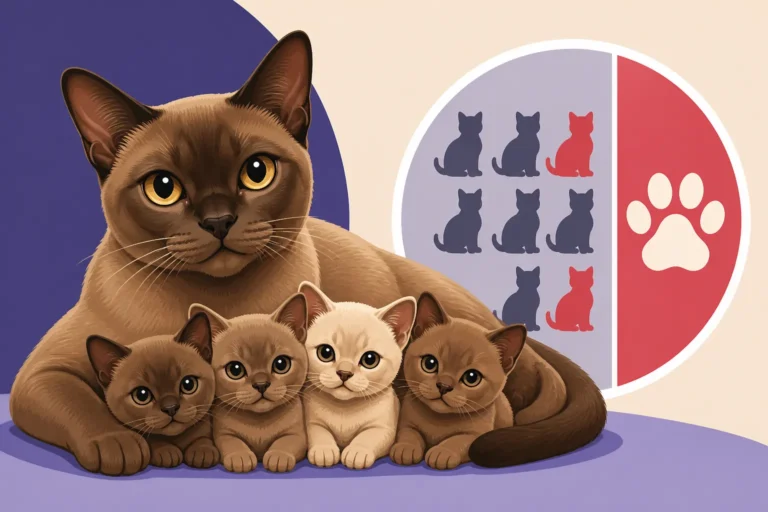
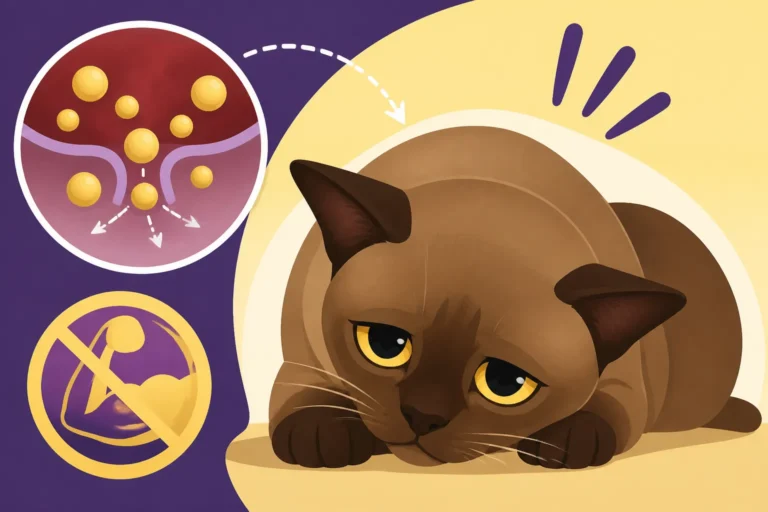
While diabetes often takes center stage for male Burmese, it's also important to remember other breed-specific concerns. Hypokalemia is another genetic condition specific to Burmese, though male or female status isn't a direct risk factor for acquiring the gene, carriers can pass it on. This condition, characterized by episodes of low potassium that can cause muscle weakness and a "meerkat neck," can be managed with supplementation. Knowing if your cat is a carrier (a reputable breeder will provide DNA test results) is important. Regular blood panels, including electrolyte checks, can help monitor for this. Furthermore, Burmese are prone to gum disease, so regular dental checks and home brushing are essential. Why a Burmese is prone to gum disease is often tied to their jaw structure, and it's another area where proactive care saves trouble (and cost) down the line. Caring for a Burmese past twelve requires vigilance for all these issues, not just diabetes.
By embracing this informed and proactive approach, you're not just reacting to potential problems; you're actively shaping a healthier, happier future for your cherished neutered male Burmese. It's a commitment, but one that rewards you with years of their unparalleled affection and companionship.
Disclaimer
This article is intended for informational purposes only and does not constitute veterinary advice. Always consult with a qualified veterinarian for any health concerns or before making any decisions about your pet's medical care.