How to Read a Burmese Hypokalemia Carrier Result
It's completely normal to feel a surge of anxiety when you receive genetic test results for your beloved Burmese cat. Words like "carrier" can immediately conjure up scary images, leaving you wondering what it means for your cat's health and future. This guide is here to unravel the mystery of a Burmese Hypokalemia carrier result, helping you understand precisely what those scientific terms mean so you can feel confident and informed.
Understanding the Basics of Burmese Hypokalemia
Before we dive into the specifics of a carrier result, it's really important to grasp what Hypokalemia is and why it's such a significant concern within the Burmese breed. This isn't just a random genetic quirk; it's a condition that can have serious implications for affected cats, even if it doesn't impact carriers.
What Hypokalemia Means for Your Burmese
Hypokalemia, in simple terms, refers to a condition where there's an abnormally low level of potassium in the cat's blood. Potassium is absolutely vital for countless bodily functions, including nerve impulse transmission, muscle contraction (think heart muscle and skeletal muscles!), and maintaining fluid balance. When potassium levels drop too low, especially during an "episode," the effects can be quite dramatic and frightening for an owner to witness.
Cats affected by hypokalemia often present with sudden bouts of muscle weakness, lethargy, and sometimes even a distinctive "meerkat neck" posture where they struggle to hold their head up properly. Imagine your typically playful, energetic Burmese suddenly becoming wobbly, unable to jump, or looking disoriented – it's a heart-wrenching sight. These episodes can be triggered by stress, illness, or even intense physical activity. While some cats might have mild, infrequent episodes, others can suffer from severe, debilitating weakness that requires immediate veterinary intervention. The condition is sometimes referred to as Familial Episodic Hypokalemic Polymyopathy, which really highlights its hereditary, episodic, and muscle-affecting nature. It's truly a unique challenge that the Burmese breed faces, and understanding it is the first step in responsible ownership and breeding. If you've ever seen a cat struggling with these symptoms, you know just how important genetic testing can be. For more on what it looks like, you can read about The Meerkat Neck That Tells You a Burmese Has Hypokalemia.
The Genetics Behind Hypokalemia in Burmese Cats
So, why are Burmese cats particularly prone to this? It all comes down to a specific genetic mutation. Hypokalemia in Burmese cats is an autosomal recessive inherited disorder. What does "autosomal recessive" mean? It's less complicated than it sounds.
First, "autosomal" means the gene responsible for the condition is not linked to sex chromosomes, so both male and female cats are equally susceptible to inheriting it. Second, "recessive" is the key part for understanding a carrier result. It means that a cat must inherit two copies of the mutated gene—one from each parent—to actually develop the disease and show symptoms. If a cat only inherits one copy of the mutated gene and one normal copy, it won't get sick. Instead, it becomes a "carrier."
The specific mutation involved in Burmese hypokalemia is in the WNK4 gene. This gene plays a critical role in regulating potassium levels in the kidneys. A fault in this gene means the kidneys struggle to reabsorb potassium effectively, leading to its excessive loss from the body, especially during periods of stress or increased demand. This genetic understanding has been a huge breakthrough for the breed, allowing breeders to make informed decisions and work towards eradicating the condition. Thanks to advances in genetic testing, identifying these specific markers is now a routine part of responsible breeding. This is why Why the WNK4 Gene Matters in a Burmese is such an important topic for anyone involved with the breed.
Deciphering Your Burmese Hypokalemia Test Results
Receiving those lab results can feel like reading a foreign language, especially with all the scientific jargon. But once you break it down, understanding the outcome of your Burmese's hypokalemia test is quite straightforward. There are typically three main results, and each tells a very different story about your cat's genetic makeup and future health.
The Three Possible Outcomes: Clear, Carrier, Affected
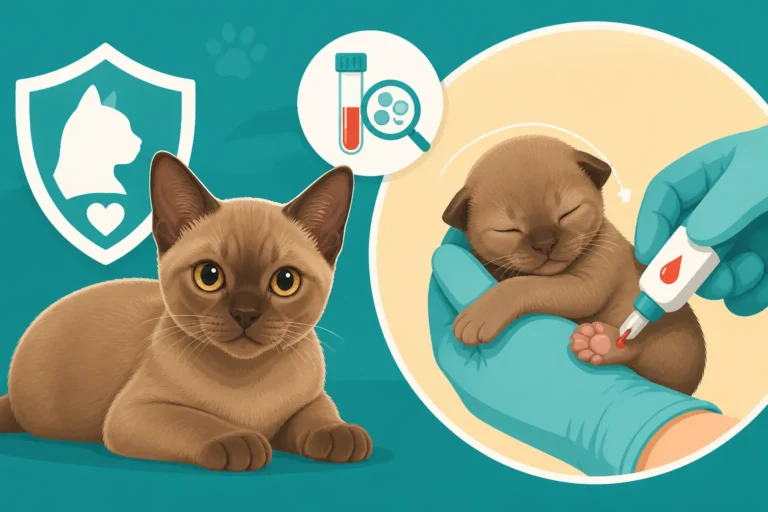
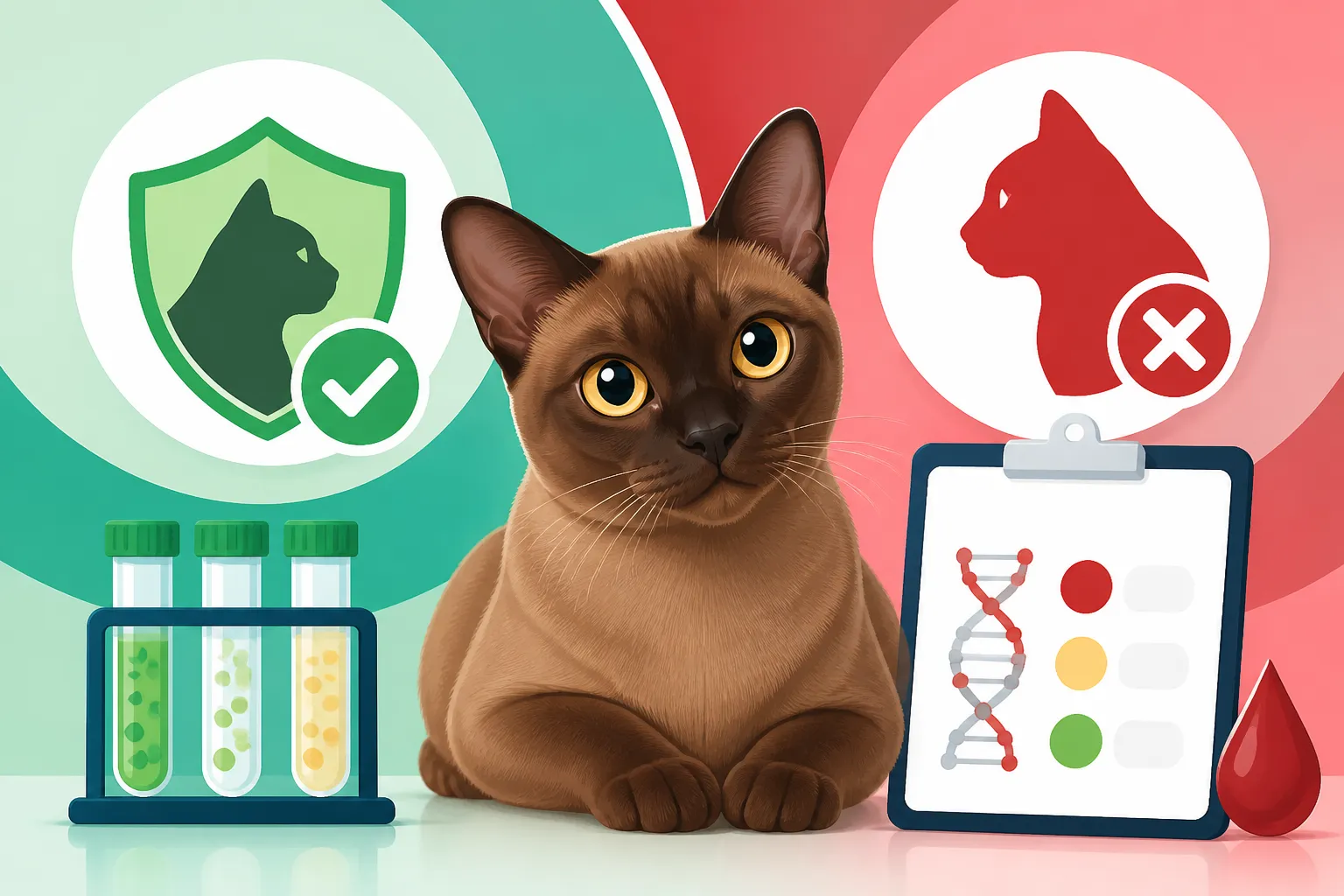
When you send off a sample for genetic testing—often a simple cheek swab, as Why a Burmese Cheek Swab Is Enough explains—the lab is looking for the presence or absence of that specific WNK4 mutation. Here are the three results you might receive:
-
Clear (or Homozygous Normal): This is the best possible result, indicating that your Burmese cat has two copies of the normal, healthy gene. It means they do not have the WNK4 mutation and cannot develop hypokalemia themselves, nor can they pass the mutated gene on to any offspring. If you get a "Clear" result, you can breathe a huge sigh of relief!
-
Carrier (or Heterozygous): This is the focus of our discussion. A carrier cat has one normal copy of the gene and one copy of the mutated WNK4 gene. Critically, these cats do not typically show symptoms of hypokalemia themselves because the single healthy copy of the gene is usually sufficient to regulate potassium levels. However, they can pass the mutated gene on to their kittens. We'll delve much deeper into this in the next section.
-
Affected (or Homozygous Affected): This result means your Burmese has inherited two copies of the mutated WNK4 gene—one from each parent. These are the cats that are at high risk of developing clinical signs of hypokalemia. They are the ones who will experience those frightening episodes of muscle weakness and low potassium. This result is devastating for owners and why ethical breeding practices are so crucial.
Knowing which category your cat falls into is crucial for both their individual care and for any potential breeding plans. It's a fundamental part of Which Diseases the Burmese Actually Carries.
What a "Carrier" Result Truly Signifies
Let's really zoom in on that "Carrier" result, because it's the one that often causes the most confusion and worry. If your Burmese receives a "Carrier" result for hypokalemia, it means your cat is genetically predisposed to carry the gene, but not to suffer from the disease itself. Think of it like a silent messenger.
A carrier cat is functionally healthy regarding hypokalemia. They will not experience the muscle weakness, the "meerkat neck," or the other debilitating symptoms associated with the condition. Their kidneys are generally doing their job, maintaining adequate potassium levels thanks to that one healthy gene copy. You don't need to treat a carrier cat as if they have the disease; they lead completely normal, active, and healthy lives. This is a common point of misunderstanding, and it's important to differentiate between carrying a gene and expressing the disease.
The significance of a carrier result lies almost entirely in breeding. If you have a carrier cat, and you breed them with another cat who is also a carrier, there's a 25% chance with each kitten that it will inherit two copies of the mutated gene and be "Affected." There's also a 50% chance they'll be a carrier themselves, and a 25% chance they'll be clear. This is precisely Why Two Burmese Carriers Must Never Be Bred. For pet owners, a carrier result simply means your cat is a valuable source of information for the breed, and that any potential offspring would need careful consideration. But for your pet's health, it generally means business as usual. It's important to manage the emotional impact of this information, knowing that your cat is healthy even if they carry a gene for a serious condition.
Understanding the WNK4 Mutation Reference
When you look at your lab report, you'll likely see specific terminology referencing the WNK4 gene and its mutation. For instance, a common way labs report it is by indicating the genotype.
Let's look at a typical breakdown in a table:
| Result Type | Genotype | Explanation | Clinical Impact | Breeding Implication |
|---|---|---|---|---|
| Clear | N/N or +/+ | Two normal copies of the WNK4 gene. | Will not develop Hypokalemia. | Can be safely bred to any cat. Offspring will be clear or carrier. |
| Carrier | N/K or +/- | One normal copy and one mutated copy of the WNK4 gene. | Will not develop Hypokalemia. | Must only be bred to a clear cat (N/N). |
| Affected | K/K or -/- | Two mutated copies of the WNK4 gene. | Likely to develop Hypokalemia. | Should not be bred. |
Note: "N" often stands for Normal, and "K" for Hypokalemia (or sometimes a specific mutation code). Some labs use "+" for normal and "-" for mutated.
Labs like the Veterinary Genetics Laboratory at UC Davis, or Langford Vets in the UK, are renowned for running these tests. They use advanced molecular techniques to pinpoint the exact sequence of the WNK4 gene in your cat's DNA. The presence of the "K" or "-" allele in the genotype indicates the specific mutation associated with Burmese hypokalemia. These laboratories provide clear, detailed reports, often with explanations of the results, much like the table above. Which Lab Runs the Burmese Hypokalemia Test can give you more details on reputable testing facilities. If you see a reference to WNK4 on your report, it simply confirms that the test specifically looked for this known genetic cause of hypokalemia in Burmese cats. It's not just a generic "bad gene" result; it's pinpointing the exact issue specific to the breed.
Implications of a Carrier Result for Breeding and Ownership
Once you understand what a hypokalemia carrier result means, the next logical step is to consider its implications. This information is a powerful tool, guiding both breeders toward responsible practices and pet owners toward peace of mind.
Responsible Breeding Practices with a Carrier Burmese
For dedicated Burmese breeders, a carrier result is not necessarily a dead end for a breeding cat, but it does require careful planning and a deep commitment to the health of future generations. The golden rule, which cannot be stressed enough, is this: a hypokalemia carrier Burmese must never be bred to another hypokalemia carrier. To do so would knowingly risk producing affected kittens, which is both unethical and heartbreaking. This is why a thorough understanding of Why Two Burmese Carriers Must Never Be Bred is non-negotiable for breeders.
Instead, a carrier cat (genotype N/K or +/-) should only ever be bred with a cat that has tested clear (genotype N/N or +/+) for hypokalemia. When a carrier is bred to a clear cat, the potential outcomes for the kittens are:
- 50% chance of being Clear (N/N)
- 50% chance of being a Carrier (N/K)
- 0% chance of being Affected (K/K)
This strategy allows breeders to continue using valuable bloodlines while systematically reducing the prevalence of the mutated gene in the breed. It means that while carriers are used, their offspring will need to be tested before they themselves are bred, ensuring that only clear or carefully paired carrier cats continue the line. This meticulous approach is part of What a Burmese Breeder Must Test Before Any Mating for any responsible program. It’s a testament to the dedication of ethical breeders who use science to safeguard the future of the Burmese. Every kitten from such a pairing should be tested to identify its genetic status, allowing owners and future breeders to make informed decisions.
Daily Life for a Burmese Hypokalemia Carrier
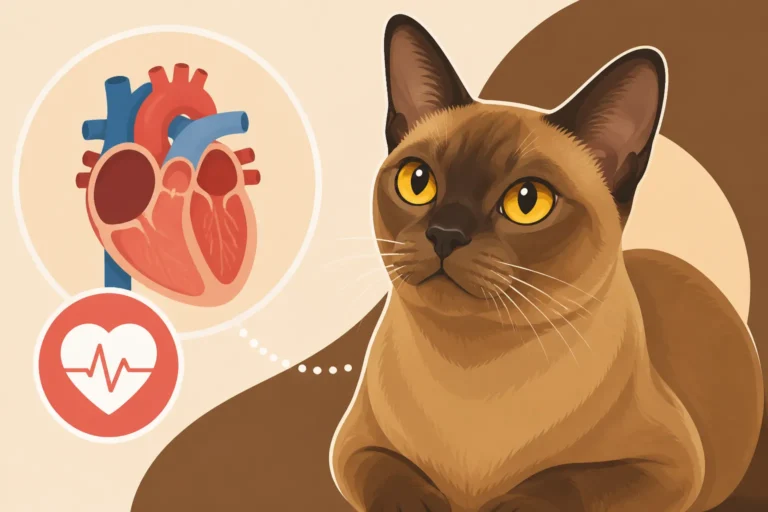
Here's the really good news for pet owners whose Burmese has tested as a carrier: your cat will likely experience a completely normal, healthy life without any special considerations for hypokalemia. A carrier cat does not suffer from low potassium episodes or muscle weakness related to the condition. You don't need to adjust their diet, limit their activity, or constantly monitor them for symptoms of hypokalemia.
Think of it this way: they have one fully functioning copy of the WNK4 gene, which is generally enough to do the job and keep their potassium levels balanced. You can enjoy your carrier Burmese as the playful, affectionate, and utterly charming companion they are. Their daily routine will be identical to that of a Burmese who tested clear. Regular veterinary check-ups, a balanced diet, plenty of play, and lots of snuggles are all they need, just like any other happy cat.
Of course, maintaining overall health is always paramount. Ensuring they are on a high-quality, appropriate diet, for example, is critical for all Burmese, not just carriers. The breed is already prone to other health issues like diabetes, so general preventative care is vital. For general health insights, you might find information on Why a Burmese Is Four Times More Likely to Become Diabetic helpful, as preventative measures are always good. A carrier result for hypokalemia shouldn't add any extra stress to your daily life with your beloved feline friend.
Financial and Emotional Considerations
The decision to test your Burmese for hypokalemia involves both financial and emotional considerations, regardless of the outcome. The cost of a full genetic panel for a Burmese, which typically includes the hypokalemia test, can vary but is generally an investment in peace of mind. While the upfront cost for a single test might seem like an added expense, consider it a vital part of responsible pet ownership, especially if you adopted a cat without a known pedigree or if you are considering breeding. For a rescue Burmese, for example, knowing their genetic status is invaluable, making Why a Rescue Burmese Should Still Be Tested a compelling argument.
Emotionally, receiving any genetic test result can be a rollercoaster. There's the initial anxiety awaiting the results, and then the process of understanding what "carrier" truly means. It's natural to feel a sense of worry or even guilt, even if your cat is healthy. However, it's crucial to transform that worry into empowerment. Knowing your cat's status means you are equipped with information that can prevent future suffering within the breed. It contributes to a healthier future for all Burmese cats.
From a financial perspective, a carrier status won't typically impact your ongoing vet bills specifically for hypokalemia, as these cats don't require treatment for the condition. However, it's always wise to budget for comprehensive pet insurance, such as through providers like Healthy Paws, which can help cover unexpected health issues that any cat might face down the line. While a specific condition like hypokalemia in an affected cat might be pre-existing if not insured early, a carrier status generally isn't considered a pre-existing condition that impacts your cat's immediate health. Good insurance, like that offered by Healthy Paws, simply gives you peace of mind for other potential health challenges. The knowledge gained from genetic testing is truly invaluable, providing clarity and direction for your cat's future.
Where to Get Further Information and Support
Understanding a genetic test result can be complex, and you shouldn't feel pressured to interpret it entirely on your own. There are fantastic resources and knowledgeable people available to help guide you through the implications of your Burmese's hypokalemia carrier result.
Discussing Results with Your Veterinarian
Your veterinarian is your primary partner in your cat's health journey and should be your first point of contact after receiving any genetic test results. They are uniquely qualified to interpret the specific terminology on your lab report and explain what it means in the context of your individual cat's health. While a carrier status for hypokalemia doesn't mean your cat needs medical intervention, your vet can confirm this and offer reassurance.
If you are a breeder, your vet can also provide crucial advice on responsible breeding practices, helping you understand the genetic probabilities and how to select suitable mates for a carrier cat to avoid producing affected offspring. They can also connect you with veterinary geneticists if you have more in-depth questions or if the results are particularly unusual. Don't hesitate to schedule an appointment to sit down and discuss the report thoroughly. Bring the actual document with you so they can review it directly. Remember, no question is too small when it comes to your pet's well-being and the future of the breed. They can also help clarify concepts from How the Burmese Hypokalemia Test Is Read.
Connecting with Reputable Burmese Breeders and Clubs
Beyond your veterinarian, the Burmese cat community itself is a treasure trove of information and support. Reputable Burmese breeders, especially those who prioritize health and genetic testing, often have extensive experience with hypokalemia and its genetic implications. They can offer practical advice, share their own experiences with carrier cats in their lines, and provide mentorship. Many breeders are passionate about the health of the breed and are keen to share their knowledge to ensure responsible breeding practices continue.
Joining breed-specific clubs, such as the United Burmese Cat Fanciers (UBCF) or regional Burmese cat clubs, can also be incredibly beneficial. These organizations often have educational resources, forums, and events where you can connect with other owners and breeders. They can provide guidance on everything from understanding genetic test results to finding other clear-tested cats for breeding. These communities can be a great place to ask questions like "How many Burmese carry the hypokalemia mutation?" or learn more about Whether a Hypokalemic Burmese Lives a Normal Life from those who have firsthand experience. These groups foster a collective effort to improve the health of the Burmese breed, and being part of that network can be immensely reassuring and empowering.
Disclaimer
Please remember that this article provides general information and guidance. It is not a substitute for professional veterinary advice. Always consult with your veterinarian for any health concerns or before making any decisions related to your cat's medical care or breeding plans. Genetic science is constantly evolving, and a qualified professional can provide the most accurate and up-to-date advice for your specific situation.