How Common HCM Is in the Burmese
It's incredibly stressful when you hear whispers of health concerns linked to your beloved Burmese, especially conditions that can be silent and devastating like heart disease. As responsible cat parents, we want to know what to look out for, how worried we should really be, and what steps we can take. This guide aims to cut through the noise and give you a clear, realistic understanding of how common hypertrophic cardiomyopathy (HCM) truly is in the wonderful Burmese breed, empowering you with knowledge and practical advice.
Understanding HCM and Its Presence in the Burmese
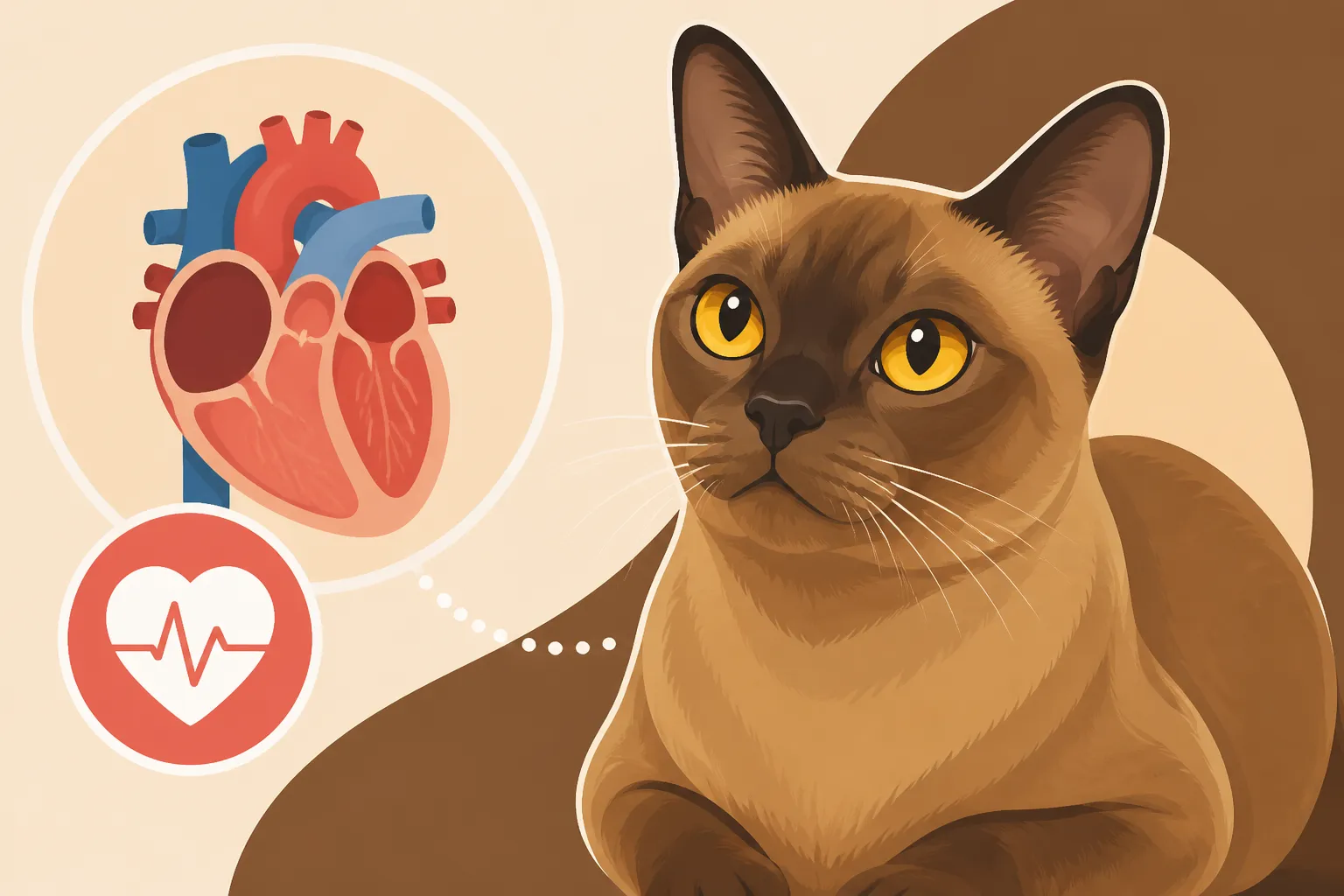
Hypertrophic cardiomyopathy (HCM) is the most common heart disease in cats, period. It's a condition where the muscular walls of a cat's heart (specifically the left ventricle) thicken, making it harder for the heart to pump blood effectively. This thickening reduces the heart's ability to fill with blood, leading to potential issues like blood clots, fluid in the lungs (congestive heart failure), and tragically, sudden death. While it's widespread across many feline breeds, some breeds are notoriously predisposed due to genetic mutations.
For Burmese owners, it's natural to wonder if our active, affectionate companions are high on that list. The good news is that compared to some breeds like the Maine Coon or Ragdoll, where specific genetic mutations linked to HCM have been identified and are widespread, the Burmese doesn't carry the same widely recognized genetic predisposition. This isn't to say a Burmese can't get HCM; any cat can. But it means that it doesn't appear to be a prevalent, inherited breed-specific issue in the Burmese in the same way it is in those other breeds. Extensive studies and veterinary observations haven't flagged the Burmese as a breed with a significantly elevated risk for HCM.
However, "not a breed-specific issue" doesn't mean "never happens." It just means we're not dealing with the same genetic time bomb that some other breed communities are. It's still crucial for breeders to prioritize overall heart health and for owners to be vigilant about their cat's well-being. Regular veterinary check-ups remain vital for detecting any anomalies, regardless of breed predisposition.
Recognizing the Subtle Signs of Heart Disease
One of the most frustrating and heartbreaking aspects of HCM, and many other feline illnesses, is how subtly it can present. Our Burmese cats are masters of disguise, often hiding discomfort or weakness until a condition is quite advanced. This inherent stoicism means we, as their human companions, need to be extra tuned into any changes in their behavior or routine. This is why you often hear the advice that "Why a Burmese Hides Illness Behind Its Affection".
When it comes to HCM, the signs can be incredibly vague in the early stages, or even throughout the disease's progression until a critical event occurs. Here’s what you might notice, keeping in mind that these could also point to a myriad of other issues, necessitating a vet visit regardless:
- Changes in Activity Level: Is your usually playful Burmese, who at fifteen might still be acting like a kitten, starting to slow down more than usual? Perhaps they're less enthusiastic about chasing their favorite wand toy, or they tire more quickly after a short play session. While it's normal for cats to mellow with age, a sudden or significant drop in energy should raise a flag.
- Breathing Difficulties: This is a more concerning sign and often indicates that the disease has progressed to congestive heart failure. You might observe rapid breathing (tachypnea), panting, or labored breathing. If your cat is breathing more than 30 breaths per minute while resting or sleeping, it’s a strong indicator of a problem. Open-mouthed breathing or gasping is an emergency.
- Lethargy and Weakness: A general lack of interest in their surroundings, sleeping more than usual, or appearing weak or unsteady on their feet. This isn't just a "lazy day"; it's a persistent, noticeable change.
- Decreased Appetite or Weight Loss: While a Burmese usually loves their food, a significant drop in their usual ravenous appetite or unexplained weight loss could be a sign of underlying illness. We all know "Why a Burmese Never Stops Asking for Food", so a sudden refusal to eat is quite alarming.
- Hind Limb Weakness or Paralysis: This is a severe and acute symptom, often referred to as a "saddle thrombus." It occurs when a blood clot, formed in the heart due to turbulent blood flow caused by HCM, travels down and lodges in the arterial supply to the hind legs. This is incredibly painful and constitutes an emergency. The cat may suddenly collapse, drag its hind legs, or cry out in pain.
- Heart Murmur: This is something your vet would typically detect during a routine examination. A murmur is an abnormal whooshing sound made by turbulent blood flow within the heart. It's important to remember that not all cats with a heart murmur have HCM, and not all cats with HCM have a detectable murmur. However, if your vet hears one, it will prompt further investigation.
It cannot be stressed enough: if you notice any of these signs, especially a combination of them, do not wait. Schedule a visit with your veterinarian immediately. It's always better to be overly cautious than to delay.
| Symptom Category | Mild/Early Signs | Advanced/Emergency Signs | What to Look For |
|---|---|---|---|
| Activity Level | Reduced play, more sleeping | Extreme lethargy, reluctance to move | Less interested in toys, prolonged naps |
| Breathing | Slightly faster breathing at rest | Rapid, labored breathing (over 30 breaths/min), panting, open-mouthed breathing | Subtle changes in breathing rhythm, visible effort |
| Appetite/Weight | Picky eating, small weight changes | Significant appetite loss, unexplained weight loss | Food left in bowl, visible thinning |
| Mobility | Subtle stiffness, less jumping | Hind limb weakness, dragging, paralysis (saddle thrombus) | Hesitation before jumping, sudden inability to use back legs |
| General Demeanor | Less engaging, slight withdrawal | Severe weakness, collapse, crying out in pain | Not greeting you at the door, hiding |
Diagnosis and Management: Working with Your Veterinarian
If your vet suspects heart disease, they won't just guess. They'll use a combination of tools and tests to get a clear picture of what's happening inside your Burmese's chest. Early and accurate diagnosis is key to providing the best possible quality of life, even if HCM itself isn't curable.
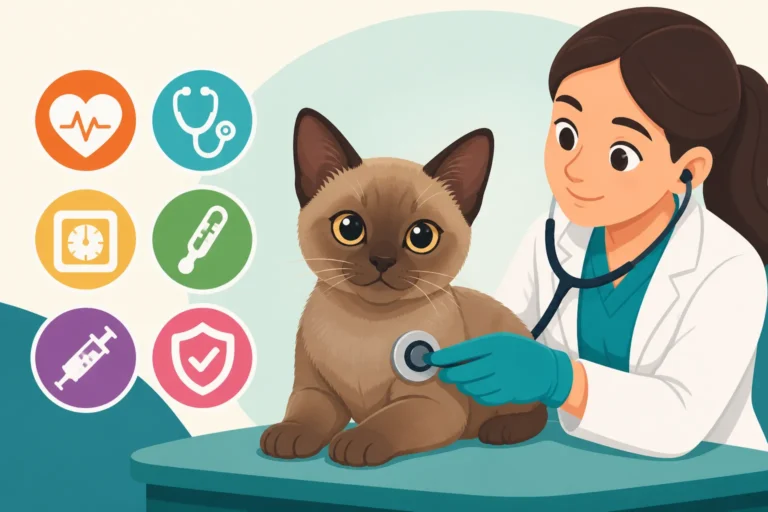
The first step is often a thorough physical examination, during which your vet will listen to your cat's heart for murmurs or abnormal rhythms. They'll also check their breathing and overall condition. If anything seems amiss, further diagnostics will be recommended.
Diagnostic Tools
- Echocardiogram (Cardiac Ultrasound): This is the gold standard for diagnosing HCM. It's a non-invasive ultrasound of the heart that allows a veterinary cardiologist to visualize the heart's structure in real-time. They can measure the thickness of the heart walls, assess the size of the chambers, and observe how efficiently the blood is flowing. This tells them if thickening is present, how severe it is, and if it's impacting heart function. It's recommended that if you have a Burmese or any cat breed with potential heart concerns, you ask "Whether a Burmese Needs an Echo Before Breeding" if you're considering breeding, or for a baseline check, especially if a murmur is detected.
- Chest X-rays: These are often used to evaluate the size and shape of the heart and, more importantly, to check for fluid accumulation in or around the lungs, which would indicate congestive heart failure.
- Electrocardiogram (ECG): An ECG records the electrical activity of the heart and can detect abnormal heart rhythms (arrhythmias) that might be associated with HCM.
- Blood Tests (NT-proBNP): This specialized blood test measures a hormone released when heart muscle is stretched or stressed. Elevated levels can suggest heart disease, though it's not specific to HCM and often used as a screening tool or to assess the severity of disease. It's a helpful indicator, especially for breeds where HCM is a known concern.
- Blood Pressure Measurement: High blood pressure can contribute to heart disease or be a symptom of other conditions impacting heart health.
Treatment and Management
Once diagnosed, the goal of treatment for HCM is to manage symptoms, improve quality of life, and slow the progression of the disease. Unfortunately, there's no cure for the thickening itself. Medications are often prescribed to:
- Relax the Heart Muscle: Drugs like beta-blockers or calcium channel blockers can help the thickened heart muscle relax, allowing the ventricles to fill more effectively.
- Reduce Fluid Buildup: Diuretics are used to remove excess fluid from the body, particularly if the cat is experiencing congestive heart failure.
- Prevent Blood Clots: Since HCM can increase the risk of blood clot formation, aspirin or other anti-clotting medications may be prescribed to prevent potentially fatal saddle thrombi.
- Manage Arrhythmias: If abnormal heart rhythms are present, specific anti-arrhythmic medications may be used.
Regular follow-up appointments with your veterinarian or a veterinary cardiologist will be essential to monitor your Burmese's condition, adjust medications as needed, and ensure their comfort. This can be a significant financial commitment, which is why having a robust pet insurance policy, like those offered by Healthy Paws, can be an absolute lifesaver. Knowing that you have support for specialist consultations, echocardiograms, and long-term medication costs can make all the difference in providing your beloved cat with the care they deserve.
Living with a Burmese and HCM: Prevention and Support
Even though HCM isn't as prevalent in Burmese as in some other breeds, responsible ownership and proactive health management are always the best policies. For any cat, but especially our precious Burmese, understanding potential risks and being prepared is paramount.
The Role of Responsible Breeding
While there isn't a specific genetic test for HCM in the Burmese breed like there is for Maine Coons, responsible breeders still play a crucial role. This means:
- Health Screening: Breeders should be transparent about the health history of their lines, including any incidence of heart disease. Regular veterinary checks for breeding cats, including auscultation (listening to the heart) and sometimes even prophylactic echocardiograms, contribute to overall breed health.
- Observational Breeding: Any cat showing signs of heart disease or producing offspring with heart issues should be removed from a breeding program.
- Transparency: A reputable breeder will always be upfront about health concerns and provide a comprehensive health guarantee. They should also be well-versed in "What a Burmese Breeder Must Test Before Any Mating" for other known Burmese health issues, ensuring overall robust health.
Lifestyle Management
For owners, supporting your Burmese's heart health involves several key areas:
- Diet: While diet isn't a direct cause or cure for HCM, a high-quality, species-appropriate diet is foundational for overall health. Ensuring your Burmese maintains a healthy weight is absolutely critical, as obesity puts extra strain on the heart. You'll find a lot of information on "Why Weight Is the Only Lever a Burmese Owner Has" when it comes to diabetes, but it applies to heart health too. Avoid free-feeding and stick to measured portions of high-protein, low-carbohydrate wet food. This also helps mitigate the breed's predisposition to diabetes, which is a significant concern for Burmese owners.
- Regular Veterinary Check-ups: These are non-negotiable. Your vet can catch subtle changes during routine exams that you might miss. Regular check-ups, ideally yearly for adult cats and more frequently for seniors (perhaps starting around "When a Burmese Counts as Senior"), allow your vet to monitor heart sounds, breathing patterns, and overall vitality. If your cat develops a heart murmur, your vet will discuss next steps.
- Stress Reduction: Cats are creatures of habit, and stress can impact their physical health. Providing a stable, enriched environment, with plenty of opportunities for play and interaction (especially important for a "The Burmese Is the Velcro Cat of the Cat Fancy" like a Burmese), can contribute to their overall well-being.
- Know Your Cat: You spend the most time with your Burmese, so you're best positioned to notice changes. Take time each day to observe their energy levels, breathing, and general demeanor. A few minutes of quiet observation can reveal a lot. Knowing "How Long a Burmese Lives" on average and understanding the general health trajectory can help you be prepared for age-related changes and potential health issues.
Financial Preparedness
Dealing with a chronic illness like HCM can be emotionally and financially draining. Diagnostic tests, specialist visits, and lifelong medication can add up quickly. This is where pet insurance becomes invaluable. A good policy can cover a significant portion of these costs, allowing you to focus on your cat's care rather than the bill. Many owners find that signing up for pet insurance, such as through Healthy Paws, when their cat is young and healthy, ensures that pre-existing conditions won't be an issue if an illness like HCM arises later. It's a proactive step that offers peace of mind.
While HCM might not be a top-tier genetic threat for the Burmese, being informed and proactive means you're giving your affectionate, intelligent companion the very best chance at a long, healthy, and happy life.
Disclaimer
This article provides general information and is not a substitute for professional veterinary advice. Always consult with a qualified veterinarian for any health concerns or before making any decisions related to your cat's care.