How Little a Satin Coated Burmese Sheds
It's a common, utterly relatable frustration for any cat owner: finding cat hair absolutely everywhere. On your clothes, on the furniture, even floating in your morning coffee! When you're considering a Burmese, or perhaps already share your home with one of these beautiful, affectionate cats, you might wonder if their famously sleek, short coat truly lives up to its reputation for minimal shedding. After all, a cat is a cat, right? They all shed to some degree. But for the Burmese, there's a distinct difference, and understanding why they shed so little can help you appreciate this unique breed even more. This guide will dive deep into the specific characteristics of the Burmese coat, explaining why you'll find significantly less fur around your home, and how to maintain that gorgeous, low-shedding shine.
Understanding the Unique Burmese Coat
The Burmese cat is renowned not just for its captivating personality, but also for its distinctive coat. This isn't just any short cat coat; it possesses qualities that set it apart from many other breeds, directly impacting its shedding habits. It's truly one of the hallmarks of the breed, contributing to their low-maintenance appeal.
The Satin Sheen and Minimal Undercoat
When people describe a Burmese coat, "satin" is the word that comes up again and again. It's not merely short; it's incredibly fine, close-lying, and has a remarkable sheen that makes it look like polished silk. This unique texture isn't just for show; it's a structural characteristic that plays a huge role in their shedding profile. Imagine running your hand over pure silk – that's the tactile experience of a healthy Burmese coat. It truly feels like a "brick wrapped in silk," a testament to their surprising density and muscle beneath that fine fur.
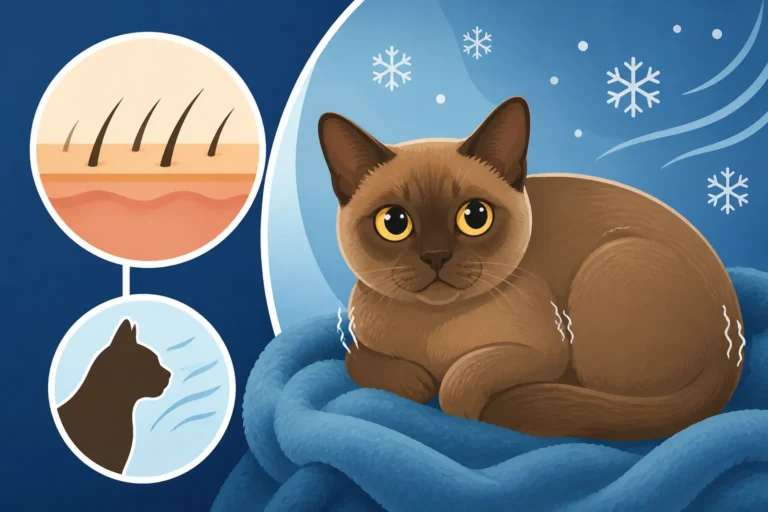
What truly differentiates the Burmese coat from many other breeds is its distinct lack of an undercoat. Most cats, especially those adapted to cooler climates or those with thicker fur, have a dual-layer coat: a coarser, protective outer guard coat and a soft, dense undercoat that provides insulation. The Burmese, however, is primarily composed of guard hairs, making its coat much thinner and less bulky. This single-layer construction means there's simply less fur to shed in the first place. You can learn more about this in What Makes a Burmese's Coat Satin Rather Than Silky and Why a Burmese Has Almost No Undercoat.
This absence of a dense undercoat means that when a Burmese sheds, the individual hairs are fine and don't typically clump together in the same way you'd see with a double-coated cat. Instead, they tend to fall out individually or in very small, manageable amounts. This means less noticeable fur on your furniture and clothing, and generally a much cleaner living environment compared to many other feline companions. It's a joy for owners who want the companionship of a cat without the constant battle against shedding fur.
How the Coat's Structure Affects Shedding
The anatomical reality of the Burmese coat directly translates to a reduced shedding experience. Because the hairs are so fine and lie so close to the body, they don't get tangled easily. Tangles and mats in longer or thicker coats can trap loose hairs, leading to larger clumps of fur being shed at once when they eventually work free. With a Burmese, this isn't a significant issue. The individual hairs are typically quite short-lived in their follicles, but their small size and independent nature mean their departure is far less dramatic.
Think about it from a purely practical standpoint: a short, single-layer coat has less surface area for environmental debris to cling to, and fewer individual hairs per square inch compared to a cat with a thick undercoat. This translates to less overall hair volume being produced and subsequently shed. This isn't to say a Burmese never sheds; every living creature with hair or fur sheds. But the volume and impact of that shedding are dramatically different.
Furthermore, the smooth, sleek texture of the Burmese coat means that any loose hairs tend to fall off easily or are dislodged with minimal contact, rather than clinging stubbornly to fabrics. This is a huge advantage when it comes to keeping your home tidy. Instead of embedded fur, you'll find any shed hairs are typically easy to wipe away or vacuum up, making daily tidying a much less daunting task. It’s part of the reason How Rarely a Burmese's Satin Coat Needs Anything Done is often surprising to first-time owners.
The Reality of Shedding: Less, But Never None
While the Burmese is celebrated for its low-shedding qualities, it's crucial to approach this with realistic expectations. "Low-shedding" is not "no-shedding." Every cat, including the Burmese, will shed some hair. The key difference lies in the quantity and manageability of that shed fur.
Seasonal Shifts and Hormonal Influences
Even with their minimal undercoat, Burmese cats can experience slight increases in shedding during certain times of the year, particularly as seasons change. Just like us, their bodies respond to shifts in daylight hours and temperature, which can trigger a mild "coat blow." You might notice a bit more hair around in spring as they prepare for warmer weather, or a slight increase in autumn as their bodies get ready for cooler temperatures. However, this seasonal shedding is still considerably less pronounced than what you'd observe in breeds with heavier coats. It's a subtle change, not an explosion of fur.
Hormonal fluctuations can also play a role. For example, an intact female Burmese (queen) might shed a little more during or after a heat cycle, or after giving birth. Similarly, stress can sometimes trigger increased shedding, much like it does in humans. A significant change in environment, a new pet, or even a different daily routine could potentially lead to a temporary uptick in the amount of hair you find. It's always wise to monitor your cat's behavior and physical condition for any signs that stress might be contributing to changes in their coat. These are generally minor and short-lived, but they are worth noting.
How Burmese Shedding Compares to Other Breeds
To truly appreciate how little a Burmese sheds, it helps to put it into context with other popular cat breeds. When you compare a Burmese to a long-haired cat like a Maine Coon or a Persian, the difference is night and day. Those breeds require daily, intensive grooming to prevent matting and manage the sheer volume of fur they produce. Even many domestic shorthairs, with their denser double coats, will leave significantly more hair around your home than a Burmese.
Consider breeds like the Siamese, which also has a very short, close-lying coat. The Burmese is often compared to the Siamese (and indeed, shares some ancestry), and their shedding profiles are quite similar – both are on the low end of the spectrum. However, the Burmese's coat is often described as feeling even more "plush" or "satin-like" due to its particular texture and density, even while shedding minimally. The fine nature of the Burmese hair means that when it does shed, it's less conspicuous. You might notice the hairs more clearly on certain surfaces because Why a Burmese's Coat Shows Every Loose Hair, but the quantity remains low.
Here’s a quick overview of how the Burmese stacks up against some other common cat coat types:
| Cat Breed Type | Coat Description | Typical Shedding Level | Grooming Frequency | Impact on Home Cleanliness |
|---|---|---|---|---|
| Burmese | Short, fine, single-layer 'satin' coat, minimal undercoat | Very Low | Minimal (weekly chamois/wipe) | Excellent: very little noticeable fur |
| Domestic Shorthair | Short, dense, double coat (varies) | Moderate | Low (weekly brushing) | Good: some fur, especially seasonally |
| Persian / Maine Coon | Long, thick, double coat | High | Daily intensive brushing | Challenging: constant fur removal |
| Siamese | Very short, close-lying, single coat | Low | Minimal (occasional wipe) | Very Good: little noticeable fur |
| Sphynx | Hairless or very fine peach fuzz | None | Regular skin baths | Excellent: no fur to shed |
As you can see, the Burmese stands out as one of the best choices for those seeking a cat companion with minimal shedding, making it a dream for many cat lovers who are tired of perpetual fur bunnies.
Key Factors That Influence Your Burmese's Shedding
While the Burmese inherently sheds very little, there are several key factors that can influence its coat health and, consequently, the amount of shedding. Understanding these can help you ensure your Burmese maintains its beautiful satin coat and remains as low-shedding as possible.
The Critical Role of Diet and Nutrition
What you feed your Burmese directly impacts the quality of its coat. A cat's fur is primarily made of protein, so a diet rich in high-quality animal protein is absolutely essential for a strong, healthy coat and minimal shedding. If your cat isn't getting adequate protein or the right balance of essential fatty acids (like Omega-3 and Omega-6), their fur can become dull, brittle, and shed more readily. Think of it as building blocks – without good quality blocks, the structure (their coat) won't be as robust.
Choosing a premium cat food, ideally one that is high in meat protein and low in carbohydrates, is paramount. Many commercial dry kibbles are high in plant-based fillers and carbohydrates, which aren't ideal for a carnivore like a cat and can negatively impact skin and coat health. Wet food, with its higher moisture content and often lower carbohydrate profile, is often recommended. Brands like Chewy offer a wide selection of high-quality wet foods that fit this bill. Remember, Feeding a Burmese Is a Medical Decision, Not a Preference, largely because of their predisposition to conditions like diabetes, where a low-carb diet is also crucial.
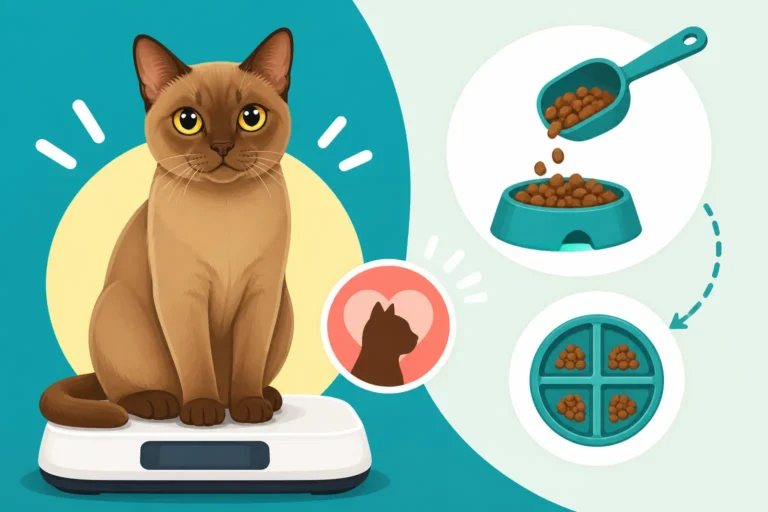
Over-feeding or free-feeding can also impact coat health indirectly by leading to obesity, which can cause skin issues and reduced grooming ability. It’s important to understand Why a Burmese Should Never Be Free Fed and stick to carefully measured portions. Ensure their diet includes a good source of animal fats, which provide the necessary fatty acids for a glossy coat. Some owners even add a small amount of fish oil (specifically formulated for pets) as a supplement, but always consult your vet before adding supplements to your cat's diet. A well-nourished Burmese will have a vibrant, resilient coat that sheds very little.
Health, Stress, and Environmental Triggers
Beyond diet, your Burmese's overall health and environment play significant roles in its shedding patterns. A healthy cat with a robust immune system will generally have a healthier coat. If your Burmese suddenly starts shedding more than usual, or if its coat appears dull, greasy, or has bald patches, it's a definite red flag. This could indicate an underlying health issue such as parasites (fleas, mites), skin infections, allergies, hormonal imbalances, kidney disease, or even conditions like hyperthyroidism. Regular veterinary check-ups are vital for catching these issues early. Remember, a Why a Withdrawn Burmese Should See a Vet That Day applies to sudden changes in appearance too.
Stress and anxiety are also common triggers for increased shedding in cats. A nervous or anxious Burmese might over-groom, leading to hair loss or even bald spots, or simply shed more due to physiological responses to stress. Providing a stable, enriching environment, ensuring plenty of playtime and attention (Burmese thrive on companionship), and minimizing sudden changes can help keep stress levels down. A bored or lonely Burmese might also engage in excessive grooming or develop anxiety-related behaviors that impact their coat.
Environmental factors like humidity and temperature can also have a subtle effect. In very dry environments, some cats might experience drier skin, which can lead to more shedding. Ensuring adequate humidity in your home, especially during dry winter months, can be beneficial. While Burmese are quite adaptable, extreme temperature fluctuations can also affect their skin and coat. Maintaining a comfortable, consistent indoor climate helps support overall coat health. Keeping them indoors protects them from environmental stressors and potential parasites that could impact their fur.
Practical Management for a Healthy Burmese Coat
Maintaining the stunning satin coat of your Burmese is surprisingly simple, primarily because of its low-shedding nature. However, a few consistent practices can ensure their coat remains healthy, shiny, and sheds as minimally as possible.
Grooming Techniques for That Signature Shine
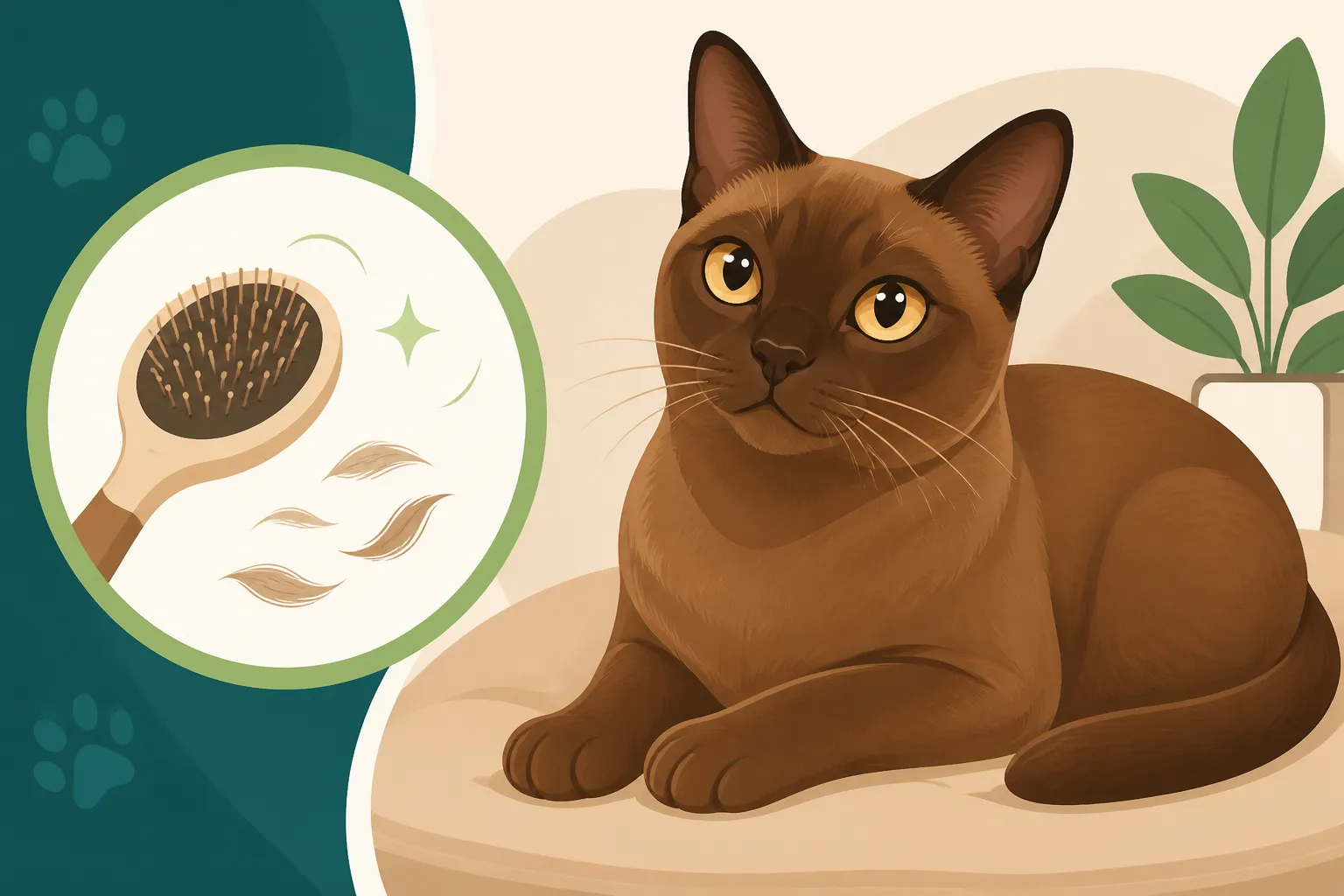
One of the great joys of owning a Burmese is how low-maintenance their grooming needs are. You won't be battling mats or spending hours brushing out thick fur. For a Burmese, regular, gentle grooming is more about enhancing that natural satin sheen and removing any truly loose hairs, rather than preventing massive shedding. A soft chamois cloth is often recommended over traditional brushes. Gently wiping down your Burmese with a slightly dampened chamois cloth a few times a week will help collect any shed hairs, distribute natural oils, and bring out that characteristic luster. It’s effective and typically well-tolerated by these affectionate cats. You'll quickly see Which Chamois Brings Up a Burmese's Satin Shine and how easy it is to use.
Traditional slicker brushes or de-shedding tools, which are indispensable for many other breeds, are generally overkill and can even be irritating for a Burmese's delicate, single-layer coat. There's simply no dense undercoat for these tools to pull through effectively. As discussed in Why a Slicker Brush Is Wasted on a Burmese, their fine fur doesn't require such vigorous treatment. A simple rubber grooming mitt or even just your hand can also work wonders during petting sessions, collecting loose hairs while also providing bonding time. Most Burmese adore being fussed over, so these grooming moments become another opportunity for connection, not a chore.
Occasional bathing is rarely needed unless your Burmese gets into something particularly dirty. Their short, close-lying coat tends to stay quite clean on its own. If a bath is necessary, use a gentle, cat-specific shampoo to avoid drying out their skin. The key here is consistency, not intensity. A few minutes of gentle grooming a couple of times a week is usually all it takes to keep a Burmese looking pristine.
Maintaining Optimal Coat Health Through Care
Beyond the external grooming, maintaining optimal coat health for your Burmese is deeply tied to their overall well-being. This includes ensuring they have access to fresh water, managing their weight, and providing a stress-free environment. Water intake is vital for hydration, which in turn supports skin elasticity and coat health. Make sure multiple water sources are available, perhaps even a pet fountain, to encourage drinking.
Weight management is also crucial. An overweight Burmese may struggle to groom themselves effectively, especially in hard-to-reach areas, which can lead to a duller coat and potentially more shedding due to trapped hairs or skin issues. Regular weighing and careful portion control, as outlined in What an Adult Burmese Should Weigh and Why Portion Control Is Medical Care in a Burmese, are essential. Their muscular build can sometimes make it tricky to gauge their true body condition, so feeling for their ribs is a good indicator.
Finally, ensuring your Burmese is mentally and emotionally content will reflect in their physical health, including their coat. These are highly social cats who thrive on interaction. A lonely or bored Burmese is more prone to stress, which can manifest in various ways, including changes in coat quality or excessive grooming. Plenty of interactive play, puzzle feeders, and regular cuddle sessions contribute immensely to their happiness and, by extension, their beautiful, healthy coat. Providing enrichment, whether through toys from Amazon or engaging play, goes a long way.
Living with a Low-Shedding Companion
Bringing a Burmese into your home means enjoying a cat known for its incredible affection and stunning good looks, with the added benefit of significantly less shedding compared to many other breeds. This makes daily life much easier and your home noticeably cleaner.
Keeping Your Home Hair-Free (Mostly)
For those who are tired of finding cat hair on every surface, the Burmese offers a welcome respite. While they do shed, the amount is so minimal that you'll find your home much easier to keep tidy. Routine cleaning, such as regular vacuuming and dusting, will effectively manage any loose hairs. You won't be constantly battling thick layers of fur on furniture or clothing. This allows you to truly relax and enjoy your cat without the constant stress of lint rolling every item of clothing before you leave the house.
Because their hair is so fine, it tends not to embed deeply into carpets or upholstery. Instead, it often lies on the surface, making it easier for standard vacuum cleaners and sticky rollers to pick up. For furniture, a damp cloth or a special pet hair remover can be very effective for quick clean-ups. You might even find that you don't need to clean as frequently as you would with a heavier-shedding breed. This low-maintenance aspect is a huge bonus for busy households or those who prefer a consistently cleaner living space.
Even with their low shedding, it’s still a good idea to incorporate quick, regular grooming sessions (as discussed above) into your routine. Not only does this bond you with your Burmese, but it also captures any loose hairs before they have a chance to settle on your belongings. This proactive approach ensures that the already minimal shedding is kept even more under control, allowing you to fully enjoy the company of your sleek, loving companion.
Beyond Shedding: Allergy Considerations
It's a common misconception that low-shedding cats are "hypoallergenic." Unfortunately, this isn't entirely true, and it's an important point to clarify, especially if someone in your household suffers from cat allergies. Allergies are typically triggered by specific proteins found in a cat's saliva, dander (tiny flakes of skin), and urine, not just the hair itself. When a cat sheds, these allergenic proteins are dispersed into the environment via the loose fur and dander.
While a Burmese sheds significantly less hair, thereby distributing fewer allergenic proteins through airborne fur, they still produce dander and saliva containing these proteins. Therefore, someone with a severe cat allergy might still react to a Burmese. However, anecdotal evidence and experience suggest that some people with mild cat allergies may tolerate low-shedding breeds like the Burmese better than high-shedding breeds. This is because less fur means less distribution of the problematic dander and saliva.
If you or a family member has allergies and are considering a Burmese, it's crucial to spend time with the breed to gauge your reaction before committing. Visiting a breeder's home or spending time with a friend's Burmese can help determine if this wonderful breed is a good fit. While not a guaranteed solution for allergies, the Burmese's low-shedding coat certainly reduces one significant vector for allergen dispersal, making them a more manageable option for some allergy sufferers than their furrier counterparts.
Disclaimer
This article is for general informational purposes only and does not constitute professional advice. Laws, prices and regulations vary by location and change over time. Consult a qualified professional for guidance on your specific situation.