Why Dry Food Carries More Carbohydrate for a Burmese
It’s a common sight in many homes: a big bowl of dry kibble left out all day for your beloved feline friend to graze on at their leisure. It seems convenient, affordable, and fills them up, right? But for us Burmese cat owners, that seemingly innocent bowl of dry food carries a hidden truth that could significantly impact our cats' health, specifically concerning their predisposition to diabetes. This guide will dive deep into why dry food typically contains far more carbohydrates than wet food and why understanding this distinction is a crucial step in safeguarding your Burmese cat's long-term well-being.
The Feline Design: Why Carbohydrates Are a Mismatch
Before we even get to the specifics of dry kibble, it’s essential to remember what a cat truly is, deep down. Despite generations of domestication, our furry companions retain the nutritional blueprint of their wild ancestors. This fundamental truth about their biology dictates what they should be eating for optimal health, and it's quite different from what many commercial cat foods offer.
Obligate Carnivores: Nature's Little Hunters
Your Burmese, with its charming personality and affectionate nature, is at its core an obligate carnivore. This isn't just a fancy term; it means their bodies are specifically designed to derive all necessary nutrients from animal sources. Think about what a wild cat eats: small prey like mice, birds, and insects. These meals are incredibly high in protein, contain a moderate amount of fat, and are remarkably low in carbohydrates – usually less than 5% of their total caloric intake.
A cat’s digestive system, their metabolism, and even their teeth are all geared towards processing meat. They have a short digestive tract, perfect for quickly breaking down protein and fat. Their livers are optimized for processing animal fats and protein into energy, not for handling large loads of carbohydrates. When a cat consumes excessive carbohydrates, their body struggles to process them efficiently, leading to a host of potential health issues down the line. It's like trying to run a sports car on diesel – it just isn't what it was designed for.
The Manufacturing Reality of Dry Kibble
Now, let's talk about dry food. While immensely popular for its convenience and shelf stability, its very creation necessitates a significant departure from a cat's natural diet. To produce those crunchy little pellets, manufacturers need ingredients that bind together, hold shape, and allow for efficient extrusion (the process of pushing ingredients through a die at high pressure and temperature). What fulfills this role perfectly? Starches – which are, you guessed it, carbohydrates.
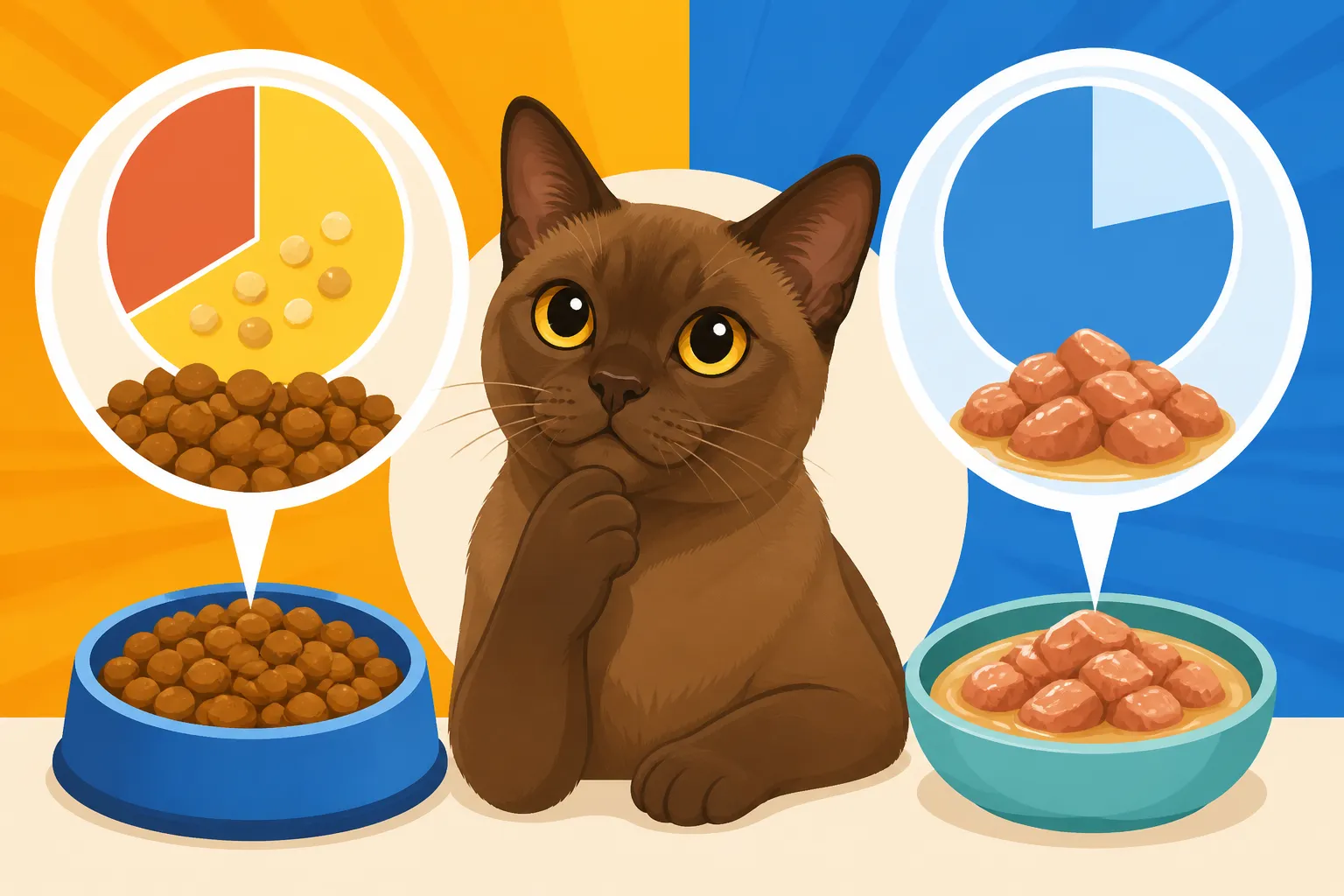
These starches often come from grains like corn, rice, wheat, or barley. Even "grain-free" kibbles often substitute these with other high-carb ingredients such as potatoes, sweet potatoes, peas, or tapioca. Without these starchy binders, dry kibble wouldn't form its shape, nor would it have the texture that many cats seem to enjoy. This fundamental requirement of the manufacturing process means that dry cat food, by its very nature, will almost always have a significantly higher carbohydrate content than its wet food counterparts. Wet foods, on the other hand, use meat and water as their primary binders and can maintain their form and palatability with much lower starch levels.
Hidden Carbs in "Premium" Dry Foods
It's easy to assume that if you're buying a more expensive or "premium" brand of dry cat food, you're getting a healthier, lower-carb option. Unfortunately, this isn't always the case, and it's a frustration many conscientious cat owners encounter. Marketing can be quite clever, highlighting buzzwords like "grain-free," "natural," or "holistic." While these terms might sound appealing, they don't necessarily equate to a low-carbohydrate profile suitable for an obligate carnivore like your Burmese.
Many "grain-free" dry foods simply swap out corn or wheat for other carbohydrate-heavy ingredients like lentils, chickpeas, or potatoes. These are still starches, and they still contribute significantly to the overall carbohydrate load. A cat doesn't care if the starch comes from corn or a sweet potato; their body processes it as sugar. It's vital to look beyond the flashy packaging and delve into the actual ingredient list and, if possible, the guaranteed analysis to truly understand what you're feeding your cat. Brands available on platforms like Chewy or Amazon often provide detailed nutritional breakdowns, so take the time to compare.
Why High Carbohydrates Are a Bigger Concern for Burmese Cats
While all cats are obligate carnivores and benefit from a low-carb diet, the stakes are particularly high for Burmese cats. This breed carries a distinct genetic predisposition that makes managing their carbohydrate intake not just good practice, but a critical component of their preventative healthcare. Ignoring this could lead to serious, life-altering conditions.
The Burmese Predisposition to Diabetes
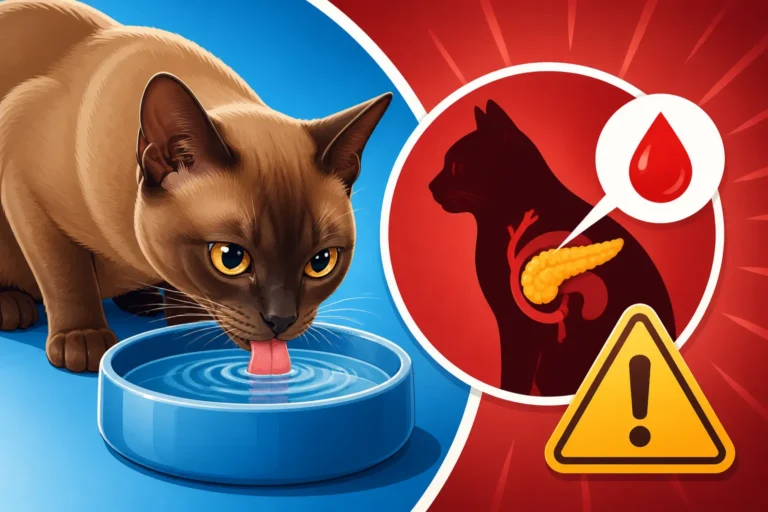
This is where the rubber meets the road. The Burmese cat breed is unfortunately The Burmese Has the Highest Diabetes Rate of Any Cat Breed among all cat breeds. Studies have shown that a Burmese is Why a Burmese Is Four Times More Likely to Become Diabetic to become diabetic compared to other felines. This isn't just bad luck; it's linked to a combination of genetic factors and how their bodies process carbohydrates and insulin.
When a cat, especially a Burmese, consumes a diet consistently high in carbohydrates, their pancreas is constantly working overtime to produce insulin to manage the influx of blood sugar. Over time, this constant demand can lead to insulin resistance, where the body's cells no longer respond effectively to insulin. Eventually, the pancreas can become exhausted, leading to Type 2 diabetes. For a Burmese, this process seems to be accelerated and more pronounced due to their unique genetic makeup. This makes every meal a medical decision, not just a casual choice.
Weight Management and Satiety for a Muscular Build
Burmese cats are known for their compact, muscular bodies, often described as "a brick wrapped in silk." They are surprisingly heavy for their size, and this muscularity can sometimes mask weight gain. High-carbohydrate foods often contribute to weight gain in several ways. Firstly, carbohydrates are quickly converted to glucose, and if not immediately used for energy, they are stored as fat. Secondly, carbohydrates don't provide the same lasting satiety as protein and fat for a cat. A cat fed a carb-heavy diet might feel hungry more quickly, leading to begging and overeating.
This cycle of consuming high-carb foods, leading to inadequate satiety, leading to more food intake, is a direct pathway to obesity. And obesity is a massive risk factor for diabetes in Burmese cats. As a Burmese gains weight, its cells become even more resistant to insulin, exacerbating their genetic predisposition. This means that How Much Weight Raises a Burmese's Diabetes Risk is a huge concern. Therefore, strict Why Portion Control Is Medical Care in a Burmese and careful attention to diet become paramount in keeping your Burmese at a healthy weight and mitigating their diabetes risk. How to Weigh a Burmese Accurately at Home is a skill every Burmese owner should master.
Water Intake and General Feline Health
Another often-overlooked aspect of dry food is its significantly lower moisture content compared to wet food. Cats naturally have a low thirst drive; in the wild, they get most of their hydration from their prey. A mouse, for example, is about 70-80% water. Dry kibble, on the other hand, is typically only 5-10% water. This means cats on an exclusively dry food diet often live in a state of mild, chronic dehydration.
While dehydration impacts all cats, it can indirectly exacerbate health issues in a diabetes-prone breed like the Burmese. Proper hydration is vital for kidney function and overall metabolic health. Cats that are not adequately hydrated may be more prone to urinary tract issues and could put extra strain on their kidneys over time. Although not a direct cause of diabetes, it's another factor that contributes to a less-than-optimal health state for a breed that already requires careful management.
Understanding Carbohydrate Content and Making Informed Choices
Navigating the world of cat food labels can feel like deciphering a secret code, but once you know what to look for, you can make informed decisions that directly benefit your Burmese's health. The key is to move beyond marketing claims and focus on the actual nutritional breakdown.
Reading Food Labels for Carbohydrate Content
Most cat food labels provide a "Guaranteed Analysis" that lists the minimum percentages of crude protein and crude fat, and maximum percentages of crude fiber and moisture. What they don't typically list is the carbohydrate content directly. But don't worry, you can calculate it!
Here's the simple formula:
100% – (Protein% + Fat% + Fiber% + Moisture% + Ash%) = Carbohydrate%
You might need to find the "ash" percentage, which represents the mineral content. Sometimes it's listed on the label; if not, you can often find it on the manufacturer's website or by contacting their customer service. A typical dry cat food might have an ash content of around 6-9%. For wet food, it's generally around 2-3%.
Let's look at an example to illustrate:
| Nutrient | Dry Food Example (as fed) | Wet Food Example (as fed) |
|---|---|---|
| Crude Protein | 30% | 10% |
| Crude Fat | 15% | 6% |
| Crude Fiber | 4% | 1% |
| Moisture | 10% | 78% |
| Ash (estimated) | 7% | 2.5% |
| Total Known | 66% | 97.5% |
| Carbohydrate | 34% | 2.5% |
As you can see, even with conservative estimates, the dry food has a significantly higher carbohydrate content. For a Burmese, you want to aim for foods where the carbohydrate content is as low as possible, ideally below 10%, and certainly no higher than 15-20% for any dry food that is part of their diet. This means Which Carbohydrate Percentage a Burmese Should Stay Below for optimal health.
Prioritizing Wet Food and Low-Carb Options
Given the Burmese's predisposition to diabetes, prioritizing a low-carbohydrate, high-protein wet food diet is one of the most impactful decisions you can make for their health. Why Wet Food Beats Kibble for a Burmese isn't just a preference; it's a medical recommendation for this breed. Wet food naturally has a higher moisture content and generally lower carbohydrate levels, mimicking a cat's natural prey diet much more closely.
When selecting wet food, again, focus on the guaranteed analysis. Look for options where the first few ingredients are clearly animal proteins (chicken, turkey, beef, fish) and where grains or starchy vegetables are low on the list or absent entirely. There are many excellent low-carb wet food options available from retailers like Chewy or Amazon, allowing you to compare ingredients and analysis right from your home. Even if you cannot completely eliminate dry food, reducing its proportion and choosing the absolute lowest-carb dry kibble you can find is a step in the right direction. Remember, Why a Burmese Should Never Be Free Fed – measured meals are key.
The Transition to a Better Diet
Switching your cat's food, especially from kibble to wet, can sometimes be a challenge. Cats can be notoriously picky, and a sudden change might be met with disdain or even refusal. The trick is to go slowly and be patient. Start by introducing a small amount of the new wet food alongside their usual dry food. Over several days or weeks, gradually increase the proportion of wet food while decreasing the dry.
Some tips for a smoother transition:
- Warm it up: Gently warming wet food can enhance its aroma and make it more appealing.
- Mix textures: If your Burmese is really resistant, you might try mixing a tiny amount of the new wet food with their current dry food.
- Consistency is key: Don't give up after a few tries. Stick with the gradual transition.
- Consider a topper: A sprinkle of freeze-dried meat or a lickable treat can make the new food more enticing.
- Consult your vet: If your Burmese is particularly resistant or has underlying health issues, your vet can offer tailored advice.
Remember, the goal is to get them accustomed to and eventually thriving on a diet that supports their unique health needs.
Long-Term Health and Dietary Management for Your Burmese
Managing your Burmese cat's diet is not a one-time decision; it's an ongoing commitment that evolves with your cat's age and health status. By focusing on low-carb nutrition and proactive monitoring, you can significantly enhance their quality of life and potentially extend their lifespan.
Regular Monitoring and Vet Checks
Even with the best diet, regular veterinary check-ups are non-negotiable for a Burmese cat. Given their diabetes predisposition, early detection is absolutely critical. Your vet can monitor their weight, conduct blood tests, and check for any subtle signs that might indicate a developing health issue. It's particularly important to start vigilant monitoring as they age. Why a Burmese's Glucose Should Be Checked From Seven is a crucial part of their annual health panel. These checks provide a baseline and allow your vet to catch any changes early, giving you the best chance to intervene.
Beyond diabetes, Burmese cats can be prone to other issues like dental disease or hypokalemia, though diet plays a different role there. However, a healthy, low-carb diet supports overall vitality and can help your cat withstand other challenges.
The Role of Portion Control
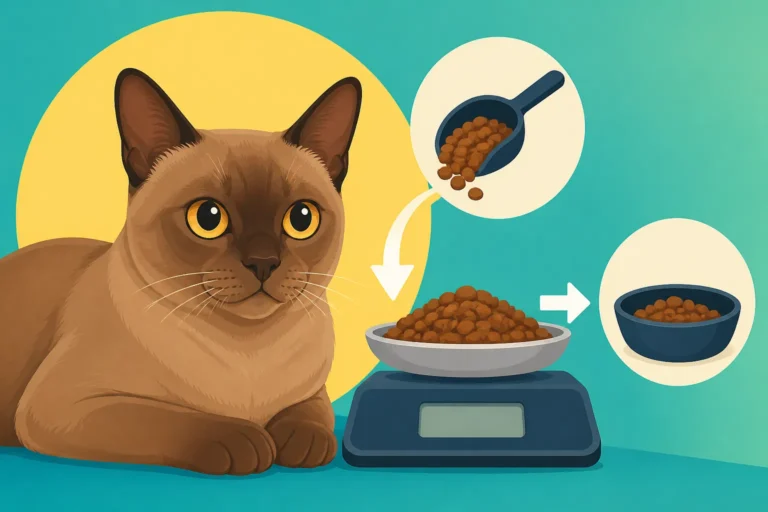
We've touched on it already, but it bears repeating: Why Portion Control Is Medical Care in a Burmese. Because they are so prone to weight gain and diabetes, every meal needs to be carefully measured. Free-feeding, where food is left out all day, is a recipe for disaster for a Burmese. It leads to overconsumption, especially of carbohydrate-heavy dry food, and disrupts their natural feeding patterns.
Instead, aim for two to three measured meals a day, ensuring that the total caloric intake matches their activity level and ideal body condition. Your vet can help you determine the appropriate daily calorie count. By weighing their food consistently, you have direct control over their diet and can prevent the weight gain that is such a significant risk factor for this breed. This diligent approach is a core part of their care.
Managing a Diabetic Burmese's Diet
If, despite your best efforts, your Burmese cat does develop diabetes, diet remains the cornerstone of its management. In fact, a strict low-carbohydrate diet is often the primary tool, alongside insulin therapy, to help them achieve remission or manage the disease effectively. Which Diet Puts a Burmese Into Remission is almost always a very low-carb, high-protein wet food diet. This type of diet minimizes the blood sugar spikes that insulin has to counteract, making it easier to regulate their glucose levels.
Caring for a diabetic Burmese at home involves not only insulin injections but also meticulous attention to their diet and feeding schedule. Caring for a Diabetic Burmese at Home is a significant commitment, and dietary consistency is key. Working closely with your vet to formulate a precise low-carb feeding plan, measuring portions rigorously, and sticking to a consistent feeding schedule around insulin injections will be vital for your cat’s health and well-being. The good news is that with dedicated dietary management, many diabetic Burmese cats can live long, comfortable lives.
Disclaimer
This article is for general informational purposes only and does not constitute professional advice. Laws, prices and regulations vary by location and change over time. Consult a qualified professional for guidance on your specific situation.