Which Carbohydrate Percentage a Burmese Should Stay Under
It's incredibly frustrating when you're trying your best to give your beloved Burmese the healthiest life possible, only to be met with confusing pet food labels that seem to hide the very information you need most. We all know that diet is paramount for our feline friends, but for a Burmese, it’s not just about preference or even just calories – it's a critical medical decision. This guide will walk you through exactly why carbohydrate percentage is so important for your Burmese, how to decipher those tricky food labels, and what you can do to ensure your companion thrives on an optimal low-carb diet.
The Unique Metabolic Needs of the Burmese Cat
Our beautiful Burmese companions are truly special, not just for their affectionate personalities and striking looks, but also for their unique physiological quirks. While all cats are obligate carnivores, meaning their bodies are designed to process animal protein and fat, the Burmese has a particular sensitivity that makes dietary choices even more crucial. Ignoring these needs can, unfortunately, pave the way for some serious health issues down the line.
Why Carbohydrates Are a Particular Concern for Burmese
Imagine a diet that's fundamentally at odds with your cat's evolutionary biology. That's often what a high-carbohydrate diet represents for any feline, but it’s especially pertinent for the Burmese. Unlike humans or even dogs, cats lack the necessary digestive enzymes in abundance to efficiently break down and utilize large amounts of carbohydrates. Their bodies are optimized for meat, not grains or starchy vegetables. When a Burmese consumes a diet rich in carbohydrates, their pancreas is put under undue stress, repeatedly trying to produce insulin to manage blood sugar spikes that wouldn't occur on a natural, meat-based diet. This constant workload can lead to exhaustion of the insulin-producing cells over time.
It’s not just about immediate digestion; it's about the long-term impact on their sensitive systems. A Burmese cat's metabolism is simply not built for the typical carbohydrate load found in many commercial dry kibbles. Their sleek, muscular bodies thrive on protein and fat, which are their primary energy sources. When you feed them too many carbs, those carbohydrates often get stored as fat, contributing to weight gain and further exacerbating metabolic stress. This isn't just theory; it's a widely acknowledged issue within the Burmese community and among veterinary professionals familiar with the breed.
Understanding the Link Between Diet and Diabetes Risk
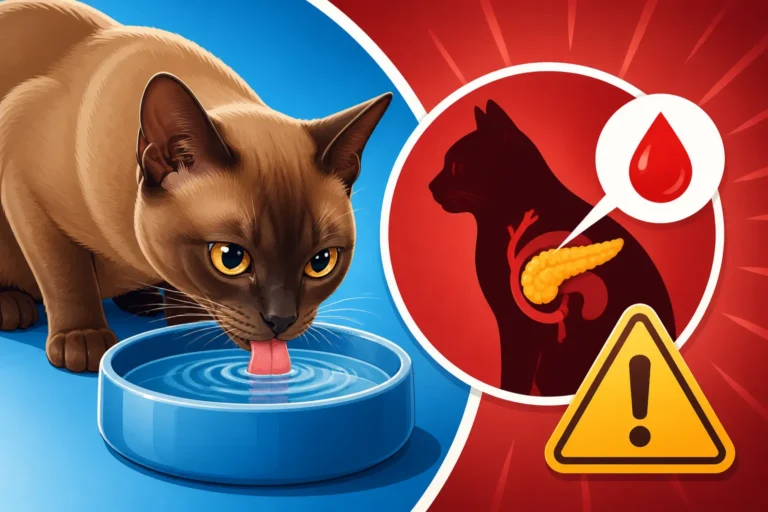
This brings us to one of the most critical concerns for Burmese owners: diabetes. It's a sobering fact, but Burmese cats are known to have a significantly higher genetic predisposition to developing feline diabetes mellitus compared to many other breeds. Why a Burmese Is Four Times More Likely to Become Diabetic is a question that weighs heavily on many owners' minds, and the answer often circles back to their unique genetics interacting with modern dietary habits.
The increased risk of diabetes in Burmese cats is not simply an unfortunate roll of the genetic dice; it's often a combination of inherited susceptibility and environmental factors, with diet being a major player. When a Burmese is consistently fed a diet high in carbohydrates, their body is constantly struggling to keep blood glucose levels stable. This chronic demand for insulin eventually leads to insulin resistance, where the body's cells no longer respond effectively to the insulin produced. Over time, the pancreas can become exhausted, unable to produce enough insulin to manage the body's glucose, and that's when full-blown diabetes sets in.
It's a silent threat that can creep up over years. Many owners don't realize the impact until their cat starts showing the classic signs, like excessive thirst or urination. By then, the metabolic changes have often been progressing for a while. Therefore, understanding that Why the Burmese Diabetes Risk Is Inherited is crucial, but equally important is realizing that we, as their caregivers, have a powerful lever to pull in mitigating that risk through diet. A low-carbohydrate diet directly reduces the burden on their pancreatic system, helping to maintain stable blood sugar levels and potentially delaying or even preventing the onset of this serious condition.
Deciphering Food Labels: What to Look For (and What to Avoid)
Navigating the pet food aisle can feel like cracking a secret code. Manufacturers are required to list certain information, but the most vital piece of the puzzle for a Burmese owner – the actual carbohydrate percentage – is rarely displayed clearly. This means we often have to do a little detective work ourselves to ensure we're making the best choices for our furry family members.
Calculating the "Dry Matter" Carbohydrate Percentage
Since cat food labels typically don't tell you the carbohydrate percentage outright, you need to calculate it yourself. This isn't as intimidating as it sounds, but it does require a few simple steps and a calculator. The key is to work with "dry matter" percentages, which remove the water content to give you an accurate picture of the nutrients.
Here's how you do it for wet food:
- Find the "Guaranteed Analysis": Look for crude protein, crude fat, crude fiber, and moisture. These are usually listed as percentages.
- Convert to Dry Matter Basis:
- First, subtract the moisture percentage from 100% to get the dry matter percentage. For example, if moisture is 75%, then dry matter is 25%.
- Now, divide each nutrient's "as fed" percentage by the dry matter percentage, then multiply by 100.
- Dry Matter Protein = (Crude Protein % / Dry Matter %) * 100
- Dry Matter Fat = (Crude Fat % / Dry Matter %) * 100
- Dry Matter Fiber = (Crude Fiber % / Dry Matter %) * 100
- Calculate Carbohydrates:
- Carbohydrates are the remaining percentage. So, once you have the dry matter percentages for protein, fat, and fiber, simply add them together and subtract that sum from 100%.
- Dry Matter Carbohydrate % = 100% – (Dry Matter Protein % + Dry Matter Fat % + Dry Matter Fiber %)
Example for Wet Food:
Let's say a can of food lists:
- Crude Protein: 10%
- Crude Fat: 6%
- Crude Fiber: 1%
- Moisture: 78%
- Dry Matter Percentage: 100% – 78% = 22%
- Dry Matter Nutrients:
- Protein: (10% / 22%) * 100 = 45.45%
- Fat: (6% / 22%) * 100 = 27.27%
- Fiber: (1% / 22%) * 100 = 4.54%
- Dry Matter Carbohydrates: 100% – (45.45% + 27.27% + 4.54%) = 100% – 77.26% = 22.74%
This particular example would be considered too high for a Burmese. For dry food, the process is the same, but the moisture content will be much lower (e.g., 10%), making the dry matter percentage much higher. This is why dry kibble often has significantly higher carb content, even if the "as fed" protein percentage looks good. It's a bit of work, but this calculation is absolutely vital for knowing what you're actually feeding your cat.
The Ideal Carbohydrate Range for a Burmese
So, what's the magic number? For a Burmese, or any cat really, the goal is to mimic their natural diet as closely as possible. In the wild, a cat's diet is almost entirely meat, which means very, very low carbohydrates. We're talking about single-digit percentages here.
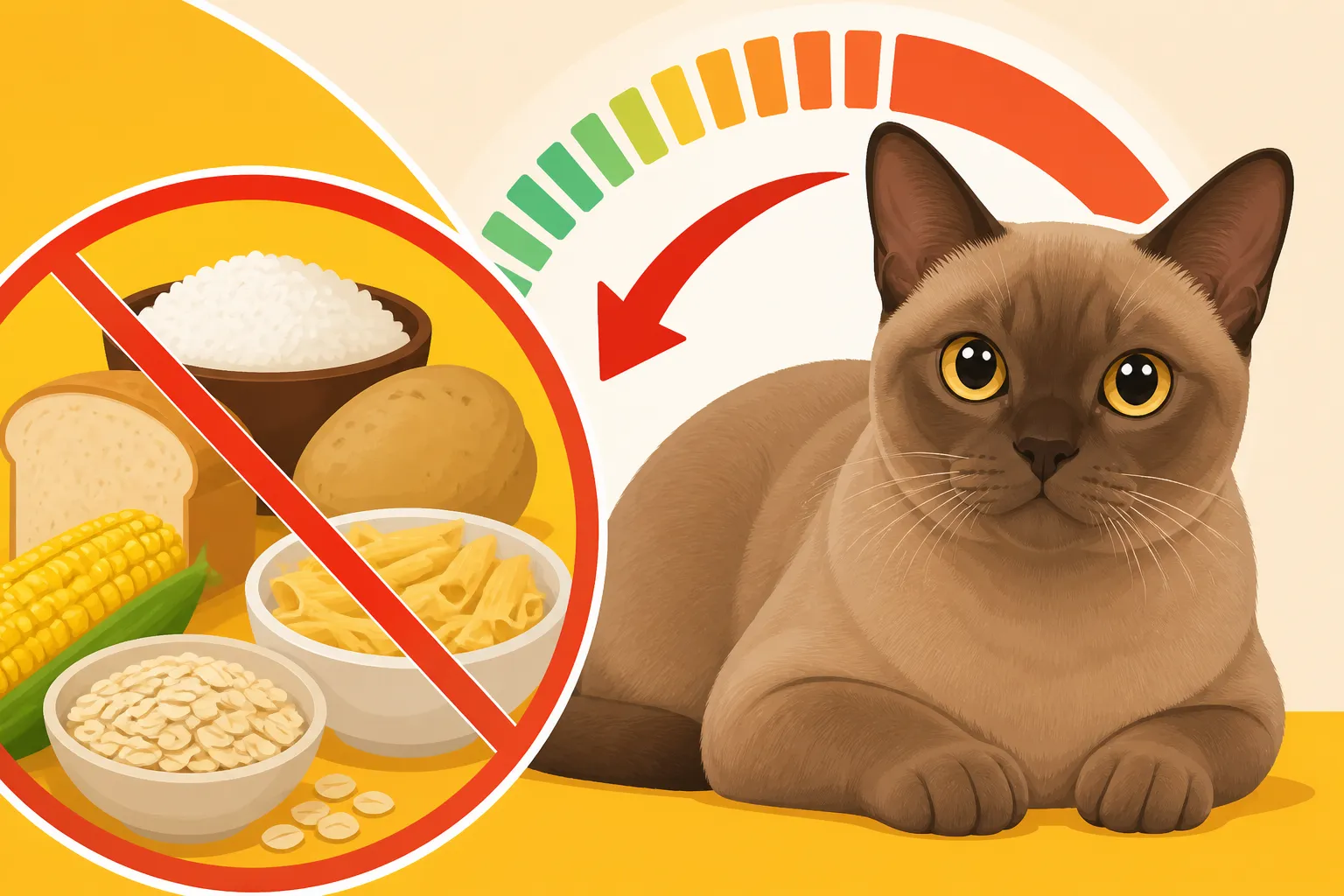
Generally, for a Burmese, you want to aim for a carbohydrate percentage on a dry matter basis that is under 10%. Ideally, many veterinarians and breeders who specialize in Burmese cats will suggest aiming for 5% or less. Anything above 10% should be approached with extreme caution, and certainly, anything consistently above 15% is generally considered unsuitable for long-term feeding for a diabetes-prone breed like the Burmese.
Think of it this way: a mouse or a bird, a cat's natural prey, is primarily protein and fat, with very minimal carbohydrates from the gut contents of the prey. By keeping your Burmese's diet in the ultra-low carbohydrate range, you are providing the fuel source their body is truly designed for, reducing the stress on their pancreas, and giving them the best possible chance to avoid metabolic diseases. It might sound restrictive, but it's truly giving them what they need to thrive. Which Carbohydrate Percentage a Burmese Should Stay Under is arguably the single most important dietary question for this breed.
Practical Strategies for Feeding Your Burmese a Low-Carb Diet
Now that we understand the 'why' and the 'how to calculate,' let's get into the practical side of actually feeding your Burmese a diet that supports their health. It's about making informed choices and establishing routines that align with their specific needs, especially when you consider their genetic predispositions.
Prioritizing Wet Food Over Dry Kibble
This is perhaps the most significant shift for many cat owners. While dry kibble offers convenience and can seem economical, it almost universally carries a higher carbohydrate load than wet food. The manufacturing process for kibble requires starches to bind the ingredients together, which means more carbohydrates.
Wet food, on the other hand, naturally aligns better with a cat's physiological needs. It's typically much higher in protein and fat, significantly lower in carbohydrates, and provides crucial hydration. Cats often don't drink enough water on their own, and a diet primarily of wet food helps ensure they stay well-hydrated, which is vital for kidney health and overall well-being. Why Wet Food Beats Kibble for a Burmese isn't just a preference; it's a medical recommendation.
When choosing wet food, scrutinize those labels and do your calculations. Look for pate-style foods, as they often have fewer fillers than shredded or stew-type options. Be wary of ingredients like corn, wheat, soy, potatoes, peas, and excessive fruit, as these are all carbohydrate sources. You'll find a wide variety of suitable low-carb wet foods online, often with filters for specific dietary needs, as well as subscription services that focus on fresh, often lower-carb recipes. Amazon also offers a broad selection, but always remember to double-check the ingredient list and guaranteed analysis yourself before purchasing.
Smart Snacking and Portion Control
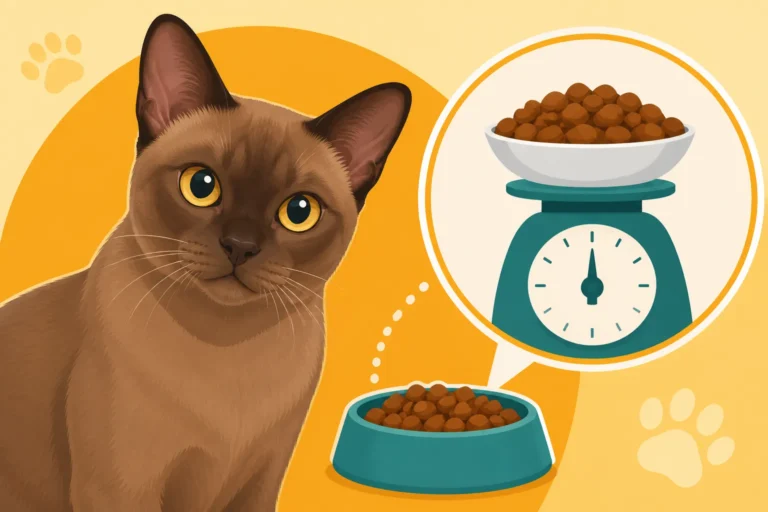
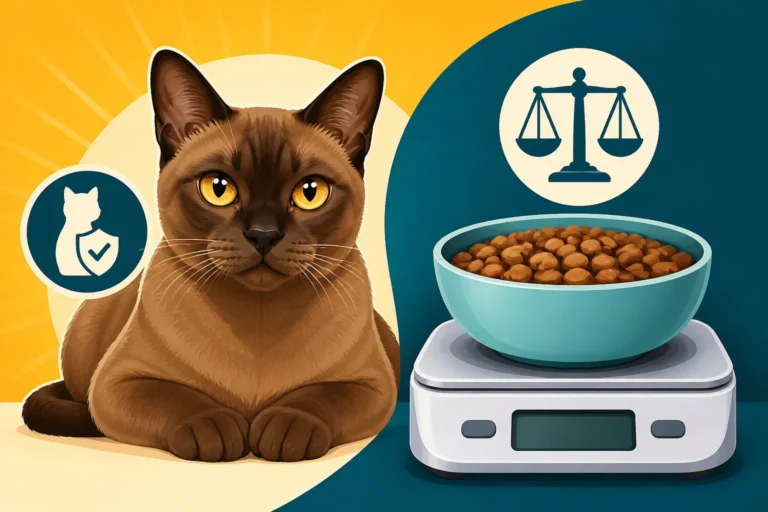
Our Burmese are notoriously food-motivated! They love their treats, and their begging game is strong. However, when you're managing a diabetes-prone breed, Why Portion Control Is Medical Care in a Burmese becomes a mantra. Every calorie, every treat, needs to be accounted for within their overall dietary plan.
This means absolutely no free-feeding. Leaving a bowl of kibble out all day is a recipe for disaster for a Burmese. Instead, feed them two to three measured meals a day, ensuring that their total daily calorie intake is appropriate for their ideal weight and activity level. If your Burmese is particularly adept at getting extra snacks, consider puzzle feeders for their regular meals to slow them down and provide mental stimulation, rather than using treats to fill that gap.
When it comes to treats, choose wisely. Freeze-dried meat treats (like chicken, salmon, or beef) are excellent low-carb options. Avoid crunchy, biscuit-style treats, which are almost always packed with carbohydrates. Remember that even healthy treats contribute to daily calories, so factor them into your Burmese's overall portion. It's a delicate balance, but one that is crucial for their long-term health. How Many Calories a Diabetes Prone Burmese Should Get is a calculation you'll want to revisit regularly with your vet.
Consulting Your Veterinarian and Monitoring Health
Even with all the knowledge in the world, you are your Burmese's advocate, but your veterinarian is your essential partner. Regular check-ups are non-negotiable, and it's vital to have an open conversation about your Burmese's diet with your vet, especially regarding their carbohydrate intake. They can help you tailor a specific nutritional plan based on your cat's age, activity level, and any existing health conditions.
It’s particularly important as your Burmese ages. From about seven years old, discussions about bloodwork, including glucose checks, should become a routine part of their annual exam. Why a Burmese's Glucose Should Be Checked From Seven underscores the importance of proactive monitoring, especially given their breed's susceptibility. If your cat is showing any signs of increased thirst, urination, or changes in appetite, don't delay – get them to the vet immediately for testing. These could be early indicators of diabetes, and early intervention is key.
Remember, diet is not a static decision. As your Burmese ages, their metabolic needs might change, and your vet can help you adjust their food accordingly. This ongoing partnership ensures that your beloved companion receives the best possible care throughout their life, mitigating risks and maximizing their well-being.
Here's a quick overview of typical carbohydrate ranges in common cat food types:
| Food Type | Typical Dry Matter Carbohydrate Percentage | Suitability for Burmese (under 10% ideal) | Common Ingredients (High Carb) |
|---|---|---|---|
| Standard Dry Kibble | 25-50%+ | Not Recommended | Corn, Wheat, Rice, Potatoes, Peas |
| "Grain-Free" Kibble | 20-40%+ | Generally Not Recommended | Potatoes, Peas, Lentils, Tapioca |
| Standard Wet Food | 10-25% | Varies – Check Labels Carefully | Gravies, Thickening agents, some vegetables |
| Low-Carb Wet Food | 1-10% | Recommended | High meat content, minimal fillers |
| Raw/Freeze-Dried Raw | 0-5% | Highly Recommended | Muscle meat, organs, bone |
Remember, these are general ranges. Always do your own calculations based on the guaranteed analysis of the specific food product you are considering.
Ultimately, providing a low-carbohydrate diet for your Burmese is one of the most loving and impactful things you can do for their health. It's a commitment that pays dividends in their vitality and longevity. By understanding their unique metabolic needs, learning to read labels, and partnering with your veterinarian, you can navigate the world of cat nutrition with confidence, ensuring your cherished Burmese lives the happiest, healthiest life possible. It might require a little more effort upfront, but seeing your active, vibrant Burmese thrive is absolutely worth it.
Disclaimer
This article is for general informational purposes only and does not constitute professional advice. Laws, prices and regulations vary by location and change over time. Consult a qualified professional for guidance on your specific situation.