Why a Slicker Brush Is Wasted on a Burmese
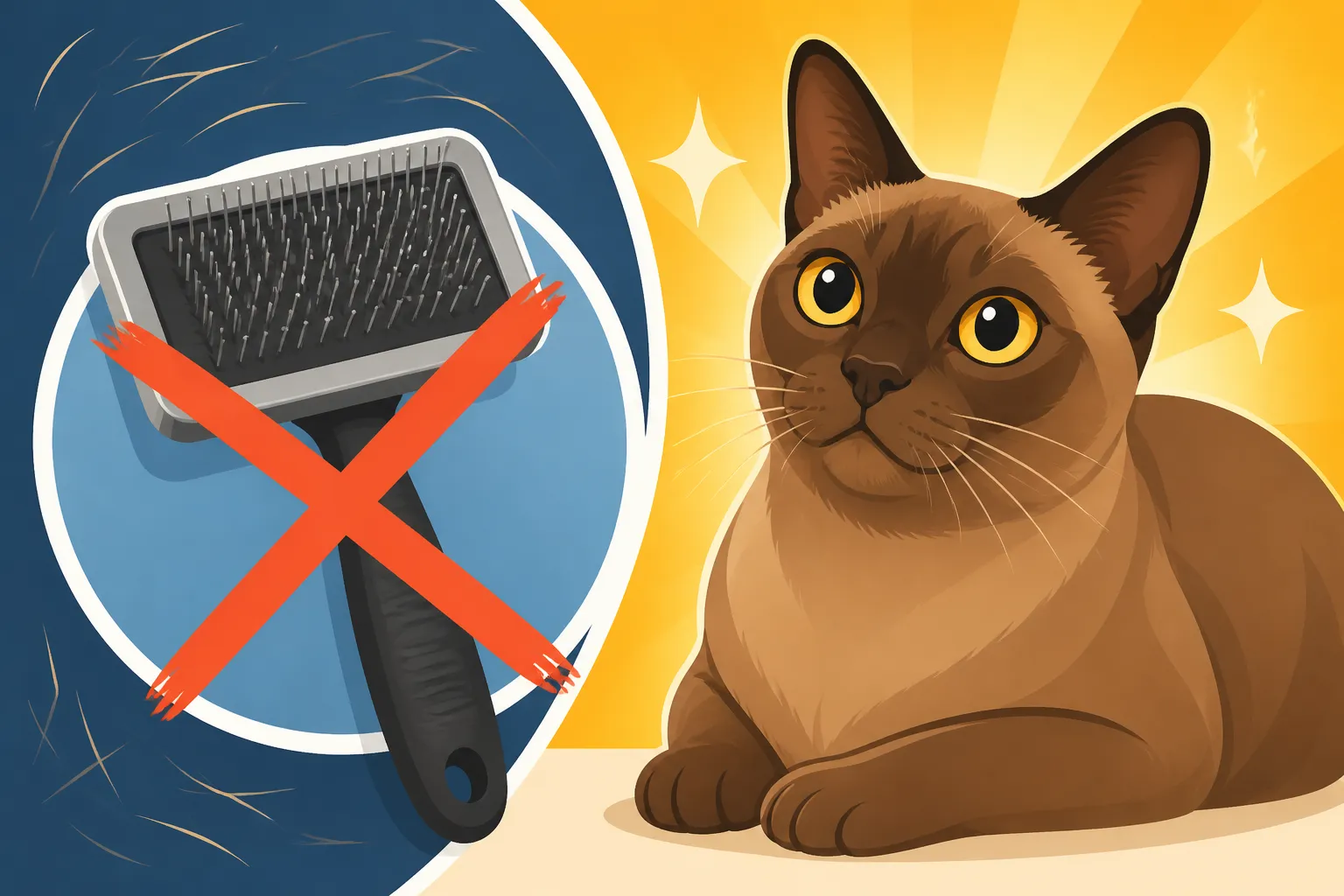
Oh, the slicker brush! It's one of those grooming tools that sits in almost every cat owner's kit, promising to untangle, de-shed, and leave a coat gleaming. But when it comes to our beloved Burmese, reaching for that slicker brush is genuinely a waste of effort – not to mention potentially uncomfortable for your sensitive little companion. This guide will walk you through exactly why this common grooming tool is completely unsuited for the unique Burmese coat and what you should be using instead to keep your cat's signature satin shining.
The Unique Texture of the Burmese Coat
If you've ever had the pleasure of running your hand over a Burmese, you know instantly that their coat is unlike any other. It’s often described as feeling like warm satin, smooth and incredibly fine to the touch. This isn’t just a pleasant sensation; it's a defining characteristic of the breed that dictates their grooming needs.
How the Burmese Coat Differs from Other Breeds
Unlike many long-haired breeds, or even some short-haired cats like the Domestic Shorthair, the Burmese possesses a singularly short, close-lying coat. It’s so sleek, in fact, that it appears painted onto their muscular body. The individual hairs are extremely fine and lie flat, following the contours of their form without any fluff or bulk. This is why their physique, often called a "brick wrapped in silk," is so evident; there's nothing to hide their powerful, compact build.
This unique texture means there’s virtually no undercoat to speak of. Many cat breeds, especially those originating from colder climates, have a dense, insulating undercoat beneath a coarser topcoat. This undercoat is what sheds most heavily and often gets matted. The Burmese, however, lacks this thick layer, making their grooming requirements fundamentally different. You won't find yourself battling knots or massive hairballs with a Burmese in the same way you would with a Persian or a Maine Coon, for instance.
The lack of a substantial undercoat contributes to the Burmese's reputation as a low-shedding cat. While no cat is truly "non-shedding," the amount of hair a Burmese leaves behind is significantly less than most breeds. This can be a huge relief for owners who are tired of finding tumbleweeds of fur in every corner of their home. It also means that the kind of tools designed to remove large quantities of loose undercoat are simply overkill for a Burmese, and indeed, could be quite harsh on their delicate skin.
Why a Burmese's Coat Feels Like Satin
The "satin" feel of a Burmese coat isn't just a poetic description; it's a physical reality rooted in the structure of the individual hairs. These hairs are incredibly fine and have a silky texture, lacking the coarse guard hairs found in many other breeds. When you pet a Burmese, your hand glides effortlessly over their body, experiencing a sensation of pure smoothness. There's no resistance, no wiry texture, just pure, soft silkiness.
This exceptional softness is also a reason why their coat lies so flat and close to the body. Each hair is relatively soft and pliable, allowing it to conform to the cat's shape rather than standing away from it. This contributes to that elegant, streamlined appearance that is a hallmark of the breed. It also means that a grooming tool designed to separate and lift hairs, like a slicker brush, will have very little to grab onto, and might even be counterproductive in trying to maintain that flat, glossy look.
Furthermore, the Burmese coat has a natural luster that makes it appear almost polished. This shine is enhanced by the fine texture and the way light reflects off the smooth surface of the hairs. Proper care should aim to preserve and enhance this natural sheen, not to disrupt it. Aggressive brushing with the wrong tool can actually dull the coat or irritate the skin underneath, detracting from the very quality that makes it so beautiful. The goal is to encourage that healthy, vibrant glow, which comes from good nutrition and gentle care, not from vigorous scrubbing with a harsh brush.
What a Slicker Brush Is Designed For
To understand why a slicker brush is ill-suited for a Burmese, it helps to first understand its intended purpose. Slicker brushes are formidable tools in the right hands, for the right coat. They excel at tackling specific grooming challenges that simply don't exist for the Burmese.
The Construction and Function of a Slicker Brush
A slicker brush is characterized by its rectangular or oval head, densely packed with fine, short wire bristles that are slightly bent at the tips. These bristles are typically angled and firm, designed to reach deep into a thick coat without scratching the skin if used correctly. The sheer number of bristles and their unique bend allow the brush to effectively grab and remove loose hair, tangles, and mats. They're built for volume and density.
The primary function of a slicker brush is de-shedding and de-matting. For breeds with substantial undercoats, like a Ragdoll, a Persian, or even a Golden Retriever (if we're thinking canine equivalents), the slicker brush works wonders. It helps to pull out dead hair from the undercoat, reducing shedding around the house and preventing mats from forming. It also helps to fluff up longer coats, giving them volume and a well-groomed appearance. This deep penetration and hair-grabbing ability are its strengths.
However, it's precisely these strengths that make it inappropriate for a Burmese. Their coat doesn't have the volume or the undercoat for the slicker brush to work its magic. There's nothing for the stiff wires to truly "grab" in a beneficial way. Instead, the stiff bristles are more likely to drag across the delicate, close-lying hairs, potentially causing static, pulling healthy hairs unnecessarily, or worse, irritating the skin. It’s like using a snowplow to clear a dusting of sugar from a countertop – completely disproportionate to the task at hand.
Why It's Ineffective on a Short, Single Coat
Imagine trying to brush a velvet cushion with a slicker brush; it just wouldn't work, and you might even damage the fabric. The same principle applies to the Burmese. Their single, extremely short coat offers no depth for the slicker brush bristles to penetrate. Instead of brushing through hair, the bristles simply graze the surface, providing minimal benefit in terms of removing loose hair. The tiny, fine hairs they do shed are easily managed with much gentler tools.
Furthermore, the very nature of the Burmese coat means it doesn't tangle or mat in the way that longer, denser coats do. Mats form when loose hairs get caught and woven into healthy hair, creating dense knots. With such a short, uniform coat and minimal shedding, a Burmese is virtually immune to matting. Therefore, a tool specifically designed for de-matting is entirely redundant. You'll never find yourself needing to "break up" knots in a Burmese coat, which is a common task for slicker brushes.
In essence, using a slicker brush on a Burmese is like bringing a hammer to a job that requires a feather duster. The tool is simply too robust and designed for a completely different purpose than what the Burmese's delicate, satiny coat requires. You'd be expending effort for no real gain, and potentially causing discomfort or damage. It's a classic case of the wrong tool for the job.
The Gentle Approach: What a Burmese Coat Actually Needs
Given the unique characteristics of the Burmese coat, the best grooming approach is one that is gentle, consistent, and focuses on enhancing its natural shine and health. You don't need fancy gadgets or aggressive tools; simplicity and regularity are key.
Soft Brushes and Rubber Mitts
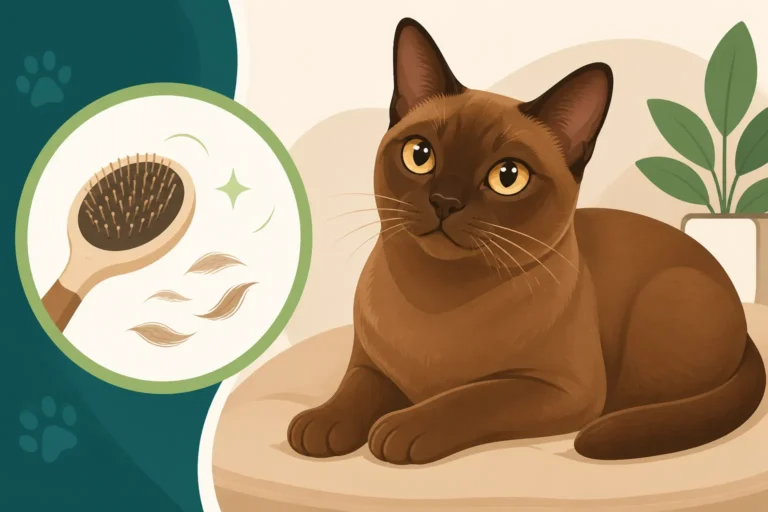
Instead of a slicker brush, think soft and soothing. A good quality, soft bristled brush, often called a finishing brush or even a baby brush, is perfect for a Burmese. These brushes have natural bristles or very soft synthetic ones that gently sweep over the coat, removing any superficial loose hairs and distributing natural oils. This action helps to keep the coat healthy and maintains that enviable shine without any harshness. Using such a brush is less about heavy-duty de-shedding and more about massaging the skin and polishing the coat.
Another excellent option is a rubber grooming mitt or a curry brush. These tools, often with soft rubber nubs or fingers, are fantastic for short-coated breeds. As you stroke your Burmese with the mitt, the rubber gently massages the skin, stimulating circulation and bringing loose hairs to the surface. It's a wonderful way to bond with your cat while also providing effective, comfortable grooming. The rubber also helps to pick up those fine, loose hairs that might otherwise end up on your furniture, and many cats absolutely adore the sensation, purring contentedly throughout the process.
You can often find these types of gentle brushes and mitts on reputable online retailers like Chewy or Amazon. Look for descriptions that mention "short hair," "sensitive skin," or "gentle massage." The goal is to provide a comforting experience that promotes a healthy coat, not to aggressively remove hair. Remember, for a Burmese, grooming is often just another form of affection, and the right tool reinforces that positive interaction.
The Magic of a Chamois Cloth
Now, here's where we get to the real secret weapon for that signature Burmese shine: the chamois cloth. Forget the brushes for a moment; a simple, clean chamois cloth can do wonders for a Burmese coat. After a gentle brush with a soft bristled brush or a rubber mitt, a quick rub-down with a chamois cloth will buff the coat to an incredible luster. This is the ultimate finishing touch for that "satin wrapped brick" look.
The chamois cloth works by gently polishing the surface of the fine, flat-lying hairs. It removes any dust or microscopic debris that might dull the coat and helps to spread the natural oils evenly, enhancing the inherent sheen. It's a technique used by many seasoned Burmese owners and breeders, and once you try it, you'll see why. The coat literally gleams, looking richer and deeper in color. It's surprisingly effective for how simple it is.
Using a chamois cloth is also a fantastic way to bond with your cat. It's a soothing, gentle motion that most Burmese cats enjoy. They thrive on human interaction and physical contact, so turning grooming into a pleasant petting session is a win-win. Just ensure the chamois is clean and soft, and dedicate a few minutes a week to this simple ritual. You'll be amazed at the difference it makes in bringing out the natural beauty of their coat. Remember, a healthy, glossy coat is often a reflection of a cat's overall well-being.
Beyond Brushing: Comprehensive Coat Care for Your Burmese
While brushing is part of the routine, truly stellar coat health for your Burmese goes deeper than just the tools you use. It involves looking at their overall well-being, from what they eat to how they're housed.
Nutritional Impact on Coat Health
What your Burmese eats has a profound impact on the quality of their coat. A diet rich in high-quality animal protein and essential fatty acids (like Omega-3 and Omega-6) is crucial for skin health and a lustrous coat. These nutrients provide the building blocks for healthy hair growth and help maintain the skin's barrier function, preventing dryness and irritation. Poor nutrition, on the other hand, can lead to a dull, brittle coat, excessive shedding, and even skin issues.
When choosing food, look for options that list meat as the first ingredient and avoid excessive fillers or artificial additives. Many commercial cat foods are formulated to provide complete and balanced nutrition, but some are better than others. If you're unsure, discussing your cat's diet with your veterinarian can help ensure they're getting everything they need. Sometimes, a supplement designed for skin and coat health, often containing fish oil, might be recommended, but always consult with your vet before adding anything to their diet.
Remember that Feeding a Burmese Is a Medical Decision, Not a Preference, especially given their predisposition to certain health conditions like diabetes. A well-balanced diet that keeps them at a healthy weight will contribute to overall vitality, which naturally translates to a healthier, shinier coat. Good nutrition supports everything from energy levels to disease prevention, and the coat is often one of the first visible indicators of internal health.
Why a Burmese's Satin Coat Almost Never Needs Washing
One of the great joys of owning a Burmese is how self-sufficient they are in terms of cleanliness. Their short, close-lying coat and meticulous grooming habits mean they rarely, if ever, need a bath. Unlike some breeds with longer or denser coats that can easily become soiled or matted, the Burmese coat typically stays remarkably clean on its own. They are fastidious groomers, and their short fur means less surface area to get truly dirty, and less for them to keep clean.
Frequent bathing can actually be detrimental to a Burmese's coat and skin. It can strip away natural oils, leading to dryness, irritation, and a dull appearance. These natural oils are essential for maintaining the coat's health and its characteristic satin shine. Unless your Burmese has rolled in something truly awful or has a specific skin condition requiring medicated baths (under veterinary supervision), a bath is generally unnecessary and best avoided.
Instead of bathing, rely on your gentle grooming routine of soft brushing and chamois buffing. These actions help to distribute natural oils and keep the coat free of loose hairs and debris, mimicking and supporting your cat's own grooming efforts. If you do find a sticky spot or a minor stain, a warm, damp cloth is usually all you need for spot cleaning, followed by a gentle rub with a dry chamois to restore the shine. The Only Times a Burmese Actually Needs a Bath are truly few and far between.
The Downsides of Using the Wrong Tool
Using a slicker brush on a Burmese isn't just ineffective; it can actually have negative consequences for their comfort, coat health, and even your relationship with your beloved feline. It's crucial to understand these potential pitfalls.
Skin Irritation and Discomfort
The fine wire bristles of a slicker brush, while effective on dense coats, can be overly harsh and abrasive on the delicate skin of a Burmese. Because their coat is so short and has no protective undercoat, the bristles come into direct contact with the skin much more easily. This can lead to significant irritation, redness, or even small scratches if too much pressure is applied, or if the brush is used incorrectly. Imagine those stiff wires repeatedly dragging across your own skin – it wouldn't feel good, and it certainly doesn't for your sensitive Burmese.
Repeated irritation can make grooming an unpleasant or even painful experience for your cat. A Burmese is a highly affectionate and people-oriented breed, and you want grooming to be a positive bonding activity. If they associate the brush with discomfort, they'll quickly learn to resist or run away, making future grooming sessions a battle rather than a cuddle. This can damage the trust you've built and turn a natural interaction into a source of stress for both of you.
Chronic skin irritation, even if minor, can also lead to other problems like dry, flaky skin or excessive licking and scratching as your cat tries to soothe itself. This can break the hair, cause bald spots, or even introduce secondary skin infections. It's a domino effect that starts with simply using the wrong tool. Prioritizing your cat's comfort during grooming is paramount, and that means choosing tools that are appropriate for their unique physical characteristics.
Damaging the Satin Coat
Beyond skin irritation, using a slicker brush can actually detract from the beauty of the Burmese coat. The stiff bristles can snag and pull at the fine, delicate hairs, potentially breaking them. Broken hairs can make the coat appear dull, frizzy, or less smooth, directly undermining that desirable "satin" finish. The goal of grooming a Burmese is to enhance its natural luster and sleekness, not to rough it up.
Furthermore, aggressive brushing with a slicker can disrupt the natural alignment of the hairs, making them stand away from the body rather than lying flat. This alters the streamlined silhouette that is characteristic of the breed and can diminish the coat's natural shine. A truly well-groomed Burmese coat should look and feel incredibly smooth, almost like polished wood, and a slicker brush works against achieving that effect.
Ultimately, the effort put into using a slicker brush on a Burmese is not just wasted, but potentially counterproductive. It fails to achieve any beneficial de-shedding or de-matting, and instead risks causing discomfort and damage to the very qualities that make the Burmese coat so special. Sticking to soft, gentle tools ensures that grooming remains a positive experience and helps preserve the exquisite satin texture and brilliant shine that we all adore in our Burmese companions.
Choosing the Right Grooming Tools for Your Burmese
Selecting the correct grooming tools for your Burmese is about understanding their unique coat and prioritizing comfort and effectiveness. It's not about expensive gadgets, but rather about gentle, appropriate choices.
A Quick Comparison of Grooming Tools for Different Coats
To truly illustrate why a slicker brush is misplaced on a Burmese, let's look at how various tools are suited for different cat coat types. This table should help clarify the best choices for a healthy, happy cat, especially your smooth-coated Burmese.
| Grooming Tool Type | Best Suited For | Why It Works | Why It's Wrong for Burmese |
|---|---|---|---|
| Slicker Brush | Long-haired breeds, breeds with dense undercoats (e.g., Persian, Maine Coon, Domestic Longhair) | Removes tangles, mats, and sheds large amounts of undercoat; fluffs up voluminous coats. | Bristles are too harsh for short, delicate coat; no undercoat to remove; causes irritation and hair breakage. |
| Rubber Brush / Mitt | Short-haired breeds, all coat types for massage (e.g., Burmese, Siamese, Domestic Shorthair) | Massages skin, stimulates circulation, gently removes loose surface hair, comfortable for the cat. | Works perfectly, ideal for daily grooming and bonding. |
| Soft Bristle Brush | All coat types, especially short-haired and sensitive (e.g., Burmese, Sphynx, Devon Rex) | Gently sweeps away loose hair, distributes natural oils, polishes the coat. | Works perfectly, excellent for a finishing shine and daily pampering. |
| Fine-Toothed Comb | Untangling small knots in longer coats, checking for fleas. | Precisely separates hairs; good for detailed work. | Can be too sharp for broad strokes on a Burmese; mostly unnecessary for a non-matting coat. Use only if needed for specific debris. |
| Deshedding Tool (e.g., Furminator) | Breeds with significant undercoats, heavy seasonal shedding. | Reaches deep into the undercoat to pull out dead hair efficiently. | Absolutely overkill for a Burmese; will strip healthy hair, irritate skin, and cause bald patches due to minimal undercoat. |
As you can see, the tools that are stars for other breeds can be villains for your Burmese! This table clearly shows that the slicker brush and deshedding tools are far too aggressive for the fine, short, single coat of a Burmese.
Where to Find the Best Grooming Aids
Finding the right grooming tools for your Burmese doesn't have to be a quest. Most pet supply stores, both brick-and-mortar and online, will carry suitable options. Online retailers like Chewy and Amazon are excellent places to start, offering a wide selection of soft bristled brushes and rubber grooming mitts. When browsing, pay close attention to product descriptions and customer reviews, specifically looking for terms like "gentle," "for short coats," or "massage brush."
For chamois cloths, you might even find them in automotive or cleaning sections of general merchandise stores, though dedicated pet versions are available. The key is to ensure it's a soft, absorbent material that won't scratch or irritate the skin. You don't need anything fancy or expensive; often, the simplest tools are the most effective for a Burmese.
Remember, a consistent, gentle grooming routine is far more beneficial than sporadic, aggressive sessions with the wrong tools. Making grooming a pleasant part of your daily or weekly interaction will not only keep your Burmese looking magnificent but will also strengthen the special bond you share. Your Burmese loves attention, and grooming is an ideal way to shower them with it while keeping their iconic satin coat in pristine condition. How Many Minutes a Month a Burmese's Coat Takes is surprisingly little when you have the right approach.
Disclaimer
This article is for general informational purposes only and does not constitute professional advice. Laws, prices and regulations vary by location and change over time. Consult a qualified professional for guidance on your specific situation.