Whether a Burmese’s Chin Gets Blackheads
It can be quite alarming to spot tiny black specks on your beloved Burmese's chin, resembling a teenager's acne breakout. While it's often dismissed as just 'dirty chin,' these aren't simply bits of food; they're actually a common skin condition known as feline acne. This guide will walk you through exactly what those blackheads are, why your sweet Burmese might be prone to them, and most importantly, how to help clear them up and prevent future flare-ups.
Understanding Burmese Chin Blackheads
When you notice those dark spots dotting your Burmese's chin, it's easy to assume the worst or, conversely, to think it's nothing at all. But understanding what's truly going on can save your furry friend a lot of discomfort and keep their beautiful face pristine.
What Exactly Is Cat Acne?
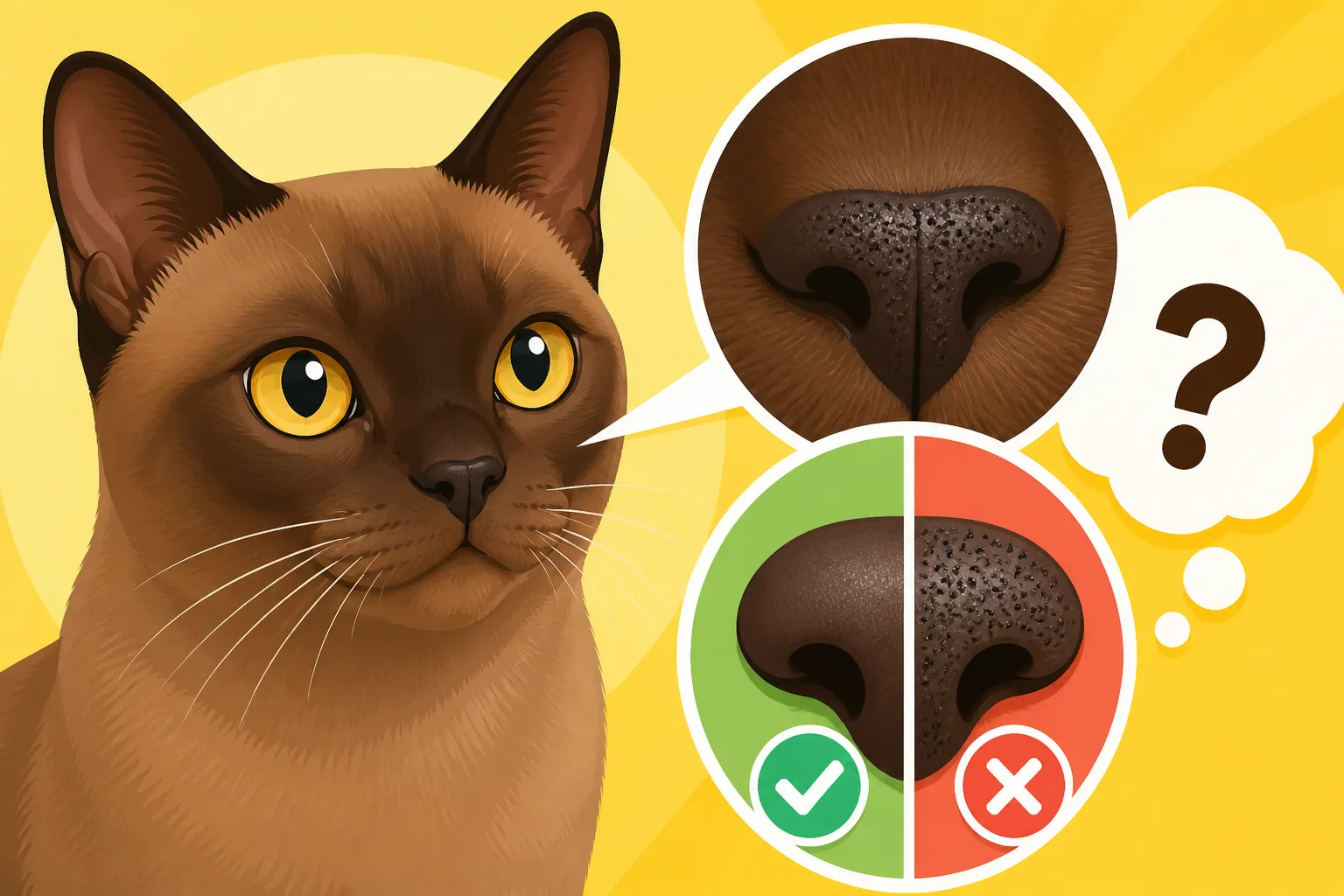
Feline acne is a skin condition that manifests as comedones, or blackheads, typically on the chin and sometimes around the lips. Just like in humans, it happens when the hair follicles become clogged with excess keratin (a protein found in skin, hair, and nails) and sebum (the skin's natural oil). This creates a perfect little plug that traps dirt and bacteria, turning dark when exposed to air. Initially, you might just see a few tiny black dots, almost like dirt, but if left unaddressed, these can become inflamed, itchy, and even infected, developing into pustules, papules, or swelling. It's a frustrating cycle for both cat and owner, often underestimated in its potential to cause irritation.
It’s crucial to realize that this isn't just a cosmetic issue. While mild cases might only present as a few visible blackheads, a more severe breakout can lead to pain, itching, and secondary bacterial infections that require prompt veterinary attention. Imagine having a persistent, itchy rash on your chin that you can't scratch properly – that's how your Burmese might feel. The sooner you recognize and address it, the better for your cat's comfort and overall skin health.
Why Burmese Are Particularly Prone
Our wonderful Burmese cats, with their incredibly short, dense, and "satin" feeling coats, have a unique skin and hair follicle structure that can sometimes work against them when it comes to chin acne. Their facial structure often means that any sebum or debris that accumulates around the chin area can become trapped more easily within those dense, short hairs, or simply isn't as readily groomed away by the cat themselves.
Additionally, Burmese cats are known for their meticulous self-grooming, but the chin can be a notoriously tricky spot for them to clean thoroughly. They might rub their chin on furniture or your leg, which can inadvertently introduce more bacteria or further irritate the area. Some theories also suggest a possible genetic predisposition in certain breeds, including the Burmese, due to their specific follicular characteristics. It's not a sign of poor hygiene on your part, but rather a combination of genetics and their unique physical traits that can make them a bit more susceptible.
Common Causes and Triggers of Burmese Cat Acne
Understanding the underlying causes of feline acne is the first step toward effective management and prevention. Often, it's not just one thing, but a combination of factors contributing to the problem.
The Role of Food Bowls and Materials
One of the most frequent culprits behind chin acne, especially in the Burmese, is the material of their food and water bowls. Plastic bowls, while convenient and often inexpensive, are notorious for harboring bacteria. Their porous surface can develop tiny scratches over time, creating nooks and crannies where bacteria can thrive, even after washing. When your Burmese eats or drinks, their chin comes into contact with these bacteria, which can then clog pores and trigger an inflammatory response.
Imagine constantly rubbing your face against a slightly dirty, bacteria-laden surface multiple times a day. You'd probably break out too! Switching to non-porous materials like stainless steel, ceramic, or glass is a game-changer for many cats. These materials are much easier to clean thoroughly and don't scratch as easily. You can find excellent options from retailers like Chewy or Amazon, making the switch simple and accessible. Always remember to wash your cat's bowls daily – or even after every meal if they have an active flare-up – with hot, soapy water.
Diet, Stress, and Other Environmental Factors
Beyond bowls, a range of other elements can play a significant role in triggering or exacerbating chin acne in your Burmese. Diet is a huge one. Some cats can develop skin sensitivities or even mild allergies to certain ingredients in their food, leading to inflammation that can manifest as skin issues like acne. For a breed like the Burmese, which is already prone to conditions like diabetes that require careful dietary management, paying close attention to food ingredients is doubly important. Why a Burmese's Food Bill Is a Health Decision extends beyond just preventing diabetes; it's about holistic health, including skin condition.
Stress is another sneaky culprit. A change in routine, a new pet, or even general anxiety can impact a cat's immune system and skin health. Just like humans, stressed cats can have various physical manifestations, and skin issues are not uncommon. Additionally, certain environmental factors such as dust, harsh cleaning products, or even certain fabrics they rub against could cause irritation. It's like detective work, trying to pinpoint what might be setting off your sensitive Burmese.
Identifying Potential Irritants
Pinpointing the exact irritant or trigger for your Burmese's chin acne can feel like finding a needle in a haystack, but a systematic approach can help. Start by observing when the flare-ups occur. Did you recently switch food brands? Perhaps a new laundry detergent or a different cleaning spray in the house? Have you introduced a new toy or bed that your Burmese loves to rub their chin on?
Think about their grooming habits too. While their short, sleek coat means Why a Burmese's Coat Shows Every Loose Hair more readily, a Burmese might not be effectively cleaning their chin area, allowing debris to build up. On the flip side, over-grooming due to stress or an underlying itch could also irritate the follicles. Keeping a small journal of potential changes and when you notice new blackheads or inflammation can be incredibly helpful for identifying patterns and discussing them with your vet.
Effective Home Management and Prevention Strategies
Once you understand what might be causing your Burmese's chin blackheads, you can implement some practical and often highly effective home management strategies. Consistency is key here!
Daily Cleaning Routines
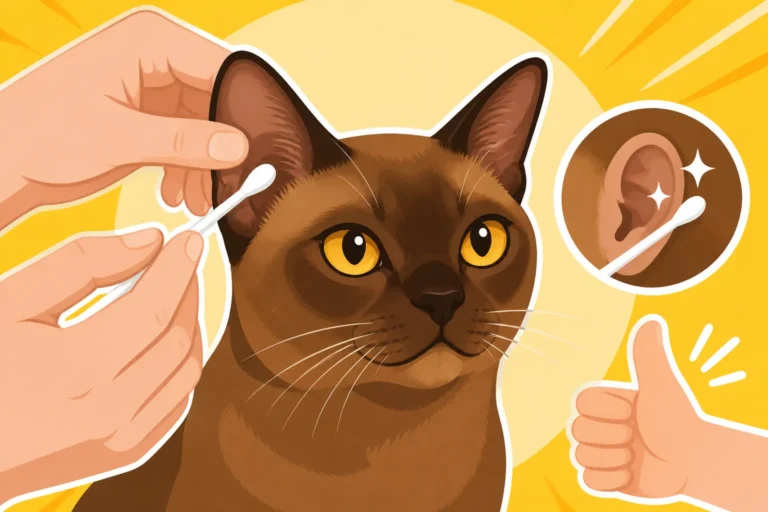
The cornerstone of managing and preventing feline chin acne is a diligent daily cleaning routine. This doesn't need to be an elaborate spa treatment, but it does need to be consistent. Gently wipe your Burmese’s chin once or twice a day with a soft cloth dampened with warm water. For more stubborn cases, your vet might recommend a medicated wipe or a mild antiseptic solution, like chlorhexidine, which can be found in pet supplies on platforms like Amazon or Chewy.
It’s important to be gentle; scrubbing too hard can further irritate the skin and make the problem worse. The goal is to remove excess sebum and debris without causing trauma. Think of it as gently cleansing a delicate area. After cleaning, ensure the area is completely dry, as moisture can also contribute to bacterial growth. If your Burmese is particularly resistant to having their chin cleaned, try to make it a positive experience with treats and praise. Starting this routine early in kittenhood can make it much easier for both of you, as discussed in How to Clean a Burmese's Chin After Eating.
Choosing the Right Bowls and Feeding Practices
As we touched upon earlier, ditching plastic bowls is one of the most impactful changes you can make. Opt for stainless steel, ceramic, or glass. These materials are non-porous and much easier to sanitize effectively, reducing bacterial accumulation.
| Bowl Material | Pros | Cons | Ideal For |
|---|---|---|---|
| Plastic | Inexpensive, lightweight, wide variety | Porous, scratches easily, harbors bacteria, harder to sanitize | Not recommended for cats prone to chin acne. |
| Stainless Steel | Durable, non-porous, easy to clean, hygienic | Can be noisy, some cats dislike metal taste | Excellent for food and water. |
| Ceramic | Heavy, stable, non-porous, aesthetically pleasing | Can chip or break, heavier | Good for food and water, ensure glaze is food-safe. |
| Glass | Non-porous, easy to clean, transparent | Fragile, can break easily | Good for water, food if cat is gentle. |
Beyond the material, consider the shape of the bowl. Wider, shallower bowls can be better than deep ones, as they prevent your Burmese's chin from being submerged too deeply into food or water, reducing contact time and potential contamination. Finally, remember the golden rule: wash all food and water bowls daily. This simple habit can drastically reduce bacterial load and minimize chin acne flare-ups. This practice goes hand-in-hand with the nutritional advice to never free-feed your Burmese, as outlined in Why a Burmese Should Never Be Free Fed, ensuring that food isn't sitting out collecting bacteria.
Dietary Adjustments and Supplements
Sometimes, a change in diet can make a world of difference. For Burmese cats, who are prone to a range of health issues influenced by diet, ensuring they receive high-quality, easily digestible food is paramount. A diet rich in high-quality animal protein and low in carbohydrates is often recommended, especially for managing conditions like diabetes. This type of diet can also support overall skin health. Fresh, minimally processed cat food might be a good option to explore, as it often contains fewer potential irritants and higher quality ingredients.
Consider consulting your vet about supplements. Omega-3 fatty acids, for instance, are known for their anti-inflammatory properties and can significantly improve skin and coat health. These can often be found in fish oil supplements formulated for cats. Always introduce any new food or supplement gradually and observe your cat for any adverse reactions. The goal is to provide a diet that supports not just a healthy weight and energy, but also a healthy skin barrier. For specific recommendations on diet, refer to Which Wet Food Suits a Diabetes Prone Burmese, as the principles of good nutrition often overlap.
When to Seek Veterinary Care for Your Burmese's Chin
While many cases of chin acne can be managed at home, there are definite signs that indicate it's time to involve a professional. Ignoring these signals can lead to more serious complications for your beloved Burmese.
Signs of Infection and Complications
It's one thing to see a few black specks, but it's another entirely when those specks turn into something more troubling. Keep a close eye on your Burmese's chin for any signs that the acne might be progressing beyond a mild cosmetic issue. Look for redness, swelling, or tenderness in the affected area. If the blackheads become raised bumps or pustules filled with pus, it's a clear indicator of infection. Your cat might also show signs of discomfort, like scratching or rubbing their chin excessively, or even reluctance to eat due to pain.
A healthy Burmese is usually quite demonstrative and affectionate, so any change in their behavior can be a subtle sign something is amiss. Remember Why a Burmese Hides Illness Behind Its Affection – they are masters at masking discomfort, so you need to be extra vigilant. If you notice any scabs, hair loss around the chin, or a foul odor emanating from the area, these are all red flags that warrant immediate veterinary attention. Don't wait for it to get worse, as untreated infections can spread and become much harder to resolve.
Veterinary Treatments and Diagnostics
When you take your Burmese to the vet for chin acne, they'll first want to confirm the diagnosis and rule out other skin conditions that can mimic acne, such as ringworm or mites. This might involve skin scrapings or fungal cultures. Once feline acne is confirmed, the treatment plan will depend on the severity of the condition.
For mild to moderate cases, your vet might prescribe topical treatments. These can include medicated shampoos, wipes, or gels containing ingredients like benzoyl peroxide or clindamycin, which help to flush out follicles and kill bacteria. For more severe or infected cases, oral medications might be necessary. This could involve antibiotics to combat bacterial infections, or anti-inflammatory drugs to reduce swelling and discomfort. In chronic cases, the vet might also consider corticosteroids or other immunosuppressants, though these are typically reserved for persistent, unresponsive conditions.
Long-Term Management and Monitoring
For some Burmese cats, chin acne can be a recurring issue, meaning long-term management and vigilance are crucial. Your vet will work with you to establish a routine that includes regular home cleaning, appropriate diet, and environmental modifications. It's often a process of trial and error to find what works best for your individual cat. Regular vet check-ups, especially as your Burmese ages, are also vital for monitoring their overall health and catching any recurring skin issues early. How Often a Healthy Adult Burmese Needs Checking typically involves a comprehensive exam where these smaller details can be noticed before they escalate.
You might need to be extra diligent about maintaining a clean eating environment and watching for any dietary triggers. Even if the acne clears up completely, sticking to the preventative measures, like non-plastic bowls and daily chin wipes, is usually recommended to prevent future flare-ups. Remember, your vet is your best partner in managing your Burmese's health, and they can provide ongoing support and adjustments to the treatment plan as needed. Staying proactive ensures your beloved Burmese can live a comfortable, itch-free life.
Disclaimer
This article is for general informational purposes only and does not constitute professional advice. Laws, prices and regulations vary by location and change over time. Consult a qualified professional for guidance on your specific situation.