How to Clean a Burmese’s Chin After Eating
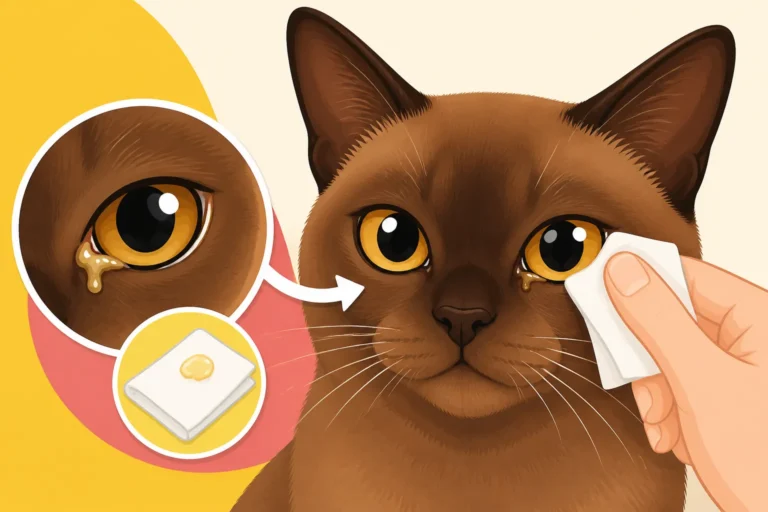
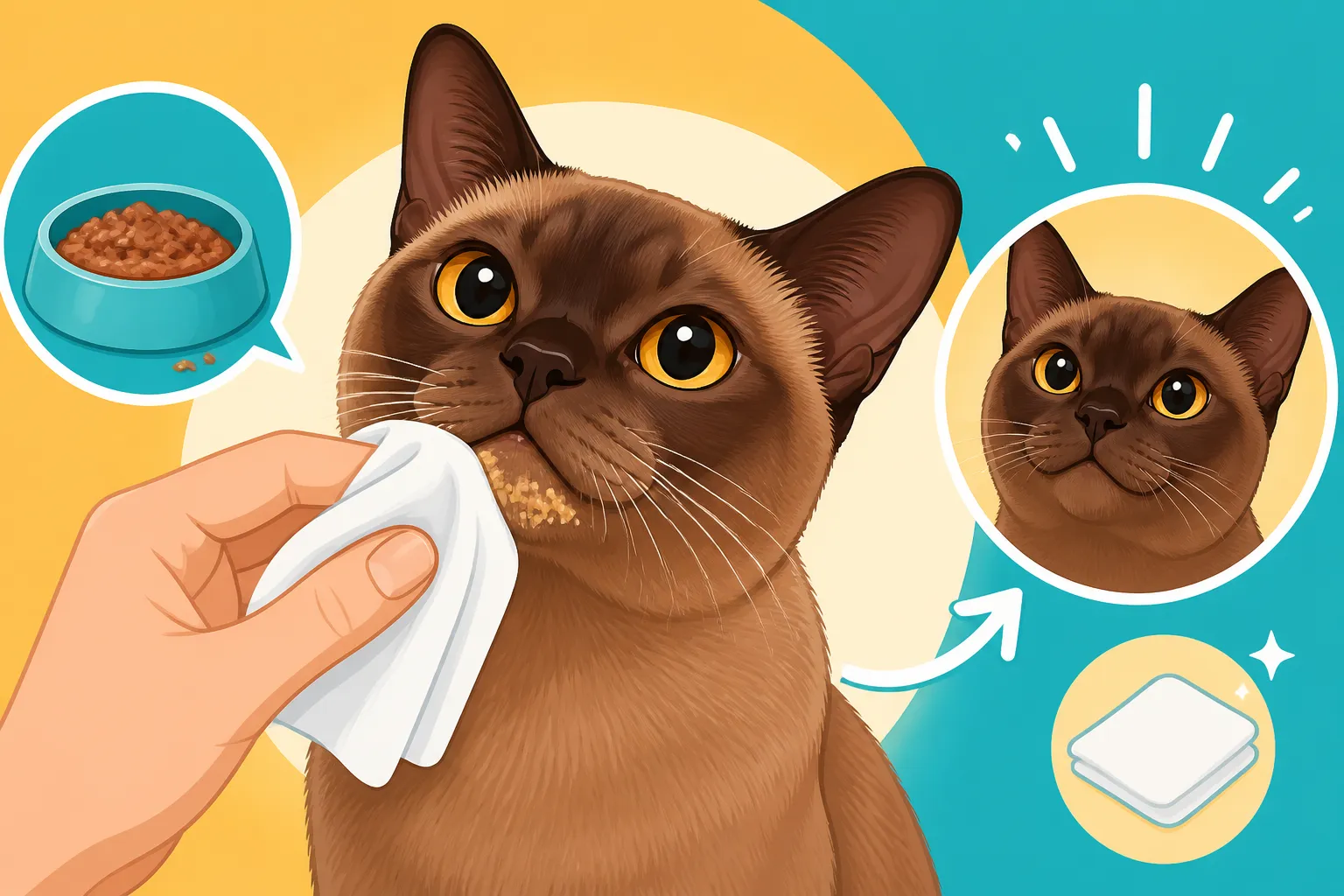
It's a familiar sight for any Burmese cat parent: you've just given your darling their dinner, a delicious wet food feast, and they've eaten with gusto. But now, as they lift their beautiful, rounded head, you notice it – a little smear of food caught right on their chin, perhaps even a bit clinging to the fur around their mouth. It’s not just a minor aesthetic issue; persistent food residue can lead to skin irritation or worse, a pesky condition known as chin acne. This guide is all about tackling that common problem, offering practical advice on how to keep your Burmese's chin pristine and healthy, ensuring their comfort and your peace of mind.
Understanding Why Your Burmese's Chin Gets Messy
Burmese cats are known for their incredibly affectionate and interactive personalities, often described as a "dog in a cat's body." This vivacious nature extends to their mealtimes, where they tend to dive into their food with an enthusiasm that can sometimes leave them looking a bit disheveled around the muzzle. Understanding the unique factors that contribute to this messiness is the first step toward effective prevention and cleaning.
The Unique Eating Style of a Burmese
There's something truly endearing about watching a Burmese eat. They aren't dainty nibblers; they're often quite passionate about their food, especially if it's a delicious wet meal. This enthusiastic approach, coupled with their distinctive facial structure, can unfortunately make their chins a magnet for food particles. Their muzzles are shorter and rounder than many other breeds, meaning their chin is often quite close to the bowl, and their powerful jaws and slightly flatter face can lead to a less "clean" eating experience. Imagine a toddler with a bowl of spaghetti – endearing, but certainly messy!
When they really get into their dinner, particularly with pâté-style wet foods or even raw diets, pieces can easily get pushed around and stick to the fine, short fur on their chin. Their affectionate habit of bumping their heads into things, or rubbing against you after a meal, can also spread this residue around, making it seem like a never-ending battle. It’s not just about the appearance, though. Leftover food can attract bacteria, leading to a host of other issues down the line. Keeping an eye on their eating habits and ensuring their food is easily accessible without deep diving can make a real difference.
Beyond Just Food: The Risk of Chin Acne
While a little food smear might seem harmless, if left unchecked, it can escalate into a more uncomfortable condition: feline chin acne. This isn't just about dirt; it's often a combination of trapped oils, dead skin cells, and bacteria that clog the hair follicles on the chin. Think of it as blackheads and pimples for cats. The short, dense fur on a Burmese's chin can easily trap these irritants, creating a perfect breeding ground for bacteria.
One of the biggest culprits, surprisingly, can be the type of food bowl you're using. Plastic bowls, in particular, can harbor bacteria and absorb oils, even after washing, contributing to the problem. Over time, constant irritation and bacterial build-up can lead to small black spots (comedones), redness, swelling, and in more severe cases, pustules, scabs, and even hair loss. It can be quite itchy and painful for your cat, making them rub their chin excessively, which only makes the irritation worse. That's why moving beyond just wiping off surface food to addressing potential deeper hygiene issues is so crucial for your Burmese's comfort and health.
Essential Tools and Techniques for a Clean Burmese Chin
Keeping your Burmese's chin clean doesn't require a special arsenal of expensive gadgets. In fact, some of the most effective tools are likely already in your home. The key is to be gentle, consistent, and to use products specifically designed to be safe for felines. Remember, your Burmese is a sensitive soul and will appreciate a calm, reassuring approach during any grooming session.
Gentle Cleaning Solutions You Already Have
For everyday post-meal clean-ups, simplicity is your best friend. A soft, clean cloth or a cotton ball dampened with warm water is often all you need. The warmth helps to soften any dried-on food particles, making them easier to wipe away without irritating your cat's delicate skin. Imagine trying to scrub a sticky mess with cold water; it's just not as effective. The softness of the cloth is paramount – never use anything abrasive that could scratch or irritate their skin.
If the chin appears a little greasy or there's a slight odor, you might consider a mild, pet-safe cleanser. There are many gentle, unmedicated wipes available on platforms like Chewy or Amazon that are formulated for cats and don't contain harsh chemicals, perfumes, or alcohol that could dry out their skin. For more persistent greasiness or if you suspect early signs of chin acne, some vets recommend using a very dilute solution of chlorhexidine or a gentle cat-specific shampoo, but always check with your veterinarian before introducing any new product, especially if there's any skin irritation. The goal is to lift the grime, not to strip natural oils or cause further redness.
Step-by-Step Cleaning Routine
Making chin cleaning a positive experience for your Burmese means a calm, step-by-step approach. You want them to associate it with gentle affection, not a struggle.
- Gather Your Supplies: Before you even approach your cat, have everything ready. This includes your soft cloth or cotton balls, warm water, and perhaps a small, healthy treat. This avoids fumbling and prolongs the process, which can make your cat anxious.
- Choose the Right Moment: Pick a time when your Burmese is relaxed and receptive to being handled – perhaps when they're sleepy on your lap or just after a good play session. Never try to clean their chin when they're agitated or rushing off to explore. Their naturally trusting nature means they’re generally quite amenable to handling, but forcing the issue can quickly sour their willingness.
- Gentle Approach and Position: Hold your cat gently but securely. You might find it easiest if they're sitting on your lap or a soft blanket on a table, facing away from you, so you can easily access their chin. Start by gently scratching their head or behind their ears, talking to them in a soothing voice. This helps them relax.
- The Wipe Down: Dampen your cloth or cotton ball with warm water. Gently lift their chin slightly and, with soft, circular motions, wipe away any visible food residue or grime. Pay attention to the folds and creases under their chin. If there are any stubborn, dried-on bits, hold the warm, damp cloth against them for a few seconds to soften them before gently wiping. Avoid scrubbing vigorously, as this can cause irritation.
- Pat Dry: Once clean, gently pat the area dry with a separate, clean, soft cloth. Leaving moisture on the skin can also lead to irritation or fungal growth.
- Reward and Reinforce: Immediately after the cleaning, offer praise and the treat you prepared. This positive reinforcement teaches them that chin cleaning isn't so bad and might even lead to a tasty reward. Consistency is key here; a quick wipe after every meal, especially messy ones, can prevent build-up and make deeper cleaning less necessary.
Preventive Measures for a Healthier Chin
Prevention is always better than cure, especially when it comes to keeping your Burmese's chin healthy and free from irritation. By making a few thoughtful adjustments to their feeding environment and grooming routine, you can significantly reduce the likelihood of food residue building up and minimize the risk of chin acne. It’s all about creating habits that support their unique needs.
Choosing the Right Food and Bowls
One of the most impactful changes you can make to prevent chin messiness and acne is evaluating your cat's food bowls. As mentioned earlier, plastic bowls are often implicated in chin acne cases. They can develop tiny scratches over time where bacteria can hide, and some cats may also have a mild allergic reaction to the plastic itself. Switching to ceramic or stainless steel bowls is highly recommended. These materials are non-porous, easier to sanitize thoroughly, and generally don't harbor bacteria as easily. You can find a wide variety of these bowls on Chewy or even specialized pet sections on Amazon, often with non-slip bases to prevent spills.
Beyond material, consider the shape and depth of the bowl. A shallow, wide bowl is ideal because it allows your Burmese to eat without their chin constantly making contact with the sides or bottom of the dish, thus reducing the chances of food getting smeared onto their fur. Deeper bowls force them to plunge their face further in, increasing contact. Also, think about the food itself. While wet food is excellent for your Burmese's overall health and hydration, particularly given their predisposition to certain conditions like diabetes, it can be messier. Regularly cleaning their bowls, ideally after every meal, is paramount. Just like we wouldn't want to eat off a dirty plate, your cat deserves a clean dish every time. Speaking of diet, remember that Why Low Carbohydrate Food Matters for a Burmese can also play a role in their overall health, including skin condition.
Integrating Chin Care into Daily Grooming
Just as you might Brushing a Burmese's Teeth From Twelve Weeks or focus on their beautiful satin coat, regular chin care should become an integral part of your Burmese's overall grooming routine. It doesn't have to be a major undertaking; a quick check and wipe daily can go a long way. This consistent attention allows you to spot any potential issues early, before they escalate. Think of it as a small, loving ritual that keeps them comfortable.
Beyond a daily wipe, consider a weekly, more thorough check of their chin. Gently part the fur to look for any black dots, redness, or swelling that might indicate the start of chin acne. Early detection means you can address it with simple home care before needing vet intervention. This level of observation is also helpful for other grooming needs, like checking their ears, which you can typically do by Cleaning a Burmese's Ears in Under a Minute. Making grooming a positive, consistent experience also reinforces your bond and helps your Burmese tolerate handling for other necessary procedures, like insulin injections if they ever become diabetic. The more you handle their chin gently, the more accustomed they'll become, making future clean-ups a breeze.
When to Seek Veterinary Advice
While routine cleaning and preventive measures are incredibly effective for most chin hygiene issues, there are times when a visit to the veterinarian becomes necessary. Recognizing these warning signs early can prevent discomfort for your Burmese and ensure any underlying issues are promptly addressed. Trust your instincts as a pet parent; you know your cat best.
Recognizing Signs of Trouble
It's one thing to wipe away a bit of dried food, but it's another entirely to deal with a persistent or worsening chin condition. If you notice any of the following signs, it's time to consult your veterinarian:
- Persistent Redness or Swelling: If the skin on your Burmese's chin remains red, inflamed, or swollen even after regular cleaning, it suggests more than just food residue. This could indicate an infection or a severe inflammatory response.
- Black Dots (Comedones) or Pimples: While a few small black dots might be early chin acne, if they become numerous, widespread, or develop into actual pustules or pimples, it’s a clear sign that the condition is advancing and needs medical attention.
- Scabs or Hair Loss: The presence of scabs suggests that the skin has been broken, either from scratching due to itchiness or from infection. Accompanying hair loss can be a sign of significant irritation or a more serious skin problem.
- Pain or Discomfort: If your Burmese flinches, cries out, or pulls away aggressively when you try to touch their chin, it's likely causing them pain. This could be due to deep infection, severe inflammation, or another painful skin condition. A Burmese is incredibly affectionate, so a sudden aversion to touch, especially in a normally cherished area, is a significant warning. Remember, Why a Burmese Hides Illness Behind Its Affection means you need to be extra vigilant.
- Excessive Itching or Rubbing: If your cat is constantly rubbing their chin on furniture, carpets, or even you, it's a strong indicator of itchiness or irritation that isn't being resolved with home care.
These symptoms warrant a professional diagnosis to rule out secondary bacterial infections, fungal infections, mites, or even certain autoimmune conditions that can mimic chin acne. Early intervention can prevent more severe complications and provide your beloved Burmese with much-needed relief.
Professional Treatment Options for Chin Issues
When you bring your Burmese to the vet for a chin problem, they'll typically start with a thorough examination. They might take a skin scraping or perform a fungal culture to identify the exact cause of the irritation. If chin acne is confirmed, the treatment will depend on its severity. For mild cases, your vet might prescribe medicated wipes or topical ointments containing benzoyl peroxide or clindamycin, which help to open clogged follicles and reduce bacteria.
For more advanced cases with significant inflammation or secondary bacterial infections, oral antibiotics might be necessary. Sometimes, if there's severe inflammation or itchiness, a short course of anti-inflammatory medication could also be prescribed to bring your cat comfort. Your vet may also recommend specific cleaning routines or dietary changes, reinforcing the importance of proper nutrition and bowl choices. While these treatments are effective, the underlying goal remains preventing recurrence. This often involves continuing with the diligent preventive steps you've learned, such as using non-plastic bowls and maintaining a consistent cleaning schedule. The ultimate aim is to get your Burmese back to their happy, comfortable self, ready for endless chin scratches and cuddles.
| Aspect of Chin Care | Recommended Practice | Why It Matters |
|---|---|---|
| Bowl Material | Stainless Steel or Ceramic | Non-porous, easy to clean, less likely to harbor bacteria or cause reactions. |
| Bowl Shape | Shallow and Wide | Reduces chin contact with food and bowl edges, minimizing residue transfer. |
| Cleaning Frequency | After every wet meal; daily quick wipe; weekly thorough check | Prevents food and oil build-up, allows early detection of issues. |
| Cleaning Solution | Warm water, soft cloth/cotton ball; pet-safe wipes | Gentle removal of debris, avoids irritation from harsh chemicals. |
| Drying | Gentle pat dry with a separate, clean cloth | Prevents moisture retention, which can lead to skin irritation or fungal growth. |
| Veterinary Check | For persistent redness, swelling, scabs, pimples, pain | Necessary for accurate diagnosis and treatment of infections or other skin conditions. |
Disclaimer
This article is for general informational purposes only and does not constitute professional advice. Laws, prices and regulations vary by location and change over time. Consult a qualified professional for guidance on your specific situation.