How a Burmese’s Sable Coat Changes With Age
If you've ever owned a Burmese cat, or even just admired their stunning, almost liquid-satin coats, you've probably noticed that their beautiful sable color isn't a static thing. It's a living canvas, subtly shifting and deepening throughout their lives, a fascinating characteristic that makes each Burmese truly unique. This guide will walk you through the remarkable journey of a sable Burmese coat, from the pale promise of kittenhood to the rich, mature tones of adulthood and the gentle softening of their senior years, helping you understand the "why" behind these captivating transformations.
Understanding the Burmese Sable Coat from the Start
The sable Burmese coat is often described as a warm, rich brown, a color that seems to absorb light and then glow from within. But it's so much more than just a shade of brown; it's a genetic marvel, intimately tied to the breed's unique heritage.
What "Sable" Truly Means for a Burmese
When we talk about a "sable" Burmese, we're referring to the darkest and original color of the breed, a deep, sepia brown. It's not a solid black or a chocolate, but rather a warm, intense hue that gives the cat a luminous quality. This isn't just about the surface color; it's about the very genetics that create it. The Burmese color gene, known as the cb allele, is responsible for this unique pigmentation. It's a form of partial albinism that affects how pigment is deposited in the hair shaft, leading to a concentration of color. This genetic trait is what sets a sable Burmese apart from, say, a solid brown Havana Brown or the distinct points of a Siamese. It creates a uniformity of color across most of the body, yet still allows for some fascinating variations. For instance, if you look closely, you'll see that a true sable isn't absolutely uniform; there's a subtle shading, a depth that makes the coat shimmer.
Unlike a typical solid-colored cat where pigment is deposited evenly along the entire hair shaft, the Burmese genetic makeup means the pigment doesn't fully develop at warmer body temperatures. This leads to a fascinating temperature-sensitive pigmentation that we'll explore further. It's this genetic blueprint that makes their coat such a delightful mystery, constantly evolving, and a testament to the breed's singular beauty. You might think all brown cats are alike, but the Burmese sable is in a league of its own, deeply rooted in its distinct genetic origins. The cb Allele Is What Makes a Burmese Brown is a fantastic resource if you want to dive deeper into the science behind their color.
The Burmese Coat's Temperature Sensitivity
The secret behind the sable Burmese's shifting shades lies largely in its temperature-sensitive pigmentation, a direct result of the cb allele. This genetic quirk means that the enzyme responsible for producing pigment is less active in warmer body areas and more active in cooler ones. This isn't just a fun fact; it's the fundamental reason your Burmese's coat isn't always one consistent shade. The cooler the body part, the more pigment is deposited, resulting in a darker hue.
This phenomenon is most noticeable at the extremities – think their ears, nose, paws, and tail. These areas are typically a few degrees cooler than the main body, and as such, they tend to be darker. It's a subtle gradient, often deepening into a rich, almost black-brown on the ear tips or paw pads, while the torso retains that iconic warm sable. This isn't a flaw; it's a hallmark of the breed and part of their charm. It's also why you might notice your Burmese looking a touch darker in winter months when the ambient temperature is lower, compared to a lighter appearance in the peak of summer. This isn't your imagination; it's simply their unique genetics at play, constantly adjusting to their environment. Understanding this temperature sensitivity helps owners appreciate the nuanced beauty of their cat's coat and provides a scientific explanation for why their coloring is never entirely static. Why a Burmese Is Darker at the Extremities explains this in even greater detail.
The Kitten Stage: A Palette in Progress
Witnessing a Burmese kitten grow is like watching a painter work on a masterpiece. They start off with a soft, almost ethereal palette, which gradually deepens and defines itself over their first year, much to the delight of their owners.
Why Burmese Kittens Are Born Lighter
When Burmese kittens first enter the world, they are almost universally born significantly lighter than their eventual adult sable hue. This often surprises new owners who might be expecting the rich, dark brown they associate with the breed. The reason for this initial paleness goes back to the fascinating temperature sensitivity of their genetics. Inside the queen's womb, the environment is consistently warm, a cozy incubator where the pigment-producing enzyme (tyrosinase) is less active. This means that during their fetal development, there's less pigment deposited in their developing hair shafts.
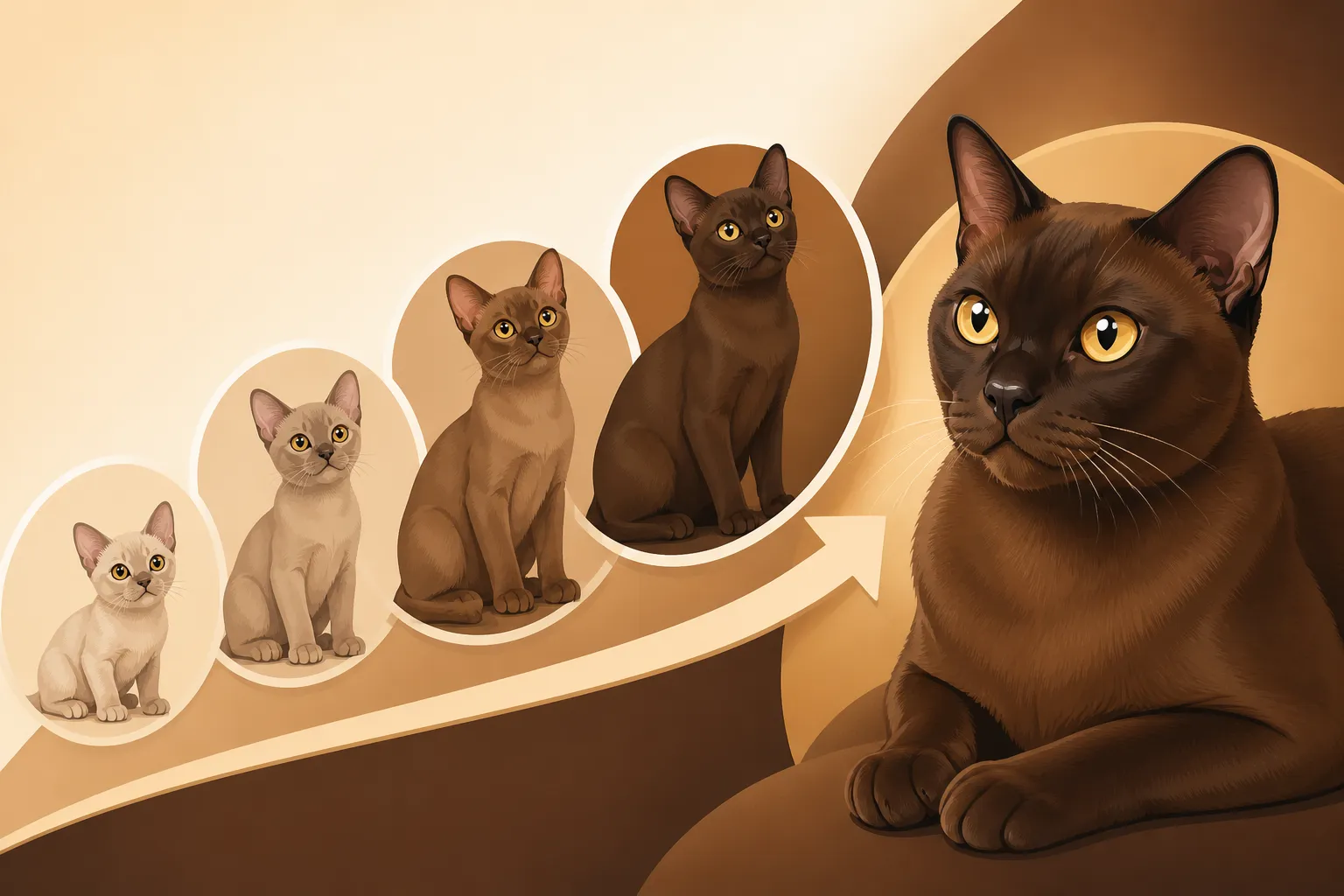
Imagine a tiny, warm oven where the color can't quite "bake" in yet. At birth, a sable Burmese kitten might appear as a creamy beige, a pale fawn, or even a light taupe. Their ears and nose leather might have just a hint of shading, giving a subtle nod to the darker tones to come, but the overall impression is one of softness and lightness. This initial pale stage is entirely normal and a beautiful part of their development. It's a clear indicator of the cb gene at work, showcasing that the lack of cooler temperatures during gestation prevents the full expression of their dark sable color. Why a Burmese Kitten Is Born Paler Than It Ends Up explores this phenomenon in depth.
The Gradual Darkening in the First Year
After the initial pale arrival, the journey to becoming a rich sable begins almost immediately. As Burmese kittens are exposed to the cooler ambient temperatures outside the womb, that temperature-sensitive enzyme starts to kick into gear. This means that with each passing week, new hair growth comes in progressively darker. It's not a sudden, dramatic shift, but a slow, continuous darkening, much like a sepia photograph developing before your eyes.
You'll notice the color beginning to deepen first on their extremities – those little ear tips, the tiny paw pads, and their adorable nose. Then, the darkening will spread across their back and tail, gradually enriching the tones of their entire body. By the time they are around six months old, you'll see a significant change, and by their first birthday, their coat will have largely settled into its more mature sable shade. This doesn't mean it won't shift subtly again later, but the most dramatic transformation occurs during these formative months. It's a period of exciting change for owners, watching their creamy little bundles transform into the stunning, deep brown cats we all adore. Remember that good nutrition during this critical growth period, ensuring your kitten gets all the necessary vitamins and minerals, can also contribute to a healthy, glossy coat as it develops its full color. When a Burmese Kitten's Color Settles provides even more insights into this specific developmental milestone.
Adult Years: Settled Hues and Subtle Shifts
Once a Burmese reaches adulthood, typically around one year of age, their sable coat truly comes into its own. The initial dramatic darkening gives way to a more settled, opulent hue, though even in maturity, their coat retains a subtle responsiveness to their environment.
The Stable Adult Sable Hue
By the time a Burmese reaches its full adult size and maturity, usually around 12 to 18 months, their sable coat will have reached its quintessential, breathtaking richness. This is the deep, warm, almost reddish-brown that many people instantly recognize and adore about the breed. It's a color that exudes warmth and sophistication, a solid, uniform shade across the body that often makes their expressive golden or green eyes pop even more vividly. The "sable" term perfectly captures this deep, lustrous brown, often described as having a velvety or satin-like texture and a remarkable sheen.
While there might be slight variations from cat to cat, and even subtle shifts with environmental factors (which we'll discuss next), this adult sable is generally stable. It's the pinnacle of their coat development, showcasing the full genetic potential of the cb allele at work in a cat that has reached a consistent body temperature and growth rate. This stable adult hue is not just beautiful; it's a testament to good breeding and care, as a healthy Burmese with proper nutrition will display a truly magnificent depth of color and incredible gloss. What a Sable Burmese Looks Like delves into the specific characteristics of this stunning mature coat.
Environmental Factors Affecting Adult Color
Even after a Burmese's sable coat has settled into its magnificent adult hue, it's not entirely immune to subtle environmental influences. One of the most common factors that can cause minor shifts is sunlight exposure. Just like human hair, prolonged time in direct sunlight can lead to a slight lightening or "sun-bleaching" of the coat, particularly on the back and shoulders. This isn't a drastic change, but you might notice a warmer, perhaps slightly more reddish tone developing over the summer months if your Burmese loves to sunbathe by a window.
Another contributing factor is temperature, continuing the theme from their kittenhood. While the changes are much less pronounced in an adult, a Burmese living in a consistently cooler climate, or spending more time in cooler rooms of the house, might develop a slightly darker, richer overall tone compared to one living in a warmer environment. Similarly, frequent bathing (which is rarely needed for a Burmese due to their low-maintenance coat) with certain shampoos could potentially affect the coat's natural oils and, by extension, its luster, though not its underlying color. It’s important to remember these are usually subtle shifts. A sudden, dramatic change in coat color in an adult, accompanied by other symptoms, might be cause for a vet visit, but gradual, minor lightening or darkening is often just nature's way of interacting with their unique genetics. Why Sunlight Lightens a Burmese's Coat offers more detail on how the sun specifically impacts their beautiful fur.
Senior Stage: Fading Gracefully
Just as their personalities mature and deepen, a Burmese's coat also enters a new phase in their senior years. These changes are often gentle and reflective of the wisdom and quiet dignity that comes with age.
The Silvering of Age in a Sable Burmese
As our beloved Burmese companions transition into their senior years, typically around the age of 10-12 and beyond, their once-vibrant sable coat may begin to show subtle signs of aging. This isn't usually a dramatic turning to gray like some other animals, but rather a gentle softening or "silvering" of the color. You might notice the deep sable becoming a touch less intense, appearing a bit muted, or even having a very fine, almost silvery cast, particularly around the muzzle, eyes, and sometimes along the back. This is akin to the subtle graying process we see in humans, a natural part of the aging process where pigment production can become less robust.
This softening of color contributes to a distinguished look, adding character to their already expressive faces. It's a beautiful, natural progression that often coincides with other minor physical changes that come with age, such as a slight thinning of the coat or a decrease in its natural oils. This silvering isn't a sign of ill health, but rather a gentle reminder of the many happy years you've shared. Keeping an eye on their overall coat health, ensuring it remains clean and free from mats, becomes even more important during these years. A gentle wipe-down with a chamois or soft cloth, which a Burmese typically loves, can still help maintain a healthy sheen and keep them looking their best. Why an Old Burmese's Satin Coat Dulls provides more context on general coat changes in older Burmese cats.
Health and Nutrition's Role in Coat Luster
While the natural process of aging can lead to a slight silvering or dulling of the sable coat, the overall health and nutrition of a senior Burmese play a crucial role in maintaining its luster and quality. A well-nourished senior cat, even with the onset of age-related pigment changes, will still present a much healthier and shinier coat than one who is struggling with dietary deficiencies or underlying health issues. As Burmese age, their nutritional needs can shift. They might require diets specifically formulated for seniors, which often contain easily digestible proteins, antioxidants, and essential fatty acids. Foods with fresh, high-quality ingredients or specialized senior formulas can be excellent choices to discuss with your vet.
These fatty acids, particularly Omega-3 and Omega-6, are vital for skin health and a glossy coat, helping to keep it supple and reduce dryness or flakiness. Conversely, a dull, dry, or brittle coat in a senior Burmese, especially if accompanied by weight loss or changes in appetite, can be a warning sign. It might indicate anything from dental problems making eating difficult to kidney disease, hyperthyroidism, or even the early stages of diabetes, a condition the breed is prone to. Regular veterinary check-ups are paramount during these years, as catching and addressing health issues early can significantly impact their quality of life and, yes, even the health and appearance of their beautiful coat. Remember, feeding a Burmese isn't just about satisfying hunger; Feeding a Burmese Is a Medical Decision, Not a Preference, especially as they age.
Why These Color Changes Matter to Owners
Understanding the natural progression of a Burmese's sable coat color is more than just a matter of aesthetic appreciation. It equips owners with valuable knowledge, helping them differentiate between normal, healthy changes and potential red flags, fostering a deeper bond and more informed care for their beloved companion.
Distinguishing Natural Changes from Concerns
For a conscientious Burmese owner, recognizing the typical patterns of coat color change is incredibly important. Knowing that a kitten will naturally darken or that a senior cat might subtly silver helps alleviate unnecessary worry. These gradual, predictable shifts are part of the breed's unique charm and genetic blueprint. However, understanding these norms also empowers you to spot changes that aren't normal. A sudden, patchy lightening or darkening, especially if accompanied by hair loss, skin irritation, or behavioral changes, should always prompt a call to your veterinarian. For instance, severe dietary deficiencies can lead to a dull, dry, and even discolored coat, which might look different from natural aging. Hormonal imbalances or certain medical conditions can also manifest as coat quality or color alterations.
Similarly, if your Burmese’s fur suddenly becomes extremely greasy or very dry, this could indicate a skin problem or an internal issue requiring professional attention. While a Burmese's low-shedding coat generally keeps hairballs to a minimum, a sudden increase in shedding or excessive grooming leading to bald patches could also be a sign of stress, allergies, or an underlying health problem. The key is observation: are the changes gradual and consistent with what you'd expect over time, or are they abrupt and unusual? When in doubt, it’s always better to consult your vet. They can rule out medical causes and reassure you that your cat's evolving coat is simply a beautiful testament to their journey through life.
Appreciating the Unique Journey of Each Burmese Coat
Beyond the practical aspect of identifying health indicators, truly understanding the dynamic nature of a Burmese's sable coat allows for a deeper appreciation of these magnificent animals. Each cat's coat tells a unique story, influenced by their individual genetics, their environment, and the passage of time. From the delicate cream of kittenhood to the lustrous sable of maturity, and the gentle, distinguished silvering of their golden years, every stage offers its own particular beauty. This evolving tapestry of color is a constant, subtle conversation between your cat and the world around them.
As owners, we have the privilege of witnessing this transformation firsthand. It teaches us patience and encourages close observation, fostering a more mindful relationship with our pets. Maintaining the health and shine of their coat, whether through proper nutrition (which you can find guidance on from resources on Chewy or Amazon, ensuring you pick high-quality, vet-approved foods) or minimal grooming, becomes less of a chore and more of an act of love. A weekly polish with a soft chamois, which many Burmese adore as a form of petting, is often all that's needed to enhance that famous satin sheen. This simple act not only keeps their coat looking its best but also provides a regular opportunity for bonding and a quick health check. The unique journey of your Burmese's coat is a living testament to their individuality, a beautiful characteristic to cherish through every stage of their lives.
| Age Stage | Typical Sable Coat Appearance | Key Influencing Factors |
|---|---|---|
| Newborn | Pale cream, fawn, or light taupe; minimal visible pigmentation | Warmth of the womb (inhibits pigment enzyme activity) |
| Kitten (0-1 yr) | Gradually darkens from extremities inwards; settles into rich brown | Exposure to cooler ambient temperatures; pigment enzyme activation |
| Adult (1-10 yrs) | Stable, deep, warm, lustrous sable brown; uniform body color | Consistent body temperature; genetics; subtle environmental interaction |
| Senior (10+ yrs) | Softens, potentially showing subtle silvering around muzzle/eyes; may dull slightly | Natural aging process (decreased pigment production); overall health & nutrition |
Disclaimer
This article is for general informational purposes only and does not constitute professional advice. Laws, prices and regulations vary by location and change over time. Consult a qualified professional for guidance on your specific situation.