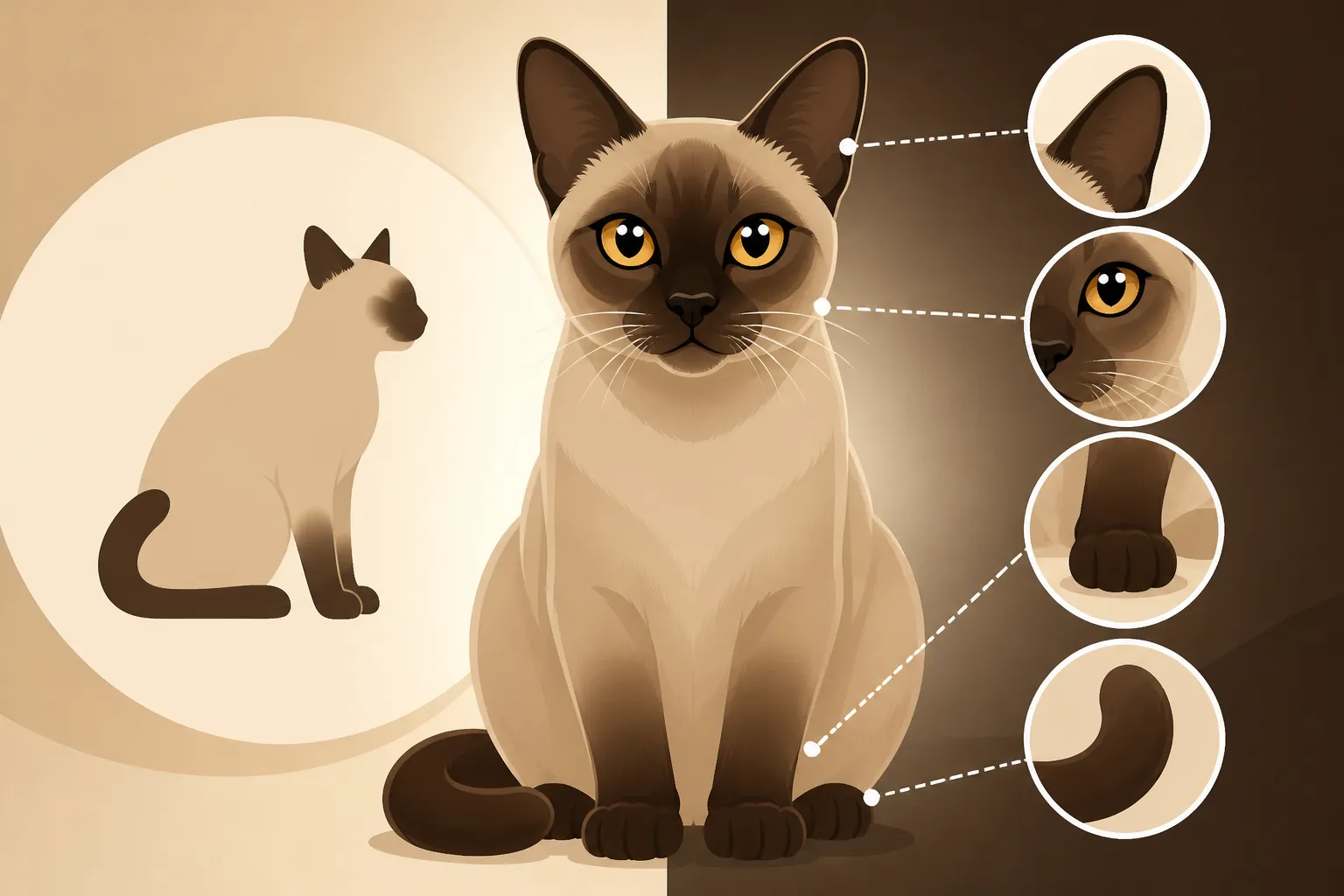
Why a Burmese Is Darker at the Extremities
Have you ever looked at your beautiful Burmese and wondered why their ears, paws, and tail are always just a little bit darker than their smooth, satiny body? It's not just a trick of the light or a happy accident; there's fascinating science behind this characteristic shading that gives the Burmese its distinctive charm. This guide will delve deep into the genetic secrets and environmental factors that cause a Burmese cat to be darker at its extremities, helping you understand this unique aspect of their breed.
The Genetic Blueprint for Burmese Coloration
The striking color of a Burmese cat, often described as a 'brick wrapped in silk' due to its dense, muscular body and fine, glossy coat, is truly one of its defining features. But it's not just the overall hue that's special; it's the distribution of that color across their body. This isn't random; it's coded right into their DNA, a beautiful example of how genetics manifest in the feline world.
Unpacking the cb Allele: The Burmese Color Gene
At the heart of the Burmese's unique coloration lies a specific gene, often referred to as the cb allele. This gene is responsible for what we call "Burmese restriction," which is a form of temperature-sensitive albinism. It's a variation of the gene that controls melanin production, the pigment responsible for all those gorgeous cat colors we know and love. In simpler terms, this gene tells the cat's body where and how much pigment to produce, but it's not a straightforward "on or off" switch like in a solid-colored cat.
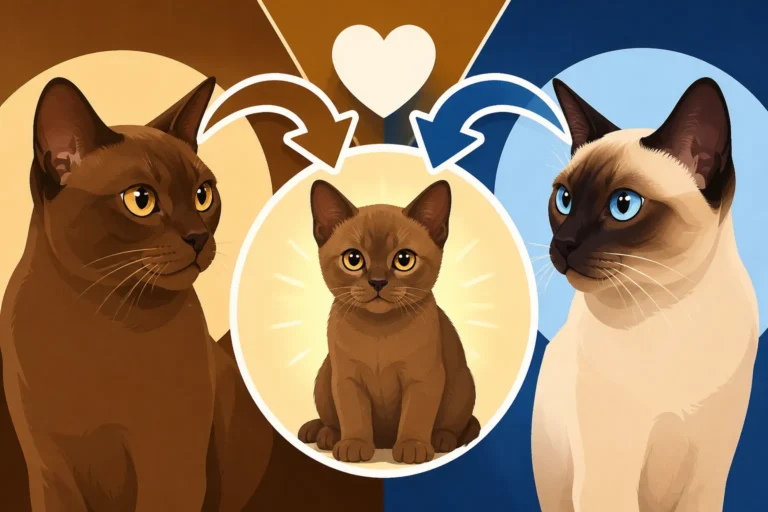
Unlike fully pigmented cats, where melanin is distributed fairly evenly across the entire coat, the cb allele in Burmese cats introduces a fascinating twist. It's partially recessive to the full color gene, meaning a Burmese cat needs two copies of this cb allele to display its characteristic coat pattern. The cb Allele Is What Makes a Burmese Brown and gives them that rich, warm brown, or sable, color that many people first associate with the breed. This genetic quirk is precisely why a Burmese looks so different from a Siamese, despite both having color-point genetics in their ancestry. Why a Burmese Is Brown and a Siamese Is Pointed explores this further.
How Melanin Production Is Affected
The cb allele essentially codes for an enzyme, tyrosinase, which is crucial for the synthesis of melanin. However, in Burmese cats, this enzyme is temperature-sensitive. What does that mean for your cat? It means that the tyrosinase enzyme works less efficiently, or even breaks down, at warmer body temperatures. Conversely, it functions much more effectively in cooler conditions.
Think of it like this: the enzyme is a tiny, diligent worker, but it gets sluggish and ineffective when it's hot. When it's cool, it's productive and creates plenty of pigment. This leads to a fascinating physiological phenomenon where parts of the cat's body that are naturally cooler will produce more melanin, resulting in a darker coat color, while warmer areas will produce less, leading to a lighter coat. This inherent genetic instruction is what gives the Burmese its striking contrast and defines its appearance.
The Science of Temperature Sensitivity
The concept of temperature sensitivity isn't unique to Burmese cats, but it's particularly pronounced and visible in their stunning coats. It's a marvelous example of how an animal's internal biology interacts with its external environment, even down to the subtle temperature differences across its own body. Understanding this dynamic helps us appreciate the intricate beauty of the breed.
Why Cooler Areas Darken
Take a moment to consider the parts of a cat's body that are typically cooler. These are generally the extremities: the tips of the ears, the nose, the paws, and the tail. These areas have less blood flow and are more exposed to the ambient temperature, making them naturally a few degrees cooler than the core body. Because the cb allele's tyrosinase enzyme thrives in these slightly lower temperatures, it works overtime to produce melanin.
This burst of pigment production in the cooler zones creates the darker "points" that are characteristic of the Burmese. The rich sable, the deep blue, the warm champagne, or the pale platinum tones become concentrated in these areas, forming a beautiful contrast with the lighter body. It's a natural masterpiece of temperature-dependent gene expression, making each Burmese cat a living, breathing testament to genetic science. Even their eye color, typically a brilliant gold or yellow, is a part of this overall genetic package. What a Burmese's Eye Color Is Judged further details this.
How Body Heat Keeps the Torso Lighter
In stark contrast, the main body of the Burmese—the torso, belly, and upper legs—is much warmer. This is where the cat's vital organs are, and the body maintains a consistent, higher internal temperature. In these warmer regions, the temperature-sensitive tyrosinase enzyme struggles to function efficiently. As a result, less melanin is produced, leading to the lighter, softer shading of the body coat.
This creates the classic Burmese look: a body color that is lighter and more muted than the intensely pigmented extremities. The overall effect is a stunning blend of color, with a smooth gradient from the deeper points to the silkier, less saturated central coat. It's truly incredible how just a few degrees difference in body temperature can result in such a dramatic and beautiful variation in color across a single animal. How a Burmese's Color Gene Reacts to Temperature offers even more detail on this fascinating process.
A Burmese Kitten's Gradual Transformation
One of the most endearing and captivating aspects of a Burmese cat's coloration journey is watching it unfold from kittenhood. When you first meet a litter of Burmese kittens, you might be surprised by how pale they appear. This isn't a mistake or an indicator of their adult color; it's a direct result of their early environment and genetics in action.
Born Pale: The Warmth of the Womb
Imagine the cozy, consistently warm environment of their mother's womb. Inside, a developing Burmese kitten is enveloped in warmth, maintaining a very stable and high core body temperature. Because the cb allele's melanin-producing enzyme is temperature-sensitive and less active in warmth, the kittens are born with very little pigment production. Why a Burmese Kitten Is Born Paler Than It Ends Up is a common question among new owners and breeders alike.
This means that Burmese kittens typically arrive looking quite light, often a creamy white or a very pale fawn color. Their true adult color, whether it will be a rich sable, a soft blue, a warm champagne, or a delicate platinum, is still largely hidden. This initial paleness is a temporary state, a blank canvas awaiting the cooler temperatures of the outside world to begin their pigmentary masterpiece.
Watching the Points Emerge and Deepen
As Burmese kittens are born and begin to experience the ambient temperature of their surroundings, their cooler extremities start to produce melanin. Over the first few weeks and months of their lives, you can literally watch their points emerge and deepen. The tips of their ears will darken first, followed by their tiny noses, paws, and tails. It's like watching a photograph develop right before your eyes!
The process isn't instant; it's a gradual deepening of color that continues as they mature. Their adult color can take anywhere from six months to a year, or even longer, to fully settle. When a Burmese Kitten's Color Settles is a wonderful milestone for breeders and owners to observe. This slow reveal of color is a charming part of raising a Burmese, as you get to see their coat transform and develop its full, glorious depth. This also means that what a sable Burmese looks like as a kitten is very different from its adult counterpart. What a Sable Burmese Looks Like provides further insight.
Environmental Factors and Coat Expression
While genetics lay the foundation for a Burmese cat's stunning coat color, their environment also plays a role in how that color is expressed. It's not just about the internal warmth of their body, but also the temperature of the air around them. This means that factors like the season or even the temperature you keep your home can subtly influence your Burmese's hue.
Seasonal Shifts and Indoor Climates
Have you ever noticed your Burmese's coat seems a little richer or darker in the colder months, and perhaps a touch lighter in the summer? You're not imagining things! Just as the internal body temperature affects melanin production, so too can external ambient temperatures. In cooler seasons, or if your home is kept a bit chilly, the overall body temperature might drop just enough for the tyrosinase enzyme to be a little more active, leading to a slightly deeper, more saturated coat color across the body.
Conversely, during warmer months, or if your house is kept particularly toasty, the enzyme may be less active, resulting in a slightly paler body color. This isn't a drastic change, but a subtle shift that dedicated Burmese owners might notice. It's a constant, dynamic interplay between their genes and their environment. Providing a cozy bed, perhaps one purchased from a reputable store like Chewy, can help your Burmese stay comfortably warm, ensuring their coat expresses its intended beauty without being overly influenced by cold drafts.
Maintaining Coat Health Through Nutrition
While temperature dictates where the color lies, the overall health and vibrancy of your Burmese's coat are also influenced by their diet. A healthy, well-nourished cat will have a far more lustrous and vibrant coat, regardless of its specific shade. High-quality food, rich in essential fatty acids, vitamins, and minerals, is crucial for maintaining that famously soft, satiny texture and beautiful sheen.
Ensuring your Burmese receives appropriate nutrition helps support healthy skin and fur, which in turn allows the genetically determined color to shine its brightest. For example, a diet rich in Omega-3 and Omega-6 fatty acids can contribute to a glossy coat. When choosing food, consider looking at options available on platforms like Chewy, which often stock a wide range of specialized feline diets designed for optimal health. Remember, a dull or lackluster coat can sometimes be a subtle sign of nutritional deficiencies or underlying health issues, so always consult your vet if you have concerns. Why a Burmese's Coat Lies Flat Against the Body also touches on the importance of coat quality.
The Rich Tapestry of Burmese Colors
Beyond the original sable, the Burmese breed now boasts a beautiful array of colors, each with its own charm and appeal. All these colors, however, still adhere to the fundamental principle of temperature-sensitive pigmentation, meaning they all exhibit the characteristic darker extremities.
From Sable to Platinum: Variations on a Theme
The classic Burmese color is sable, a rich, warm brown that deepens to a dark sepia on the points. This is often what people imagine when they think of a Burmese. However, thanks to careful breeding, several other equally stunning colors are now recognized. Blue Burmese cats have a lovely, soft grey body that shades to a deeper slate blue on their points. What a Blue Burmese Looks Like is truly exquisite. Champagne Burmese are a warm, honey-beige color, with points that deepen to a milk chocolate brown. And then there's platinum, arguably the palest of the traditional Burmese colors, featuring a pale, silvery-lilac body with delicate, dove-grey points.
Each of these colors is a variation on the same genetic theme, modified by other color genes present in the cat's DNA. For instance, the blue color is a 'dilution' of sable, while platinum is a dilution of champagne. Despite these variations, the underlying mechanism of temperature-sensitive melanin production remains consistent, ensuring that all recognized Burmese colors maintain their distinct "pointed" appearance. Which Colors CFA Accepts in a Burmese details the accepted color palette within the breed standard.
Understanding Color in Breeding and Showing
For Burmese breeders, understanding these color genetics is paramount. It allows them to predict the colors of kittens in a litter and ensures they are breeding healthy, true-to-type cats. Reputable breeders will meticulously track the genetic lines of their cats to ensure desired colors and avoid genetic health issues. They also understand that a kitten's color will mature, so they don't judge it prematurely.
In the show ring, the clarity of the body color and the intensity of the points are crucial factors. Judges look for a harmonious gradient of color, with clearly defined points and a body color free of barring or muddiness. The overall presentation, including the famously short, glossy coat, contributes to the cat's score. How a Burmese's Coat Differs From a Siamese's shows how this unique coat is a hallmark of the breed, carefully managed by breeders. Whether you're a breeder or simply an admirer, recognizing the nuances of Burmese color adds another layer of appreciation for this magnificent breed. For showing, a good brush or chamois is essential for that satin shine, and you can find excellent grooming tools at pet supply retailers like Chewy.
Why This Matters for Owners
Understanding why your Burmese is darker at its extremities isn't just a fun fact; it actually provides insight into their unique needs and behaviors, and helps you appreciate their special qualities even more. This genetic trait touches upon several aspects of their care and personality.
Appreciating Their Unique Beauty
First and foremost, knowing the science behind their coloration helps you appreciate the profound beauty of your Burmese. Each cat is a living canvas, with its coat color a dynamic expression of its genetics and environment. Observing the subtle shifts in their coat throughout the year, or remembering how pale they were as kittens, adds to the joy of ownership. It's a constant reminder of the natural wonders embodied in our feline companions.
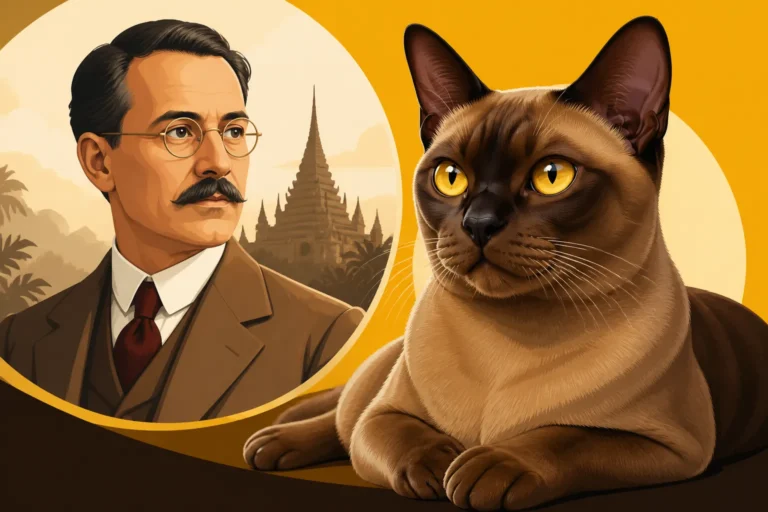
This unique color restriction is a key part of the breed's allure and history. It links back to the very first Burmese cat, Wong Mau, who played a pivotal role in establishing the breed. What the First Burmese Looked Like is fascinating when you consider how far the understanding of genetics has come since then. Their distinctive look sets them apart and is a testament to the dedicated work of breeders who have maintained and celebrated these traits for decades.
Implications for Health and Comfort
While the temperature-sensitive gene is mostly about aesthetics, it does have some minor implications for your cat's comfort. Because their extremities are naturally cooler, and their bodies are optimized for warmth, Burmese cats tend to feel the cold more keenly than some other breeds with thicker coats. This is why you often find them seeking out the warmest spot in the house, burrowing under blankets, or snuggling up close to you or other pets.
Ensuring your Burmese has warm, comfortable places to rest is important for their overall well-being. A heated cat bed or a soft, plush blanket can make a world of difference, especially in colder climates or during winter months. You can find many excellent options for cozy cat beds and blankets from reputable pet suppliers like Chewy, helping your furry friend stay snug and content. Remember, a comfortable cat is a happy cat, and for a Burmese, warmth is key.
Connecting to Breed History and Evolution
The characteristic dark points of the Burmese aren't just a modern phenomenon; they are deeply rooted in the breed's history and its very origins. The cb allele is ancient, a natural mutation that eventually led to the development of several beloved cat breeds. By understanding this genetic trait, you're connecting with the lineage of your cat, tracing its genetic heritage back to its earliest ancestors.
The initial breeding programs that established the Burmese breed carefully selected for this distinct color pattern, solidifying it as a fundamental aspect of the Burmese standard. It's a reminder that every feature of a purebred cat, from its body shape to its eye color, and especially its coat pattern, is a result of generations of selective breeding and a profound understanding of feline genetics. It’s part of what makes your Burmese cat so wonderfully unique and endlessly interesting.
Disclaimer
This article is for general informational purposes only and does not constitute professional advice. Laws, prices and regulations vary by location and change over time. Consult a qualified professional for guidance on your specific situation.